

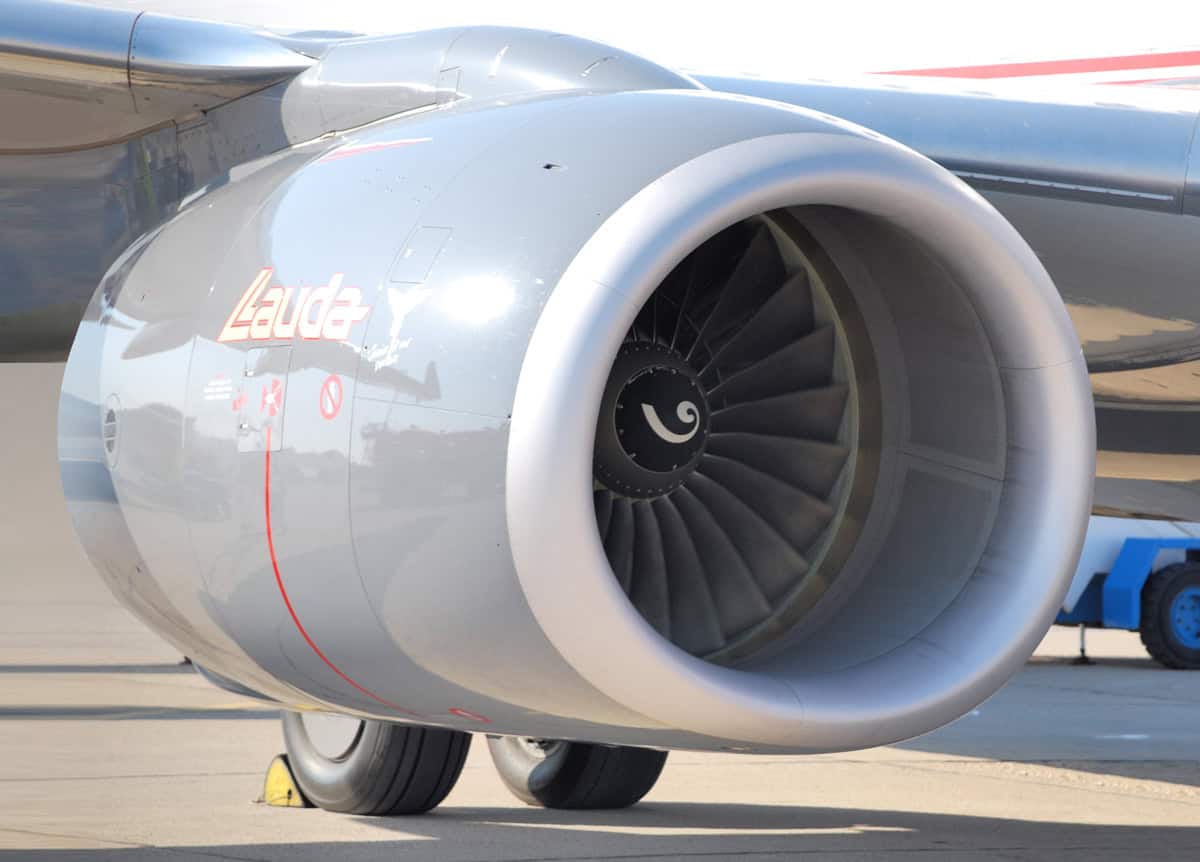
The Federal Aviation Administration proposed a new airworthiness directive on September 14, 2026, covering CFM International CFM56-5B, CFM56-5C and CFM56-7B engines fitted with a particular high-pressure turbine inner stationary seal. The agency wants operators to start inspecting the engines with a borescope and to replace the seal at the next shop visit.
The proposal follows multiple reports of the honeycomb lining separating from the surface of those seals. The FAA says 39 engines installed on airplanes of U.S. registry are affected.
What the FAA Found and What It Wants Done
The unsafe condition is a chain reaction rather than a single broken part. When honeycomb material separates from the seal, it can set up vibration in the forward outer seal, and that vibration can start a crack.
Left alone, the FAA warns, that crack “could result in uncontained part release, damage to the engine, and damage to the airplane.” The agency also found that some of the affected seals may not have gone through the correct braze repair during manufacturing.
.jpg)
The proposed directive would require initial and repeat borescope inspections of the rotating air high-pressure turbine front seal, looking for cracks. Initial inspections fall due between 125 and 400 flight cycles after the rule takes effect, with repeat checks at intervals of 250 to 800 cycles depending on which group an engine falls into.
At the next shop visit, the affected seal would come out and be replaced, then examined for honeycomb separation. If separation is found, the rotating air turbine front seal, the turbine rotor blades and the number 3 ball bearing would be replaced as well.
What it costs
The FAA estimates a borescope inspection at $680 in labor per engine. Replacing the seal runs to $174,380 per engine, or $6,800,820 across affected U.S. operators, and the on-condition replacements that follow a bad finding range from $602,080 to $2,020,000 per engine.
Why a Borescope Check Is the Cheap Way to Find This
A borescope is a flexible camera on a probe, fed through an access port in the engine casing so a technician can look at turbine hardware without taking the engine apart. It is the difference between an overnight check on the wing and a teardown that pulls an aircraft out of service for weeks.
That is why the FAA is structuring the proposal the way it is. Repeat borescope inspections keep watch on the crack that actually threatens the engine, while the permanent fix, replacing the seal itself, waits for a shop visit the engine was going to make anyway.
The word doing the work in the FAA’s description is “uncontained.” A modern engine casing is built to catch a failed blade or disc inside the nacelle, and a failure that escapes it can strike the fuselage, the wing or a fuel tank.
The honeycomb itself is not structural. It is a sacrificial layer that lets rotating and stationary parts run at very tight clearances, so the seal wears rather than the blade tips, and that tight clearance is what keeps hot gas where it belongs.
The Engine Family Behind the Numbers
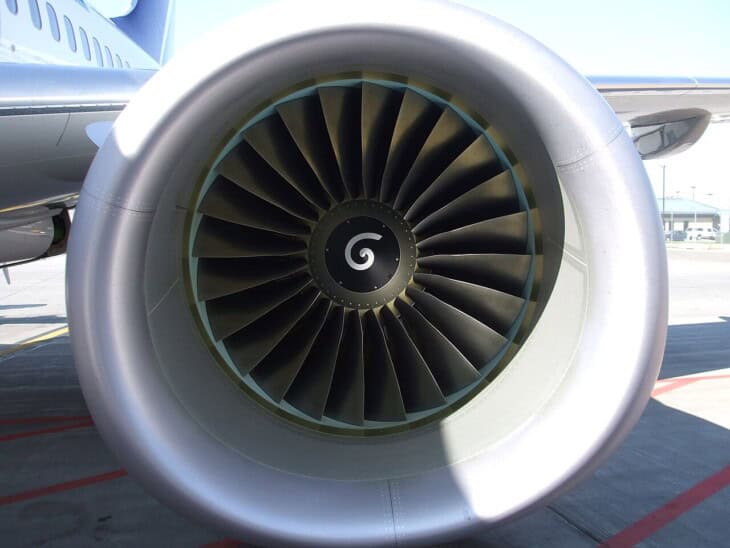
The three variants named in the proposal sit under three different airframes. The CFM56-5B powers the Airbus A320 family, the CFM56-5C powers the four-engine A340-200 and A340-300, and the CFM56-7B powers Boeing 737 Next Generation aircraft such as the Boeing 737-800.
That spread is why a 39-engine directive is worth reading closely. CFM International, a joint venture of GE Aerospace and Safran, has delivered nearly 33,000 CFM56 engines to some 600 operators, and Safran calls it the best-selling engine in commercial aviation history.
A narrow directive today can widen if inspections turn up more cracked seals than expected. The FAA already ordered fan blade inspections on the CFM56-7B earlier this year, and the engine’s sheer installed base means small percentages translate into real fleet numbers. The engine makers behind these fleets are covered in our guide to the largest aircraft engine manufacturers.
This is a proposal, not a rule
Nothing here is binding yet. The FAA published this as a notice of proposed rulemaking under docket FAA-2026-8803, and comments are open until October 29, 2026. Inspection thresholds, compliance times and cost estimates can all change before a final rule is issued.
Sources and references used for research and fact-checking.
Get the Newsletter
The latest aviation news and stories sent to your inbox.
About the Author

Tim is the owner and lead editor of AeroCorner since 2019, overseeing aviation content covering aircraft, airlines, airports, and the broader aviation industry. Through years of researching, writing, editing, and publishing aviation-focused content, he has developed extensive practical knowledge of commercial aviation and air travel. Based in Asia and a frequent traveler himself, Tim also brings firsthand passenger experience to AeroCorner’s coverage. Outside of publishing, he has also explored aviation firsthand through hands-on flight training in New Zealand.