

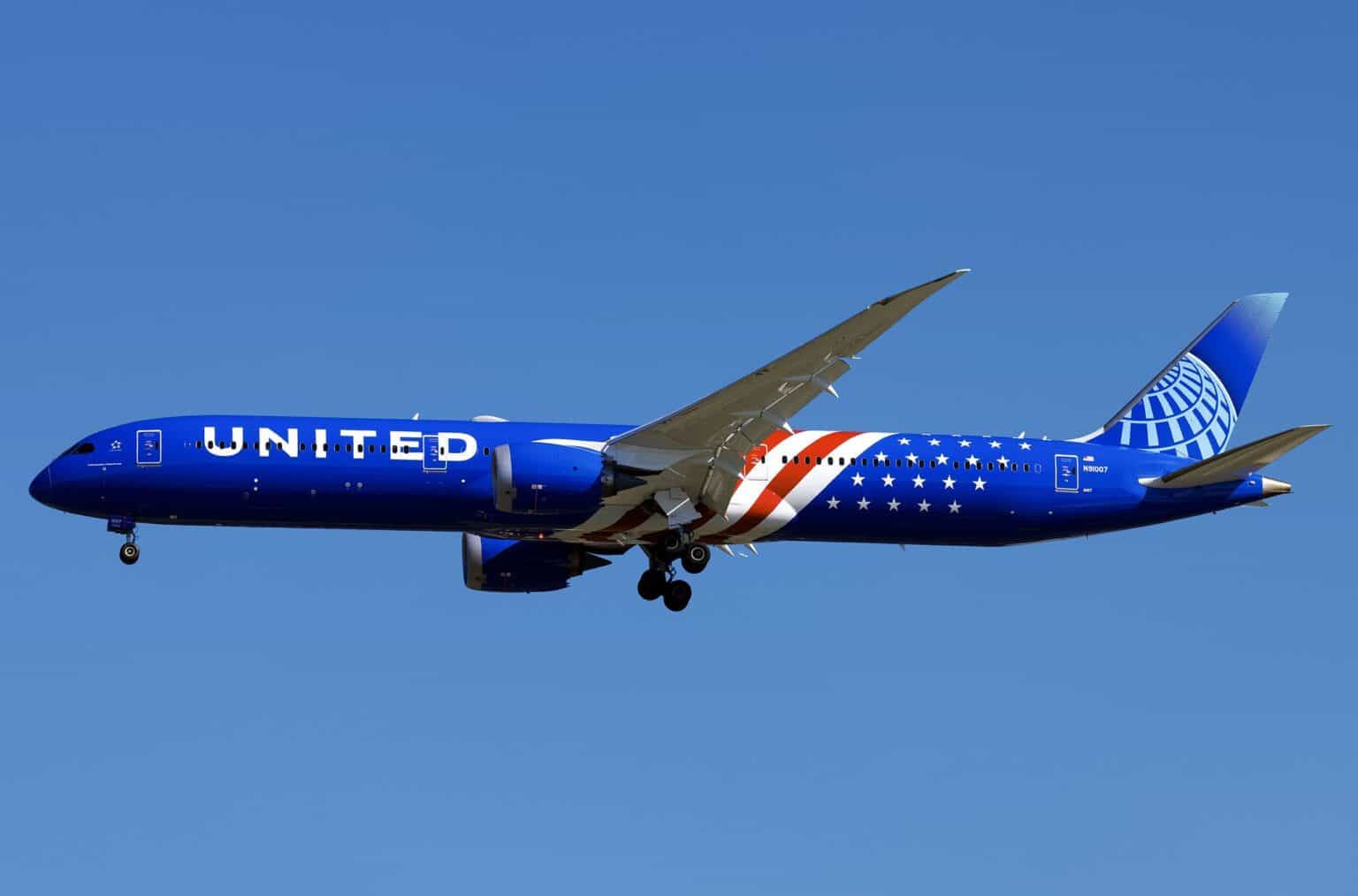
On November 2, 2026, the FAA published a final airworthiness directive ordering inspections of sealant inside the center wing fuel tank of certain Boeing 787-8, 787-9 and 787-10 airplanes. The rule follows a report that some of that sealant never received the visual and adhesion inspections required during production.
The directive, AD 2026-22-05 (Amendment 39-23507, Docket FAA-2026-1322), takes effect on December 7, 2026. The FAA estimates it affects 60 airplanes on the U.S. register.
What the FAA Is Requiring
Operators must carry out a detailed inspection of specific sealant installations in the left, right and center wing side-of-body areas, where the wing structure joins the fuselage. The work also covers the area between the side-of-body rib and rib 2, according to the Federal Register notice.
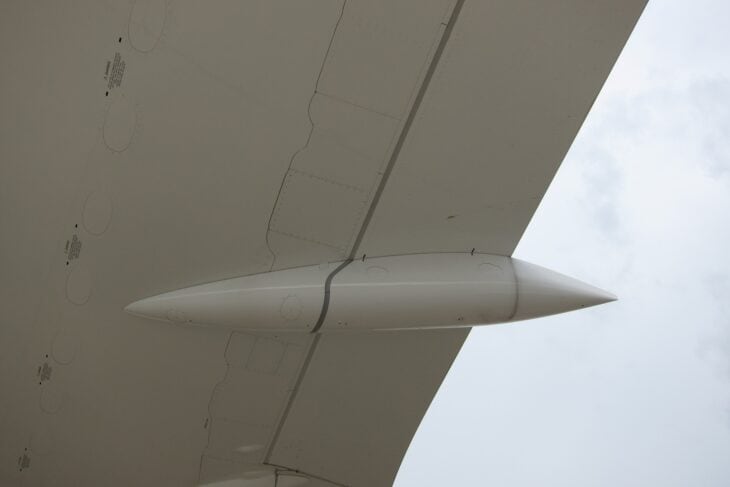

The inspection looks for sealant defects and surface depressions, then run an adhesion test to confirm the sealant is actually bonded to the structure beneath it. Any defect found triggers follow-up work, including contacting Boeing for repair instructions.
The steps come from Boeing Alert Requirements Bulletin B787-81205-SB570053-00 RB, dated November 5, 2025, which also identifies the affected airplanes and sets the compliance times.
Where the bulletin counts a deadline from its own issue date, the AD counts it from December 7 instead. The Federal Register text does not list the deadlines themselves.
The FAA puts the cost at 34 work-hours per airplane, or $2,890 at $85 an hour with no parts cost, for $173,400 across the U.S. fleet.
The agency says it has no data to estimate repair costs, and that Boeing says some or all of the cost may be covered under warranty.
Why Sealant in a Fuel Tank Matters
The FAA’s stated unsafe condition is blunt: sealant defects could allow an ignition source to develop inside the fuel tank, with a risk of a fuel tank explosion during a lightning strike.
Airliners are built to survive lightning strikes, as AeroCorner’s guide to how airplanes handle lightning explains. Inside a fuel tank, sealant over fasteners and joints is part of that protection, because it insulates spots where a stray current could otherwise arc near fuel vapor.
That sits inside a wider fuel tank safety regime. The FAA’s 2001 rule that created SFAR 88 requires manufacturers to show their fuel tank designs prevent ignition sources and to define the maintenance needed to keep them that way, a response the FAA has tied to fuel tank explosions on several large transport airplanes.
Missed production steps of this kind have drawn ADs before. In a 2024 proposal for Boeing 747-400 freighters, the FAA said cap seals had been left off eight fuel tank fasteners in production, leaving their ends without enough electrical insulation to prevent arcing in a lightning strike.
The 787 case is narrower in one sense. The FAA does not say the sealant is defective, only that there is no evidence the required checks were done, so the inspections are there to find out.
What Changed Between the Proposal and the Final Rule
The FAA first proposed the rule on February 24, 2026. The Air Line Pilots Association, United Airlines and one individual supported it without change.
Boeing and American Airlines asked the FAA to let operators repair damaged sealant without seeking separate approval each time. The FAA agreed to Boeing’s version: a repair that complies with six listed fuel system airworthiness limitations in Boeing’s 787 compliance document now counts as an acceptable repair.
American also asked the FAA to clarify the inspection area in one of the bulletin’s figures. The FAA said the adhesion test is required along the dashed lines shown there and left the rule unchanged.
The Foundation for Aviation Safety asked whether these inspections are now done on the production line. The FAA said it has confirmed that sealant installations in the center wing tank are being inspected in production on airplanes outside the directive’s scope, and that the AD is limited to the airplanes with no evidence the checks were carried out.
A Familiar Part of the 787
Another recent final AD traced a Boeing 787 Dreamliner issue to production at the side-of-body. In August, the FAA ordered repeat wing inspections after a Boeing investigation into manufacturing errors and excessive preload forces at lower side-of-body splice plates, which can cause fatigue cracks at fastener holes.
The area has a history on the program. In June 2009, Boeing postponed the 787’s first flight to reinforce an area within the side-of-body section, a need found during tests on the full-scale static test airplane.
The two recent directives address different problems, one structural and one in fuel tank sealant. Both trace back to the factory rather than to wear in service.
Sources and references used for research and fact-checking.
- Federal Register / FAA, Airworthiness Directives; The Boeing Company Airplanes (AD 2026-22-05, final rule, 91 FR 68877)
- Federal Register / FAA, Airworthiness Directives; The Boeing Company Airplanes (NPRM, Docket FAA-2026-1322)
- Federal Register / FAA, Airworthiness Directives; The Boeing Company Airplanes (747-400F cap seals NPRM, 2024-07562)
- FAA, SFAR 88 and related regulatory sections summary
- Federal Register / FAA, Airworthiness Directives; The Boeing Company Airplanes (787 SOB splice plate AD 2026-17-02)
- Boeing, Boeing Postpones 787 First Flight (June 23, 2009)
Get the Newsletter
The latest aviation news and stories sent to your inbox.
About the Author

AeroCorner News is the aviation news desk of AeroCorner.com. It covers accidents and incidents, safety rulings, airline and airport disruption, and new aircraft. It works from primary sources such as the NTSB, FAA, EASA and the manufacturers' own announcements.