

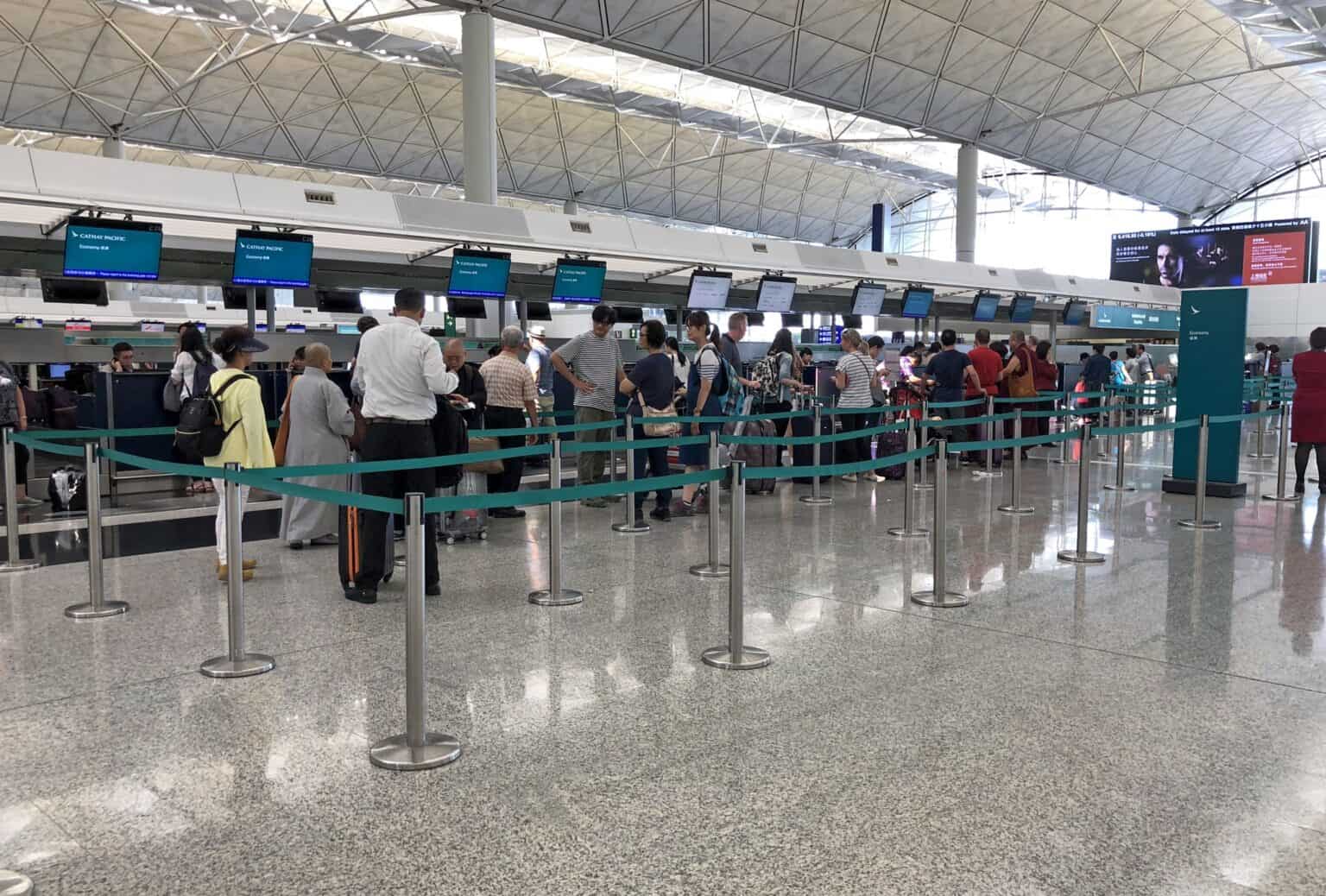
Starting at 11:59 p.m. Eastern Standard Time on November 3, 2026, every person boarding a flight to the United States from a foreign country must first attest that they have not been in the Democratic Republic of the Congo (DRC) in the past 21 days. The Centers for Disease Control and Prevention (CDC) order covers US citizens, green card holders, connecting passengers and the crews flying the aircraft.
Anyone who does not complete the attestation is not allowed to board, apart from the rare travelers the CDC exempts on humanitarian or government grounds. The order runs until December 18, 2026, unless the CDC rescinds or changes it sooner.
What the order requires
The CDC first issued the order on October 22. An amended version, signed on October 28 by Assistant Secretary for Health Brian Christine, spells out that crew members on official duty are covered, including crew positioning on deadhead status who are not operating the flight.
The 21 days are counted in calendar days. The day a traveler leaves the DRC is day 0, so someone who was there can board a US-bound flight from day 22.
Presence counts broadly. Connecting through an airport in the DRC, such as Kinshasa’s N’djili International, counts even if the traveler never leaves the plane or the terminal, while simply overflying the country does not.
For most passengers the attestation will be a step in check-in. The CDC allows a paper form, an authenticated digital signature or an electronic checkbox, and a gate agent may record a verbal attestation after the traveler has read the form’s wording.
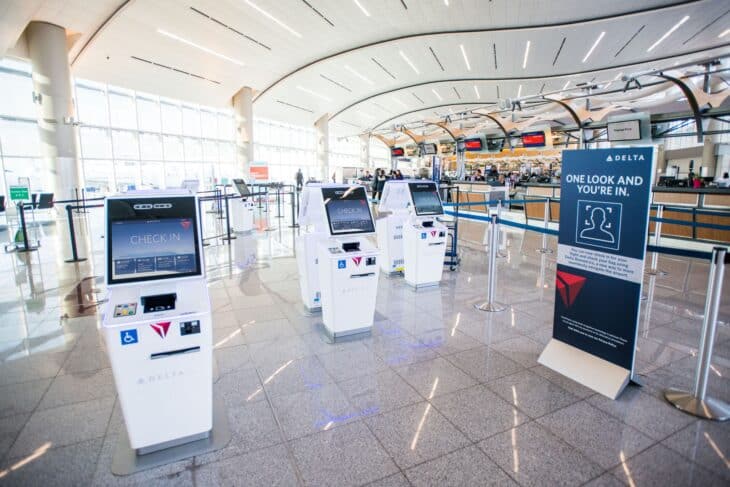

A parent, guardian or adult in the same traveling party may attest for others, but each person still needs their own recorded attestation. Willfully giving false information can bring criminal fines and imprisonment under federal false-statements law, the CDC says.
What airlines and operators must do
Airlines must check that every person has attested at or shortly before boarding, refuse boarding to anyone who has not, and keep each attestation for at least 42 days. An operator that cannot confirm completed attestations will not receive clearance at its US port of entry to let passengers off the aircraft.
The order is not limited to airlines. It defines aircraft to include general aviation, cargo and private aircraft, so a private business jet or an air charter flight heading to the US needs an attestation from everyone aboard, as does a freighter’s crew.
It applies to flights from US preclearance airports abroad and to travelers only transiting the US. Flights from Puerto Rico, Guam and the other US territories are not covered, because the territories do not count as foreign countries, and neither are land border crossings or seaports.
The Department of Transportation’s consumer protection office has said it will not take action against an airline for strictly following the order with travelers who cannot present an attestation.
Airlines pushed back, and crews feel it first
Airline groups objected before the start date, Reuters reported. Airlines for America, which represents American, Delta, United and Southwest, called the plan “overly stringent, costly and burdensome” and asked for exemptions for crew members, the US military and jumpseat travelers.
The group said US Customs and Border Protection screened about 130 million air passengers in 2025, and that fewer than 25,000 of them had a connection to the DRC. IATA, the global airline association, asked why the rule covers air travel but not other modes of transport.
The final order kept crews in. At American Airlines, flight attendants will attest verbally to the captain, who signs one attestation for the whole crew, according to a union memo reported by Paddle Your Own Kanoo.


The memo, from the Association of Professional Flight Attendants, warned that crew who do not attest will not be allowed on their scheduled flight home and would stay at the overseas station at their own expense.
Why the CDC moved now
The outbreak is caused by the Bundibugyo virus, a rarer member of the Ebola family first identified in Uganda in 2007, for which there is no widely approved vaccine or specific treatment. As of October 18, the DRC reported 9,455 confirmed cases and 4,561 deaths across eight provinces, centered on Ituri in the east, according to the order.
The order also points to air travel as a route out of the region. Kenya reported its first case on October 6 in a person who had traveled from the DRC to Uganda and flown from Kampala to Nairobi, and had eight confirmed cases by October 19.
The attestation sits on top of a separate CDC order in force since May 18, renewed in 30-day steps, that suspends the entry of foreign nationals who were in the DRC, Uganda or South Sudan in the previous 21 days. The new rule applies to everyone on board, Americans included, and makes the airline the checkpoint.
The order says the CDC weighed relying on airport health screening and voluntary questioning before choosing a check enforced at boarding. The CDC says the overall risk to the American public and travelers remains low.
Sources and references used for research and fact-checking.
Get the Newsletter
The latest aviation news and stories sent to your inbox.
About the Author

AeroCorner News is the aviation news desk of AeroCorner.com. It covers accidents and incidents, safety rulings, airline and airport disruption, and new aircraft. It works from primary sources such as the NTSB, FAA, EASA and the manufacturers' own announcements.