

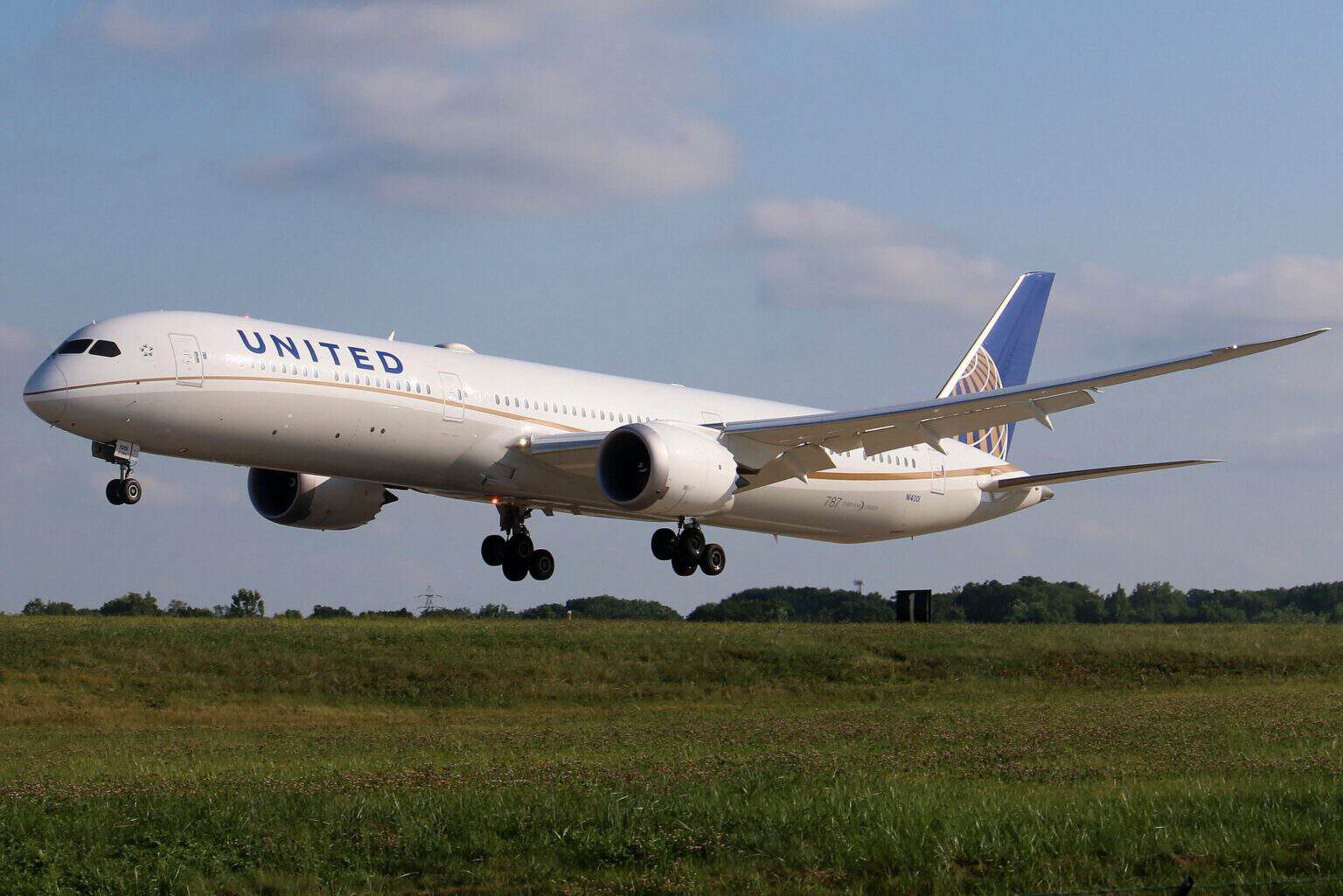
On November 9, 2026, the FAA published a final airworthiness directive requiring new radio altimeter cables on certain Boeing 787-8, 787-9 and 787-10 airplanes. It follows reports that the jets’ low range radio altimeter (LRRA) system produces “non-computed data” outputs, meaning no valid reading, more often at low altitude during approach and landing.
The directive, AD 2026-22-09 (Amendment 39-23511, Docket FAA-2026-1335), takes effect on December 14, 2026. The FAA estimates it covers 169 airplanes on the U.S. register.
What the FAA Is Requiring
Operators must replace the left and right LRRA transmit and receive coaxial cables with larger-gauge cables, according to the Federal Register notice. The existing BMS13-65 Type 0G cables give way to Type 0J cables.
The steps, the list of affected airplanes and the deadlines come from Boeing Alert Requirements Bulletin B787-81205-SB340062-00 RB, dated December 23, 2024. Where that bulletin counts time from its own issue date, the AD counts it from December 14, 2026 instead.
The FAA describes the window as a five-year compliance period. The agency’s stated unsafe condition is serious: unreliable or disrupted LRRA data that, if not addressed, could result in loss of continued safe flight and landing.
The FAA puts the work at 31 hours per airplane, or $2,635 at $85 an hour, plus $15,170 in parts. That is $17,805 per jet and $3,009,045 across the U.S. fleet, and Boeing says some or all of it may be covered under warranty.
The FAA does not say how many reports it received, which airlines filed them, or whether any led to an incident.
Why a Cable Can Cause This
A barometric altimeter reads height from air pressure, while a radio altimeter bounces a signal off the ground below and times the echo. AeroCorner’s guide to how altimeters work covers both types.
In its February proposal, the FAA said the likely cause was “an insufficient link budget created by updated installation requirements from the altimeter supplier.” A link budget is the signal strength left over once every loss between transmitter, antenna and receiver is counted.
Coaxial cable runs are one of those losses, and a larger-gauge cable generally loses less signal over the same length. The fix targets the margin, not the altimeter itself.
That margin matters most close to the ground. In a separate 2026 rulemaking, the FAA notes that radio altimeter data feeds autoland and low-visibility approaches, tells the pilot or autopilot when to flare and cut power, and supports terrain warning and collision avoidance systems.
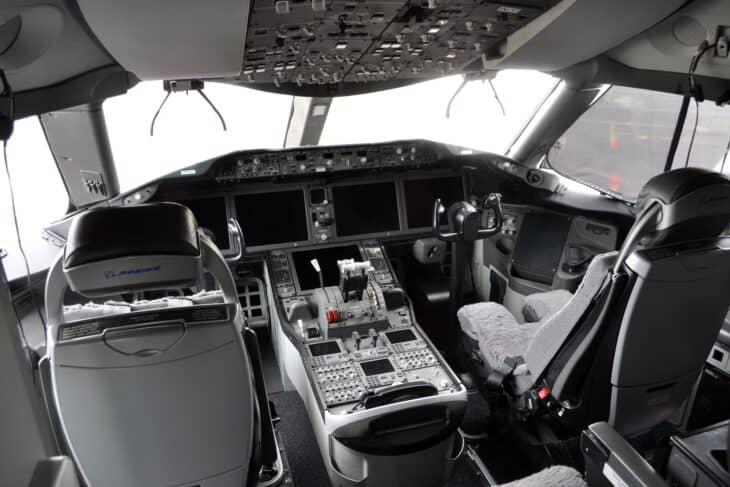

The directive does not mention 5G or outside interference. It is distinct from the FAA’s 5G radio altimeter rule from July, which requires interference-tolerant radio altimeters on U.S. airline aircraft by December 30, 2030.
Airlines Asked for More Time and Did Not Get It
The FAA first proposed the rule on February 24, 2026. The Air Line Pilots Association and Boeing supported it without change, and seven other commenters weighed in, including Air Canada, American Airlines, EVA Air, Turkish Airlines and United Airlines.
American said Boeing had quoted a lead time of more than 500 days for the cables. Turkish Airlines said it gave Boeing its kit needs in March 2025 and still had supply problems.
The FAA refused to extend the deadline, saying operators have enough time within five years. It will consider individual extension requests backed by data.
From the other side, the Foundation for Aviation Safety questioned why a critical unsafe condition gets up to five years for a job estimated at about 28 hours. The FAA kept the timeline, and it also rejected an anonymous request to let affected jets keep flying between airports forecast to stay in visual conditions, noting that the AD does not ground anything.
The only change the FAA lists is cost. Boeing’s revised service bulletin, Issue 002 of August 11, 2025, updated the work-hours, so the FAA raised its labor estimate from 28 to 31 hours, and it confirmed operators may use that revision to do the work.
The cable directive is the latest in a run of final ADs on the Boeing 787 Dreamliner this fall, a week after the FAA ordered fuel tank sealant checks on the type.
Sources and references used for research and fact-checking.
- Federal Register / FAA, Airworthiness Directives; The Boeing Company Airplanes (AD 2026-22-09, final rule, FR Doc 2026-22817, 91 FR 70774)
- Federal Register / FAA, Airworthiness Directives; The Boeing Company Airplanes (NPRM, FR Doc 2026-03704, Docket FAA-2026-1335)
- Federal Register / FAA, Requirements for Interference-Tolerant Radio Altimeter Systems (final rule, FR Doc 2026-15585)
Get the Newsletter
The latest aviation news and stories sent to your inbox.
About the Author

AeroCorner News is the aviation news desk of AeroCorner.com. It covers accidents and incidents, safety rulings, airline and airport disruption, and new aircraft. It works from primary sources such as the NTSB, FAA, EASA and the manufacturers' own announcements.