

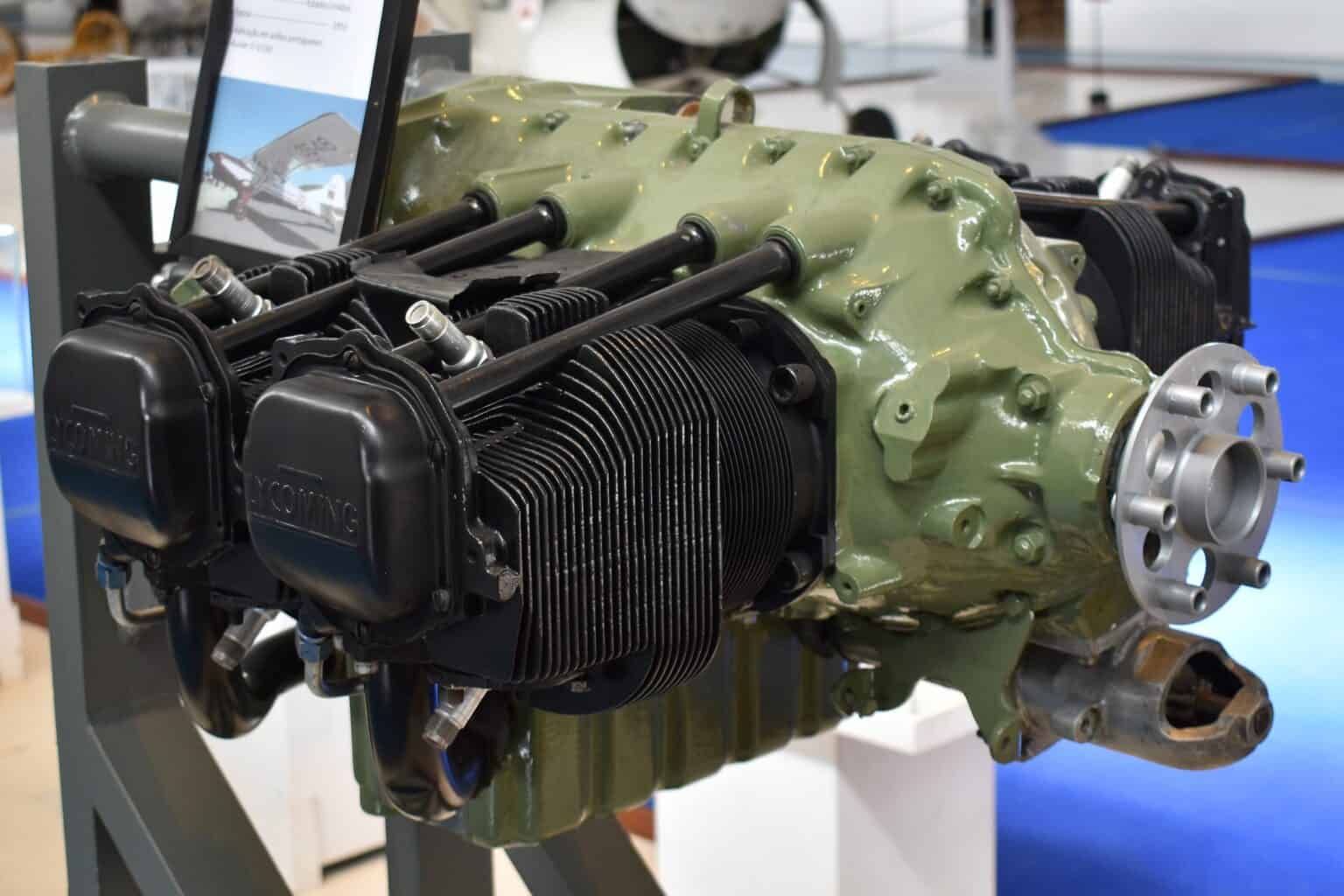
On November 5, 2026, the FAA filed a new airworthiness directive for public inspection that replaces AD 2026-17-10, the Lycoming piston pin order it issued in August, and extends it to the four-cylinder O-320 family and the O-435 helicopter engines. The new rule, AD 2026-22-13, is scheduled for publication in the Federal Register on November 9 and takes effect 15 days later, on November 24.
Like the original piston pin AD, it is a final rule with a request for comments. The FAA skipped prior public comment because the pin defects are hard to detect before a failure, and it will take comments for 45 days after publication.
What the New AD Changes
The suspect part has not changed: piston pin P/N LW-13445, manufactured between January 7, 2021 and December 15, 2025. What changed is the list of engines.
According to the AD, Lycoming has since identified more engine models that are subject to the unsafe condition, and some models in the August directive that are not.
The new applicability table adds the O-320, IO-320, AIO-320, LIO-320 and AEIO-320 series, plus the VO-435 and TVO-435 series, the O-435’s vertically mounted helicopter versions. The O-235 stays, while the O-540 and IO-540 lists shrink from more than 100 model variants to 17.
The August AD applied only to engines whose serial numbers appeared in Lycoming Mandatory Service Bulletin 667A.
The new one drops that serial-number test: any engine of a listed model with an affected pin is covered, and a pin with an unknown manufacture date counts as affected. Engines whose LW-13445 pins were installed before January 7, 2021 are out of scope.
The FAA also splits engines into two groups by pin date. Group 2 covers pins made between March 23, 2023 and December 15, 2025, or of unknown date, and gets the tightest deadlines.
A Group 2 engine with 150 hours time in service or more on the effective date must have its affected pins replaced before further flight. One with fewer hours has 25 hours, or until the pins reach 150 hours since installation, whichever comes first.
All other affected engines, including Group 2 engines under 150 hours, need an oil change and an inspection of the oil filter and screens for metal within 5 hours. The August version waived that check if the oil had been changed in the previous 10 hours; the new one does not.
If metal turns up, the pins come out before the next flight. Group 1 engines with older pins and clean oil can wait for the next cylinder removal or overhaul, now measured against Lycoming Service Instruction 1009BF of July 20, 2026.
The cost estimate
The FAA still counts 957 affected engines on the US registry, but its labor estimate rose from 2 to 25 work-hours. That lifts the cost from $2,370 to $4,325 per engine and from about $2.27 million to $4.14 million across the fleet. The FAA says Lycoming indicated some costs may be covered under warranty.
Why the O-320 Addition Matters
The O-320 is a long-serving general aviation engine. Introduced in 1953 and still in production, it is commonly used on light aircraft such as the Cessna 172 Skyhawk and the Piper Cherokee.
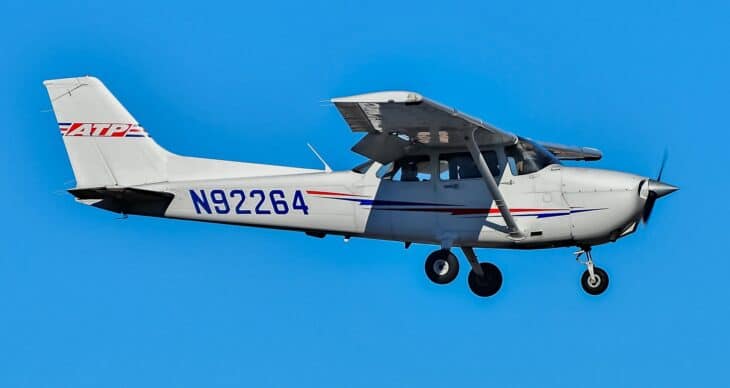
That does not mean every O-320 is grounded. Only engines that actually carry an LW-13445 pin made in the 2021 to 2025 window, or one whose date cannot be established, fall under the rule.
That makes paperwork the first job for owners. The August AD judged a pin by the production date on its FAA Form 8130-3 paperwork; the new one refers to the pin’s date of manufacture, and missing records put the engine inside the AD.
The underlying defect is the one behind the August order. According to that AD, thin-wall pins left the supplier with microcracks and metal inclusions after changes to its honing and tooling processes, and the problem surfaced as metal in engine oil during an oil change and two engine failures.
A broken piston pin sends debris through the oil system, where it can damage bearings and block oil passages. The FAA warns the result could be an in-flight shutdown and loss of control of the airplane.
One figure did not move. The FAA’s count of affected US engines is still 957 despite the added models, and the document does not explain why.
Sources and references used for research and fact-checking.
Get the Newsletter
The latest aviation news and stories sent to your inbox.
About the Author

AeroCorner News is the aviation news desk of AeroCorner.com. It covers accidents and incidents, safety rulings, airline and airport disruption, and new aircraft. It works from primary sources such as the NTSB, FAA, EASA and the manufacturers' own announcements.