

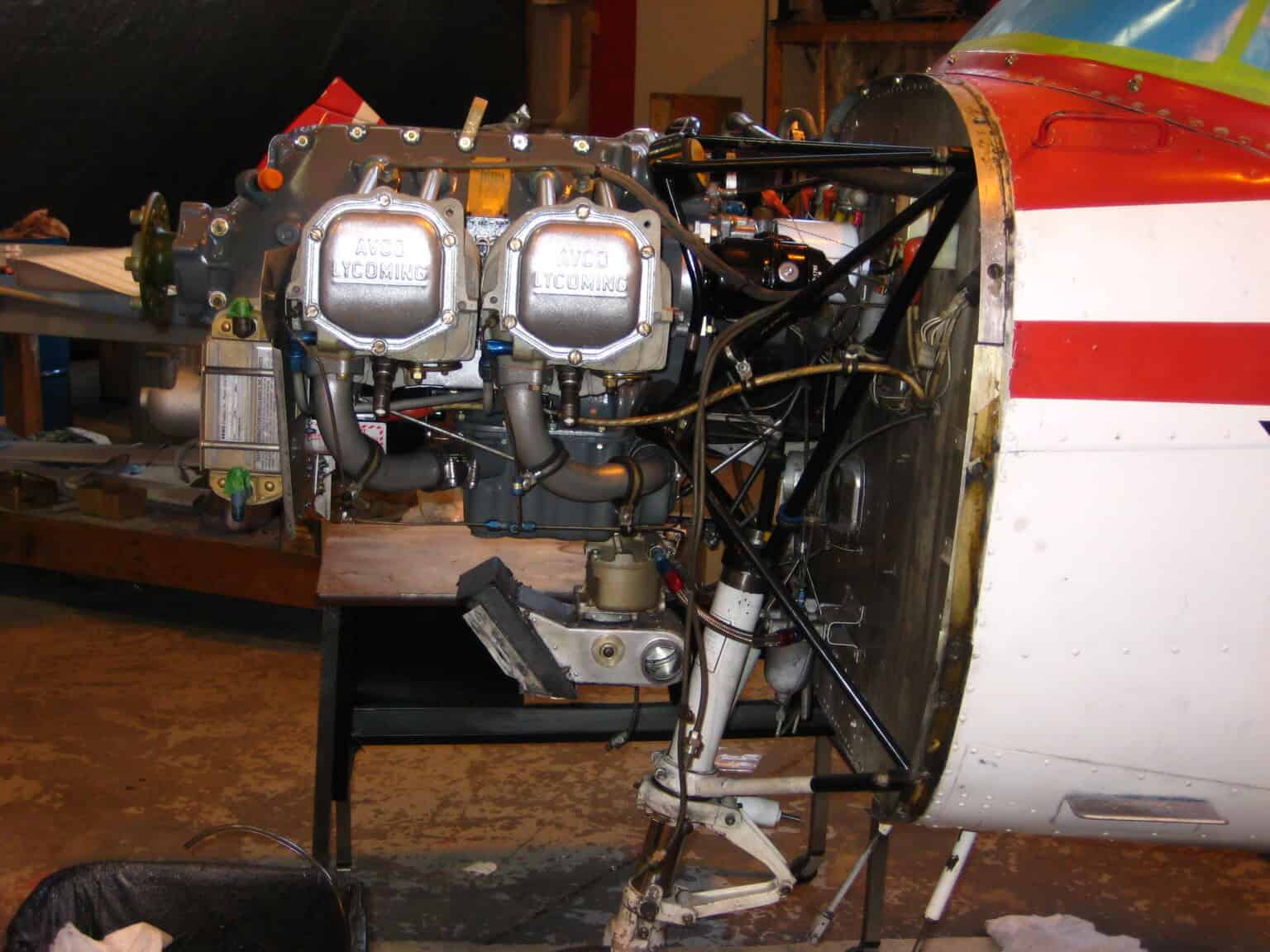
On August 28, 2026, the FAA published a new airworthiness directive covering 957 US-registered Lycoming piston aircraft engines built with a piston pin that has cracked in service and caused at least two engine failures. AD 2026-17-10 takes effect September 14, 2026.
The directive requires owners to inspect the engine oil for metal, replace the affected pin, and stop installing the part. The FAA issued it as a final rule with a comment period that closes October 13, 2026.
What the FAA Found
The suspect part is piston pin P/N LW-13445, manufactured between January 7, 2021 and December 15, 2025 and fitted to certain Lycoming O-235, O-540 and IO-540 engines. The four-cylinder O-235 powers trainers like the Cessna 152, while the six-cylinder O-540 and fuel-injected IO-540 sit in a wide range of larger singles and light twins.
According to the AD, Lycoming opened an investigation after metal particulates turned up in one engine’s oil during a routine oil change and two other engines failed. The manufacturer traced the fault to thin-wall pins that left the factory with microcracks and metal inclusions, caused by honing and tooling process changes at the pin supplier.
Key fact
957 engines on the US registry carry the suspect pin. The FAA estimates the fix at about $2,370 per engine, or roughly $2.27 million across the US fleet.
Why a Cracked Piston Pin Matters
The piston pin is the short hardened tube that links each piston to its connecting rod. If it breaks, debris travels through the engine with the oil, scoring bearings, damaging other cylinders, and blocking the narrow passages that carry oil where it is needed.
The FAA warns that can end in oil starvation, an in-flight engine failure, and loss of control. On a single-engine airplane, an engine failure means a forced landing, which is why the agency treats a defect like this across the wider general aviation fleet as urgent.
An airworthiness directive is a legally binding order, not a service recommendation. This one leans on Lycoming Mandatory Service Bulletin 667A, published in March 2026, which lists the affected engine serial numbers.
Owners must first change the oil and inspect the filter and screens for metal. If they find debris, the pin comes out before the next flight; if the oil is clean, the swap can wait for the next scheduled maintenance visit or overhaul, though some engines must be done within 25 hours.
A small fleet, a permanent change
Like the FAA’s recent directives on the Diamond DA42 and nearly 1,000 Bell 407 helicopters, this AD covers a modest number of aircraft but adds a required task that follows each engine through its service life.
The pattern is familiar. The FAA has issued a run of directives this year on small fleets, from repeat rudder inspections on the Diamond DA42 to a cracking control stick on the Bell 407, each triggered once a manufacturer’s own fleet data confirmed a part was failing more than once.
Sources and references used for research and fact-checking.
Get the Newsletter
The latest aviation news and stories sent to your inbox.
About the Author

Tim is the owner and lead editor of AeroCorner since 2019, overseeing aviation content covering aircraft, airlines, airports, and the broader aviation industry. Through years of researching, writing, editing, and publishing aviation-focused content, he has developed extensive practical knowledge of commercial aviation and air travel. Based in Asia and a frequent traveler himself, Tim also brings firsthand passenger experience to AeroCorner’s coverage. Outside of publishing, he has also explored aviation firsthand through hands-on flight training in New Zealand.