

The FAA published a proposed airworthiness directive on September 22, 2026, that would require operators of Airbus A300 series airplanes to replace any main landing gear built with an incorrectly machined two-piece cage. The agency traced reported cracking to that manufacturing error.
The proposal estimates that 99 airplanes of US registry fall within its scope. Comments on the notice, filed under Docket No. FAA-2026-8809, close on November 6, 2026.
That is not the same as 99 landing gear changes. The FAA says plainly that it has no definitive data on how many affected units exist, and no way of knowing whether they are fitted to all or only some of those airplanes.
What the Investigation Found
Cracks were reported in the main landing gear two-piece cages. A subsequent investigation determined that the root cause was incorrect machining, carried out before the cage was installed into the landing gear eye fitting.
The FAA states that the condition, if left uncorrected, “could lead to structural failure of the MLG during takeoff or landing, possibly resulting in damage to the airplane and injury to occupants.”
The proposed fix is replacement rather than inspection. An affected landing gear would have to be swapped for a serviceable one, and the proposal would also restrict installing an affected or overhauled unit under certain conditions.
This is a proposal, not a rule
An NPRM is the FAA asking for comment, not an order in force. Nothing is mandatory until the agency publishes a final rule, and the applicability, compliance times and cost estimates can all change before then. The comment period closes on November 6, 2026.
Why a Machining Error Is Worse Than Wear
The notice is specific about the sequence. The machining was already wrong before the cage went into the eye fitting, which means the parts left the shop defective rather than degrading in service.
That distinction drives the remedy. Wear-driven cracking turns up on a schedule maintenance programs are built to anticipate, so it can be managed with repeat inspections at set intervals.
A defect built in at manufacture does not follow that schedule, and it is why the FAA proposes taking the part out rather than watching it. A component that was wrong on day one has nothing useful to monitor.
A US A300 Is Almost Certainly a Freighter
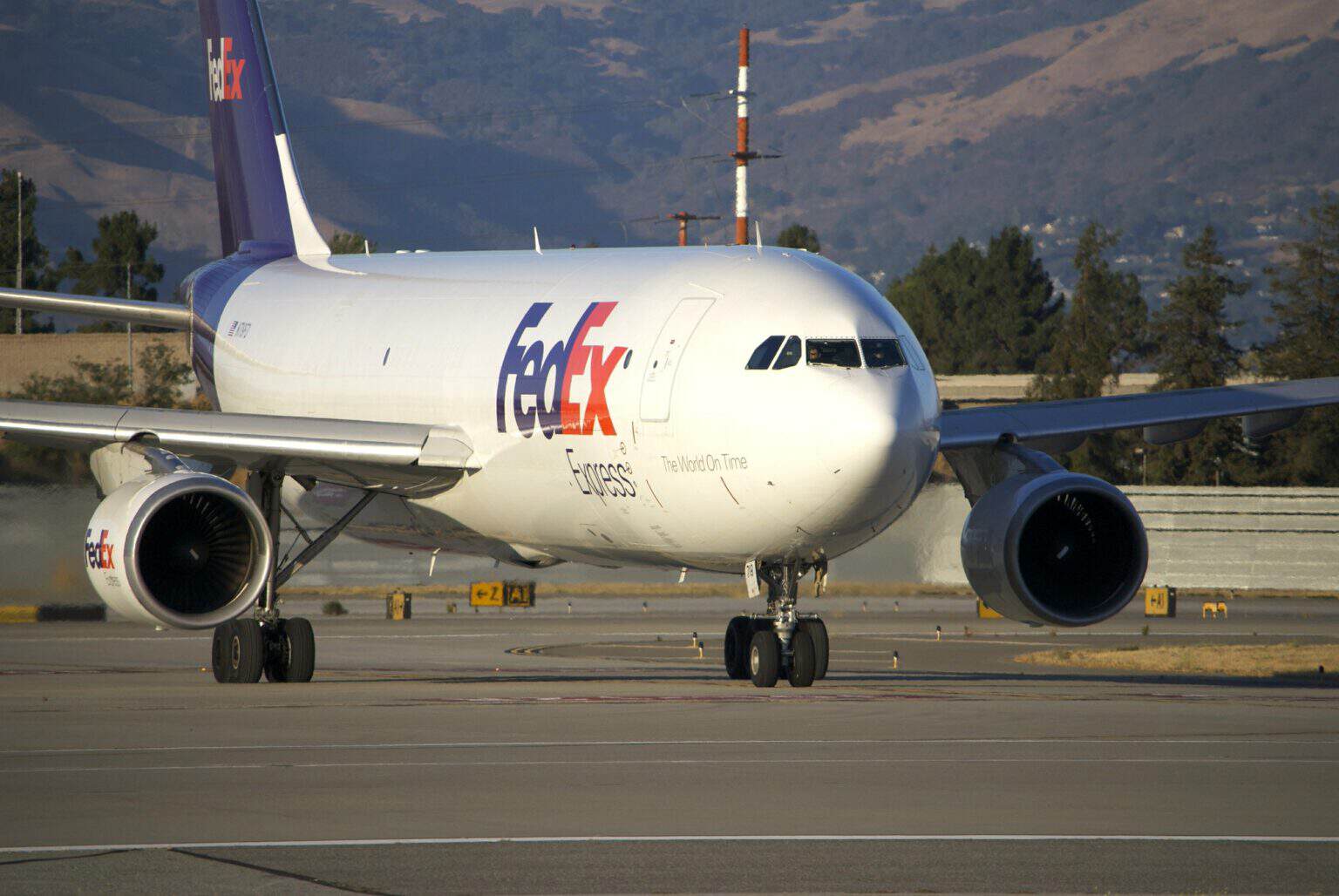
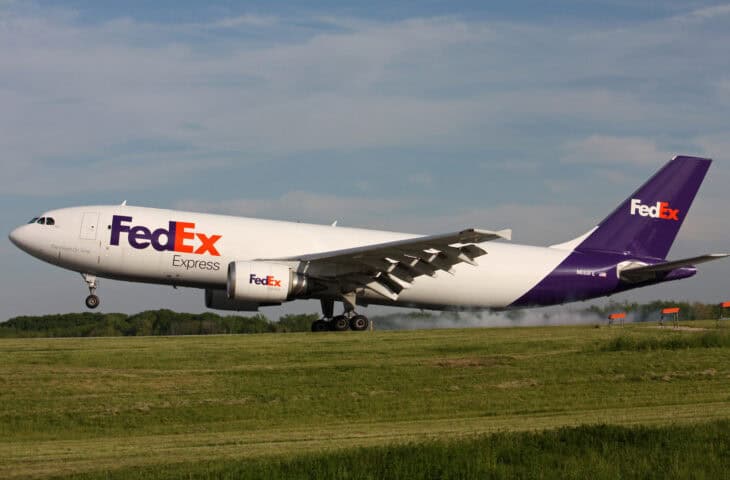
No US passenger airline flies the A300 any more. American was the last, retiring the type in August 2009, so the US fleet today is cargo equipment: FedEx and UPS both operate the A300-600F on domestic and regional networks.
The FAA put the labor at 28 work-hours per airplane, or $2,380 at its standard $85 hourly rate, and $235,620 across US operators. That total assumes one landing gear per airplane, and it excludes parts entirely.
The agency was explicit about that gap, noting it has “received no definitive data on which to base the cost estimates for the parts specified in this proposed AD.” A main landing gear assembly is not a cheap component, so the figure operators actually face is likely to be considerably higher.
Why This Took More Than a Year to Reach the US
The underlying action is not American. EASA, which the FAA describes as the technical agent for the EU member states and the state of design authority here, issued its own directive, EASA AD 2025-0170, on August 4, 2025, more than 13 months before the FAA proposed matching it.
That lag is the normal shape of a bilateral AD. The state of design finds the problem and acts, then notifies the FAA, which runs its own rulemaking and increasingly just incorporates the foreign directive by reference rather than rewriting it. It is the same agency pairing behind the recent A320 landing gear rib directive.
The two lists are not identical. EASA covers several A300 variants the FAA left out because they are not on the US type certificate data sheet, among them the A300F4-608ST, better known as the Beluga that Airbus flies its own wings and fuselages around in.
Sources and references used for research and fact-checking.
Get the Newsletter
The latest aviation news and stories sent to your inbox.
About the Author

Tim is the owner and lead editor of AeroCorner since 2019, overseeing aviation content covering aircraft, airlines, airports, and the broader aviation industry. Through years of researching, writing, editing, and publishing aviation-focused content, he has developed extensive practical knowledge of commercial aviation and air travel. Based in Asia and a frequent traveler himself, Tim also brings firsthand passenger experience to AeroCorner’s coverage. Outside of publishing, he has also explored aviation firsthand through hands-on flight training in New Zealand.