

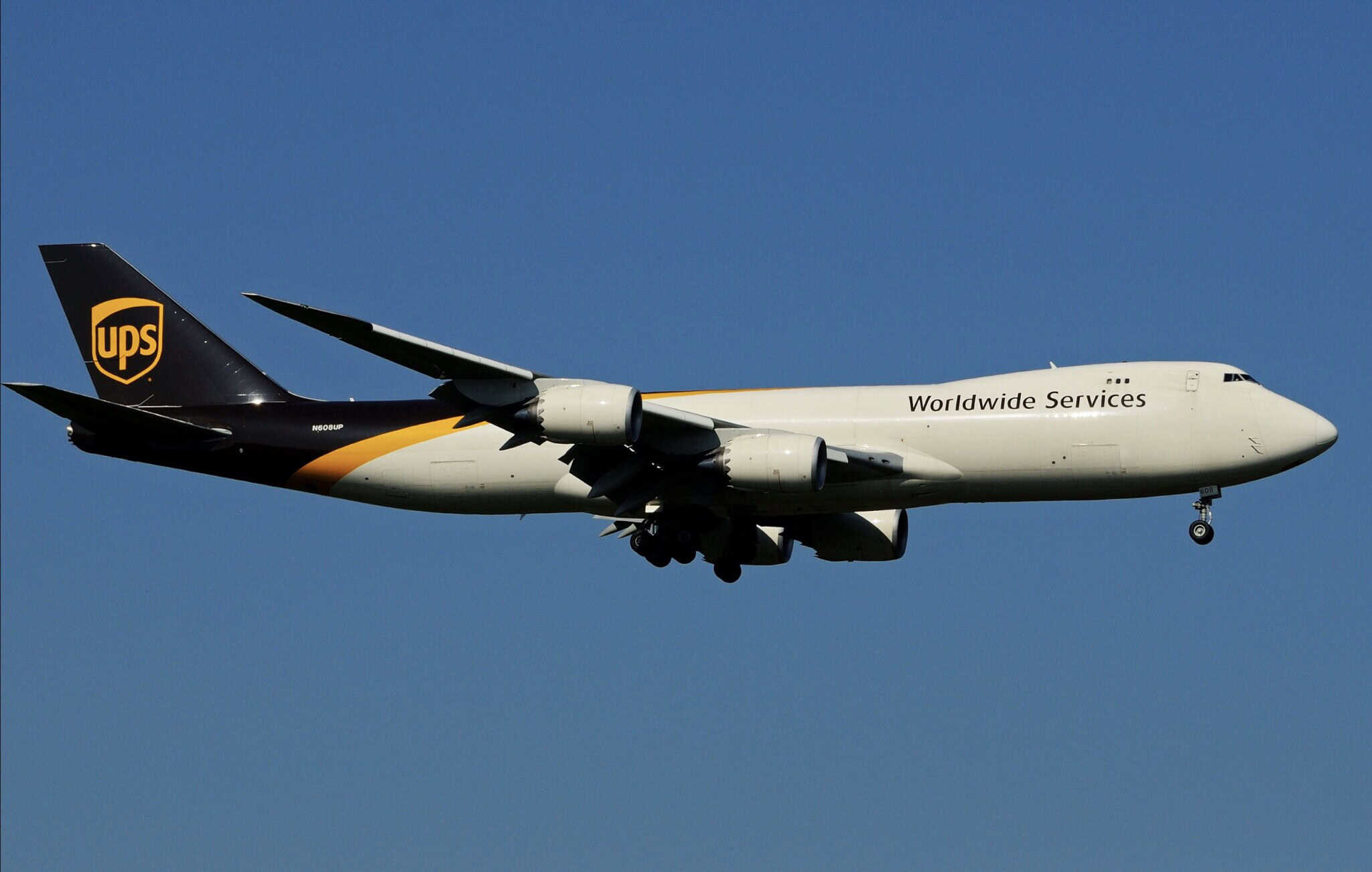
A new FAA airworthiness directive took effect August 6, 2026, requiring inspections of Boeing 747-8F freighters for cracking in the fuselage stringers. The directive, AD 2026-13474, covers 11 US-registered aircraft, and the FAA traced the root cause back to how the jets were assembled.
What is cracking, and why
The affected stringers are long structural members that run the length of the fuselage and, with the skin, carry the airplane’s bending loads. At certain splice joints, gaps left between parts during assembly were either not shimmed or shimmed too thin, exceeding what Boeing‘s engineering specifications allow.
Those oversized gaps put sustained tensile stress on the stringers and splice fittings that the design never anticipated. Over enough flight cycles, that stress produced stress-corrosion cracking, a slow, environment-assisted process that can keep advancing even when a part is not under active load.
How the problem surfaced
Cracking first turned up on an affected freighter after roughly 5,500 flight cycles and about 32,000 flight hours. Left unaddressed, the FAA said the damage could stop part of the fuselage from carrying its certified design loads.
What operators have to do
The directive requires operators to check the free flange of each affected stringer for the correct radius fillers, then inspect the stringers and splice fittings themselves for cracks at specified body stations. Any cracking found triggers an FAA-approved repair before the aircraft can fly again.
The FAA estimates the initial inspection campaign will cost up to $344,080 per aircraft. Operators then face repeat inspections roughly every 48 or 96 months, at an estimated $85 per inspection area each time, depending on what the first check finds.
It is the kind of binding, retroactive compliance step that regularly follows a type certificate, once in-service experience turns up a structural issue the original design review did not catch.
A narrow group within a bigger freighter fleet
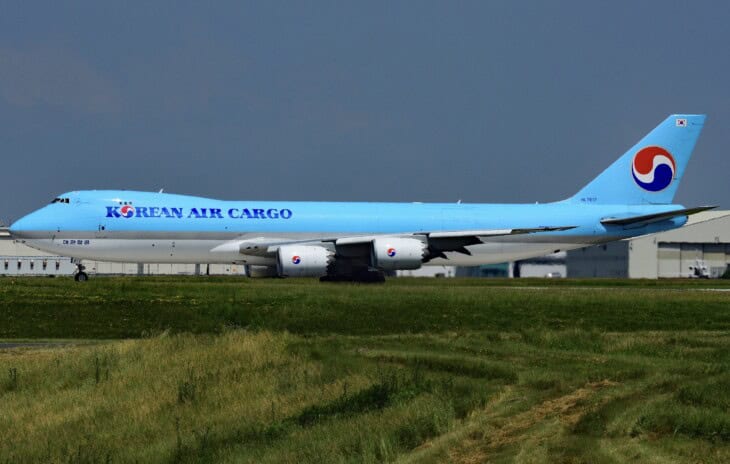
The directive applies only to 747-8F freighters built to a specific production standard, not the passenger 747-8 Intercontinental, and only 11 of the roughly 88 747-8Fs flying worldwide for carriers including UPS, Atlas Air, Cargolux, Cathay Cargo, Nippon Cargo Airlines, and Silk Way West are US-registered and covered by this order.
It is also not the first time the FAA has ordered 747-8 operators to check for shimming-related cracking. An earlier directive, effective in 2023, addressed stress-corrosion cracking found near a fuselage bulkhead on both the 747-8 and the 747-8F, a separate location tied to the same kind of assembly gap.
The FAA published its proposal for this newest directive in November 2025 before finalizing it this summer. That follows close behind a separate FAA crack directive this month on the 737 MAX, a reminder that Boeing has more than one legacy fatigue issue moving through its fleet at once.
Sources and references used for research and fact-checking.
Get the Newsletter
The latest aviation news and stories sent to your inbox.
About the Author

Tim is the owner and lead editor of AeroCorner since 2019, overseeing aviation content covering aircraft, airlines, airports, and the broader aviation industry. Through years of researching, writing, editing, and publishing aviation-focused content, he has developed extensive practical knowledge of commercial aviation and air travel. Based in Asia and a frequent traveler himself, Tim also brings firsthand passenger experience to AeroCorner’s coverage. Outside of publishing, he has also explored aviation firsthand through hands-on flight training in New Zealand.