Tilt Rotors
LTV XC-142
ICAO: XC142
Defining U.S. naval aviation with iconic carrier-based fighters

AeroCorner features profiles for 10 Vought aircraft. This includes 4 Fighter Jets, 3 Military Propellor Planes, 2 Amphibious, and 1 Tilt Rotor. Each profile includes performance data, photo galleries, dimensions, and operational history.
Vought was a major American aircraft manufacturer known for producing influential naval fighters and attack aircraft. Operating under names such as Lewis and Vought Corporation, Chance Vought, Vought-Sikorsky, LTV Aerospace, Vought Aircraft Companies, and Vought Aircraft Industries, the company played a central role in U.S. naval aviation.
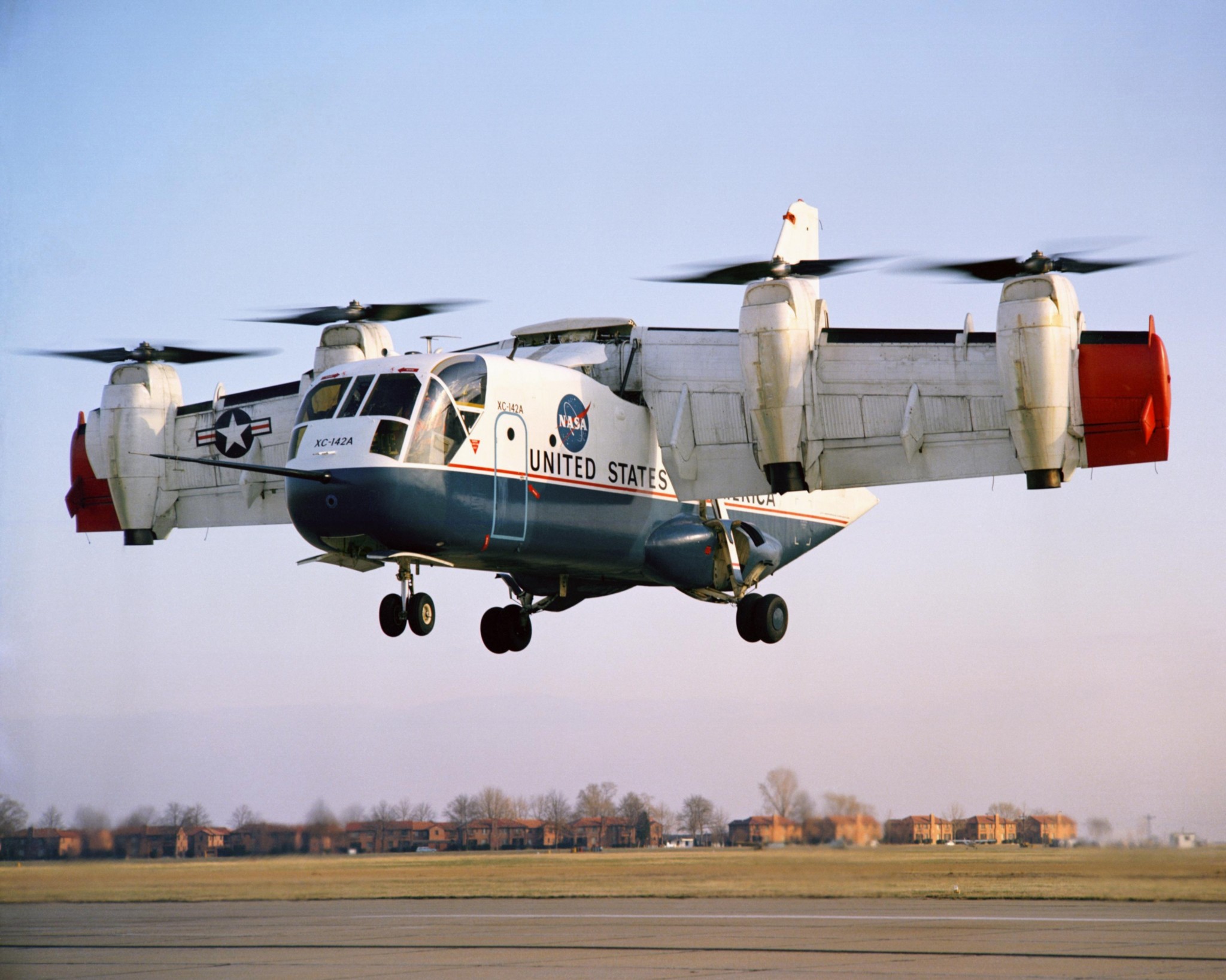
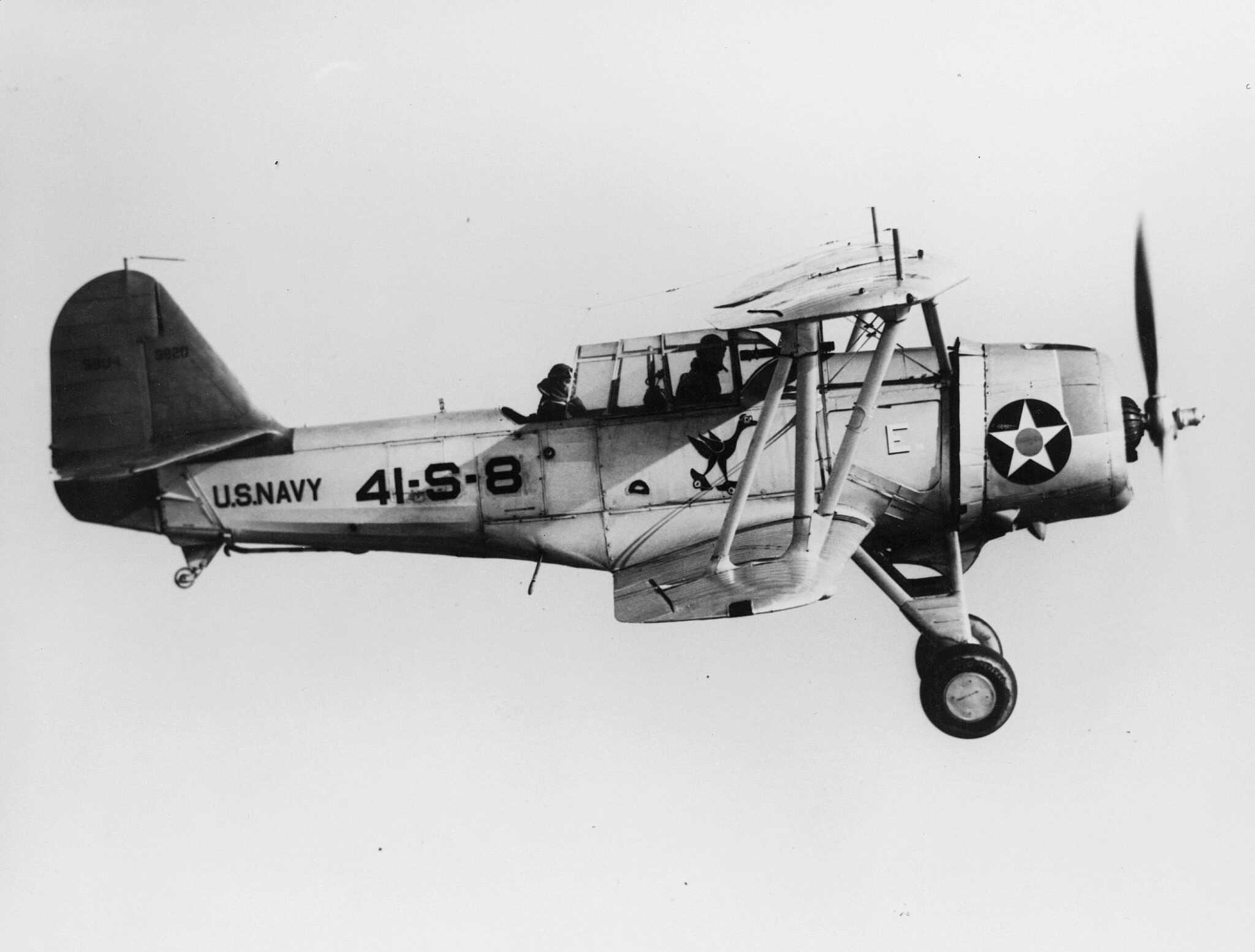
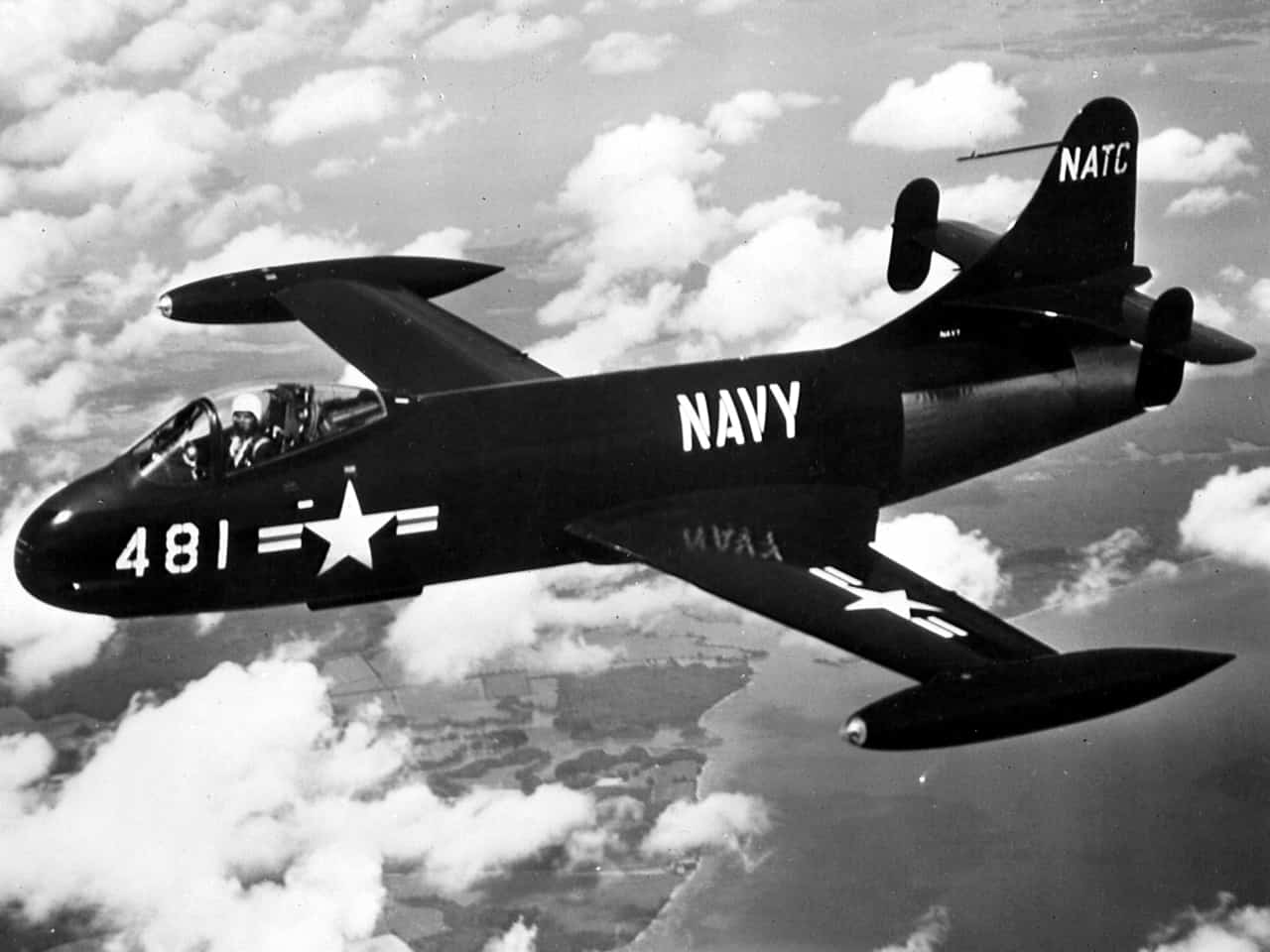
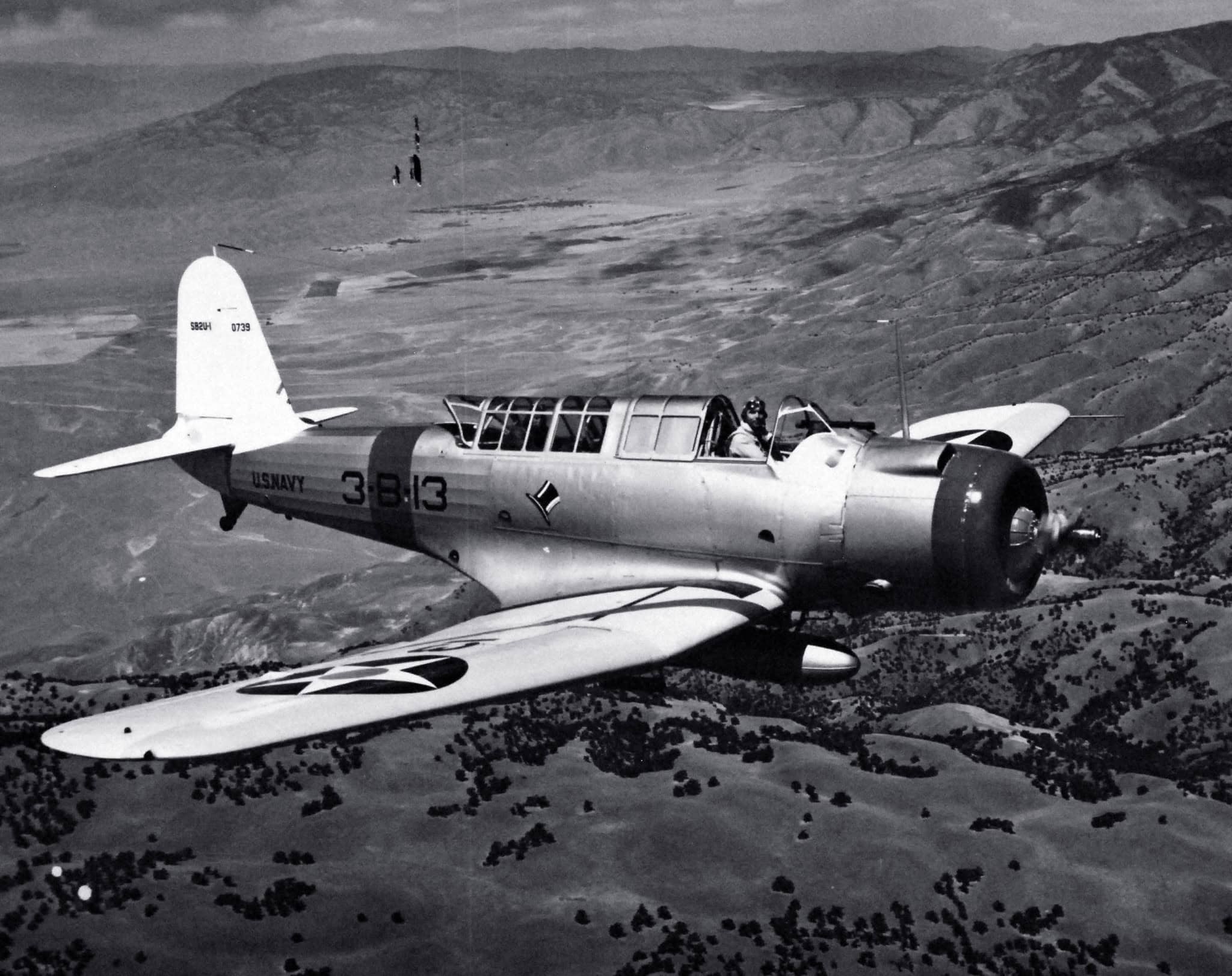


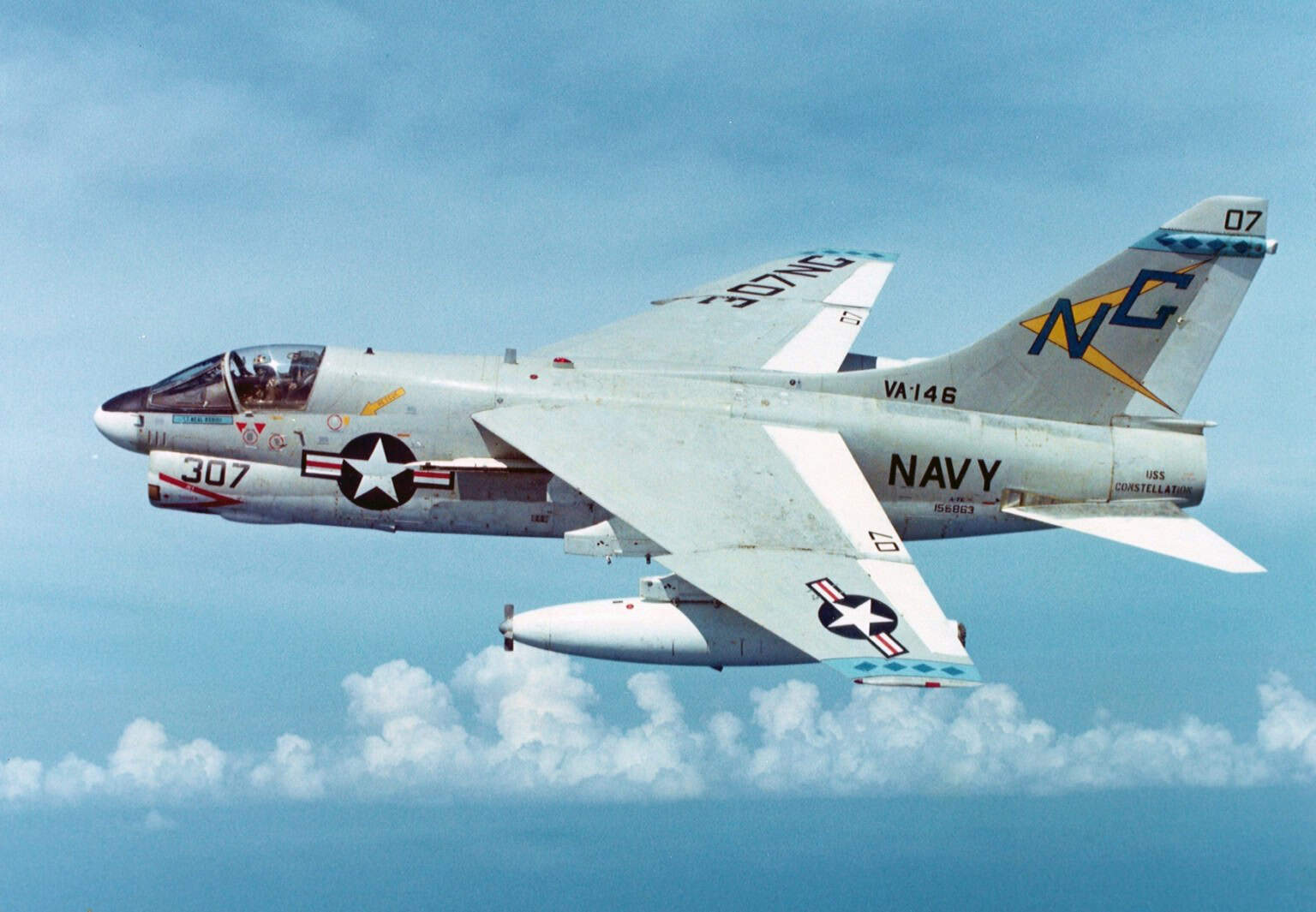
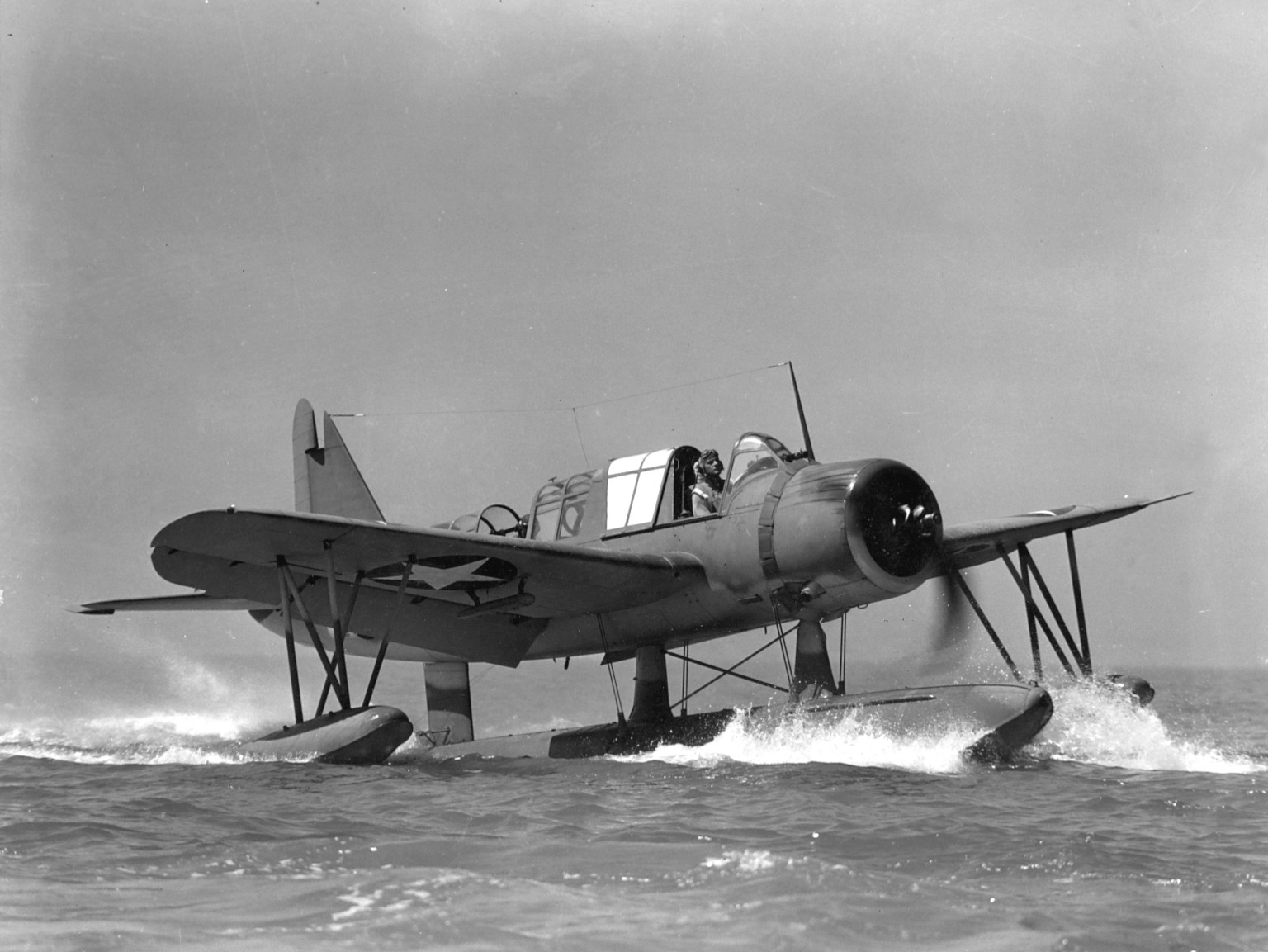
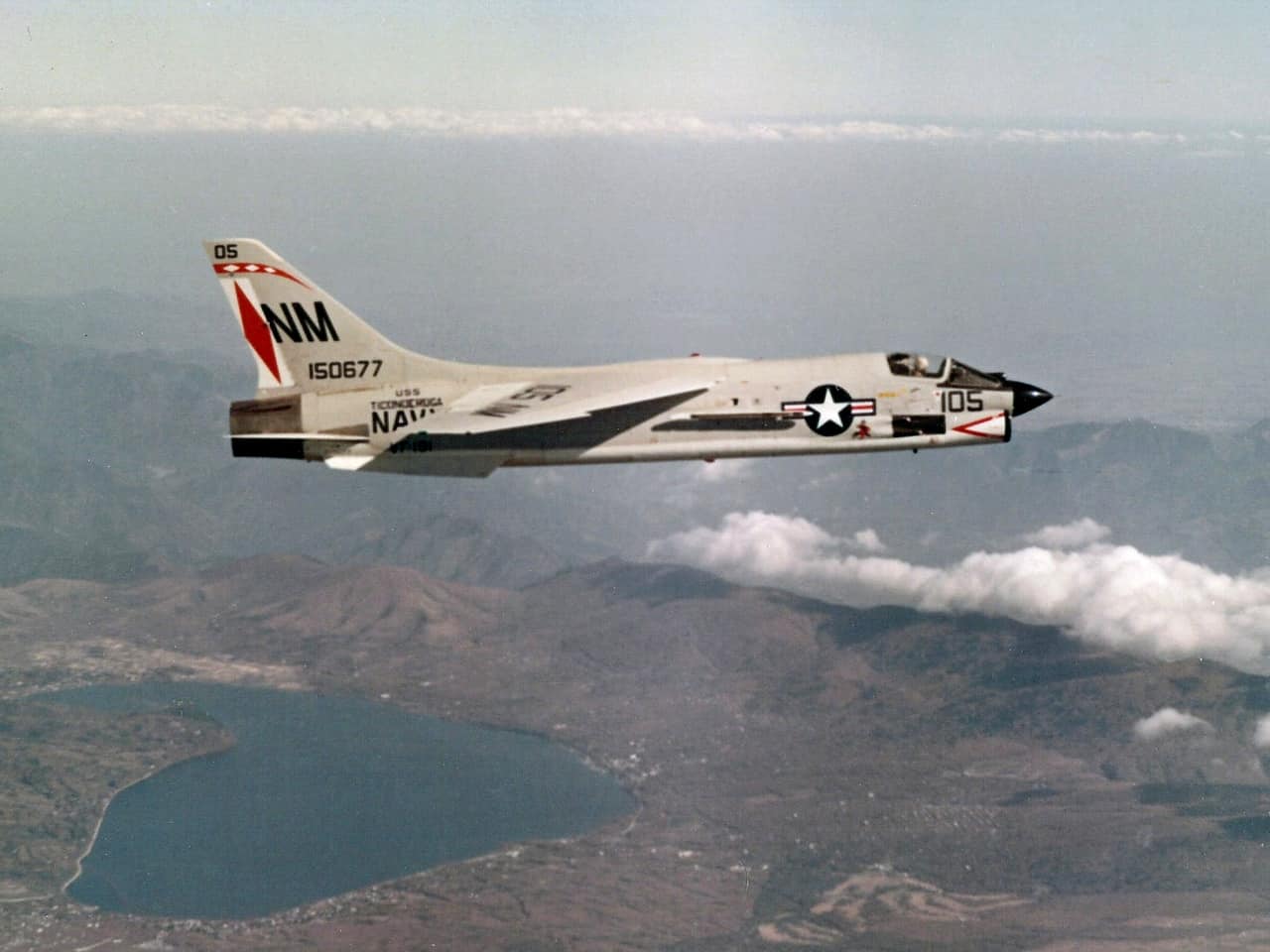


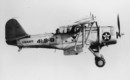
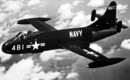
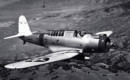
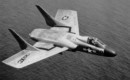
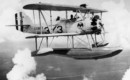
Vought was founded in 1917 by Chance M. Vought and Birdseye Lewis. Early success with Navy aircraft established the company as a key supplier. Over time, Vought passed through several organizational identities, including Chance Vought, Vought-Sikorsky, and later divisions of Ling-Temco-Vought (LTV).
Under names like LTV Aerospace, Vought Aircraft Companies, and Vought Aircraft Industries, the company continued producing major components and military aircraft. Vought ultimately became part of Triumph Group, which absorbed its manufacturing operations while preserving its legacy in naval aviation and aerospace structures.
Vought began in New York, later moving operations to Stratford, Connecticut during the Vought-Sikorsky period. The company eventually settled in Dallas, Texas, where major manufacturing continued for decades across multiple reorganizations and corporate structures.
Production took place in Stratford during the Vought-Sikorsky era and later at large facilities in Dallas and Grand Prairie, Texas. These plants built some of the U.S. Navy’s most important fighters and attack aircraft, supporting continuous naval aviation development across many decades.
Beyond complete aircraft, Vought produced missile systems, aerostructures, and advanced aerospace components. Under LTV, the company expanded into space and defense work, manufacturing systems for NASA and contributing to military missile and electronics programs.
Vought employed thousands of workers at its peak, especially during wartime production and the Cold War. Its long-term Texas facilities remained major industrial employers, supporting both aircraft assembly and large aerostructures manufacturing.
The company operated under multiple corporate identities, including Lewis and Vought, Chance Vought, Vought-Sikorsky, LTV Aerospace, Vought Aircraft Companies, and Vought Aircraft Industries. Later ownership transitions placed Vought under Northrop, Carlyle Group, and eventually Triumph Group.
Chance M. Vought was the company’s foundational figure, setting the design philosophy that shaped its early success. Later leadership under LTV and subsequent reorganizations guided Vought’s evolution into a major aerospace and defense contractor.
At peak production, especially during the Cold War, Vought represented a significant portion of LTV’s aerospace revenue. Large Navy contracts supported strong financial performance, particularly for aircraft like the F-8 Crusader and A-7 Corsair II.
In the 1930s, Vought merged with Sikorsky under United Aircraft, creating Vought-Sikorsky, which produced important early naval aircraft. This collaboration blended fixed-wing and rotary-wing expertise during a critical period of aviation growth.
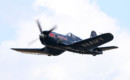
The F4U Corsair became one of World War II’s most iconic naval fighters. Its distinctive gull wings and powerful performance made it a favorite among U.S. Navy and Marine Corps pilots, earning a legendary combat record in the Pacific.
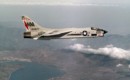
The F-8 Crusader, known as “The Last of the Gunfighters,” was a highly successful supersonic carrier fighter. Its variable-incidence wing and strong performance established Vought as a leader in Cold War naval aviation design.
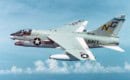
The A-7 Corsair II became a widely used attack aircraft during Vietnam and beyond. Known for precision attack capability and reliability, it served with the Navy, Air Force, and Air National Guard for decades.
Under LTV Aerospace, Vought expanded into missiles and space systems. Later transitions through Vought Aircraft Industries eventually placed the company under Triumph Group, continuing its aerostructures production into the modern aerospace era.