Amphibious
Vought O2U Corsair
ICAO: O2U
Observation floatplane in the 1940s
The latest aviation news and stories sent to your inbox.
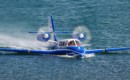
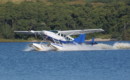
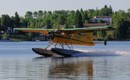
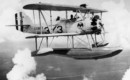
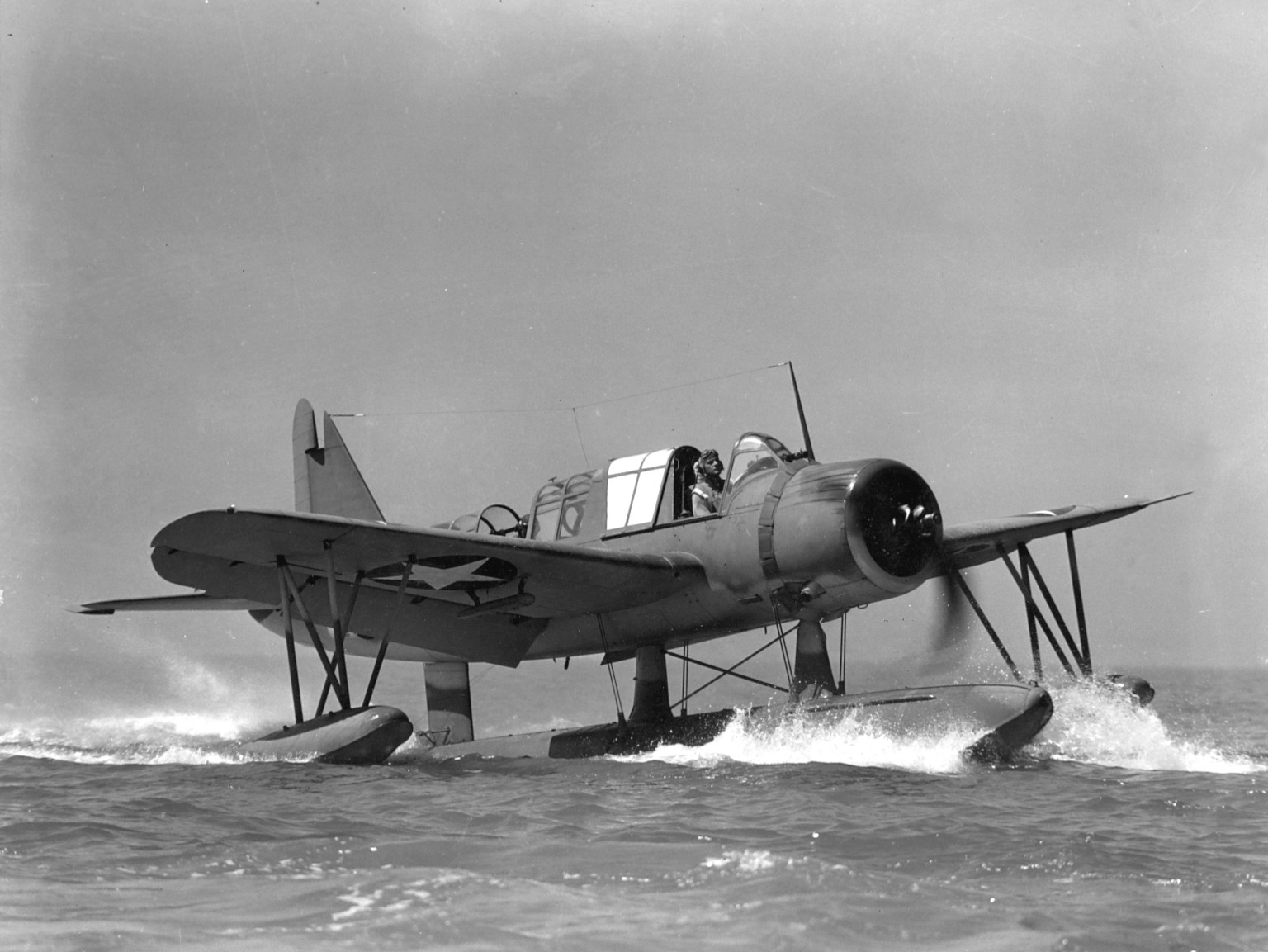
The Vought OS2U Kingfisher was manufactured by Vought as a catapult-launched observation floatplane intended for the United States Navy. It was the primary shipboard observation floatplane of the USN in the Second World War. The aircraft was also used by the Royal Navy, Royal Australian Air Force, and the Soviet Navy. It first flew in 1938 and was retired in 1959 with a total number of 1,519 aircraft built.
Live Fleet Activity (OS2U)
Fetching live data…
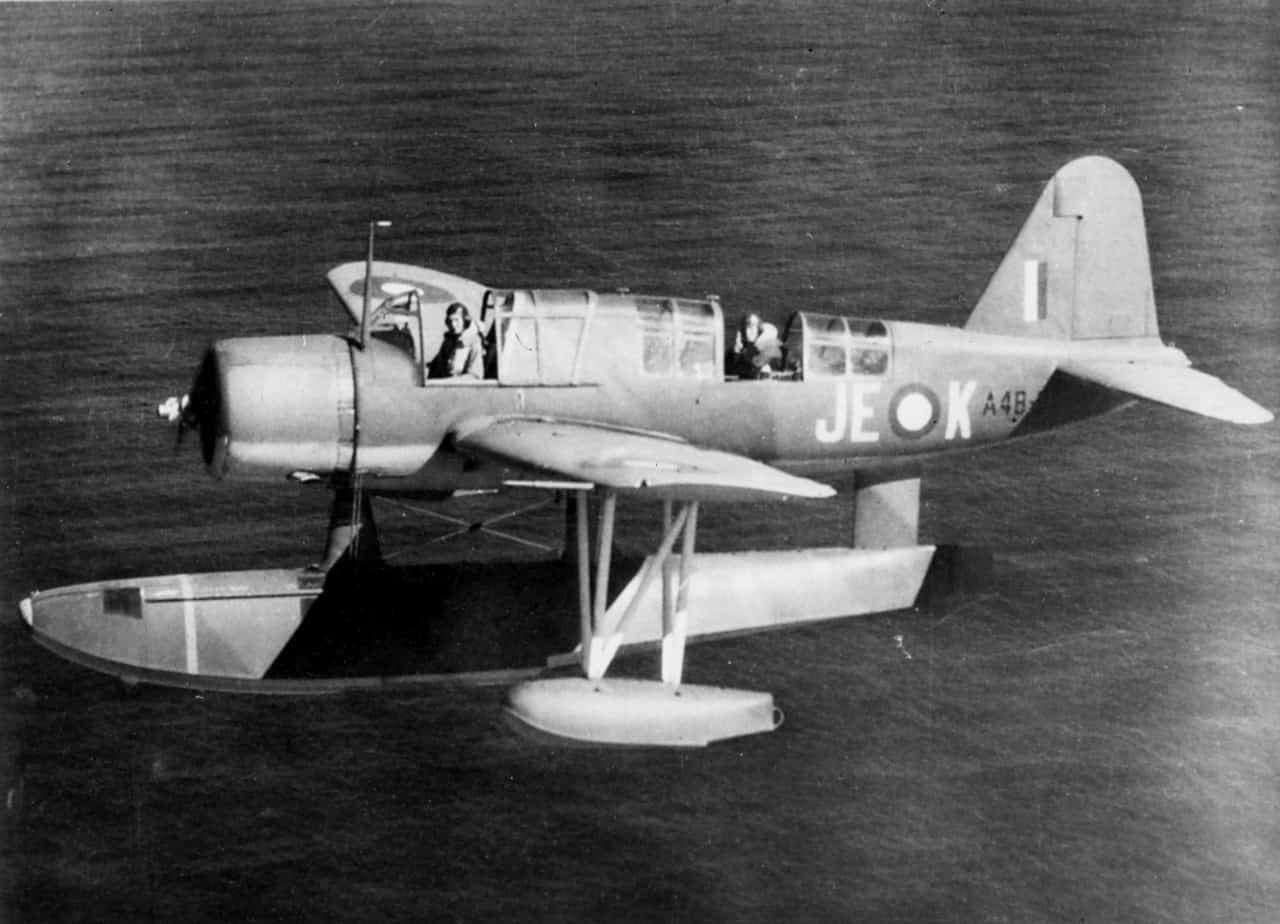
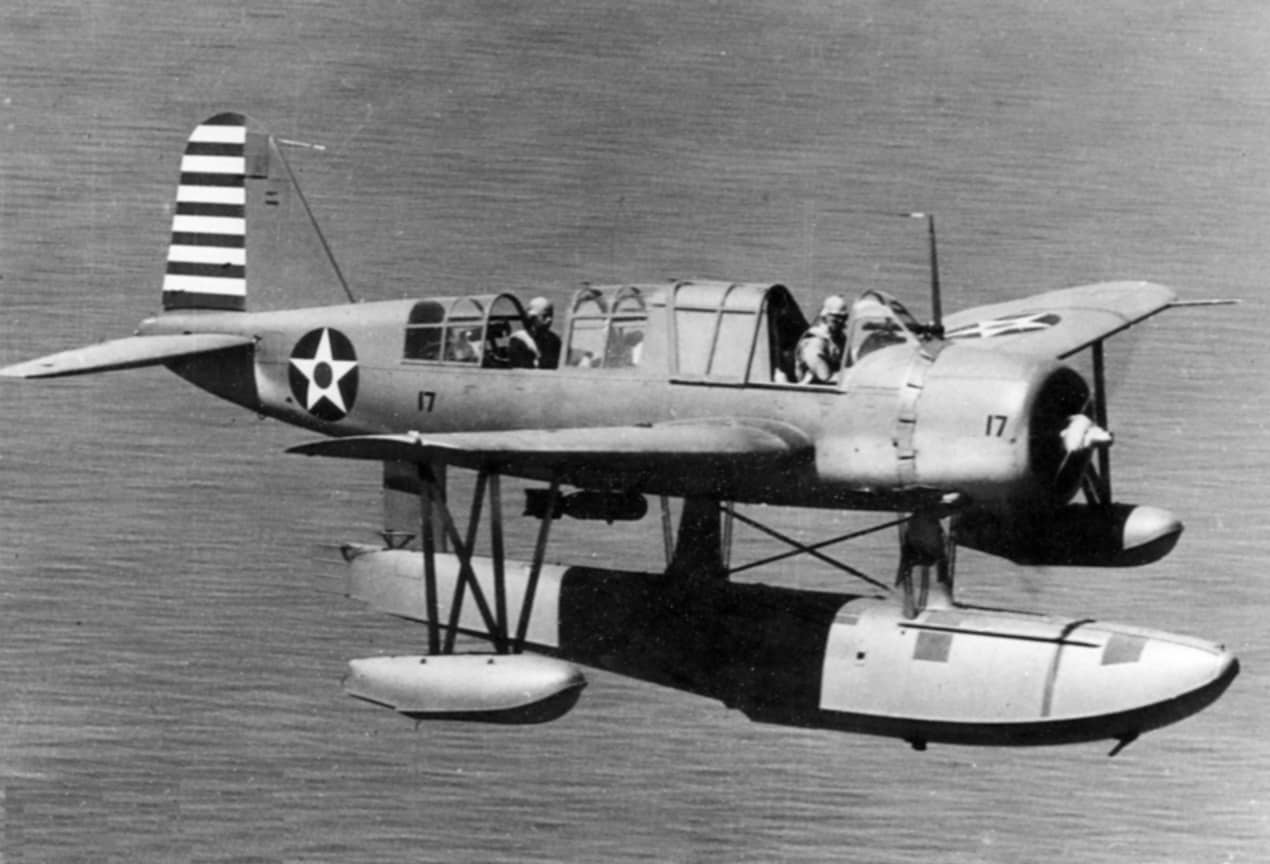


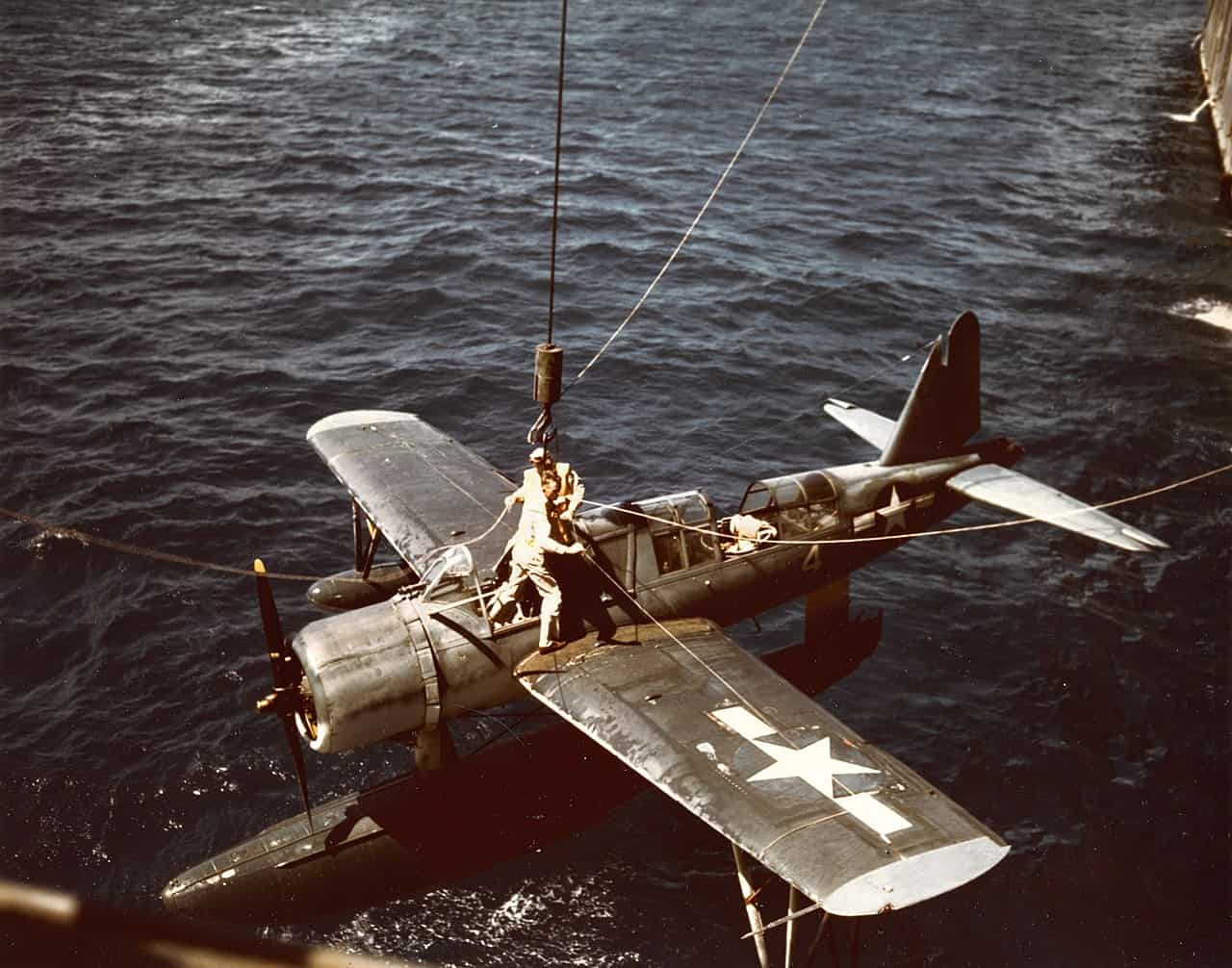
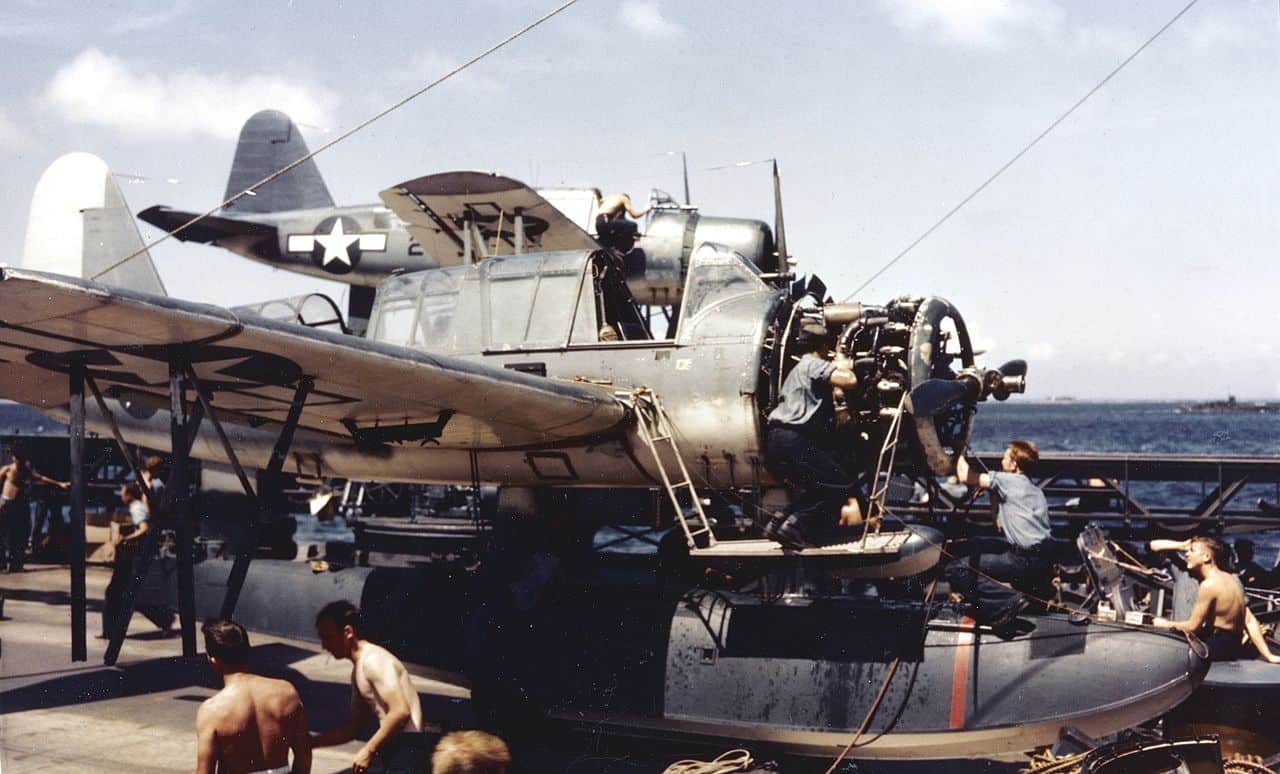


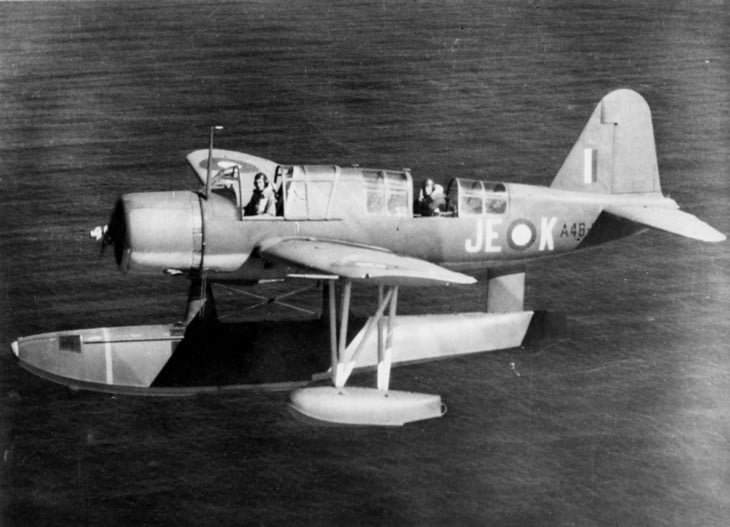
During the late 1930s, the manufacturing company Vought was assigned to build an observation monoplane aircraft intended for the United States Navy that would fit a great number of tasks which included directing battleship fire. The resulting aircraft was the OS2U Kingfisher.
The OS2U-3 version can carry two crew members. It has an exterior length of 10.24 meters, an exterior height of 3.2 meters, and a fuselage diameter of 1 meter. It has a tail height of 4.6 meters and a wheelbase of 7 meters. The wingspan is 10.94 meters and the wing area is 24.33 square meters. It has an empty weight of 1,513 kg, a gross weight of 2,259 kg, and a maximum takeoff weight of 2,722 kg. The maximum payload is 600 kg and the fuel capacity in an integral wing tank is 144 US gal.
The aircraft is fitted with a single Pratt and Whitney R-985-AN2 Wasp Junior engine. It is a nine-cylinder supercharged air-cooled radial piston engine with two pushrod-actuated overhead valves per cylinder, a single-speed gear-driven General Electric centrifugal supercharger with an impeller driven at ten times crankshaft speed, and a direct drive reduction gear. The engine produces a maximum thrust of 450 horsepower for takeoff and 400 horsepower at 5,000 feet and drives a two-bladed Hamilton Standard constant-speed propeller.
The OS2U has a maximum speed of 149 knots at 5,000 feet, a cruise speed of 132 knots with seventy-five percent power at 6,000 feet, and a landing speed of 48 knots. It has a travel range of 789 nautical miles with 75% power at 6,000 feet. The aircraft can fly up to 18,200 feet and can climb at a rate of 960 feet per minute at 4,000 feet. It is armed with a single fixed forward-firing 7.62 mm M1919 Browning medium machine gun with 500 rounds and a single 7.62 mm M1919 Browning medium machine gun with f600 rounds that were flexibly mounted for the observer. It is also loaded with 295 kg of bombs.
Sources and references used for research and fact-checking.