

Table of Contents
Warren Buffett spent years mocking executives who bought corporate jets. Then he bought one, and gave it a name that admitted the whole thing: The Indefensible.
He sold that aircraft in 1998. In its place he bought the entire company that rents jets by the fraction, which is how the Warren Buffett private jet story ends with him owning no aircraft at all and controlling more of them than anyone else on this list.
This article covers both airframes Berkshire Hathaway actually bought, what they cost, why no tail number has ever been published, the $725 million purchase that replaced them, and what Buffett flies today.
Quick facts about Warren Buffett’s private jet
Does Warren Buffett Own a Private Jet?
No. Buffett owns no aircraft personally and has not since the 1990s, and Berkshire Hathaway’s proxy statement says so in plain language every year.
The 2026 filing states that he “does not utilize corporate-owned aircraft for personal use” and that he “is personally a fractional NetJets owner, paying standard rates.” He buys hours like any other customer, from a company his own firm happens to own outright.
That is the entire arrangement. There is no Buffett airframe, no registered trust holding a Gulfstream, and no tail number to track.
Why you cannot flight-track Warren Buffett
Fractional operators rotate customers across a shared fleet, so no single airframe belongs to any one owner. Buffett wrote in 2009 that none of Berkshire’s executives are assigned special planes or crews. A flight-tracking account of the kind that follows Elon Musk or Taylor Swift is technically impossible here, because there is nothing consistent to follow.
Warren Buffett’s Private Jet Fleet
Three arrangements across forty years: one small French twinjet, one mid-size Canadian one, and then the fractional share he still holds.


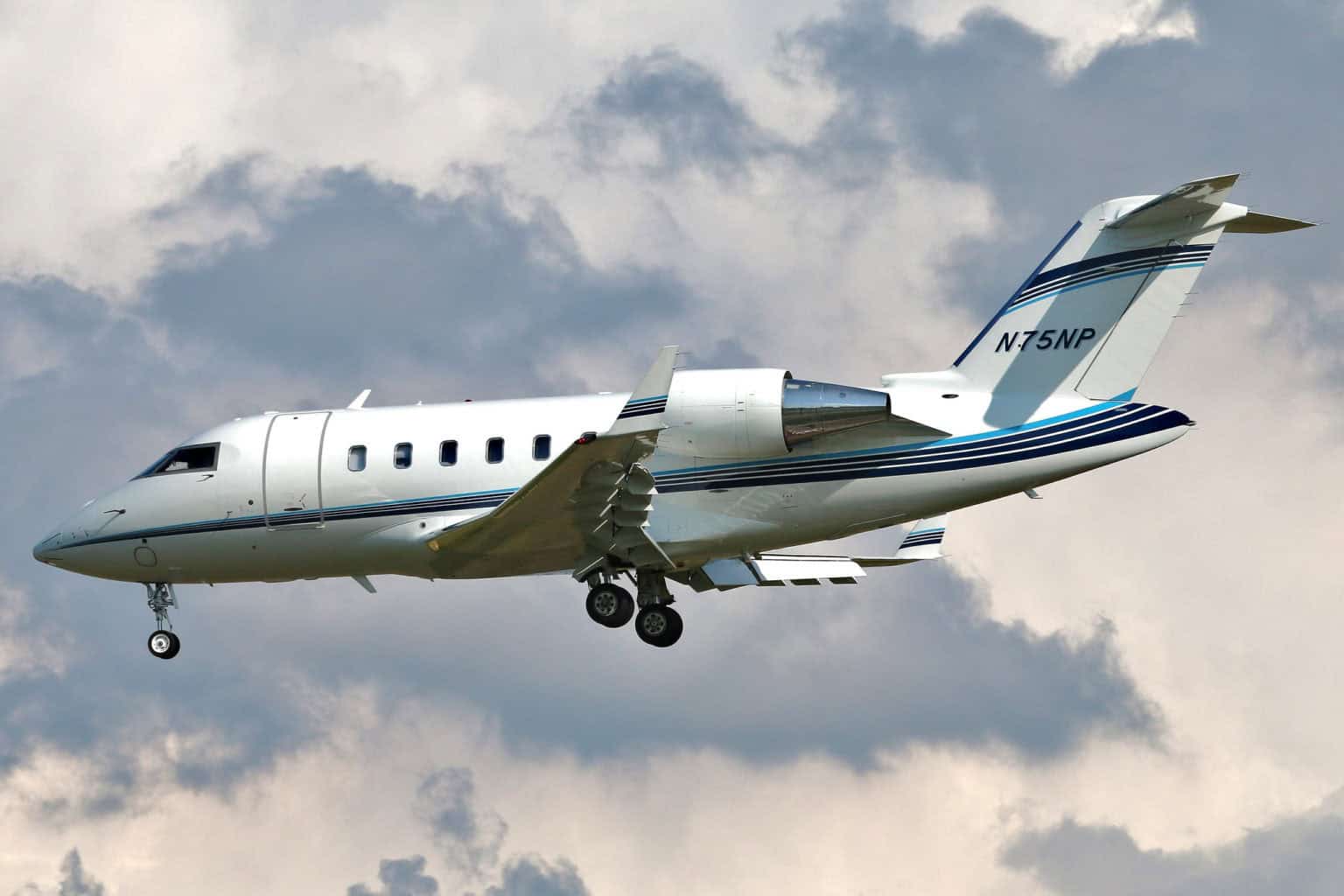

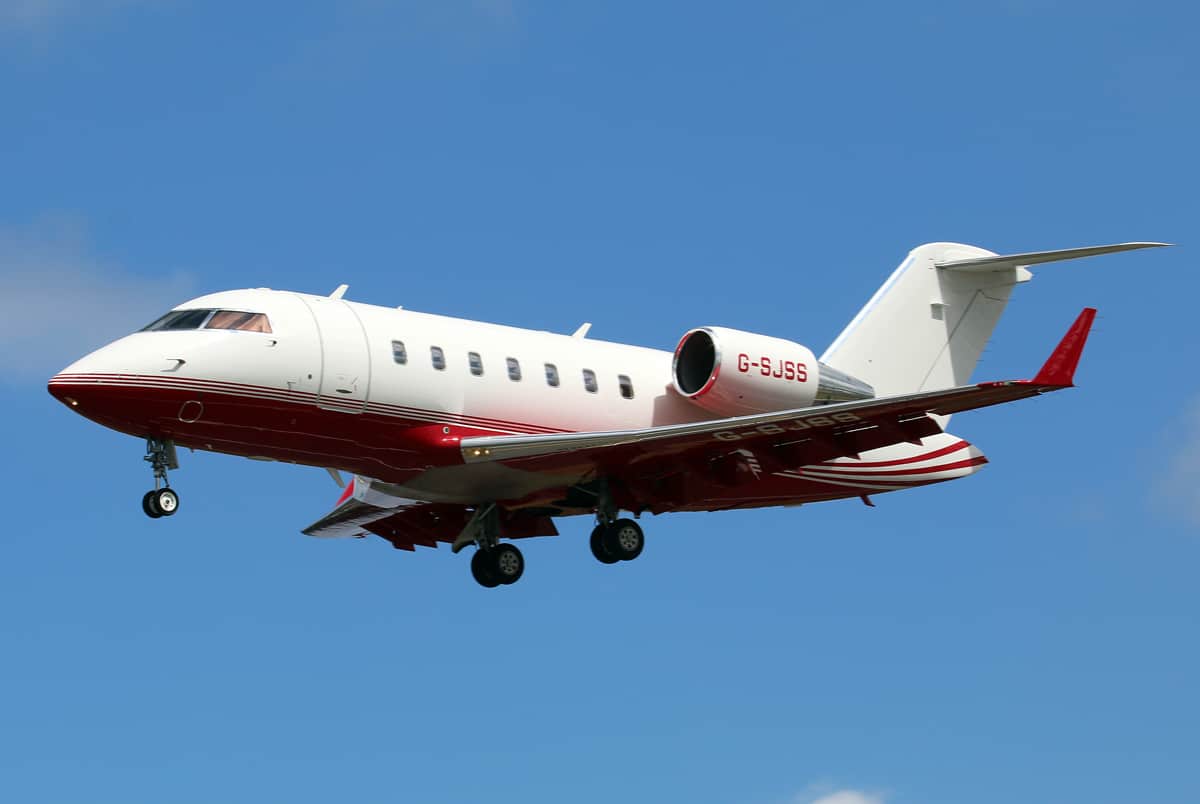
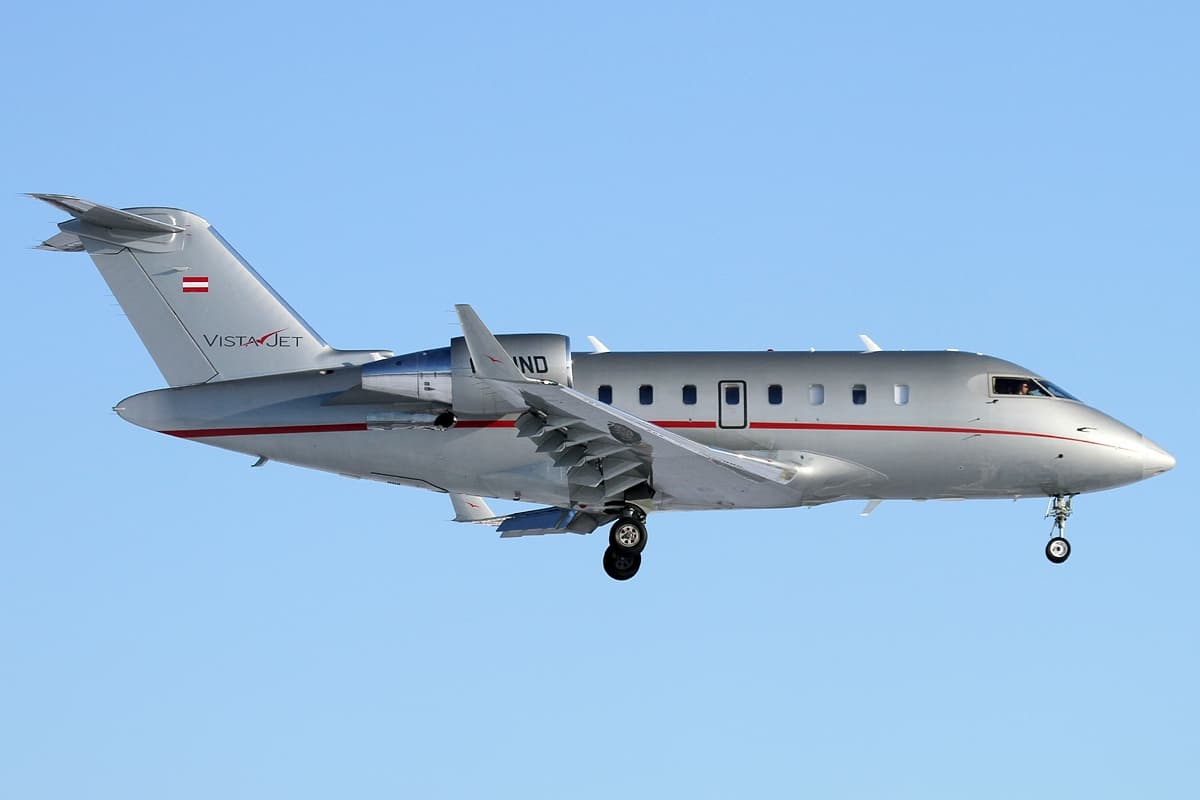
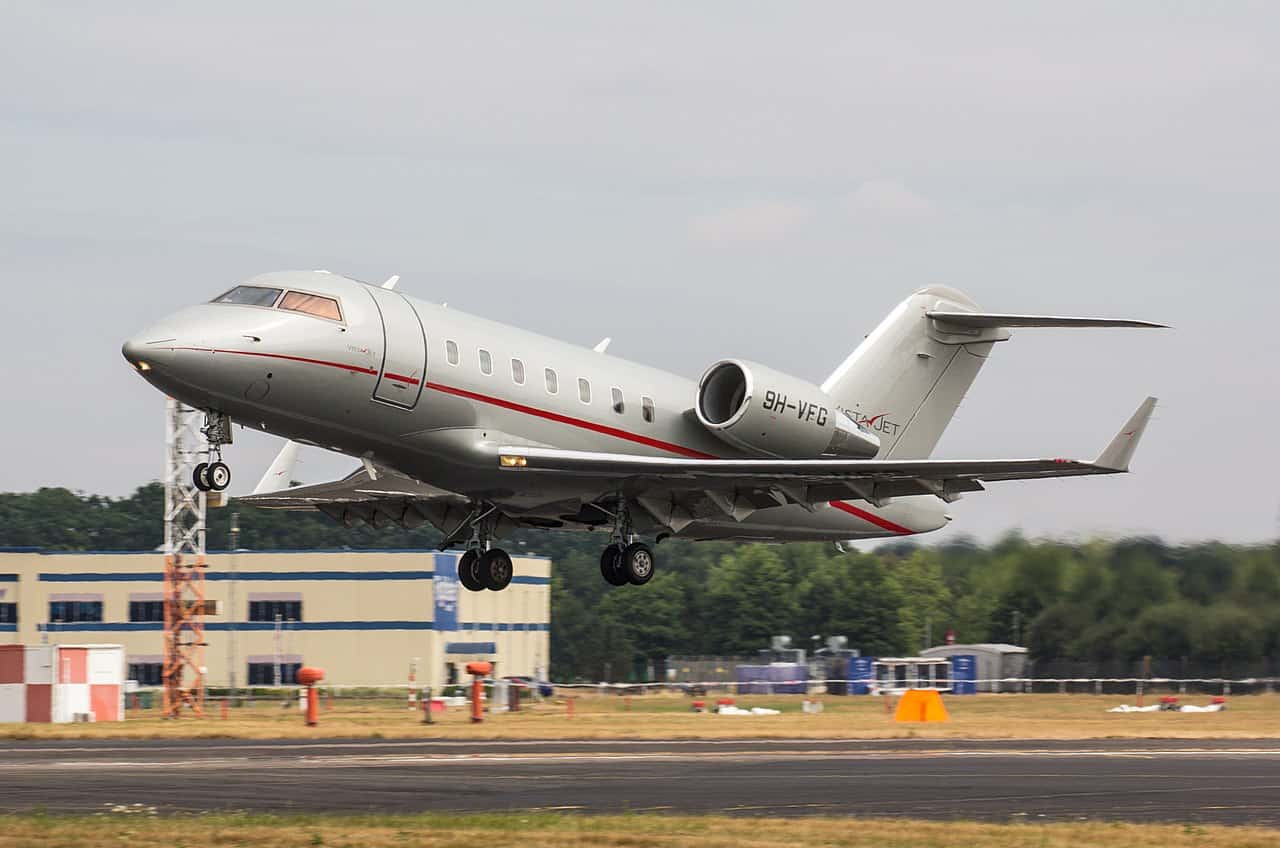
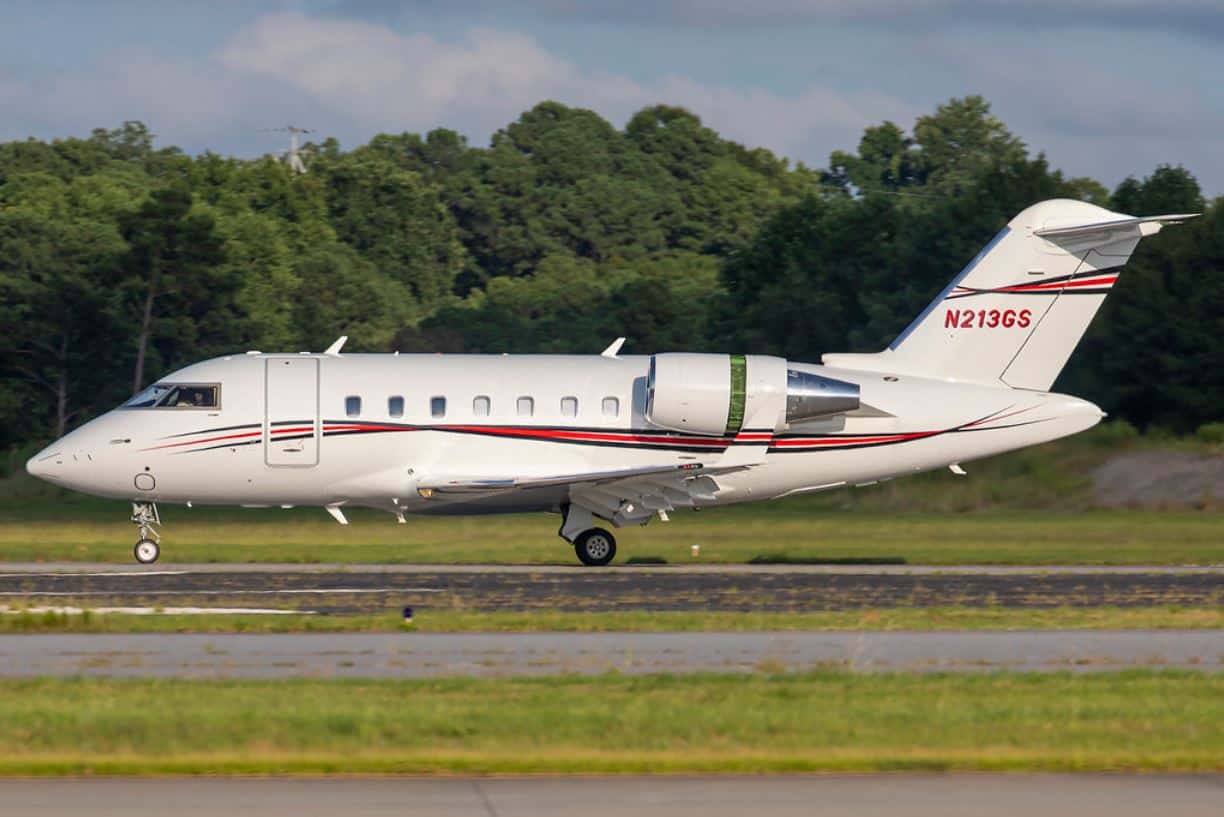


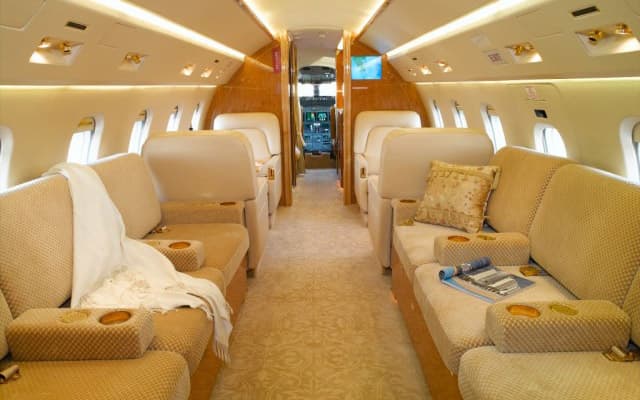
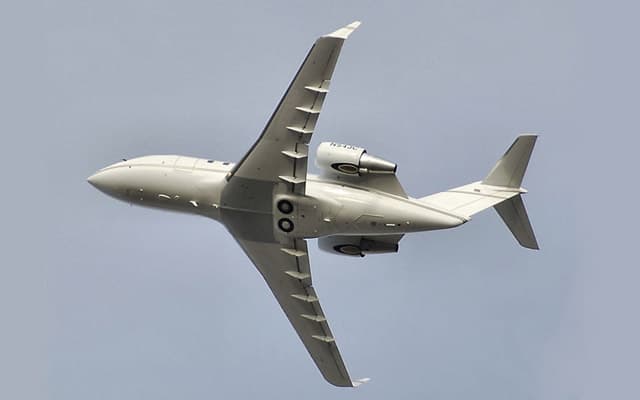

Both aircraft were bought used, which is the detail that gets lost when this story is retold. Buffett has never bought a new jet in his life.
A caveat on the aircraft types
Berkshire never published a model, a serial number, or a registration for either aircraft. Buffett’s shareholder letters name only prices. The Falcon 20 identification comes from Alice Schroeder’s biography The Snowball, and the Challenger identification comes from later reporting including Forbes. Treat both as well-sourced attributions rather than confirmed fact, and treat any article quoting a tail number with suspicion.
The Origin Story: From Indefensible to Indispensable
The whole arc is documented in Buffett’s own annual letters, which is unusual for this series. He wrote about the plane the way other people write about a bad habit.
1986
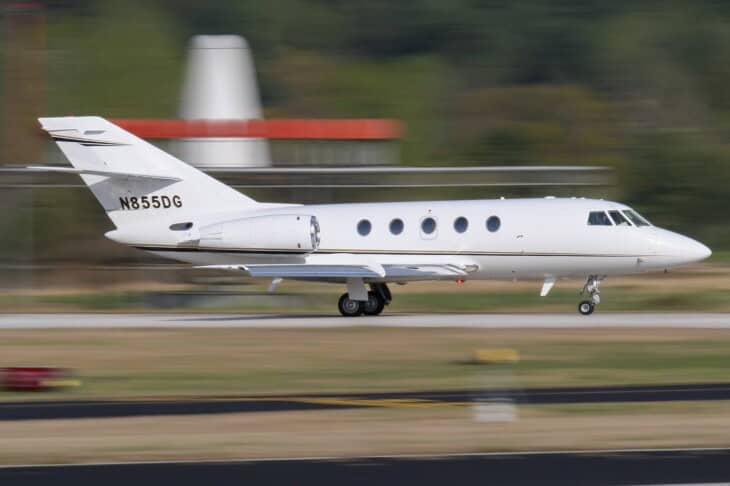
Berkshire buys its first corporate jet. The price is $850,000 for a used aircraft, reported to be a Dassault Falcon 20. Operating costs run close to $200,000 a year. Buffett buries the confession in the Miscellaneous section of his letter.
Summer 1989
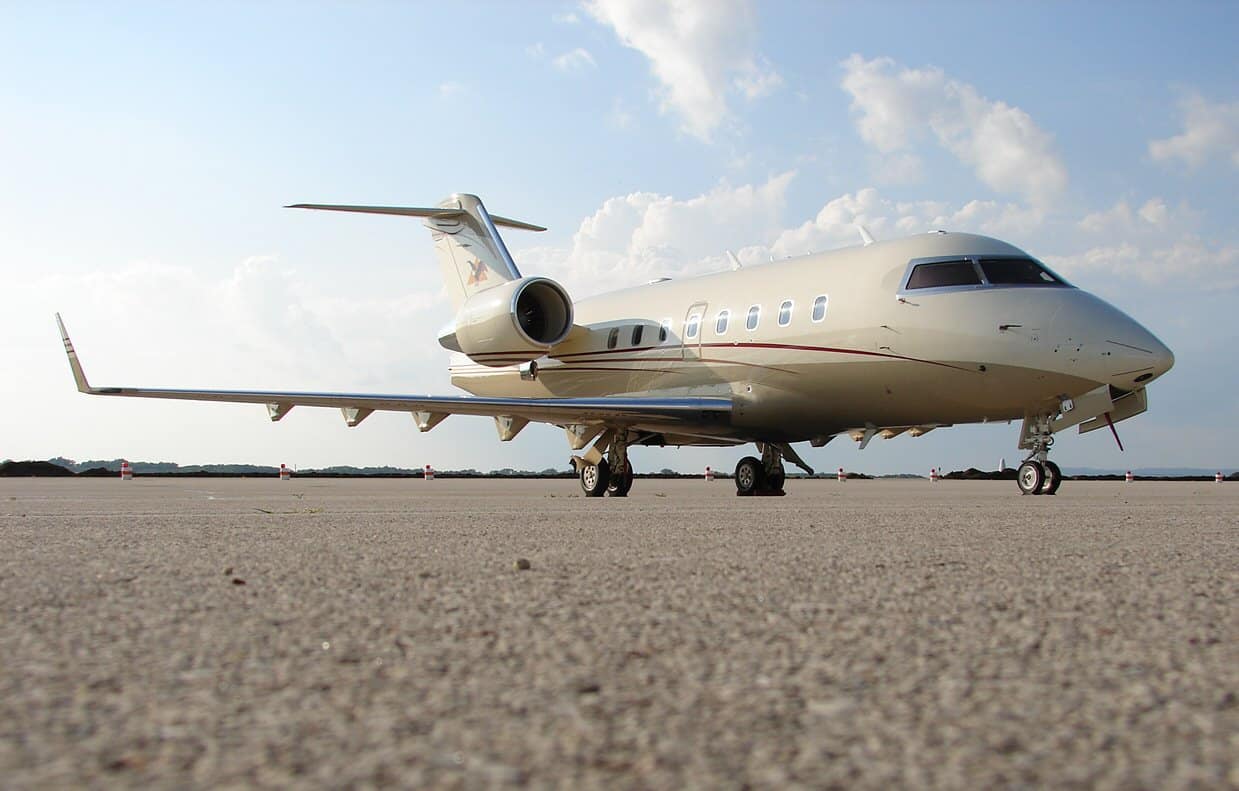
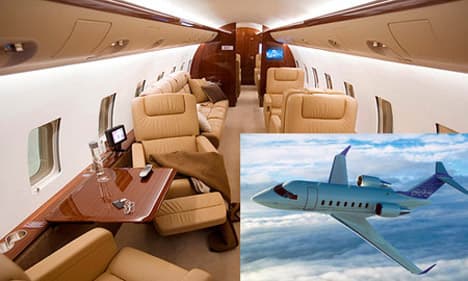
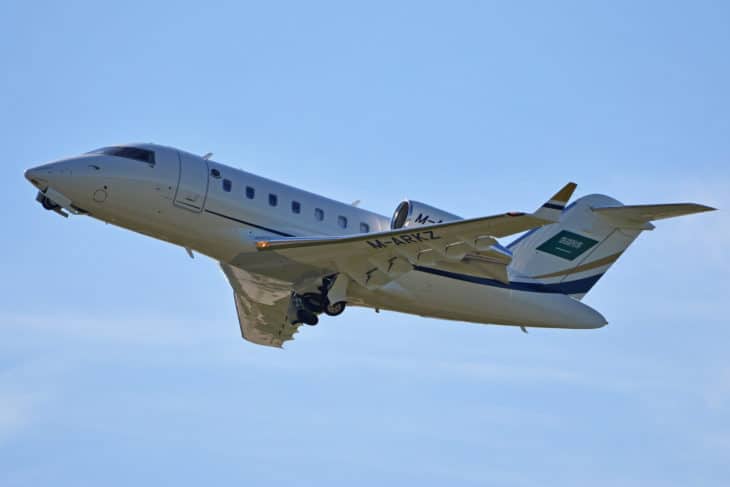
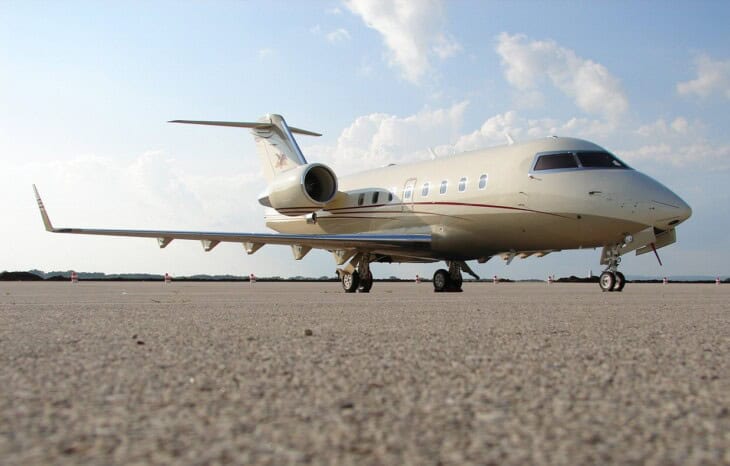
He trades up to a $6.7 million jet. The old aircraft is sold and a larger used one takes its place, generally identified as a Bombardier Challenger 600 series. It is roughly eight times the price of the first one.
1989
The naming argument. Buffett proposes calling it The Charles T. Munger. Munger counters with The Aberration. They settle on The Indefensible.
Early 1990s
The rename. After years of using it, Buffett rechristens the aircraft The Indispensable. No shareholder letter records the change, but the story has been repeated consistently in business press coverage since.
May 1998
Berkshire buys Executive Jet Aviation for $725 million. The deal is half cash and half stock, and it brings the NetJets fractional ownership program and its 163 aircraft into Berkshire.
1998
He sells the plane. Buffett tells shareholders: I have sold the Berkshire plane and will now do all of my business flying, as well as my personal flying, with NetJets crews. He has not owned an aircraft since.
2009
The purchase nearly fails. NetJets loses $711 million in a single year and its debt reaches $1.9 billion. Buffett writes that it is clear he failed shareholders by letting the business get there.
January 2026
Buffett steps back. He retires as Berkshire chief executive on January 1 and Greg Abel takes over, with Buffett staying on as chairman. The NetJets share arrangement is unchanged.
The 1989 letter is the one worth reading. Buffett compared the escalating cost of the jets to bacteria doubling in a petri dish, then calculated that at that rate Berkshire’s entire net worth would eventually be consumed by its aircraft.
Munger’s response is recorded in the same paragraph. He objected to the bacteria comparison on the grounds that it was degrading to the bacteria.
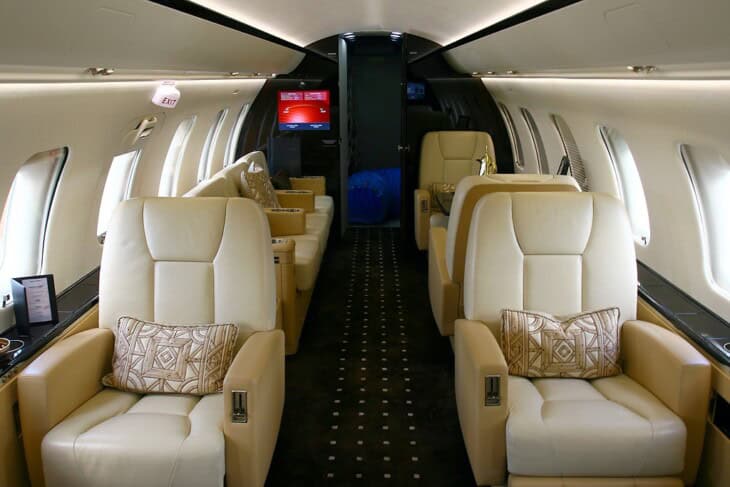
Inside The Indefensible: The Challenger 600
The Challenger 600 was Canadair’s attempt to invent the wide-cabin business jet, and it succeeded at that while failing at almost everything else commercially.
Only 81 of the original CL-600 were built between 1980 and 1982. The Lycoming ALF 502L engines were underpowered for the airframe, and Bombardier replaced them with General Electric CF34s on the follow-on Challenger 601.
That commercial disappointment is exactly why a used one was available for $6.7 million in 1989. Buffett was buying an unloved aircraft with an oversized cabin, which is a fairly Buffett thing to do.
Performance
Cabin
The airframe
Its descendants are still flying for the company Buffett later bought. The Bombardier Challenger 350 and its successors remain a core NetJets type, three engine generations on from The Indefensible.
The First Jet: A Used Falcon 20 and a $200,000 Habit
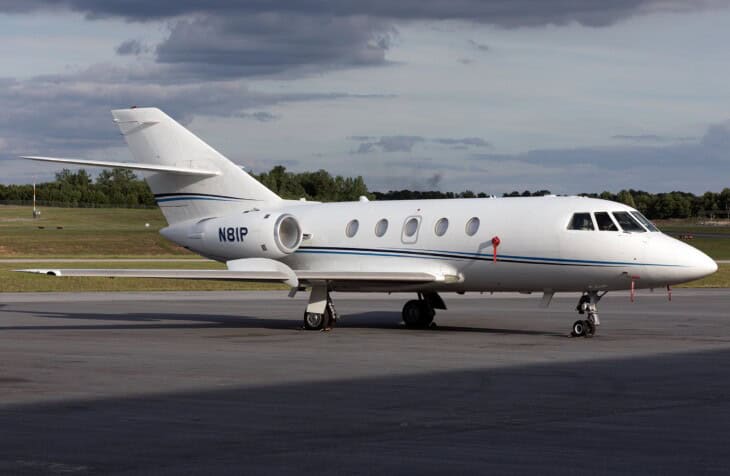
The 1986 aircraft was a much smaller machine. The Falcon 20 was Dassault’s original business jet, first flown in 1963, and 512 were built across a 26-year production run.
It carries 8 to 14 passengers on 1,810 nautical miles of range at up to 465 knots. Omaha to Los Angeles is comfortably inside that; Omaha to London is not.
Buffett’s confession in the 1986 letter is the most quotable thing in this entire story. He wrote that corporate jets are “very expensive and a luxury in situations like ours where little travel to out-of-the-way places is required.”
How convenient it is to be a reasonable creature, since it enables one to find or make a reason for everything one has a mind to do.
Benjamin Franklin, quoted by Warren Buffett in the 1986 Berkshire Hathaway letter
Performance
Cabin
The cost
The $725 Million U-Turn: Buying NetJets
In May 1998 Berkshire bought Executive Jet Aviation, the company that had invented fractional aircraft ownership in 1986 under Rich Santulli. The price was $725 million, paid in equal parts cash and stock.
Buffett had been a customer first. He bought a quarter share for his family in 1995, flew it for three years, then bought the company.
Then he sold The Indefensible. The man who had spent a decade apologising for owning one jet now had access to 163 of them and no maintenance bill.
The deal that nearly did not work
By 2009 NetJets had recorded an aggregate pre-tax loss of $157 million across eleven years of Berkshire ownership, and its debt had climbed from $102 million at purchase to $1.9 billion. A single year loss of $711 million followed. Buffett wrote to shareholders that it was clear he had failed them by letting the business descend into that condition, and that without Berkshire’s guarantee of the debt, NetJets would have been out of business.
David Sokol took over as chief executive in August 2009 and cut the debt to $1.4 billion within months. The business has been profitable since, and it is now comfortably the largest private jet operator in the world.
NetJets and NetJets Europe flew 845 aircraft as of March 2026, with more than 1,100 counting the Executive Jet Management division. Around 100 new jets are due for delivery during 2026.
| Manufacturer | Aircraft in fleet | Best-represented type |
|---|---|---|
| Textron Aviation (Cessna) | 424 | Citation Latitude, 259 |
| Bombardier | 239 | Challenger and Global families |
| Embraer | 175 | Phenom 300, 162 |
The types Buffett can call up today span the whole market. The light Embraer Phenom 300 and mid-size Cessna Citation Latitude do the short domestic work, while the Bombardier Global 7500 handles the intercontinental end.
Newer types keep arriving. NetJets began taking the Embraer Praetor 500 in 2025 under an order for up to 250 aircraft, and signed a separate agreement with Textron in 2023 for up to 1,500 Citations over fifteen years.
The Contradiction: Buffett’s Jet Problem
Buffett has never pretended the jet was defensible. That is what makes his position different from most of the billionaires in this series, and also what makes it harder to attack.
He named the aircraft after the criticism rather than deflecting it. He filed the purchase in the Miscellaneous section, quoted Benjamin Franklin on self-justification, and cited a prayer attributed to Saint Augustine: help me become chaste, but not yet.
There is still a gap between the confession and the outcome. Berkshire now owns the world’s largest fractional jet operator, and expanding it has been an explicit growth priority for more than a decade.
Why no emissions figure exists for him
Every other article in this series can cite a tonnage. Taylor Swift, Elon Musk, and Kylie Jenner all have public flight-tracking records because they fly consistent, registered airframes.
Buffett has none. His flights are scattered across a shared fleet, mixed in with thousands of other owners’ legs, and there is no registration that reliably maps back to him.
Anyone publishing a Buffett carbon figure is estimating from assumptions, not from data. We have not printed one here for that reason.
The labour dispute he owns
NetJets has spent recent years in open conflict with NJASAP, the union representing its pilots. In August 2024 the company terminated two senior union officials, captains with 23 and 18 years of service, which the union called retaliatory.
NetJets had separately sued the union for defamation earlier that year over safety and training allegations. The dispute is the most substantive criticism attached to Buffett’s aviation holdings, and it has nothing to do with carbon.
Warren Buffett’s Most Famous Private Jet Moments
The naming argument with Charlie Munger
Buffett’s first suggestion was to name the jet The Charles T. Munger, which would have permanently attached his partner’s name to the expense. Munger countered with The Aberration.
They compromised on The Indefensible. In the same passage Buffett noted that Munger’s idea of travelling in style was an air-conditioned bus, and only when bargain fares were running.
The bacteria math
Having gone from $850,000 to $6.7 million in three years, Buffett extended the trend and warned shareholders that Berkshire’s whole net worth would eventually be swallowed by aircraft replacement costs.
It was a joke about compounding aimed at himself, from the man who built a fortune on compounding.
“I have sold the Berkshire plane”
The 1998 letter contains the cleanest sentence in the whole saga. He announced he had sold the aircraft and would do all of his business and personal flying with NetJets crews from then on.
Twenty-eight years later that is still true.
“We eat our own cooking”
In the 2009 letter Buffett explained that he, his family, and many Berkshire directors use NetJets for almost all of their flying, with no special aircraft or crews assigned and no discount on the rate.
His closing line: in the aviation business, no other testimonial means more.
The annual meeting ramp
Berkshire’s shareholder meeting weekend in Omaha has long included a NetJets display at Elliott Aviation on the east side of the airport, pitched at shareholders Buffett described as big spenders or, failing that, gawkers.
The weekend itself is now one of the busiest of the NetJets year. In 2026, overlapping with the Kentucky Derby and the Miami Grand Prix, the operator expected to run more than 700 flights across three days.
How Buffett Compares to Other Billionaire Jet Owners
Among the ultra-wealthy in this series, Buffett is the outlier twice over: he owns no airframe, and he is the only one whose company sells flight hours to everybody else.
| Billionaire | Primary aircraft | Ownership model |
|---|---|---|
| Warren Buffett | Whatever NetJets sends | Fractional share, no aircraft owned |
| Elon Musk | Gulfstream G650ER | Owned through a holding entity |
| Jeff Bezos | Two Gulfstream G650ERs | Owned outright |
| Bill Gates | Bombardier and Gulfstream fleet | Owned via Cascade Investment |
| Mark Zuckerberg | Gulfstream G650 | Owned, security travel funded by Meta |
| Larry Ellison | Gulfstream plus ex-military types | Owned outright |
Elon Musk’s fleet and Jeff Bezos’s pair of G650ERs both carry registrations that anyone can look up and follow. So does Mark Zuckerberg’s G650.
Bill Gates faces the sharpest version of the climate-advocate criticism, and Larry Ellison has run the most eccentric collection, ex-military jets included.
Buffett sits outside all of it. If you want to understand how his arrangement actually works, the mechanics are the same ones behind on-demand air charter, just prepaid and structured as an asset share.
The short version
Warren Buffett has owned exactly two aircraft, both used, both through Berkshire Hathaway, and neither since 1998. He replaced them with a fractional NetJets contract he pays standard rates for, and with 100 percent of NetJets itself. The most self-critical jet buyer in this series ended up controlling the largest private jet fleet on earth.
FAQ
Sources and references used for research and fact-checking.
- Berkshire Hathaway, Chairman's Letter - 1986
- Berkshire Hathaway, Chairman's Letter - 1989
- Berkshire Hathaway, Chairman's Letter - 1998
- Berkshire Hathaway, Chairman's Letter - 2009
- Berkshire Hathaway, 2026 Proxy Statement
- Forbes, Why Warren Buffett Owns A Private Jet
- Boss Hunting, Warren Buffett Named His First Private Jet 'The Indefensible'
- Private Jet Card Comparisons, NetJets has increased fleet size by net 19 private jets so far in 2026
- Private Jet Card Comparisons, Berkshire Hathaway execs see no let-up in demand at NetJets
- NJASAP via PR Newswire, Pilot Union views NetJets' decision to terminate high-ranking Union officials as escalation of continuing feud
Get the Newsletter
The latest aviation news and stories sent to your inbox.
About the Author

Tim is the owner and lead editor of AeroCorner since 2019, overseeing aviation content covering aircraft, airlines, airports, and the broader aviation industry. Through years of researching, writing, editing, and publishing aviation-focused content, he has developed extensive practical knowledge of commercial aviation and air travel. Based in Asia and a frequent traveler himself, Tim also brings firsthand passenger experience to AeroCorner’s coverage. Outside of publishing, he has also explored aviation firsthand through hands-on flight training in New Zealand.