

Table of Contents
The airlines with the oldest fleets in the US are the ones with the most planes, and the reason is who owns the jets.
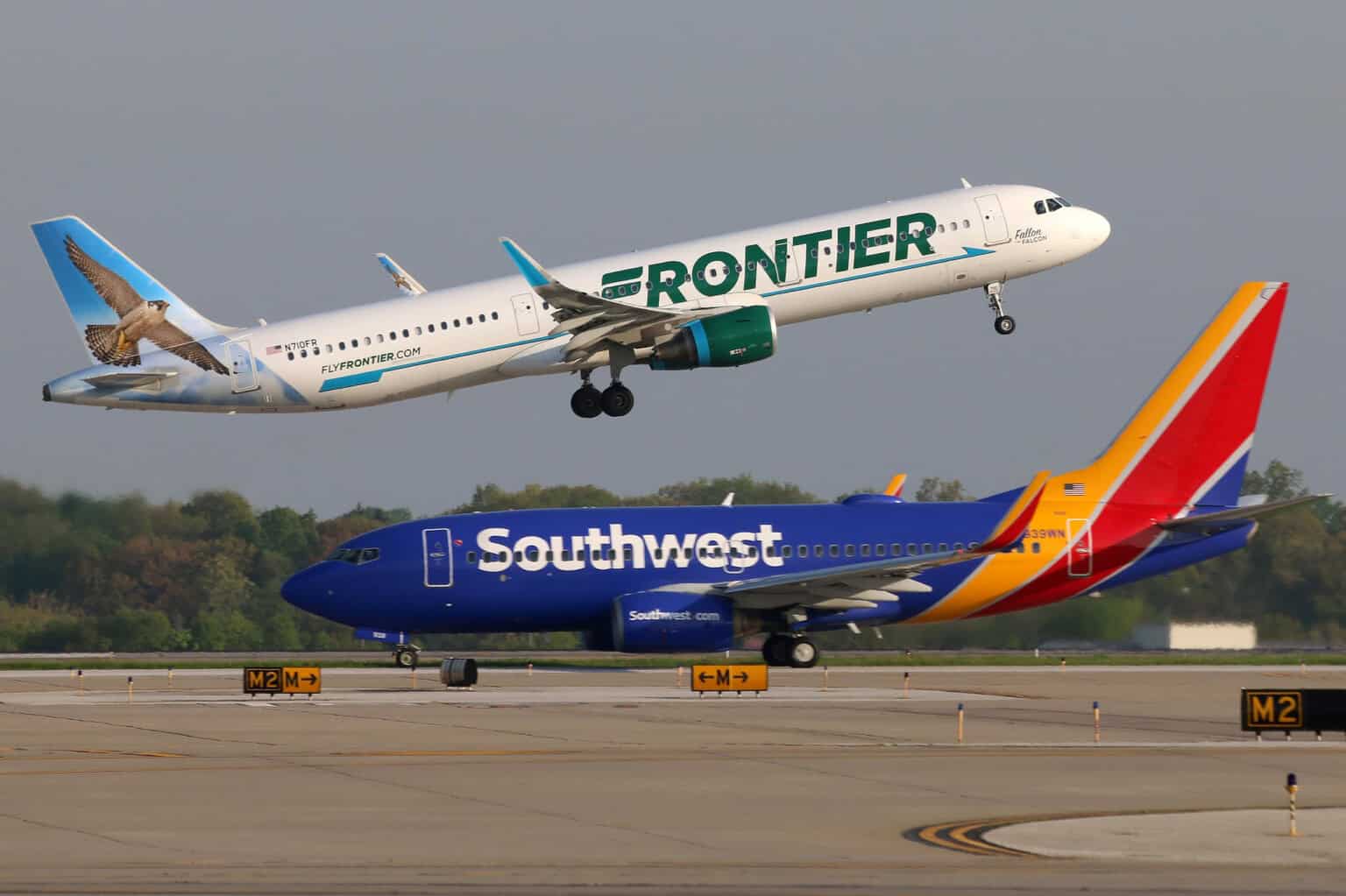
Frontier Airlines flies the youngest fleet of the nine largest US airlines, at an average of 4.8 years, according to an Upgraded Points study of Planespotters.net fleet data from September 2026. Its oldest jet is 11 years old.
The three largest US mainline fleets are about three times older. United’s averaged 15.3 years at the end of 2025, Delta’s 14.9 years on September 30, 2026, and American’s 14.3 years, according to their own SEC filings.
Those three carriers fly more than 3,000 mainline jets between them. Their oldest types are Boeing 767s and 757s pushing 30 years, plus Airbus A320s nearly as old.
Frontier Rents Its Planes. United and Delta Own Theirs
Frontier owns none of its aircraft. Its 2025 annual report lists 176 jets, every one on an operating lease, the last of which is scheduled to expire in 2037.
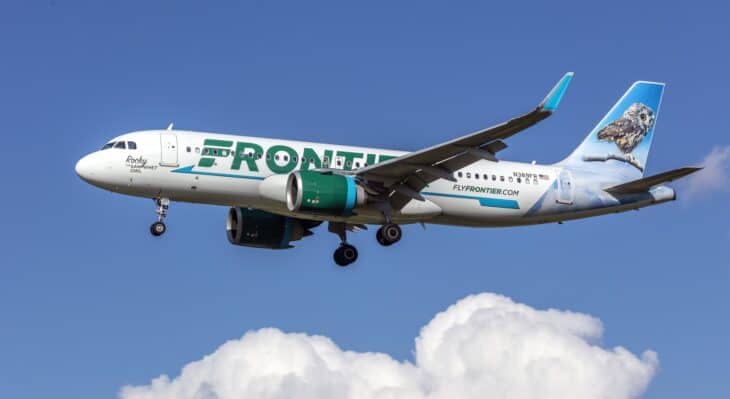

The model works like a car lease. Frontier sells many of its new Airbus jets to leasing companies on delivery and leases them straight back, then returns them when the lease ends instead of flying them into a third decade.
It keeps doing it. In the first half of 2026, Frontier completed sale-leasebacks on 13 new Airbus A320neo family jets and booked $94 million in gains on them.
The big network carriers are mostly owners. United owned 958 of its 1,066 mainline jets at the end of 2025, and Delta owned 903 of 1,005 in September 2026, about nine in ten each.
American is the mixed case, owning 547 of its 1,013 mainline jets at the end of 2025.
An airline that owns a jet outright decides for itself when to retire it. The big three have used that freedom to keep some types flying for close to 30 years.
The Boeing 757-200 is the clearest example. Boeing stopped building the 757 in October 2004 after 1,050 had been made, so every one still flying is at least 22 years old.
The Fleet Ages, Airline by Airline
Most large US airlines publish their fleet age by type in their SEC filings. These are the latest figures each one reported for its mainline fleet.
| Airline | Mainline jets | Average age (years) | As of |
|---|---|---|---|
| Frontier | 176 | 4.8 | Sept. 2026 (Planespotters) |
| Alaska Air Group | 324 | 10.6 | Dec. 31, 2025 |
| Southwest | 803 | 11 | June 30, 2026 |
| JetBlue | 288 | 12 | Dec. 31, 2025 |
| American | 1,013 | 14.3 | Dec. 31, 2025 |
| Delta | 1,005 | 14.9 | Sept. 30, 2026 |
| United | 1,066 | 15.3 | Dec. 31, 2025 |
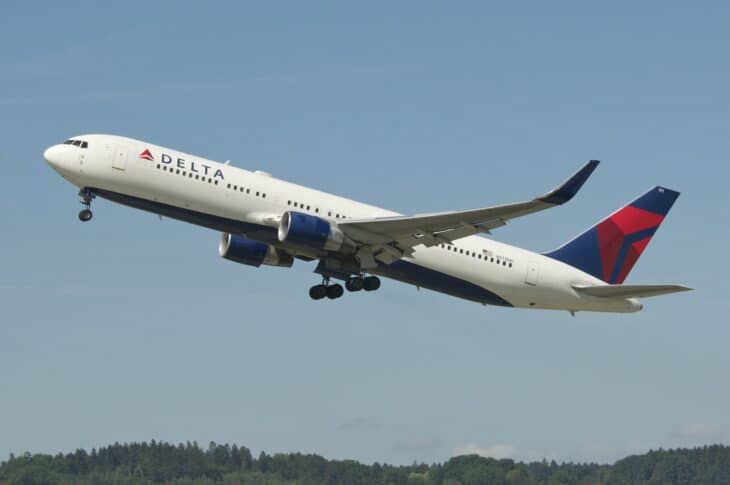
The oldest types sit inside the network carriers. At Delta, the 37 Boeing 767-300ERs averaged 29.7 years in September 2026, the 40 Airbus A320-200s 29.1 years and the 72 757-200s 28.4 years.
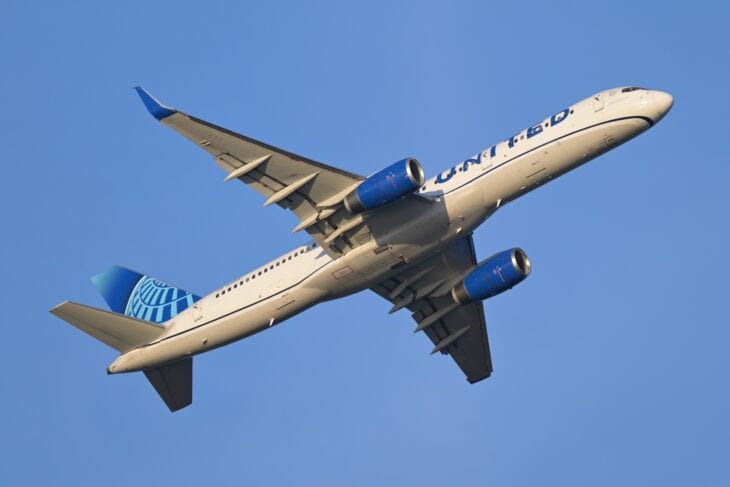
At United, the 37 Boeing 767-300ERs averaged 29.8 years at the end of 2025, the 757-200s 28.9 and the original 777-200s 28.5.

American’s oldest type is the Boeing 777-200ER, at 25 years across 47 jets, followed by 48 Airbus A320s at 24.7.
The Upgraded Points study found that 30.7% of United’s fleet and 27.6% of Delta’s is at least 25 years old. Frontier’s share is zero, and almost a quarter of its fleet is under 2 years old.
What a 30-Year-Old Jet Costs an Airline
Age shows up in the maintenance hangar first. Allegiant, whose Airbus jets averaged 17.2 years in February 2026, warns investors that older aircraft “typically require more frequent and more extensive inspections, repairs and component overhauls.”
Frontier makes the mirror-image argument. Its annual report says new jets get a “maintenance holiday,” running for years on manufacturer warranties before the most expensive heavy checks come due.
A young fleet is not free, though. Frontier paid $531 million in aircraft rent in the first half of 2026, up from $355 million a year earlier, and lost $362 million over the same six months.
Passengers say they notice. In the Upgraded Points survey of 1,010 US travelers, 57% said they care about the age of the aircraft they fly on and 63% said it would sway a choice between two similar flights.
They also overestimate it. Respondents guessed the average US airliner was about 20 years old, while the nine airlines in the study averaged 12.4 years.
Fleet age is a different question from airline age, which is what our list of the oldest airlines in the world ranks. A company’s founding date says nothing about its jets.
The Orders That Will Bring the Averages Down
The big three have bought their way toward younger fleets. United held firm commitments at the end of 2025 for 150 Boeing 787s, 167 737 MAX 10s, 103 MAX 9s, 119 A321neos, 50 A321XLRs and 45 A350s.
Delta’s September 2026 filing lists purchase commitments for 100 Boeing 737-10s, 83 A321neos, 53 A220-300s, 30 787-10s and 20 A350-1000s.
Southwest sits in the middle at 11 years because its oldest 737-700s, at 20 years, are offset by 323 737 MAX 8s averaging 3. Alaska, at 10.6, carries Hawaiian’s 717s at 23.7 years beside 737 MAX 9s under 3.
Frontier is shrinking its plans instead. In March 2026 it agreed to end the leases on 24 A320neos early, a deal that cost it $130 million in non-cash charges in the first half of the year.
Military fleets run far older: the US Air Force fleet averaged 32.4 years in 2024. Among the airlines, the ranking comes down to one choice: rent the jet and give it back young, or own it and fly it for 30 years.
Sources and references used for research and fact-checking.
- Upgraded Points, The Oldest and Newest U.S. Airline Fleets
- Frontier Airlines, New Study Recognizes Frontier's Fleet as the Youngest Among U.S. Airlines
- U.S. Securities and Exchange Commission, Frontier Group Holdings Form 10-K for 2025
- U.S. Securities and Exchange Commission, Frontier Group Holdings Form 10-Q, June 30, 2026
- U.S. Securities and Exchange Commission, Delta Air Lines Form 10-Q, September 30, 2026
- U.S. Securities and Exchange Commission, United Airlines Holdings Form 10-K for 2025
- U.S. Securities and Exchange Commission, American Airlines Group Form 10-K for 2025
- U.S. Securities and Exchange Commission, Southwest Airlines Form 10-Q, June 30, 2026
- U.S. Securities and Exchange Commission, JetBlue Airways Form 10-K for 2025
- U.S. Securities and Exchange Commission, Alaska Air Group Form 10-K for 2025
- U.S. Securities and Exchange Commission, Allegiant Travel Company Form 10-K for 2025
- Wikipedia, Boeing 757
Get the Newsletter
The latest aviation news and stories sent to your inbox.
About the Author

Tim is the owner and lead editor of AeroCorner since 2019, overseeing aviation content covering aircraft, airlines, airports, and the broader aviation industry. Through years of researching, writing, editing, and publishing aviation-focused content, he has developed extensive practical knowledge of commercial aviation and air travel. Based in Asia and a frequent traveler himself, Tim also brings firsthand passenger experience to AeroCorner’s coverage. Outside of publishing, he has also explored aviation firsthand through hands-on flight training in New Zealand.