

Table of Contents
Sixty-eight years after its first flight and forty-five years after the last one was built, the Phantom is still on the front-line inventory of three countries. Not one of them is flying it by choice.
The McDonnell Douglas F-4 Phantom II first flew on May 27, 1958, and production ended in 1981. In September 2026, three air forces still operate the type: Iran, Turkey and Greece, with roughly 100 airframes between them on paper.
Iran has the largest fleet. Open-source order-of-battle trackers put the Islamic Republic of Iran Air Force at 63 Phantoms in early 2026, and FlightGlobal’s World Air Forces survey listed 65 entering the year.
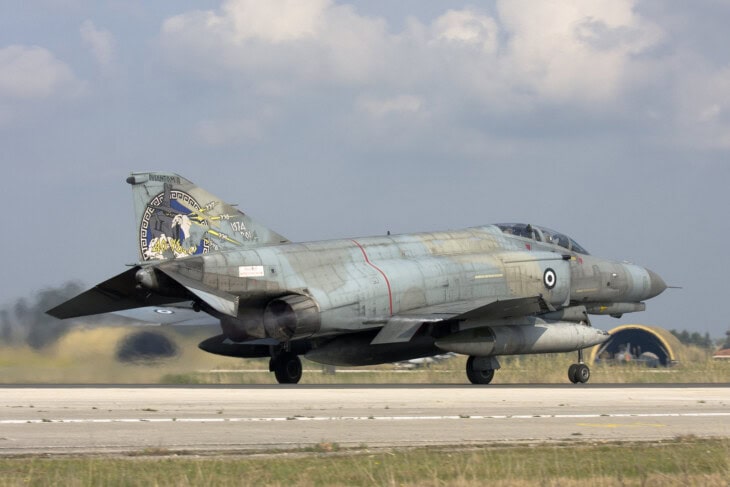
Greece’s number changed on September 5, 2026, when a Hellenic Air Force F-4E of 338 Squadron crashed during a flying display at Athens Flying Week near Tanagra Air Base. Both crew members were killed. Greece is now down to 16.
Three Air Forces, Three Different Reasons They Cannot Let Go
The Phantom did not survive because it is good. It survived because in each of these three countries, the thing meant to replace it did not arrive.
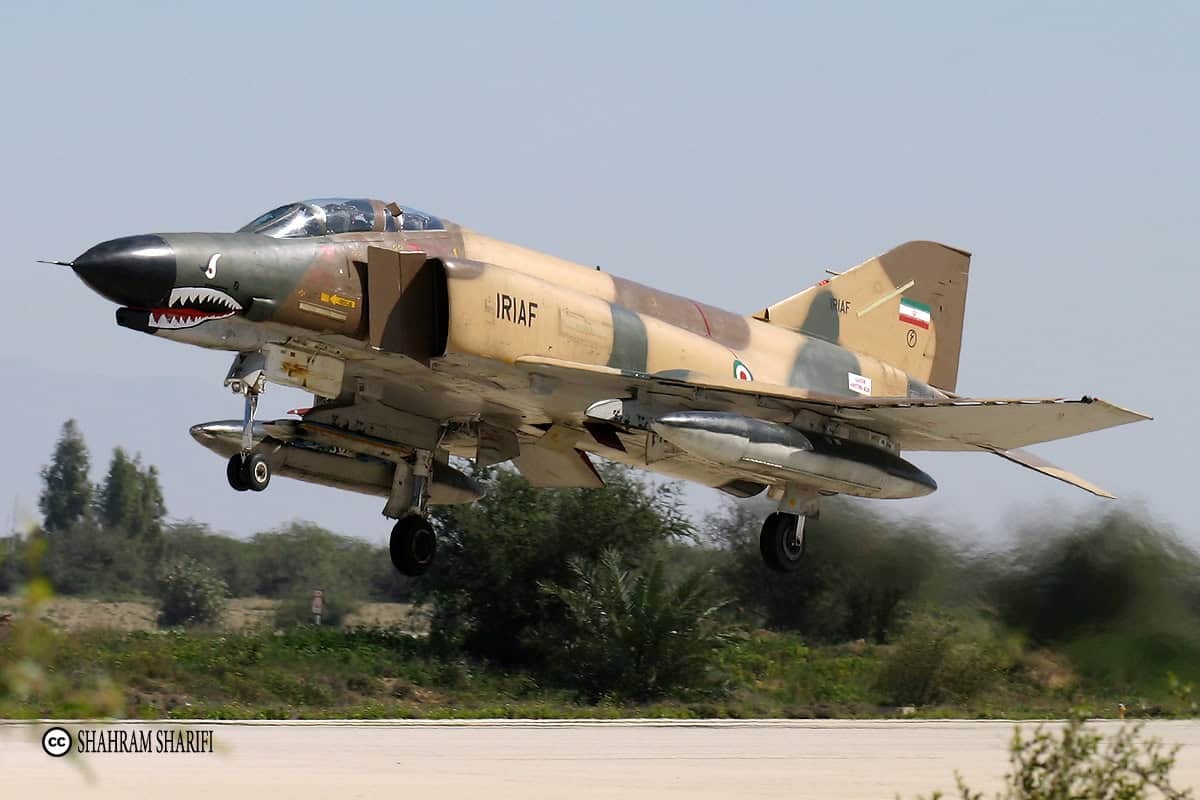
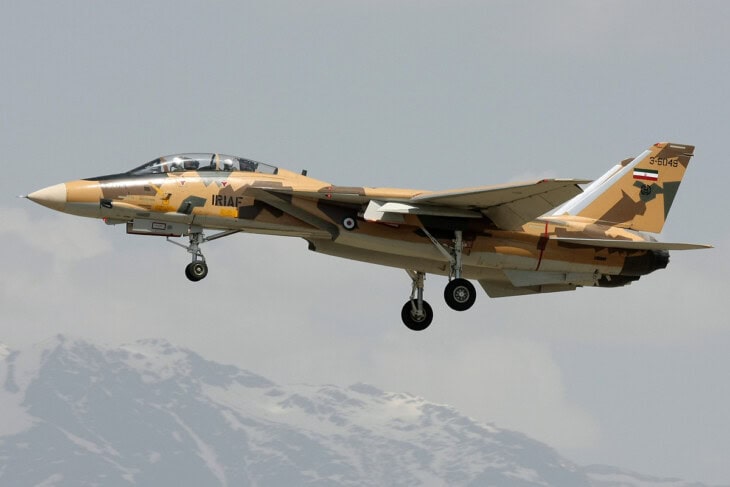
Iran took delivery of 225 Phantoms before the 1979 revolution: 32 F-4Ds, 177 F-4Es and 16 RF-4E reconnaissance aircraft. Every one of them has been sustained since by an air force cut off from the manufacturer, the spares chain and the Western arms market for nearly five decades.
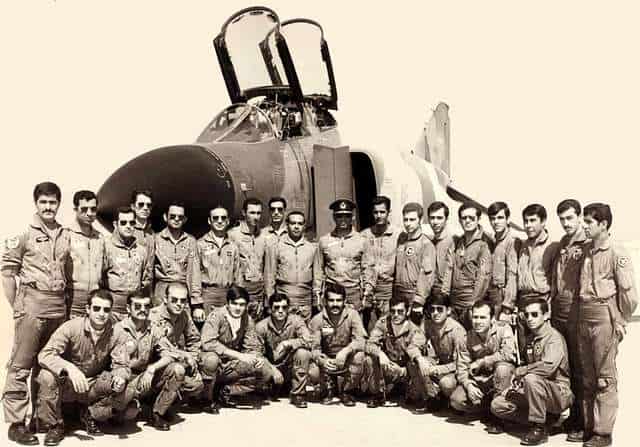
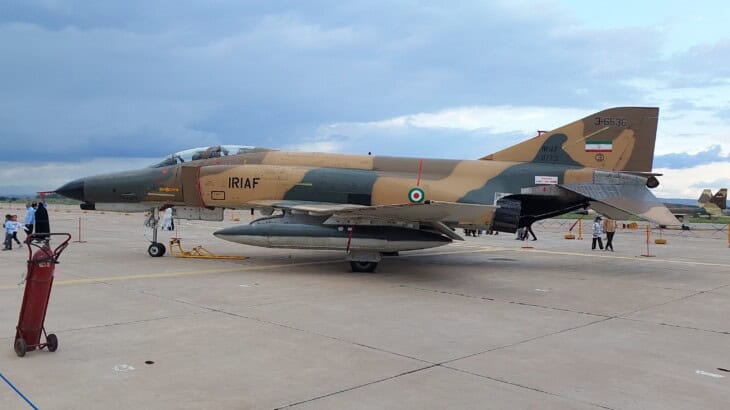
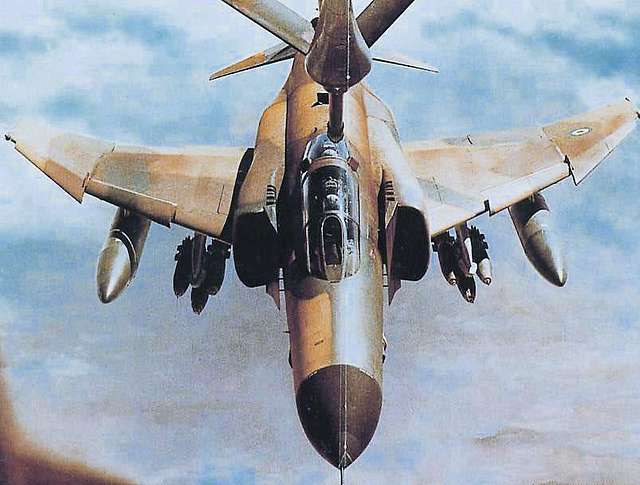
That isolation is the whole explanation. Iran also still flies the F-14 Tomcat, the only country in the world that does, for exactly the same reason.
Turkey’s case is more recent. Ankara was removed from the F-35 program in 2019 after buying the Russian S-400 air defence system, and the gap that opened in its fast-jet fleet had to be filled by aircraft it already owned.
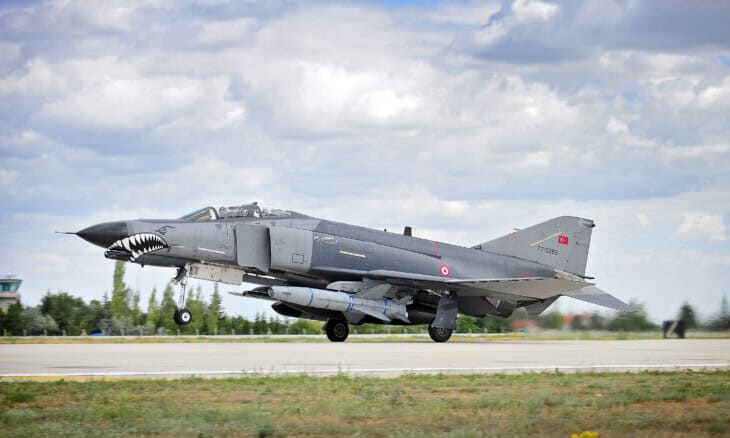
Its answer was the F-4E/2020 “Terminator,” a deep avionics and weapons rebuild carried out with Israel Aerospace Industries that turned a 1970s interceptor into a usable standoff strike aircraft. Turkey now expects to keep it flying until at least 2030.
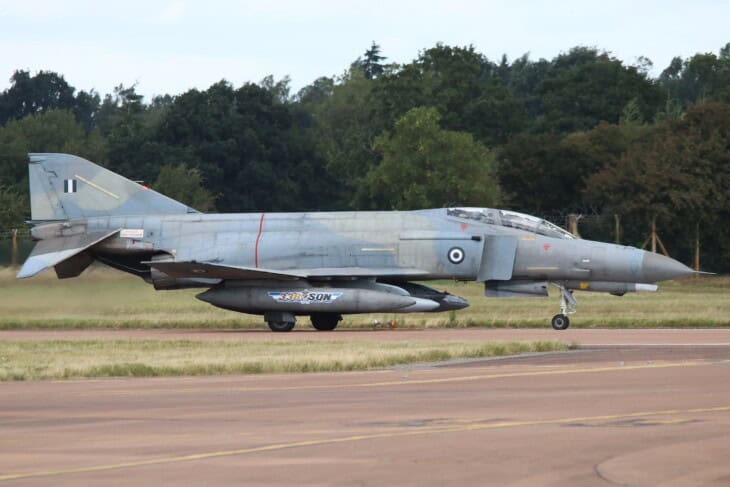
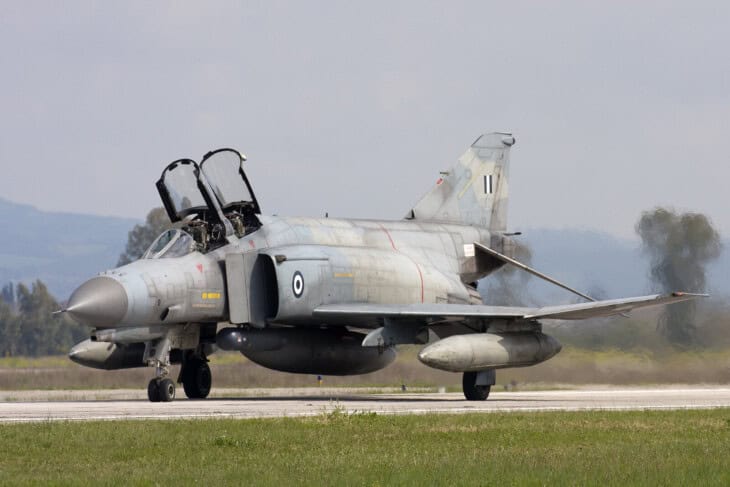
Greece bought its Phantoms in 1974 and upgraded them under a similar program, the F-4E AUP. It has been trying to retire them for most of a decade, and the retirement date keeps moving because it is tied to F-35A deliveries that have not started.
Nobody Agrees How Many Are Actually Left
The production numbers are the easy part. McDonnell Douglas and Mitsubishi built 5,195 Phantoms between 1958 and 1981, 5,057 in St. Louis and 138 under licence in Japan, which makes it the most-produced American supersonic military aircraft ever.
The current fleet counts are the hard part, and the disagreement is not trivial. Two respected trackers put Turkey’s active F-4E force at 19 airframes and at 48 airframes in the same three-month window of 2026.
Both can be defended, because they are counting different things. One counts airframes on charge; the other counts airframes an air force can generate sorties with, and for a type this old those are very different numbers.
Read the measure before the number
Fleet figures for the F-4 are estimates, not published orders of battle. Inventory, operational and flyable are three different counts, and for a 68-year-old airframe with no production line the gap between them is wide. Most analysts place Turkey’s usable Phantom force somewhere between 30 and 40 aircraft as of 2026.
Greece is the one country where the count is firm, because the fleet is small enough to track individually: 17 aircraft before September 5, 2026, and 16 after. Iran’s figure is the softest of the three, an open-source estimate that no independent inspection has ever confirmed.
The direction of travel is not in dispute, though. As recently as 2020 there were five Phantom operators. Japan retired the type in 2021, and South Korea flew its last two F-4Es out of Suwon Air Base on June 7, 2024, ending 55 years of service.

What a 1958 Design Still Buys an Air Force
A Phantom in 2026 is not competitive with anything on the list of the best fighter jets in the world. It has no useful radar cross-section reduction, no modern sensor fusion, and a radar horizon that a 1990s fourth-generation jet beats without trying.
What it has is payload and reach. The F-4E carries a heavy external weapons load a long way, and in the strike and standoff roles that Turkey and Iran actually use it for, that still counts for something.
It also has a fully paid-for support system. Hangars, tooling, simulators, weapons integration and several hundred trained maintainers already exist in all three countries, which means the marginal cost of one more year of Phantom operations is low even when the airframes are not.
The cost lands elsewhere. Every year of extension buys more fatigue on airframes that are past any structural life their designers modelled, and the demanding low-level flying these fleets still do is exactly where that margin gets spent.
That is the real argument for retiring an aircraft like this, and it is not a new one. The Phantom sits near the top of any list of the oldest fighter planes still in service, alongside types whose operators face the same arithmetic.
Who Will Fly the Last One
All three replacement programs are now in motion, and all three are late.
Greece has 24 Rafales in service and selected the F-35A as the formal Phantom replacement, with the first Greek jets expected from 2028. That is the clearest exit of the three, and it puts Greece out of the Phantom business first.
Turkey signed a roughly $10.7 billion deal in 2026 for 20 Tranche 4 Eurofighter Typhoons, with deliveries expected to begin in 2027, and is negotiating for second-hand airframes on top. The Typhoon is explicitly a bridge to the indigenous KAAN, which flew its first prototype in February 2024 and is years from squadron service.
Iran has ordered the Su-35, and reporting through 2026 indicates Russia has completed around 20 airframes for it. They have not been delivered, with the holdup attributed to infrastructure work at the receiving base.
Which leaves an open question about the end of a 68-year production and service story. Turkey has publicly committed to 2030, further out than either of the others, so the last Phantom in service is probably Turkish.
Unless Iran’s Flankers slip again. The country that has kept the Phantom flying longest with the least help would then also be the country that flies it last, which would be a fitting end for an aircraft that outlasted the air force that took it to Vietnam by thirty years.
Sources and references used for research and fact-checking.
- The Aviationist, Greek F-4 Phantom Crashes During Airshow Near Athens
- Wikipedia, McDonnell Douglas F-4 Phantom II
- Key.Aero, Why Greece selected the F-35A as a F-4E replacement
- The War Zone, F-4 'Terminator' Phantoms Still Going Strong At Turkey's Anatolian Eagle Exercise
- The War Zone, F-4 Phantom Vanishes Into Retirement After 55 Years Of South Korean Service
- Kyiv Post, Russia Builds First 20 Su-35 Warplanes for Iran as Tehran Pushes Biggest Air Force Upgrade in Decades
Get the Newsletter
The latest aviation news and stories sent to your inbox.
About the Author

Tim is the owner and lead editor of AeroCorner since 2019, overseeing aviation content covering aircraft, airlines, airports, and the broader aviation industry. Through years of researching, writing, editing, and publishing aviation-focused content, he has developed extensive practical knowledge of commercial aviation and air travel. Based in Asia and a frequent traveler himself, Tim also brings firsthand passenger experience to AeroCorner’s coverage. Outside of publishing, he has also explored aviation firsthand through hands-on flight training in New Zealand.