

Table of Contents
In 1994, Southwest Airlines CEO Herb Kelleher fired a 34-year-old executive whose airline Southwest had just bought. The man had sold his Salt Lake City carrier, Morris Air, to Southwest and joined the company, and five months later he was out.
“There wouldn’t be a JetBlue today if Herb hadn’t fired me,” David Neeleman told Fortune years later. He was not exaggerating, and the pattern did not stop with JetBlue.
This is the story of how one man ended up behind five airlines in three countries, and why each one started where the last one pushed him out.
Who Is David Neeleman?
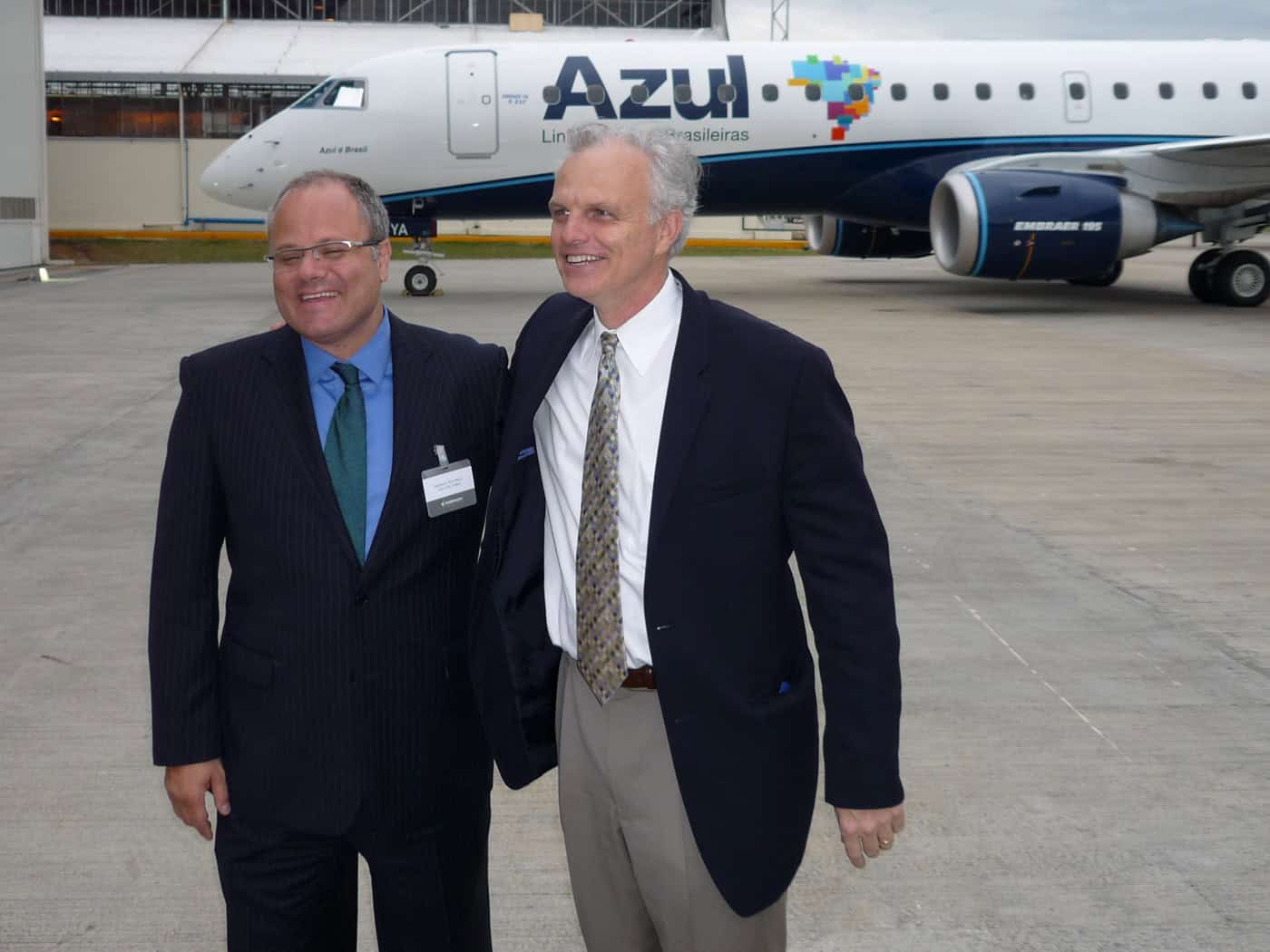
David Neeleman is an American and Brazilian airline entrepreneur, born in São Paulo on October 16, 1959, and raised in Sandy, Utah. He co-founded Morris Air and Canada’s WestJet, then founded JetBlue, Brazil’s Azul and, most recently, Breeze Airways, which he still runs.
His edge has never been the aircraft. It has been the passenger side of the business: cheap seats sold without the friction that big airlines took for granted.
Neeleman at a glance
Born October 16, 1959, in São Paulo, Brazil. Co-founded Morris Air (Utah) and WestJet (Canada). Founded JetBlue (first flight February 11, 2000), Azul (first flight December 15, 2008) and Breeze Airways (first flight May 27, 2021). Replaced as JetBlue CEO in May 2007. Holds Brazilian, US and Cypriot citizenship.
Morris Air: the Utah charter that Southwest bought to stop
Neeleman was a 23-year-old college dropout when travel agent June Morris hired him. In 1984, on his suggestion, Morris Travel began buying blocks of seats on charter flights to Hawaii and Mexico, according to The Salt Lake Tribune.
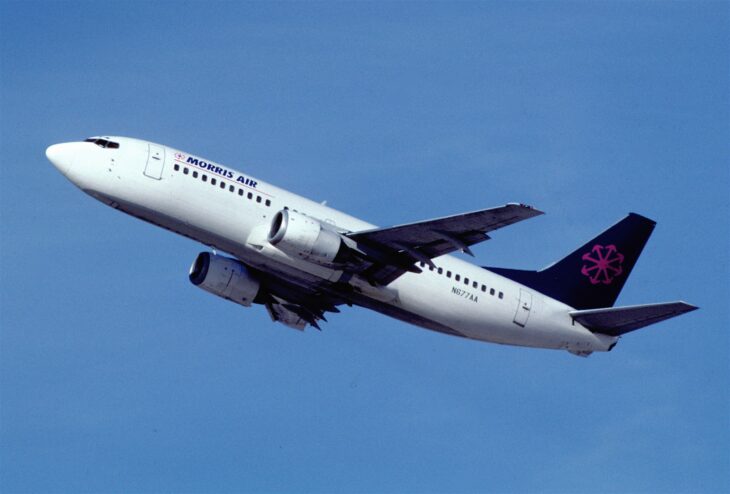

The charter business took the name Morris Air in 1987 and grew into a scheduled low-fare airline based at Salt Lake City. By the time Southwest came calling, it flew a fleet of Boeing 737s, the same type that formed Southwest’s all-737 fleet, which is part of why the two fit so neatly.
In December 1993, Southwest agreed to buy Morris Air for a reported $128.5 million in stock. Neeleman joined Southwest, and five months later, Fortune reported, Kelleher ousted him.
The sale came with a non-compete agreement that kept him out of US airlines for five years. So he looked north, and to software.

The waiting years: WestJet and a reservations system
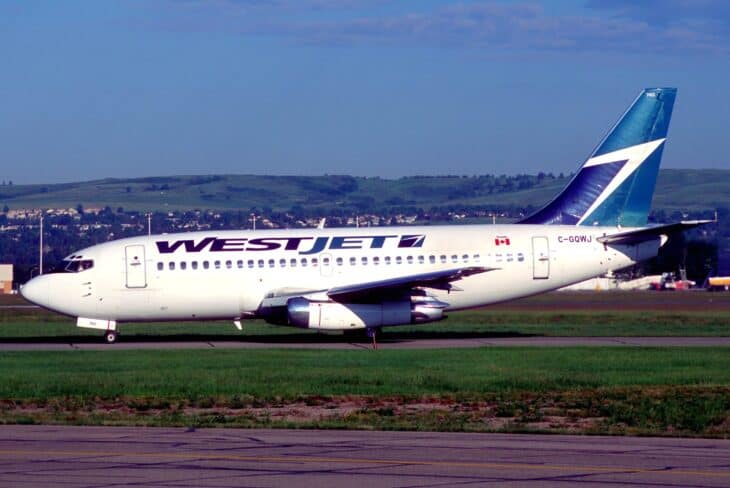
Barred from starting a US carrier, Neeleman joined Clive Beddoe, Mark Hill, Tim Morgan and Donald Bell as one of WestJet’s five founders. The Calgary airline flew its first Boeing 737-200 on February 29, 1996, to Western Canadian cities including Vancouver, Edmonton and Winnipeg.
He also ran Open Skies, a company that built reservation and check-in systems for low-fare airlines. Hewlett-Packard bought it in 1999, the same year his non-compete ran out.
JetBlue: built in New York, lost in an ice storm
Neeleman incorporated his next airline as NewAir in 1998 and raised about $128 million for it. The founders wanted to call it Taxi until lead investor JPMorgan objected.
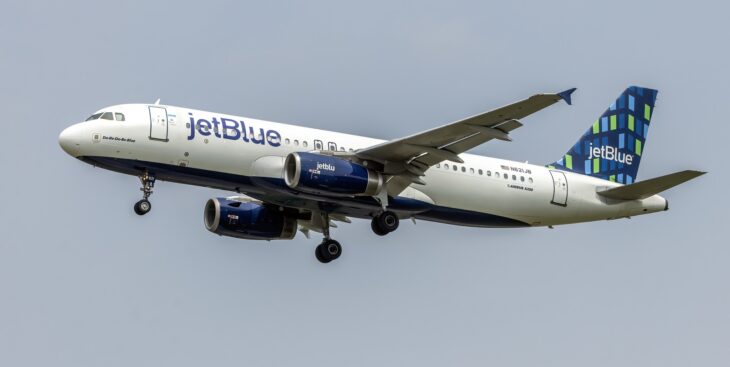
JetBlue flew its first scheduled flights from New York’s JFK on February 11, 2000, with new Airbus A320s and live satellite TV at every seat. Its model sits apart from the ultra-low-cost airlines that came later: low fares, but with comfort thrown in rather than stripped out.

Then came February 14, 2007. An ice storm hit New York, and JetBlue, which tried hard to avoid cancelling flights, kept boarding passengers onto aircraft that could not leave. NPR reported planes stuck on the runway for more than 10 hours.
The meltdown ran for days. Neeleman put the cost at about $30 million: $10 million in refunds, $16 million in vouchers and $4 million in extra crew costs.
The Bill of Rights he wrote in a week
Within a week of the storm, JetBlue published a Customer Bill of Rights. It promised compensation from $25 for an hour stuck on the taxiway up to a voucher for the full fare after more than four hours, and a way off any plane held on the ground for more than five hours.
It was not enough to save his job. On May 10, 2007, the board replaced him as CEO with Dave Barger. Fortune called it a firing; he stayed on as non-executive chairman until May 2008, but he had lost control of the airline he built.
Azul: a Brazilian airline from a Brazilian-born founder
Neeleman had lived in Brazil until he was five and served a two-year church mission there at 19. That passport became his next airline. Azul, Portuguese for “blue,” raised $150 million, including $10 million of his own money, Fortune reported.
Azul took off on December 15, 2008, from Campinas, a city near São Paulo. It launched with Embraer 195s and E190s, Brazilian-built jets for a Brazilian airline.
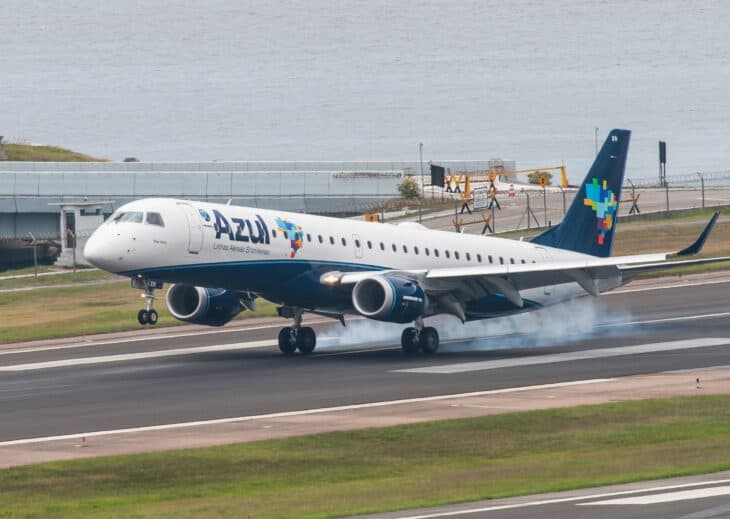

Fortune quoted his explanation of why this one would be different: “It doesn’t snow down there. We’re not going to be de-icing airplanes.”
Azul grew into a fleet of 191 aircraft and about 150 destinations, with Neeleman as chairman. It filed for Chapter 11 in May 2025 and announced its emergence on February 20, 2026, cutting about $2.5 billion in debt and lease obligations, according to its filing with the SEC.
In 2015 he also bought into TAP Air Portugal through the Atlantic Gateway consortium. That ended in 2020, when the Portuguese state paid €55 million (about $65 million) for his 22.5% stake as part of a pandemic rescue, ch-aviation reported.
Breeze: the airline for the routes nobody flies
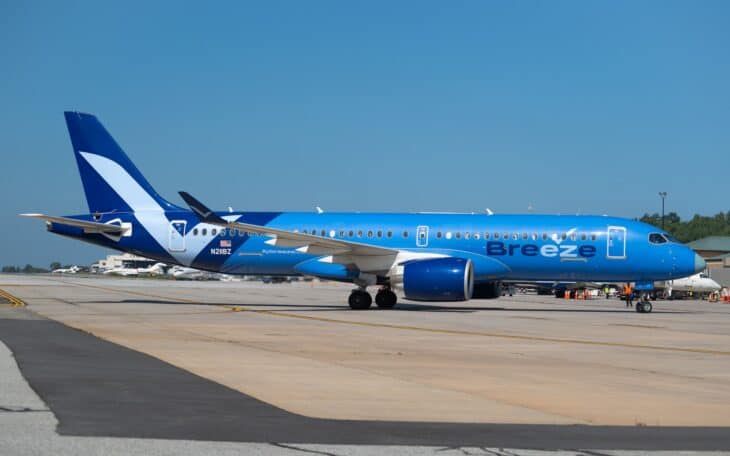
His fifth airline was founded as Moxy in July 2018, renamed Breeze Airways in February 2020 after a trademark clash with Marriott’s Moxy Hotels, and based in Cottonwood Heights, Utah. Its first flight left Tampa for Charleston on May 27, 2021.
Breeze is the most Neeleman idea yet. Airways Magazine reports that about 90% of its routes have no nonstop competition: secondary cities that lost direct service as the big airlines consolidated around hubs.
It started with Embraer jets and has since moved to the Airbus A220-300, with 90 ordered. By September 2026 it flew 66 A220s to 89 destinations, and Airways Magazine reports its first full year of net profit came in 2025.

1984
Morris Air begins. On Neeleman’s suggestion, Morris Travel starts selling charter seats to Hawaii and Mexico.
Dec 1993
Southwest buys Morris Air. A reported $128.5 million in stock. Neeleman is let go five months later.
Feb 1996
WestJet’s first flight. Neeleman is one of five founders of the Calgary airline.
Feb 2000
JetBlue takes off from JFK. New A320s and live TV at every seat.
May 2007
Replaced as JetBlue CEO. Three months after the February ice storm meltdown.
Dec 2008
Azul launches in Brazil. From Campinas, with Embraer jets.
Oct 2020
Out of TAP Air Portugal. The Portuguese state buys his 22.5% stake for 55 million euros.
May 2021
Breeze’s first flight. Tampa to Charleston.
The myth: Southwest invented the e-ticket
The myth
Southwest issued the first electronic ticket in 1994. Travel-tech histories repeat this, and it is the version most readers have heard.
The OAG travel-data company’s own history says “Southwest Airlines in 1994 issued the first E-ticket.” It is the version most histories repeat, and it skips a step.
FlightGlobal’s 1997 account is more precise: electronic ticketing was “first adopted by ValuJet and Morris Air,” and then “embraced by Southwest, which bought Morris.” In other words, Southwest’s ticketless system came in the same deal that sent Neeleman to Dallas.
The reverse myth is just as common: that Neeleman single-handedly invented the e-ticket. Morris Air’s own history credits the idea to an employee, Stuart Thatcher, and ValuJet was doing the same thing at about the same time. The fair claim is that Neeleman’s airline was one of the first two to go ticketless, while he was its president.
Why the same man keeps starting airlines
Each airline answers the one before it. Southwest’s non-compete sent him to Canada. JetBlue’s board sent him to Brazil, where, as he put it, it does not snow. Breeze fills in the routes that airline consolidation left behind.
There is a personal thread too. Fortune reported that he was diagnosed with attention deficit disorder in his 30s, and his career reads like a man more interested in starting the next airline than managing the last one.
Most airline founders get one shot. The next time you see a JetBlue and a Southwest jet parked side by side, you are looking at a rivalry that started with a firing, one the fired man later credited for JetBlue’s very existence.
Sources and references used for research and fact-checking.
- Wikipedia, David Neeleman
- Fortune, JetBlue's founder flies again
- The Salt Lake Tribune, June M. Morris, who built Morris Air, dies at 90
- Wikipedia, Morris Air
- Wikipedia, WestJet
- Wikipedia, JetBlue
- NPR, JetBlue Offers Passengers Rights, Compensation
- Wikipedia, Azul Brazilian Airlines
- US Securities and Exchange Commission, Azul S.A. Material Fact: emergence from Chapter 11 (Form 6-K)
- ch-aviation, Govt completes TAP Air Portugal share increase
- Wikipedia, Breeze Airways
- Airways Magazine, Five Years of Breeze: Thin Markets, Big Idea
- OAG, Following the Paper Trail to Ticketless Travel
- FlightGlobal, No ticket to ride catching on fast
Get the Newsletter
The latest aviation news and stories sent to your inbox.
About the Author

Tim is the owner and lead editor of AeroCorner since 2019, overseeing aviation content covering aircraft, airlines, airports, and the broader aviation industry. Through years of researching, writing, editing, and publishing aviation-focused content, he has developed extensive practical knowledge of commercial aviation and air travel. Based in Asia and a frequent traveler himself, Tim also brings firsthand passenger experience to AeroCorner’s coverage. Outside of publishing, he has also explored aviation firsthand through hands-on flight training in New Zealand.