

Table of Contents
The best flight school in Texas for a future airline pilot is ATP Flight School. It trains at 11 Texas airports, charges no Texas location premium on its fixed $123,995 zero-time program, and has career tracks to American, Delta and United.
Thrust Flight is the strongest Texas-born alternative, with an all-in $120,000 Part 141 program from Addison and three other Texas campuses. For a part-time student, In The Pattern in Denton was AOPA’s national Best Flight School in 2025.
This list ranks schools on what each one publishes as of October 2026: FAA Part 141 approval, price, airline pathway agreements, scale and AOPA awards. It is the Texas companion to our national ranking of the best flight schools in the US and our list of the best flight schools in Arizona.
| Rank | School | Texas base | Published price | Standout |
|---|---|---|---|---|
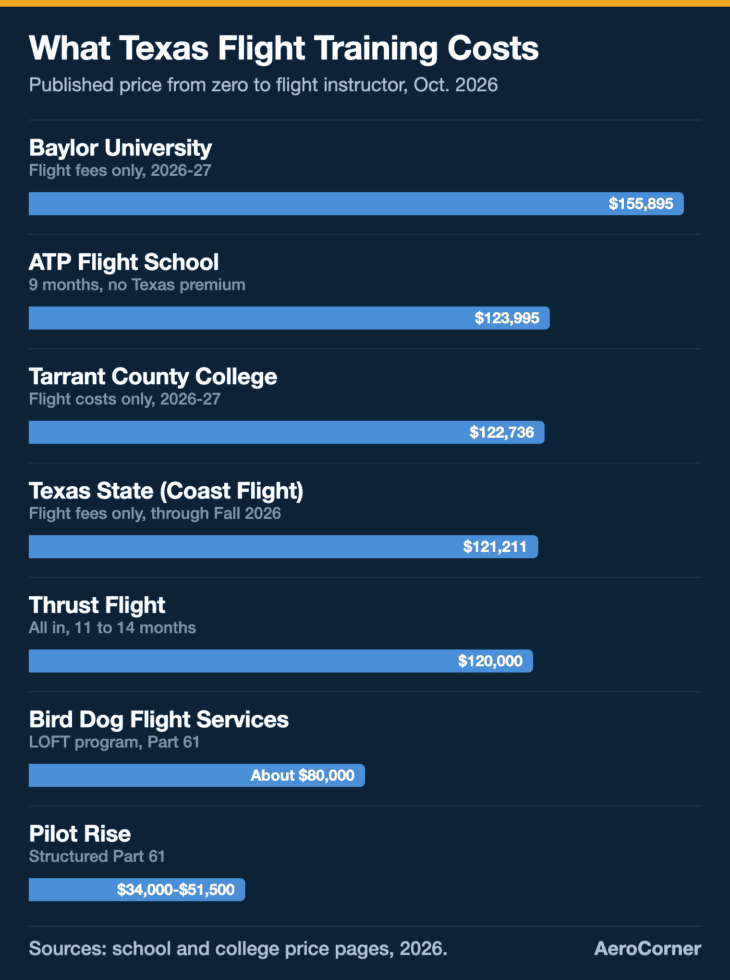
| 1 | ATP Flight School | 11 airports statewide | $123,995 (zero to CFII) | Career tracks to American, Delta and United |
| 2 | Thrust Flight | Addison, Denison, Conroe, Fort Worth Spinks | $120,000 all in (zero to CFII) | Part 141 with its own examining authority |
| 3 | US Aviation Academy | Denton plus five other Texas campuses | $97,000 average (Conroe) | On United’s Aviate flight school list |
| 4 | In The Pattern | Denton Enterprise | Not published (budget calculator) | AOPA national Best Flight School, 2025 |
| 5 | AeroGuard Flight Training Center | Georgetown | Not published | SkyWest Pilot Pathway |
| 6 | Coast Flight Training | Dallas Executive, San Marcos | $121,211 (Texas State course fees) | Partners include American and Envoy |
| 7 | Pilot Rise | Dallas Executive, Hicks Airfield | $34,000 to $51,500 (zero to CFII) | Lowest published career price |
| 8 | Bird Dog Flight Services | Hicks Airfield, Fort Worth | About $80,000 (zero to CFII) | AOPA Distinguished school, 2026 |
| 9 | Code 1 Flight Training | Wills Point | Not published | AOPA regional Best Flight School, 2024 |
| 10 | Delta Qualiflight | Fort Worth Meacham | Not published | Training pilots since 1969 |
How this ranking works
Schools are ranked for a student starting from zero who wants an airline career, on facts each school publishes: FAA Part 141 approval, a published price, formal airline pathway agreements, scale and AOPA Flight Training Experience awards. AOPA bases those awards on reviews from students and newly certificated pilots. A school that publishes no price drops down the list. Degree programs are covered separately below the top 10, because they answer a different question. Part 141 schools follow an FAA-approved syllabus with lower minimum hours, while Part 61 schools train on a flexible schedule.
1. ATP Flight School
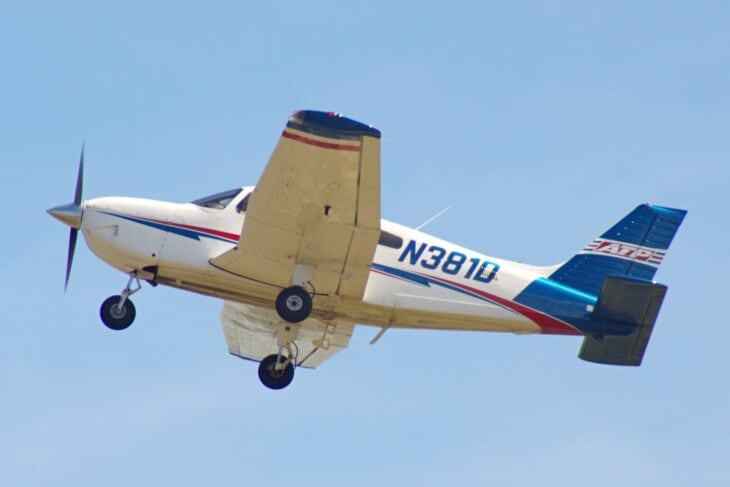

ATP has more Texas training centers than any other school we found: Arlington, McKinney, Denton, Fort Worth Meacham, Conroe, Houston Ellington, Sugar Land, Georgetown, Austin-Bergstrom, San Antonio Stinson and New Braunfels. It also runs ATP JETS Dallas, a jet simulator site near DFW.
The zero-time Airline Career Pilot Program costs $123,995 and takes nine months, logging 282 hours, including 25 multi-engine and 53 simulator hours. ATP charges a training center premium of up to $5,000 in places like Los Angeles, but every Texas center sits in its $0 tier.
Budget for costs beyond the program price, which our breakdown of what a pilot license really costs covers. What the price buys is the exit: 38 airline-backed career tracks leading to American, Delta and United, and 1,170 graduates hired by airlines in the 12 months to September 2, 2026.
American, headquartered in Fort Worth, was the top major airline employer of ATP graduates in 2026, with more than 110 hired by early September.
2. Thrust Flight
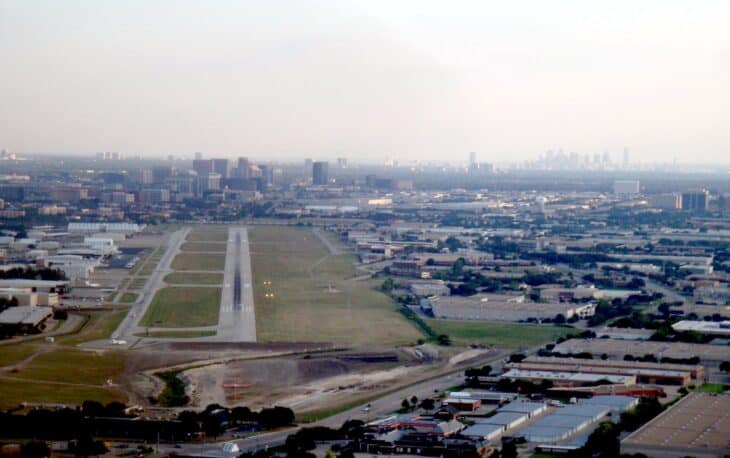

Thrust is headquartered at Addison Airport, 13 miles north of downtown Dallas, and runs the same program at Denison, Conroe and Fort Worth Spinks. Its campuses in Mesa, Arizona, and Newport News, Virginia, fly the same syllabus.
Zero Time to Airline 2 costs $120,000 all in and takes 11 to 14 months through the CFI and CFII ratings, including first-attempt written exam and checkride fees. A shorter version that stops at the commercial certificate costs $101,500 and takes eight to 10 months.
Thrust trains full time under Part 141 and holds FAA examining authority, so checkrides are scheduled in house rather than waiting on an outside examiner. It flies Piper Archer TXs, Cessna 172s and Piper Seminoles, and names Envoy, SkyWest, Republic and Avelo among its airline partners.
AOPA named the Addison campus a Distinguished Flight School in 2026. In February 2026 Thrust also added an eight-hour aerobatic and upset recovery package in a GB1 GameBird and a Super Decathlon at Addison and Denison.
3. US Aviation Academy
US Aviation Academy is based in Denton and lists five more Texas flight campuses: Conroe, San Marcos, New Braunfels, Kerrville and Fort Worth. It is FAA Part 141 approved, also runs a Part 147 mechanic school in Denton, and is approved for VA and GI Bill students.
It publishes no program tuition, but its Conroe page puts the average cost there at $97,000. The academy holds FAA self-examining authority, which cuts the wait for outside examiners.
Its pipeline is the broadest of any Texas-based school. United lists it as an Aviate participating flight school, and it names Southwest’s Destination 225, Envoy and SkyWest among its partners. It is also the flight provider for Texas Woman’s University and Lone Star College, and for Texas State University from fall 2026.
4. In The Pattern
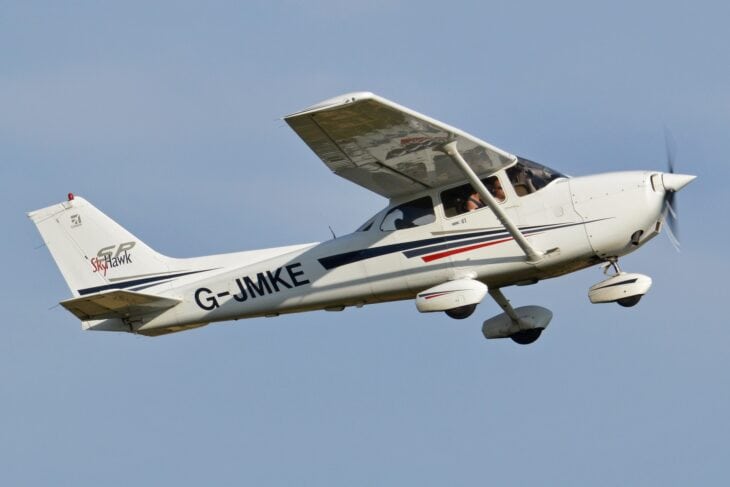

In The Pattern started in 2015 when two brothers bought a single airplane at Denton Enterprise Airport and a friend asked to rent it. In March 2025 AOPA named it the national Best Flight School, calling it the first three-time winner of the award.
It flies a mixed fleet, from a Cessna 152 and Cessna 172 to a Cessna 182 and a Piper Aztec twin. It publishes a budget calculator rather than a package price, and the calculator’s illustrative private pilot total is $21,285.
Texas wins on reviews, not just size
Eight of the 12 Distinguished Flight Schools in AOPA’s 2026 Central Southern region are in Texas: Airplanes & Attitude, Pilot Rise, In The Pattern, Black Hound Aviation, Code 1, Pegasus, Bird Dog and Thrust Flight. The rest came from Oklahoma and Iowa.
5. AeroGuard Flight Training Center
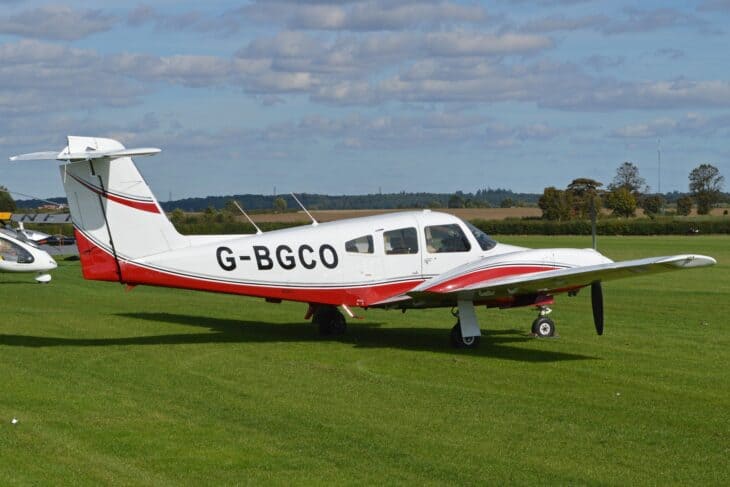

AeroGuard, the Phoenix academy, has one Texas campus, at Georgetown Municipal Airport north of Austin. Students fly Piper Archers and Seminoles, backed by a Redbird simulator.
Its Texas page names the SkyWest Pilot Pathway, a route to a first officer job at SkyWest. AeroGuard quotes tuition only on request, which keeps it in the middle of this list.
6. Coast Flight Training
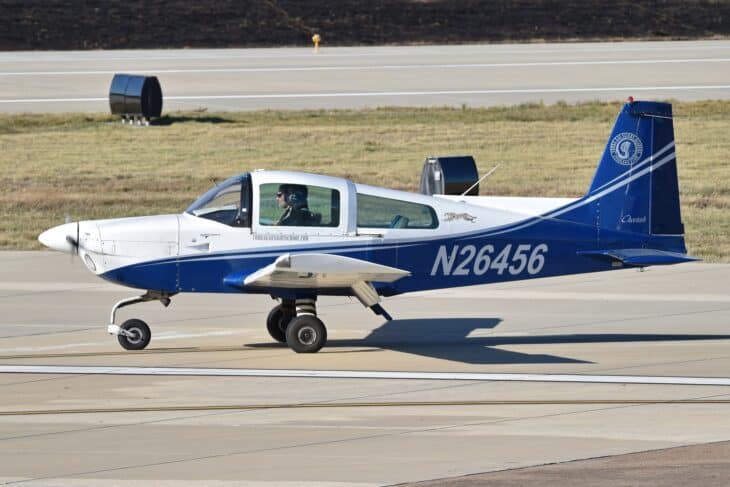

Coast, which also trains in San Diego, runs Texas campuses at Dallas Executive Airport and San Marcos Regional. It names SkyWest, American, Envoy, PSA, Piedmont and Mesa as airline partners, with the Envoy Cadet Program as its most popular route.
Coast is the San Marcos flight partner for Texas State University’s aviation degree. Texas State lists its seven Coast flight courses, through the instructor and multi-engine ratings, at $121,211 through fall 2026, billed on top of tuition.
7. Pilot Rise
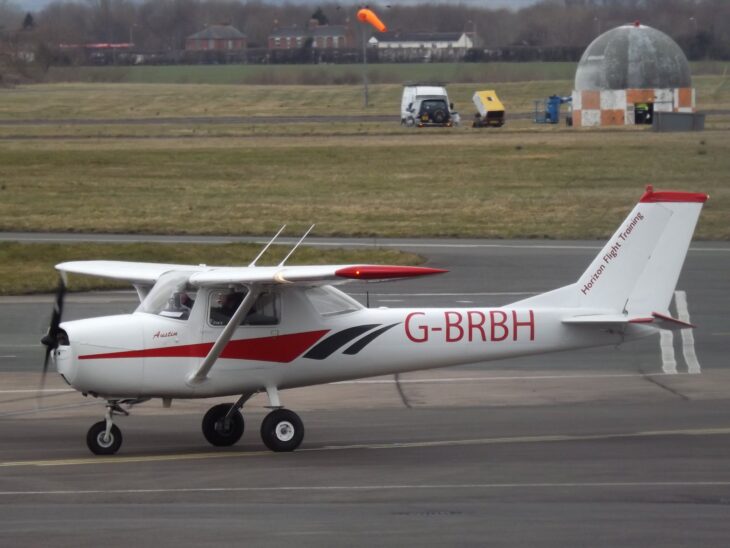
Pilot Rise trains at Dallas Executive Airport and at Hicks Airfield in Fort Worth, and was an AOPA Distinguished Flight School in 2026. It calls itself a structured Part 61 school, with a set curriculum but a flexible schedule.
Its published 2026 ranges are the lowest we found: $8,500 to $14,000 for a private pilot certificate and $34,000 to $51,500 from zero to the instrument instructor rating. They include the aircraft, instruction, checkrides and supplies.
The low number comes with a cheaper fleet: Cessna 150s at $130 an hour, Cessna 172s at $165 and a Pipistrel Alpha Trainer. It names no airline partner, so the hours-building plan is yours to make.
8. Bird Dog Flight Services
Bird Dog flies from Hicks Airfield in Fort Worth and was another 2026 AOPA Distinguished Flight School. Its LOFT Career Pilot Program runs from zero to the CFI and CFII ratings for about $80,000.
It also prices each rating on its own, at about $11,000 for a private pilot certificate and $10,000 for an instrument rating. That makes it a good fit for a student paying as they go.
9. Code 1 Flight Training
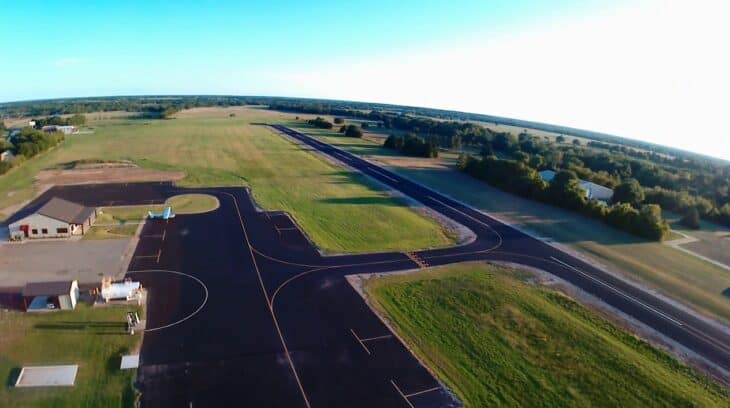
Code 1 trains at Van Zandt County Regional Airport in Wills Point, east of Dallas. In 2024 it won AOPA’s regional Best Flight School award, and its instructor Norm Rathje was the region’s Best Flight Instructor.
AOPA named it a Distinguished Flight School again in 2026. It publishes no fleet or price list, so a discovery visit is the only way to compare it.
10. Delta Qualiflight
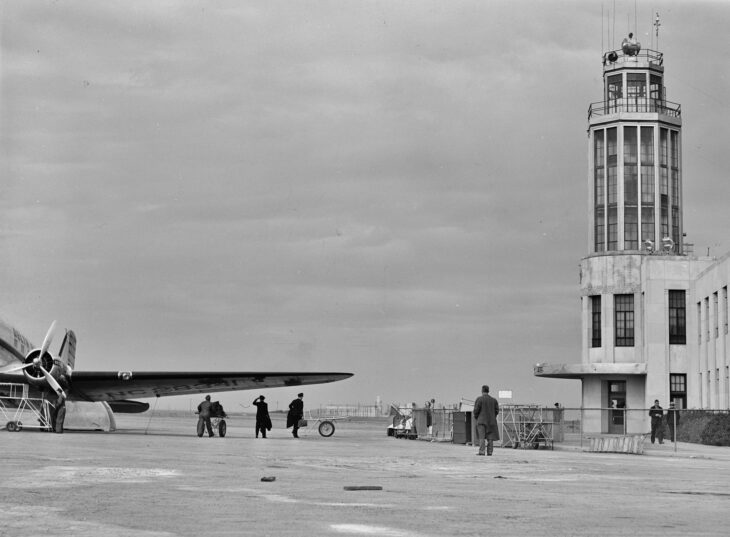
Delta Qualiflight has trained pilots at Fort Worth Meacham Airport since 1969, and says more than 9,000 have passed through.
It trains under both Part 61 and Part 141, with more than 30 Piper, Cessna and Beechcraft aircraft, a 20,000-square-foot hangar and an in-house examiner. It also takes international students, but it publishes no prices, which keeps it last.
Two things older guides get wrong
Thrust Flight became a United Aviate participating school on March 17, 2026, but only through its Mesa, Arizona, campus, not its Texas campuses. Texans who want the Aviate route can train at ATP or US Aviation Academy, both on United’s list, or study at Texas Southern University. And Paragon Flight Training, which ranks for Georgetown searches, has no Texas campus: its schools are in Florida and Georgia. The flight school at Georgetown is AeroGuard.
The best Texas colleges for a flight degree
A degree takes longer, but it can cut the airline transport pilot requirement from 1,500 hours to 1,000 for a bachelor’s graduate, or 1,250 for an associate’s, at a school the FAA has approved. Eight Texas schools are on the FAA’s September 2026 list, and our ranking of the best aviation colleges in the US compares them nationally.
| College | Where it flies | Restricted ATP | Published flight cost |
|---|---|---|---|
| Baylor University | Waco Regional | 1,000 hours | $155,895 airplane flight fees (2026-27) |
| LeTourneau University | East Texas Regional, Longview | 1,000 hours | Priced per course: $21,735 for the two private pilot courses (2026-27) |
| Texas Southern University | Houston Spaceport (Ellington) | 1,000 hours | Not published |
| Texas Woman’s University | Denton Enterprise (US Aviation Academy) | 1,000 hours | About $105,250 in flight labs |
| Stephen F. Austin State University | Nacogdoches (HCH Aviation) | 1,000 hours | Not published |
| Tarrant County College | Alliance Airport, Fort Worth | 1,250 hours | $122,736 (2026-27) |
| Lone Star College | Conroe (US Aviation Academy) | 1,250 hours | $111,613 estimate |
| Central Texas College | Skylark Field, Killeen | 1,250 hours | Not published |
| Texas State University | San Marcos and partner schools | Not on FAA list | $121,211 with Coast Flight |
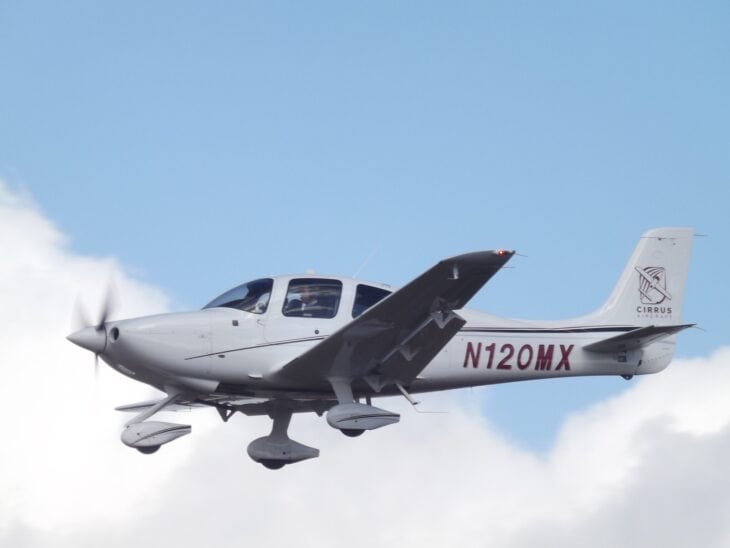
Texas Southern is the airline pick. It is the only Texas school on Delta’s Propel collegiate list and the only Texas university on United’s Aviate list, and in April 2026 it opened a 20,000-square-foot hangar at Houston Spaceport with 12 Cirrus SR20s.
Tarrant County College is the value pick: two-year in-county tuition and fees are $4,440, its Alliance flight line works with ATP and Veracity Aviation, and the waitlist is about a year. LeTourneau, flying from East Texas Regional Airport in Longview, runs Envoy and PSA cadet programs.
How much is a pilot’s license in Texas?
Texas schools’ own estimates put a private pilot certificate at about $8,500 to $21,735. The low end is pay-as-you-go Part 61 training in an older Cessna; the high end is a college Part 141 course, a difference our guide to Part 61 vs Part 141 explains.
| School | Private pilot estimate | Basis |
|---|---|---|
| Pilot Rise, Dallas and Fort Worth | $8,500 to $14,000 | Part 61, 40 to 60 hours, 2026 |
| Bird Dog Flight Services, Fort Worth | About $11,000 | School’s published estimate |
| Airplanes & Attitude, McKinney | $13,502 | Starting price at 40-hour minimums |
| Pegasus Flight School, Waco | $14,000 | Part 61, based on 50 hours |
| Lone Star College, Conroe | $16,050 | Private flight course, Cessna 172 |
| Texas Woman’s University, Denton | $19,800 | Private pilot flight lab |
| LeTourneau University, Longview | $21,735 | Primary Flight I and II, 2026-27 |
Treat the minimums with care. Airplanes & Attitude builds its $13,502 from the FAA’s 40-hour minimum and tells students to budget 50 percent more, while Pegasus prices its $14,000 on 50 hours.
Under FAA rules, a private pilot needs at least 40 hours under Part 61 or 35 hours in a Part 141 course, and must be 17 to hold the certificate. Most students take longer than either minimum.
Helicopter, glider and aerobatic training in Texas
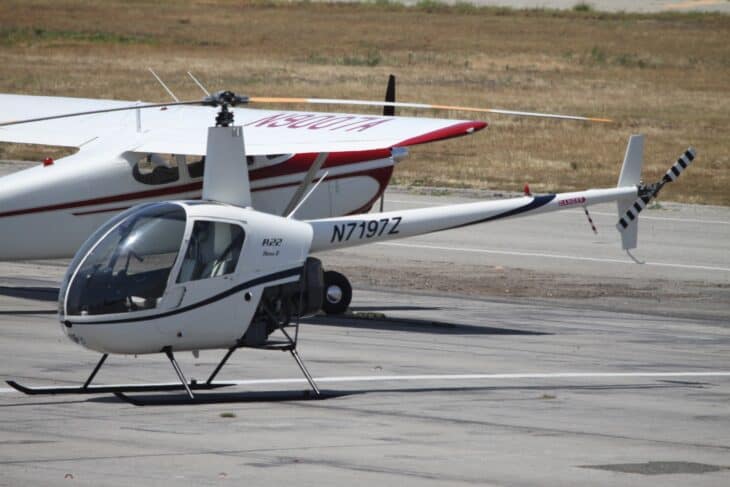
Baylor offers a helicopter concentration, flown in Robinson helicopters at Waco, with 2026-27 flight fees of $170,915. Texas State students can also train on helicopters with Veracity Aviation at Seguin.

The Texas Soaring Association in Midlothian, south of Dallas, is a glider club with FAA-certificated glider instructors. A demonstration ride costs $130, and full membership costs $500 to join plus $65 a month and $80 a year in Soaring Society of America dues.
Is Texas good for flight school?
Yes, for the airline jobs more than the weather. American Airlines is headquartered in Fort Worth and is the largest employer in North Texas, and Southwest, which first flew from Dallas Love Field in 1971, announced a new Austin crew base of about 335 pilots for 2026.

The weather depends on where you train. NOAA records 193 clear days a year in El Paso, 160 in Lubbock and 135 at Dallas-Fort Worth, but only 115 in Austin, 105 in San Antonio and 90 in Houston, against 211 in Phoenix.
Houston and the coast also sit in the Atlantic hurricane season, from June 1 to November 30. A school with enough aircraft and instructors to reschedule quickly matters more there.
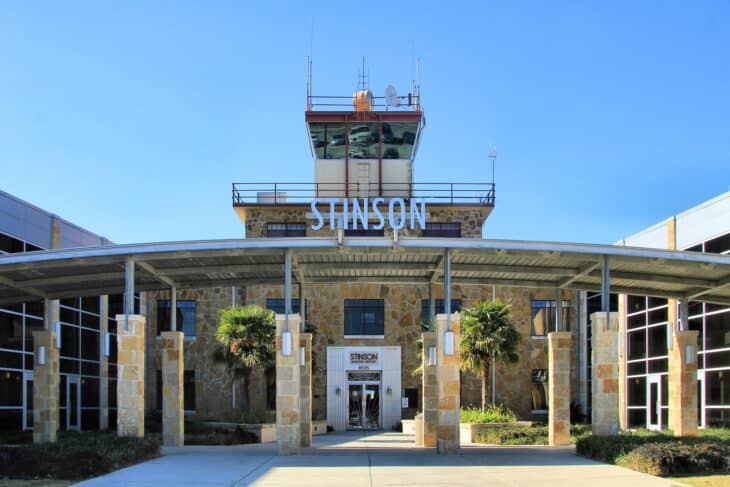
The airports keep students sharp. Addison, Thrust’s home, reports more than 120,000 operations a year and nearly 600 based aircraft, and San Antonio’s Stinson logged 94,193 operations in 2025.
Choosing well matters because many students never finish, and AOPA has estimated that 70 to 80 percent of student pilots drop out before earning a certificate. Our look at the reasons pilots fail at flight training covers why, and how to spot a school that will get you through.
FAQ
Sources and references used for research and fact-checking.
- ATP Flight School, Flight Training Locations
- ATP Flight School, Airline Career Pilot Program flight training details
- ATP Flight School, Training Center Premium
- ATP Flight School, Major airline pilot hiring up 40 percent
- Thrust Flight, Thrust Flight
- Thrust Flight, Zero Time to Airline
- Thrust Flight, Thrust Flight gives students a high-flying edge with new aerobatic program and team
- United Aviate, Welcoming Thrust Flight as an Aviate participating flight school
- United Aviate, Aviate flight school career path
- US Aviation Academy, Aviation academy cost
- US Aviation Academy, Conroe, TX Flight School Near Houston
- US Aviation Academy, Partnerships
- US Aviation Academy, US Aviation Academy
- Texas State University, Texas State, US Aviation Academy partner to offer aviation science degree
- AOPA, AOPA recognizes top flight instructors, schools in the nation
- AOPA, AOPA recognizes top instructors, schools by region
- AOPA, 2026 Flight Training Experience Awards winners
- AOPA, AOPA Foundation announces regional winners of top flight school, instructor awards
- State Aviation Journal, AOPA celebrates excellence in flight training through 2024 award winners
- In The Pattern, About In The Pattern
- In The Pattern, Fleet
- In The Pattern, Pricing
- AeroGuard, Texas flight school
- Coast Flight Training, Coast Flight Training Dallas
- Coast Flight Training, Bridge programs
- Texas State University, BAAS Aviation, Coast Flight San Marcos fees
- AFM, Texas State University adds helicopter training as aviation network expands
- Pilot Rise, How much does it cost to become a pilot
- Pilot Rise, Part 61 vs Part 141 flight training
- Pilot Rise, Detailed prices
- Bird Dog Flight Services, Pricing
- Code 1 Flight Training, Code 1 Flight Training
- Delta Qualiflight, Delta Qualiflight
- Delta Qualiflight, Facility and fleet
- Airplanes & Attitude Flight School, Flight training
- Pegasus Flight School, Private pilot training
- Paragon Flight Training, Locations
- FAA, Institutional Authority List
- eCFR, 14 CFR 61.160
- eCFR, 14 CFR 61.159
- eCFR, 14 CFR 61.109
- eCFR, 14 CFR 61.103
- eCFR, 14 CFR Part 141 Appendix B
- eCFR, 14 CFR 121.383
- Baylor University, Flight training costs
- Baylor University, Baylor University Flight Center
- LeTourneau University, Tuition and fees
- LeTourneau University, Student opportunities
- Delta Air Lines, Propel pilot career path
- Houston Airports, TSU aviation building opens at Houston Spaceport
- Texas Woman's University, Aviation cost of attendance review request
- Tarrant County College, Aviation Professional Pilot
- Tarrant County College, Aviation Professional Pilot program requirements
- Lone Star College, Professional Pilot
- Lone Star College, Pilot fees
- Central Texas College, Aviation Science
- Stephen F. Austin State University, Stephen F. Austin State University to offer aviation education
- Texas Soaring Association, Demo rides
- Texas Soaring Association, Join us
- NOAA NCEI, Comparative Climatic Data: cloudiness
- National Hurricane Center, Tropical cyclone climatology
- Addison Airport, General information
- San Antonio Airport System, Stinson pilot information
- American Airlines, DFW hub fact sheet 2025
- Southwest Airlines, Southwest Airlines to open new crew base at Austin-Bergstrom
- Southwest Airlines, About Southwest
- AOPA, AOPA embarks on quest to fix flight training
Get the Newsletter
The latest aviation news and stories sent to your inbox.
About the Author

Tim is the owner and lead editor of AeroCorner since 2019, overseeing aviation content covering aircraft, airlines, airports, and the broader aviation industry. Through years of researching, writing, editing, and publishing aviation-focused content, he has developed extensive practical knowledge of commercial aviation and air travel. Based in Asia and a frequent traveler himself, Tim also brings firsthand passenger experience to AeroCorner’s coverage. Outside of publishing, he has also explored aviation firsthand through hands-on flight training in New Zealand.