

Table of Contents
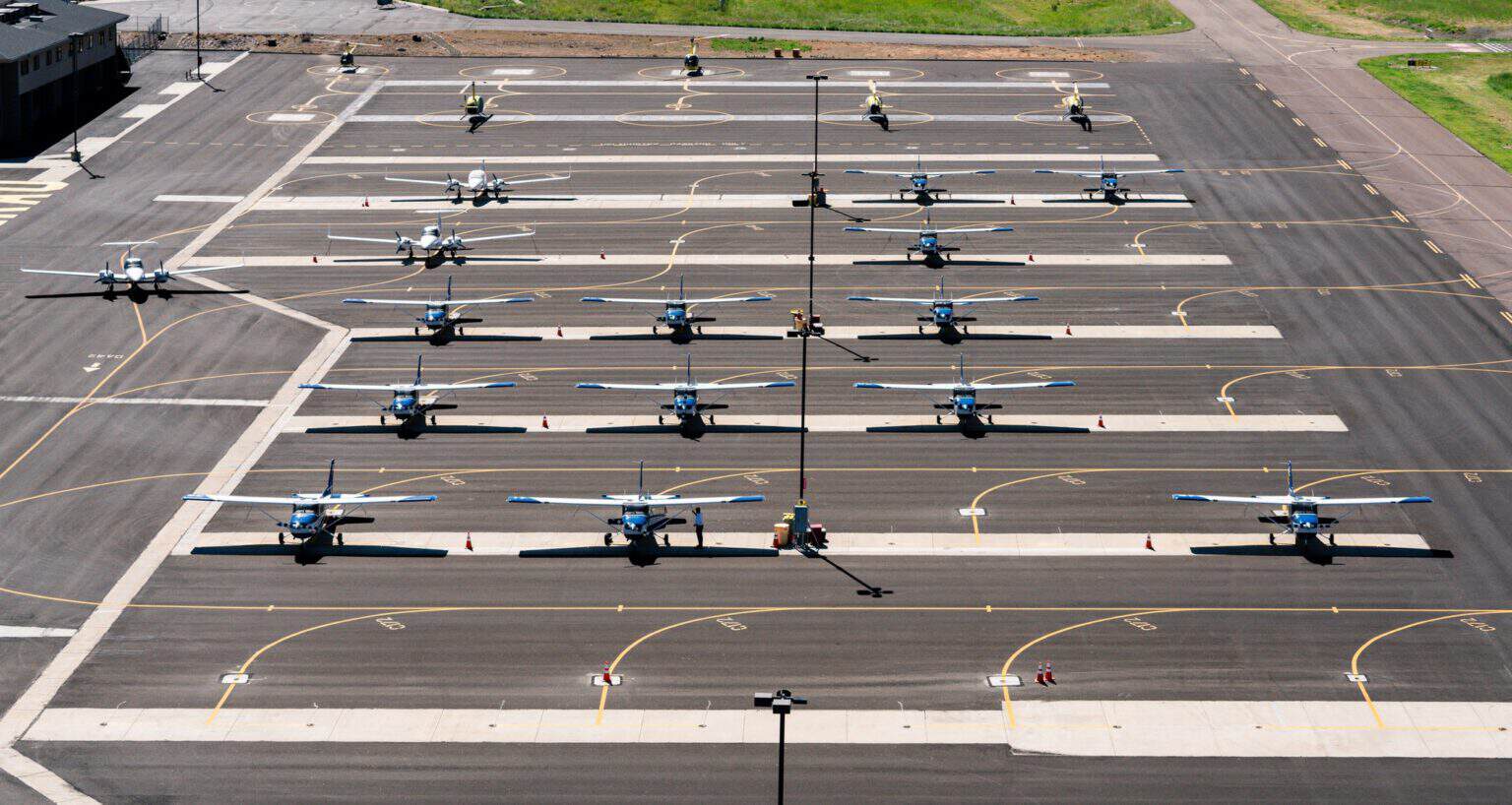
The best aviation college in the US for a future airline pilot is the University of North Dakota. It combines a fleet of more than 100 aircraft, more than 2,400 students and 125,000 flight hours a year at a public university, with a seat on both Delta’s and United’s pilot pathway lists.
Embry-Riddle Aeronautical University is the closest challenger and the biggest name in the field. It drops to second on private-university tuition, not quality.
This ranking judges schools on what a degree actually changes for a pilot, as of September 2026: whether graduates can reach the airlines at 1,000 hours instead of 1,500, whether the major airlines recruit from the campus, how much training capacity the school has, and what it costs.
| Rank | School | Standout | Delta Propel | United Aviate |
|---|---|---|---|---|
| 1 | University of North Dakota | 100+ aircraft, 2,400+ students | Yes | Yes |
| 2 | Embry-Riddle (Daytona Beach and Prescott) | 174 Cessna 172s across two campuses | Yes | Yes |
| 3 | Purdue University | First university-owned airport in the US | Yes | Yes |
| 4 | University of Oklahoma | FLYING’s No. 1 aviation college in 2022 | Yes | Yes |
| 5 | Western Michigan University | 32 Cirrus SR20s, 1,200+ undergraduates | Yes | Yes |
| 6 | The Ohio State University | 2026 Loening Trophy, 737 simulator | Yes | No |
| 7 | Auburn University | Regional airport under 3 miles from campus | Yes | Yes |
| 8 | Florida Institute of Technology | All-Piper fleet of nearly 40 aircraft | Yes | Yes |
| 9 | Kent State University | Own airport, 34 planes | Yes | Yes |
| 10 | Southern Illinois University | 600+ students, 60,000 sq ft hangar | Yes | Yes |
| 11 | Kansas State University Salina | Towered airport next to campus | Yes | No |
| 12 | Middle Tennessee State University | 38 Diamond DA40s, 1,200+ students | Yes | No |
How this ranking works
Gate: the school must appear on the FAA list of institutions authorized to certify bachelor’s graduates for the restricted ATP at 1,000 hours. Then four tests, in order of weight: airline pathway access (Delta Propel affiliate and United Aviate university partner lists), training capacity (fleet, students, flight hours and airport, as each school publishes them), value (published tuition and flight costs), and outside recognition (FLYING’s 2022 guide and the 2026 Loening Trophy). Helicopter, drone and management-only programs were not ranked.
Why the degree matters: the 1,000-hour rule
An airline first officer needs an airline transport pilot certificate, which normally takes 1,500 flight hours. Graduates of an FAA-authorized bachelor’s program in aviation can qualify for a restricted ATP at 1,000 hours, and associate degree holders at 1,250.
That 500-hour discount is the main career advantage an aviation college sells, and our guide to the ATP certificate explains how it works. Many graduates build those hours as flight instructors, and Delta’s Propel program requires applicants to be working as one.
The FAA’s authorization list, revised on September 15, 2026, names more than 100 institutions. The difference between them is everything else: airline access, fleet size, waiting lists and price.
1. University of North Dakota
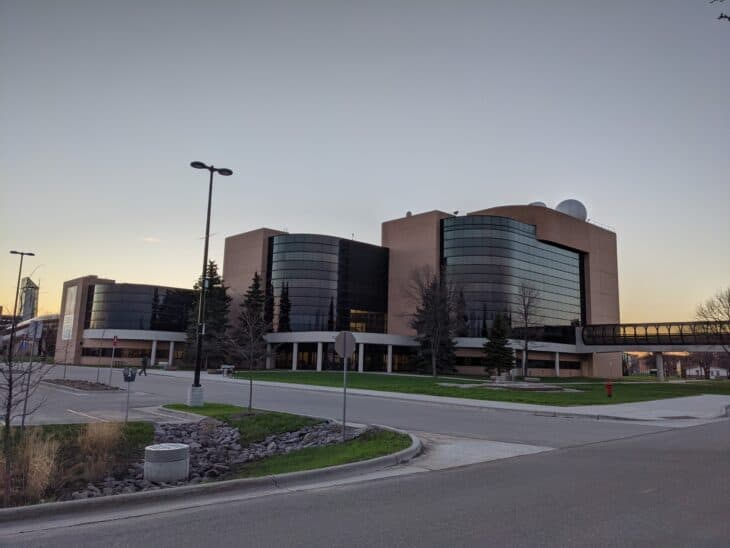

UND’s John D. Odegard School of Aerospace Sciences runs one of the biggest collegiate flight operations in the country. It reports more than 100 aircraft, more than 200 flight instructors, more than 2,400 students and more than 125,000 flight hours a year.
Students fly Piper Archers from private pilot through instructor certificates and Piper Seminole twins for multi-engine work. A King Air C90GTi turboprop gives advanced students high-altitude, high-performance experience before they reach an airline.
UND is on both the Delta Propel and United Aviate lists. It also holds Part 141 examining authority, so students take an in-house end-of-course test instead of waiting for an outside examiner’s checkride.
The published flight cost for the Commercial Aviation major is $104,207, on top of tuition, covering every certificate from private pilot to instrument instructor plus a jet transition course. That is a high number, but it is the full sequence, with no instructor rating left out.
First on the list
UND’s letter of authorization is dated August 21, 2013, the earliest issue date on the FAA’s current list of schools allowed to certify graduates for the 1,000-hour restricted ATP. John Odegard started the program in 1968 with two donated aircraft.
2. Embry-Riddle Aeronautical University
_(6-4-2025).jpg)
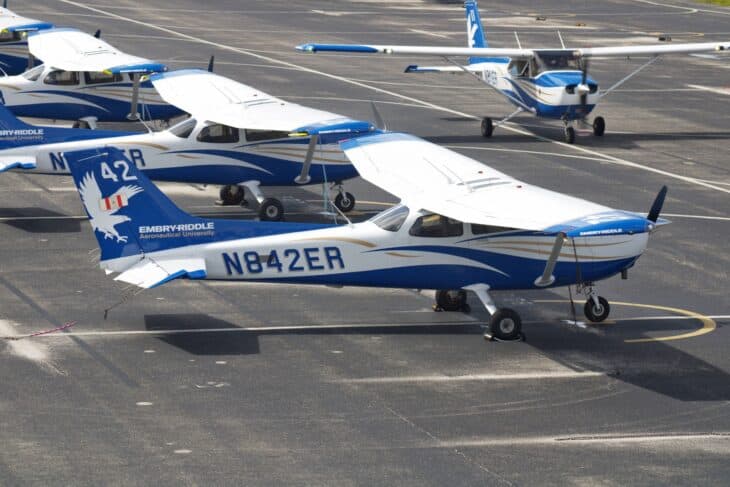
Embry-Riddle is the first name most families hear when they start looking at aviation colleges, and its scale backs that up. As of March 2026 it flies 174 Cessna 172s: 96 at Daytona Beach, Florida, and 78 at Prescott, Arizona.
Every primary trainer carries a Garmin G1000 glass cockpit, and multi-engine training moves to Diamond DA42-VI twins. Both campuses appear separately on Delta’s Propel list, and Embry-Riddle is on United’s Aviate list.
It sits second because it is a private university. Daytona Beach tuition alone is $45,888 for 2026-27, and the university tells families to budget $23,000 to $33,000 a year for flight fees in the first two years and $10,000 to $15,000 in the third.
Those flight figures are Embry-Riddle’s minimums, charged pay-as-you-go after every lesson. A student who needs extra hours pays for them.
3. Purdue University

Purdue is the value pick among the big names. Base tuition and fees for Indiana residents stay under $10,000 in 2026-27, the 14th straight year Purdue has frozen them, though flight fees are charged on top.
The professional flight major is accredited by the Aviation Accreditation Board International, and Purdue says students can finish it in three years. It is on both the Delta and United lists.
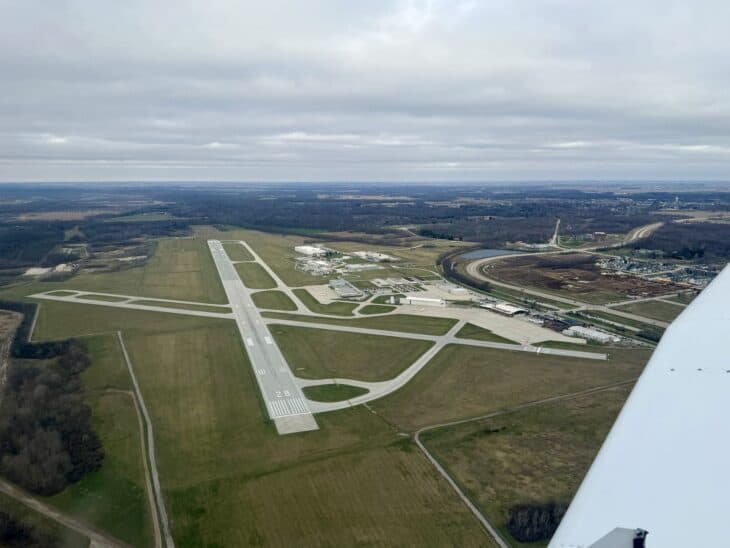
Training runs from Purdue University Airport in West Lafayette, a public airport the university owns and operates.
The first campus airport
Purdue University Airport was the first university-owned airport in the United States. Inventor David E. Ross donated the land for it in 1930.
4. University of Oklahoma
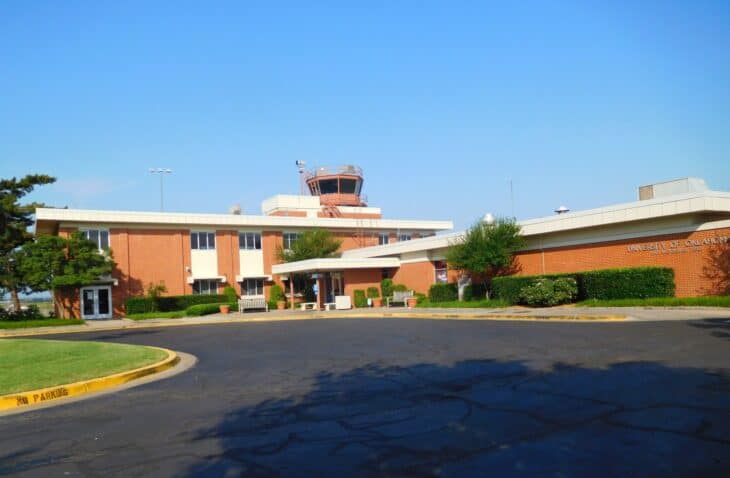

FLYING magazine’s 2022 flight school guide ranked Oklahoma the No. 1 aviation college in the country, with 43 of 50 points. It scored 9 of 10 on value, with tuition and flight costs below average for a large, well-known university.
OU has spent heavily since. It flies 28 Piper Warriors and Pilot 100i trainers from its own Max Westheimer Airport in Norman, with all of them due to be new 100is by 2027. It added its first helicopters in 2024.
It is smaller than the top three: the school says up to 100 students a year finish their private pilot certificate there. For a student who wants a big-university experience with a mid-sized flight line, that is a feature, and OU is on both airline lists.
5. Western Michigan University
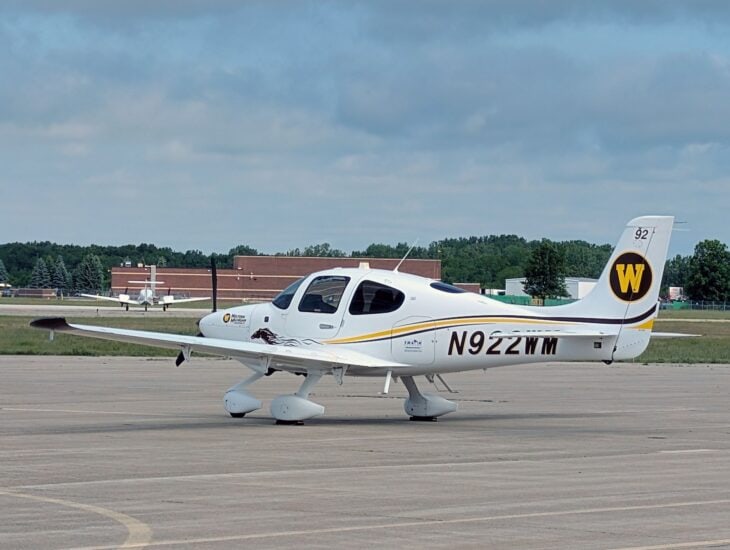

Western Michigan’s College of Aviation has more than 1,200 resident undergraduates, one of the largest enrollments on this list. It traces its aviation program to 1939.
The fleet is built around 32 Cirrus SR20 G7s, plus nine Piper Seminoles, a Super Cub and a Super Decathlon for tailwheel and upset training. Western Michigan is on both the Delta and United lists.
6. The Ohio State University
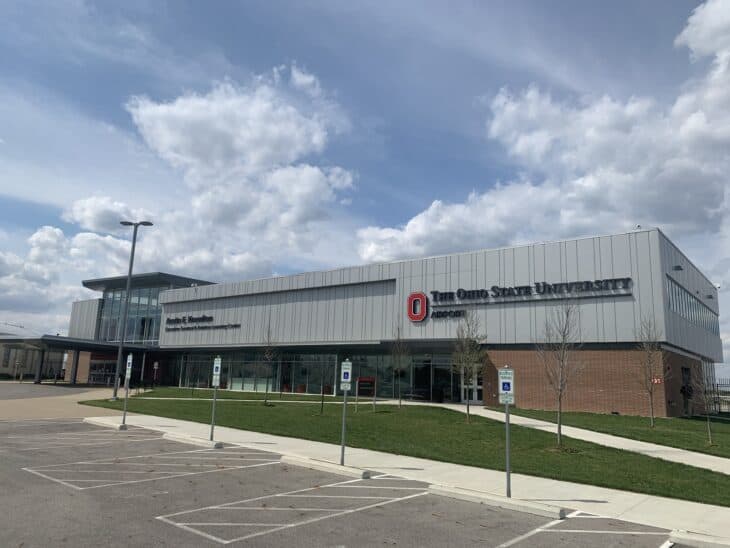

Ohio State is the momentum pick. The university says it won the Loening Trophy from Alpha Eta Rho as the nation’s top collegiate aviation program in 2026, and its trustees relaunched a full Department of Aviation on July 1, 2026.
Ohio State describes its program as the nation’s oldest, dating to a School of Aeronautics that opened on May 21, 1917. Today it teaches more than 500 students, with a fleet of 21 aircraft and a 737 simulator at the university-owned airport.
It ranks sixth because it is on Delta’s Propel list but not United’s Aviate list, and its flight program is smaller. Ohio State says more than 100 students earn FAA certificates and ratings there each year.
7. Auburn University
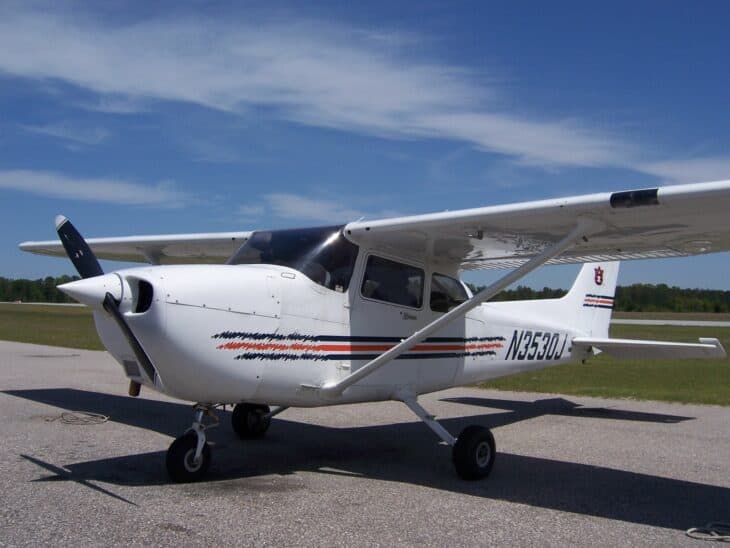

Auburn runs a Part 141 pilot school at Auburn University Regional Airport, less than 3 miles from campus. Its professional flight degree qualifies graduates for the restricted ATP, and Auburn sits on both airline lists.
Admission is a two-step process, with a secondary application to the flight program after admission to the university. Students must hold a C in every major course and a 2.70 overall GPA to stay in.
8. Florida Institute of Technology
_(2-15-2023).jpg)
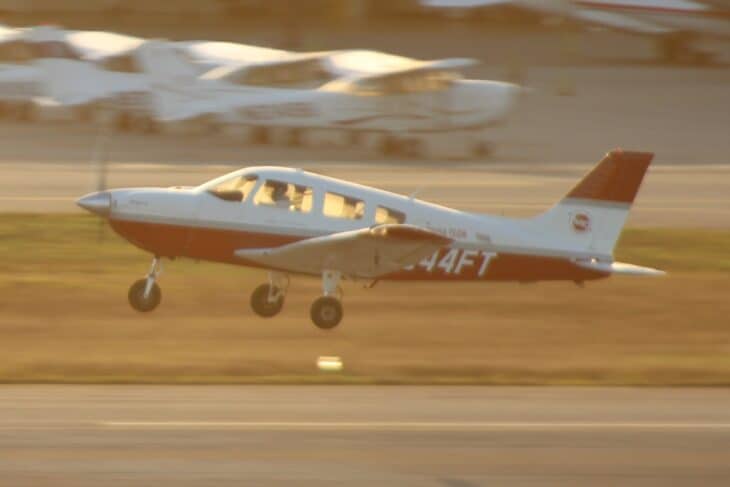
Florida Tech trains at the Emil Buehler Center at Melbourne Orlando International Airport, 2.5 miles from campus. Students start flying in their first semester.
A $3.2 million purchase of eight Piper Pilot 100i trainers in 2023 brought the fleet to nearly 40 aircraft, almost all Pipers. Florida Tech is on both the Delta and United lists.
9. Kent State University
Kent State owns its airport, Andrew Paton Field, which opened as Stow Field in 1920 and predates Cleveland Hopkins. Kent State flight students log more than 13,000 flights a year there, nearly 90% of the airport’s operations.
The university says its 34 planes form the largest academic fleet in Ohio, training 393 students a year. FLYING’s 2022 guide placed Kent State fourth, and it is on both airline lists.
10. Southern Illinois University
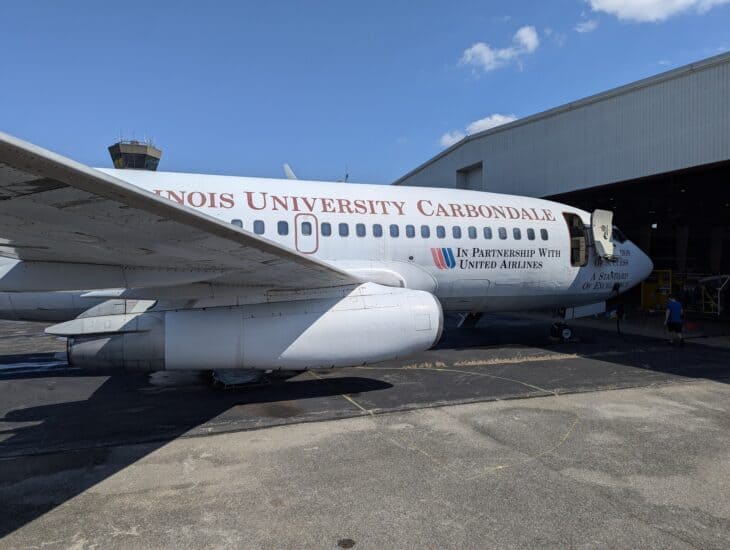

SIU’s School of Aviation began as a service unit with four airplanes and now has more than 600 students. It trains at the Transportation Education Center at Southern Illinois Airport, which includes a 60,000-square-foot hangar and classroom building.
SIU is on both airline lists and has international reach, including an agreement to prepare pilots, mechanics and avionics technicians for Saudia. It suits a student who wants flight, maintenance and management programs under one roof.
11. Kansas State University Salina
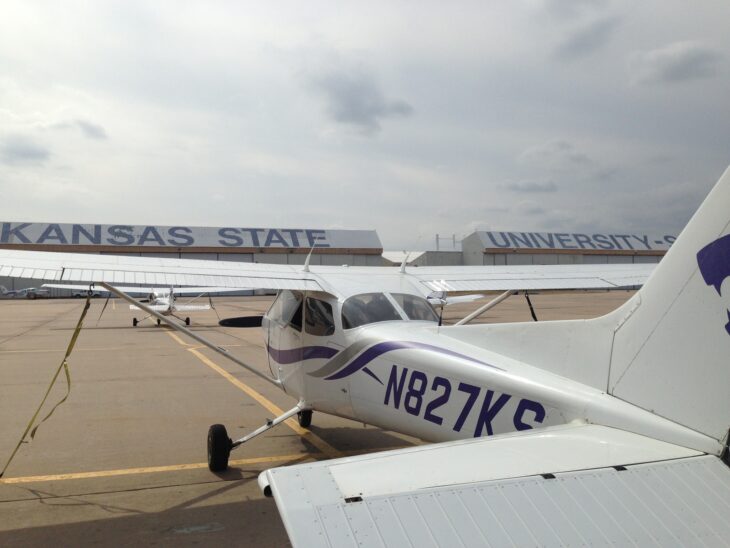

K-State Salina’s professional pilot degree operates from a towered airport next to campus, with more than 30 aircraft and flight training devices. Its Part 141 approval lets students finish commercial pilot training in as few as 190 hours instead of 250, a difference explained in our Part 61 vs Part 141 guide.
It is on Delta’s Propel list but not United’s. K-State is also unusually candid: demand is so high that enrolled students are not guaranteed a flight slot and may be waitlisted, which is a question worth asking every school on this list.
12. Middle Tennessee State University
.jpg)
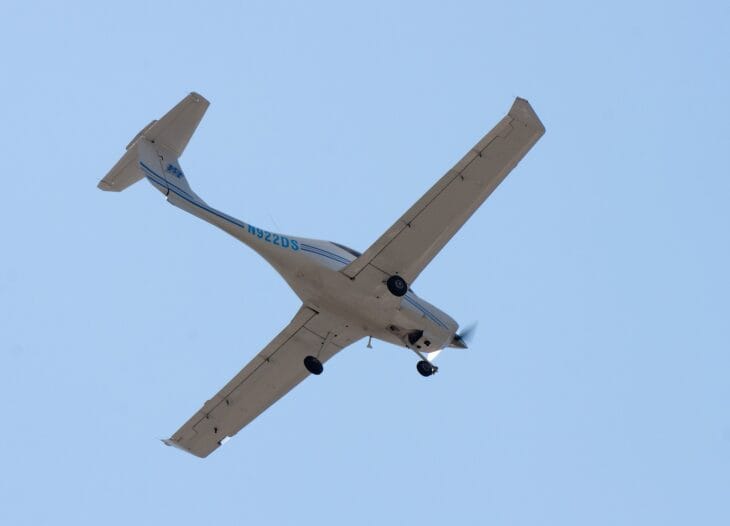
MTSU’s Department of Aerospace has more than 1,200 students and more than 80 years of history. Its fleet is built around 38 Diamond DA40s, with three DA20s for instructor spin training and seven Piper Seminoles.
It is on Delta’s Propel list but not United’s Aviate list, which keeps it at 12. As a public university in Murfreesboro, near Nashville, it is a strong in-state option for Tennessee students.
What an aviation degree actually costs
Flight training is billed separately from tuition at every school here, and schools publish it in different ways. That makes most cost comparisons misleading.
UND’s $104,207 figure covers the full commercial aviation flight sequence, including instructor ratings and a jet transition course. Embry-Riddle’s yearly ranges add up to roughly $56,000 to $81,000 at the minimum course hours, on top of $45,888 a year in tuition.
Ask every school the same three questions: what the full flight sequence costs through the instructor ratings, what share of students finish at the minimum hours, and how long the wait is for a flight slot. Our breakdown of what a pilot license really costs shows why the quote and the final bill rarely match.
What about the 80% dropout figure?
The claim that 80% of flight students quit comes from AOPA-commissioned research presented in 2010, which found student pilots drop out at a rate approaching 80%. It measured student pilots in general, not students in university degree programs, and the study found cost was not a statistically significant reason people quit. Instruction quality and support mattered more, which is exactly what a strong aviation college is built to provide.
Strong programs that just missed the top 12
Several schools hold the FAA’s bachelor’s authorization and at least one airline pathway, and would top the list for the right student. Liberty University, Louisiana Tech, Bridgewater State and Delta State University are all on Delta’s Propel list.
Metropolitan State University of Denver is a United Aviate partner. Elizabeth City State University and Texas Southern University, two historically Black universities, appear on both the Delta and United lists.
Oklahoma State and LeTourneau University hold the FAA authorization but appear on neither airline list. Neither list is the only road to an airline, and our guide to how long it takes to become an airline pilot maps the other routes.
FAQ
Sources and references used for research and fact-checking.
- Federal Aviation Administration, Institutions Authorized to Certify its Graduates for an ATP Certificate with Reduced Aeronautical Experience
- Delta Air Lines, Propel Pilot Career Path Program: Collegiate and CFI Pilot Career Path
- United Aviate, Attending a partner university
- University of North Dakota, Prospective Students, Department of Aviation
- University of North Dakota, Your First Flight Course
- University of North Dakota, Fleet and Training Devices
- University of North Dakota, Program Costs
- Wikipedia, John D. Odegard School of Aerospace Sciences
- Embry-Riddle Aeronautical University, Generations of Pilots: The Enduring Legacy of the Cessna 172 Skyhawk at Embry-Riddle
- Embry-Riddle Aeronautical University, Aircraft Fleet and Flight Simulators
- Embry-Riddle Aeronautical University, Daytona Beach Flight Course Costs and Payment
- Embry-Riddle Aeronautical University, Tuition and Estimated Costs
- Purdue University, Flight (Professional Flight Technology) major
- Purdue University, Trustees approve 2027 budget, maintaining frozen base tuition for main campus
- Wikipedia, Purdue University Airport
- FLYING Magazine, See Where Top Aviation Universities Rank
- University of Oklahoma, About Aviation
- University of Oklahoma, OU School of Aviation Welcomes First Helicopters, Nine Planes During Fly-In Event
- Western Michigan University, About the College of Aviation
- The Ohio State University, A new chapter for Ohio State Aviation
- Auburn University, Professional Flight
- Auburn University, Professional Flight FAQs
- Florida Institute of Technology, Facilities and Fleet
- Florida Institute of Technology, Florida Tech Adds Eight Piper Aircraft for Flight Training
- Kent State University, FAA Grant to Kent State Airport Enhances Student Training
- Kent State University, Support Our Fleet
- Southern Illinois University, About Us, School of Aviation
- Kansas State University Salina, Professional Pilot Degrees
- Middle Tennessee State University, Department of Aerospace
- Middle Tennessee State University, MTSU Aircraft
- AOPA, Flight Training Summit
Get the Newsletter
The latest aviation news and stories sent to your inbox.
About the Author

Tim is the owner and lead editor of AeroCorner since 2019, overseeing aviation content covering aircraft, airlines, airports, and the broader aviation industry. Through years of researching, writing, editing, and publishing aviation-focused content, he has developed extensive practical knowledge of commercial aviation and air travel. Based in Asia and a frequent traveler himself, Tim also brings firsthand passenger experience to AeroCorner’s coverage. Outside of publishing, he has also explored aviation firsthand through hands-on flight training in New Zealand.