

Table of Contents
The system was built for a passenger whose pilot has collapsed. The one time it has landed a plane in a real emergency, two conscious pilots sat back and let it.
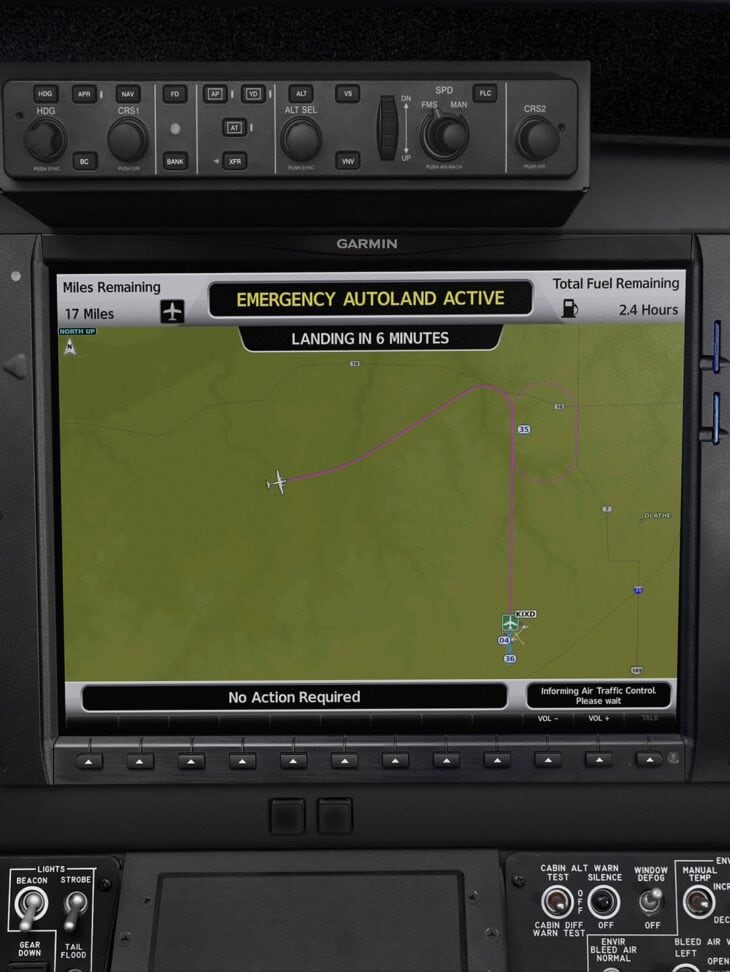
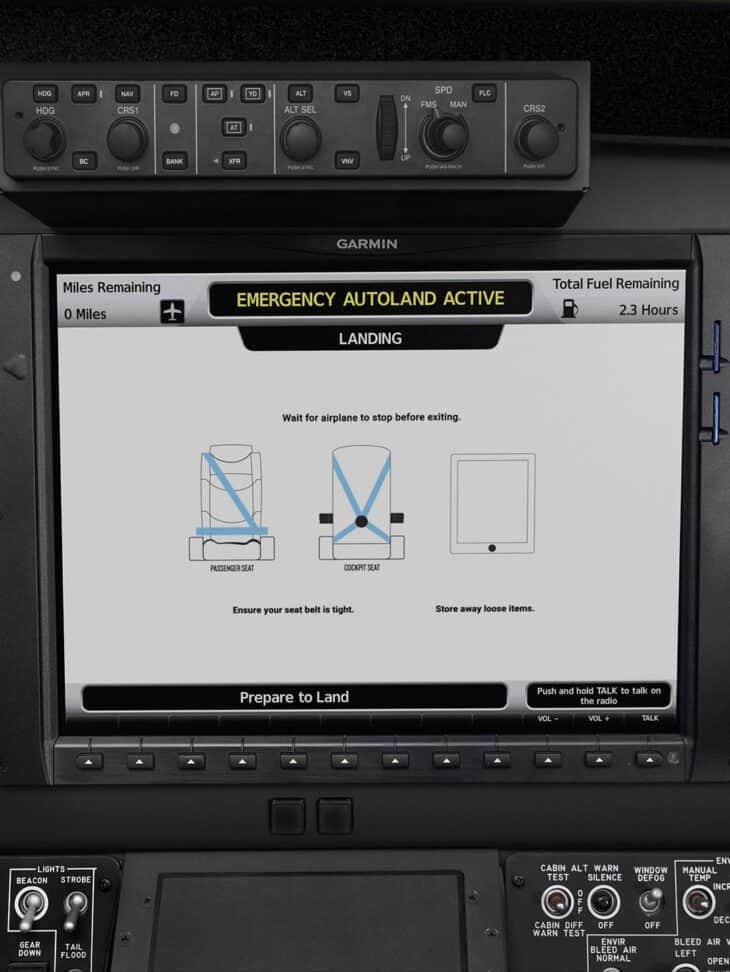
Garmin said on Oct. 14, 2026 that more than 2,500 aircraft now carry its Emergency Autoland, a system that can find an airport, fly the approach, land, brake and shut down the engines with nobody touching the controls.
In six years of service, it has finished only one publicly reported landing in an actual emergency. That was a King Air B200 in Colorado on Dec. 20, 2025. Its radio broadcasts told air traffic control the pilot was incapacitated. Neither pilot was.
Why two awake pilots let the King Air land itself
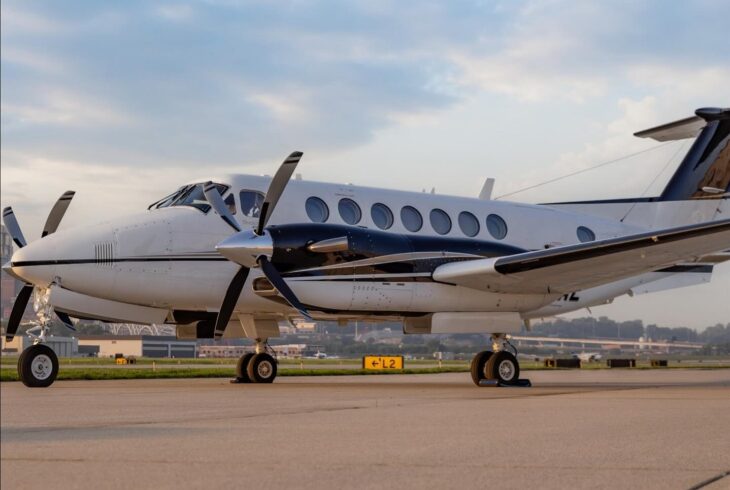
King Air N479BR was repositioning from Aspen with only its two pilots aboard. According to its operator, Buffalo River Aviation, it was climbing through 23,000 feet (7,000 m) when it suffered a rapid, uncommanded loss of pressurization.

Both pilots pulled on their oxygen masks. As the cabin altitude climbed past safe limits, Garmin’s Emergency Descent Mode and Autoland engaged on their own, exactly as designed, and the system picked Rocky Mountain Metropolitan Airport outside Denver.
The crew could have cancelled it with one press of the autopilot disconnect. They chose not to. Buffalo River CEO Chris Townsley later listed the reasons: cloud, mountainous terrain, active icing, a pressure loss nobody could yet explain, and a system he called all-or-nothing.
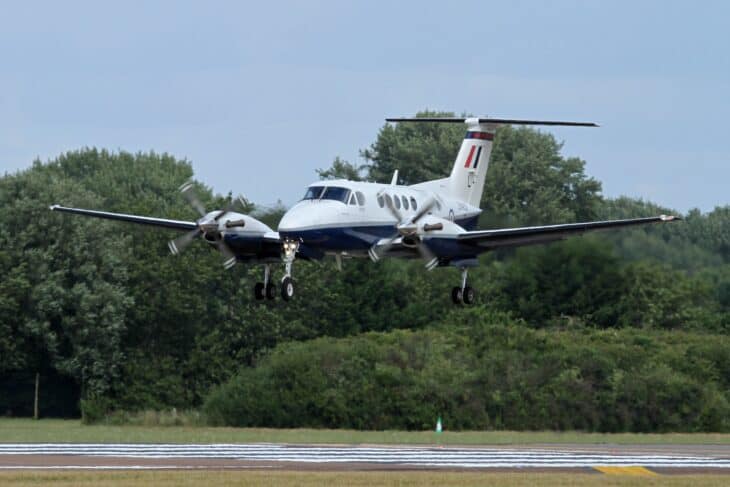
That last point is the hinge. Autoland does not share the cockpit. Once it is flying, the pilots either hand it the whole job or take the whole job back, so the crew left it on, monitored it, and stayed ready to grab the controls if it misbehaved.
The radio said pilot incapacitation. It was wrong.
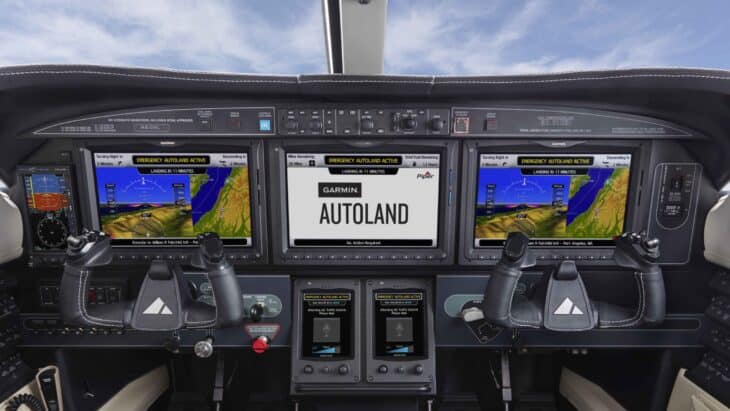
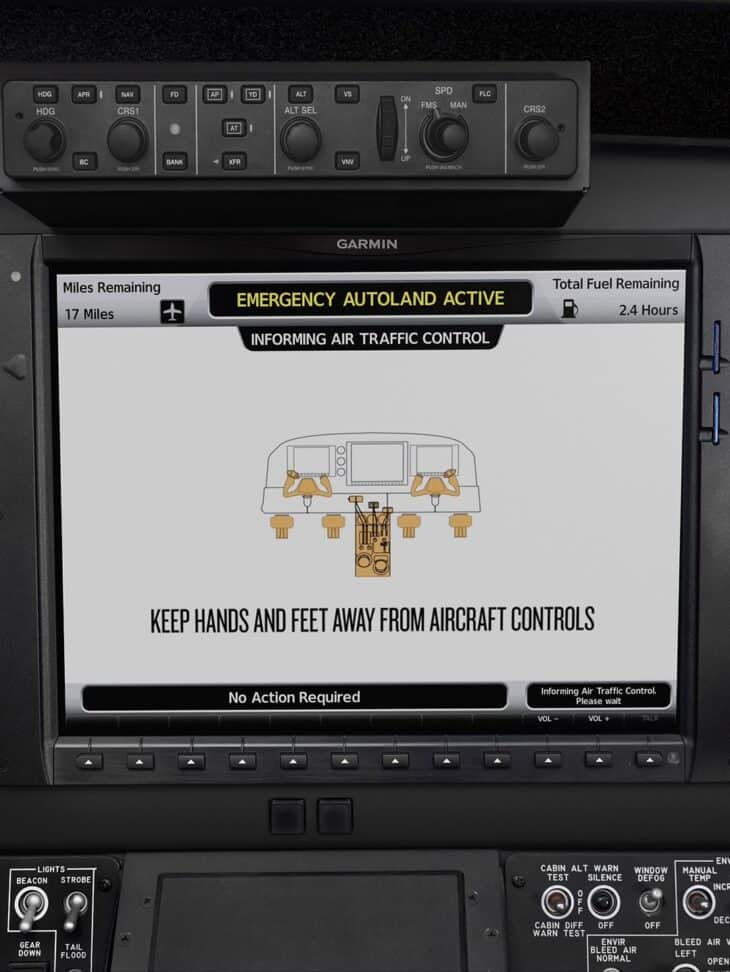
Autoland’s synthetic voice told the tower the King Air’s pilot was incapacitated, because that is the message the system is built to send. The operator says neither pilot ever was. Early news reports repeated the computer’s broadcast as fact.
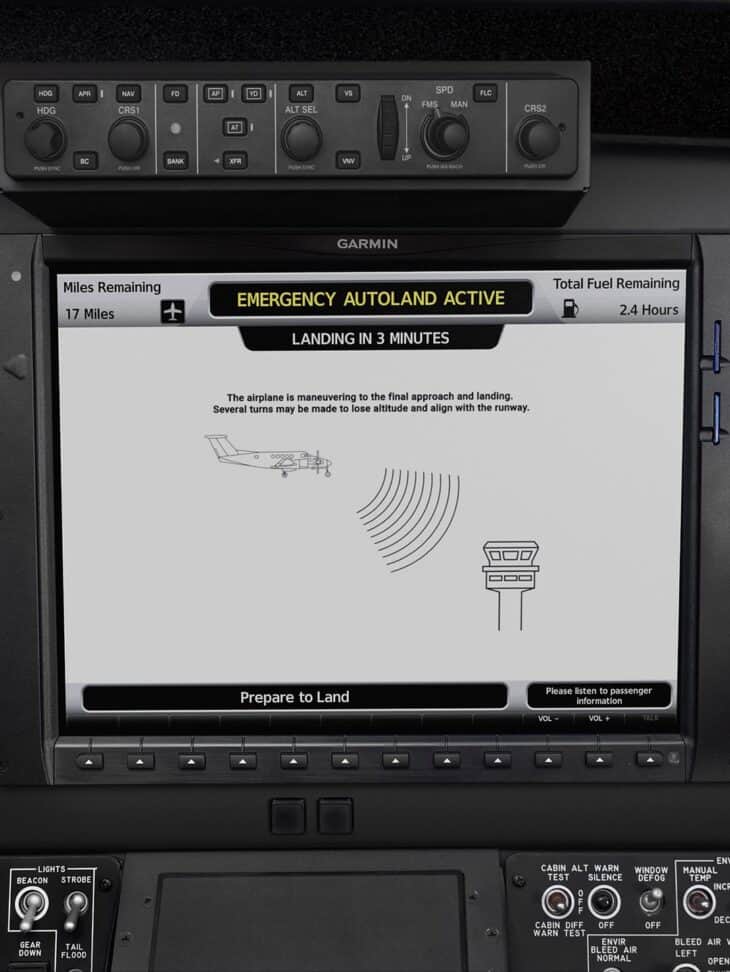
The tower at Rocky Mountain Metropolitan treated it as a no-radio King Air in an emergency. The controller cleared it to land on any runway, told other traffic the field was closed, and listened as the computer counted down its own arrival on Runway 30R.
It landed safely. The next day the same airplane flew on to Oklahoma City, cruising at 11,000 feet.
From one Piper in 2020 to 2,500 airplanes in 2026
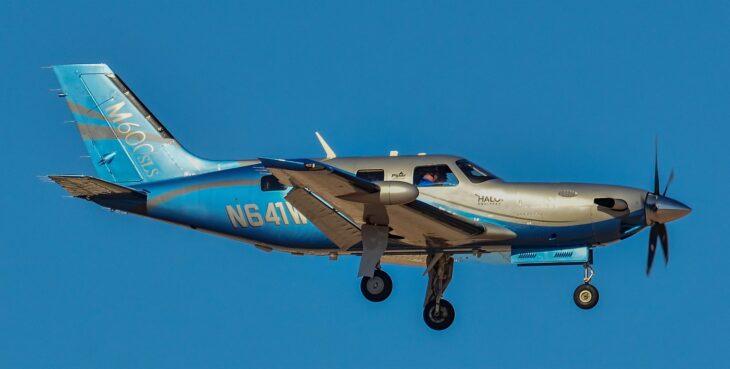
Garmin unveiled Autoland on Oct. 30, 2019, and the FAA first certified it in May 2020 on the Piper M600 SLS single-engine turboprop. It won the 2020 Collier Trophy, the National Aeronautic Association’s annual prize for the greatest achievement in American aeronautics.
.jpg)
Growth has been steady and, lately, fast. Garmin told The Register that more than 1,700 in-service aircraft carried the system in late December 2025. AIN put the figure above 2,000 in August 2026, and Garmin’s own count passed 2,500 in October.
Most of those were built with it. Garmin says nearly 250 were retrofitted after delivery, a group that includes eligible King Airs, a design that has been in production for more than 50 years.
| Date | Autoland milestone |
|---|---|
| Oct. 30, 2019 | Garmin unveils the system |
| May 2020 | First FAA certification, Piper M600 SLS |
| Dec. 20, 2025 | First start-to-finish landing in a real emergency (King Air B200) |
| Late Dec. 2025 | More than 1,700 aircraft equipped |
| Aug. 2026 | More than 2,000 aircraft equipped |
| Oct. 14, 2026 | More than 2,500 aircraft equipped, on more than 15 certified models |
The model list now runs from piston singles to business jets: the Cirrus SR20, SR22 and SR22T in their G7+ versions, the Cirrus Vision Jet, Daher’s TBM 940, 960 and 980, Piper’s M600 SLS and M700 Fury, and select King Air 200, B200, 300 and 350 models.
Four more joined in 2026: the Pilatus PC-12 PRO, the Epic E1000 AX, the HondaJet Elite II and the Embraer Phenom 300EV. The last two are the first twin-engine jets to get it.


Why a pressure leak, not a heart attack, was the real test
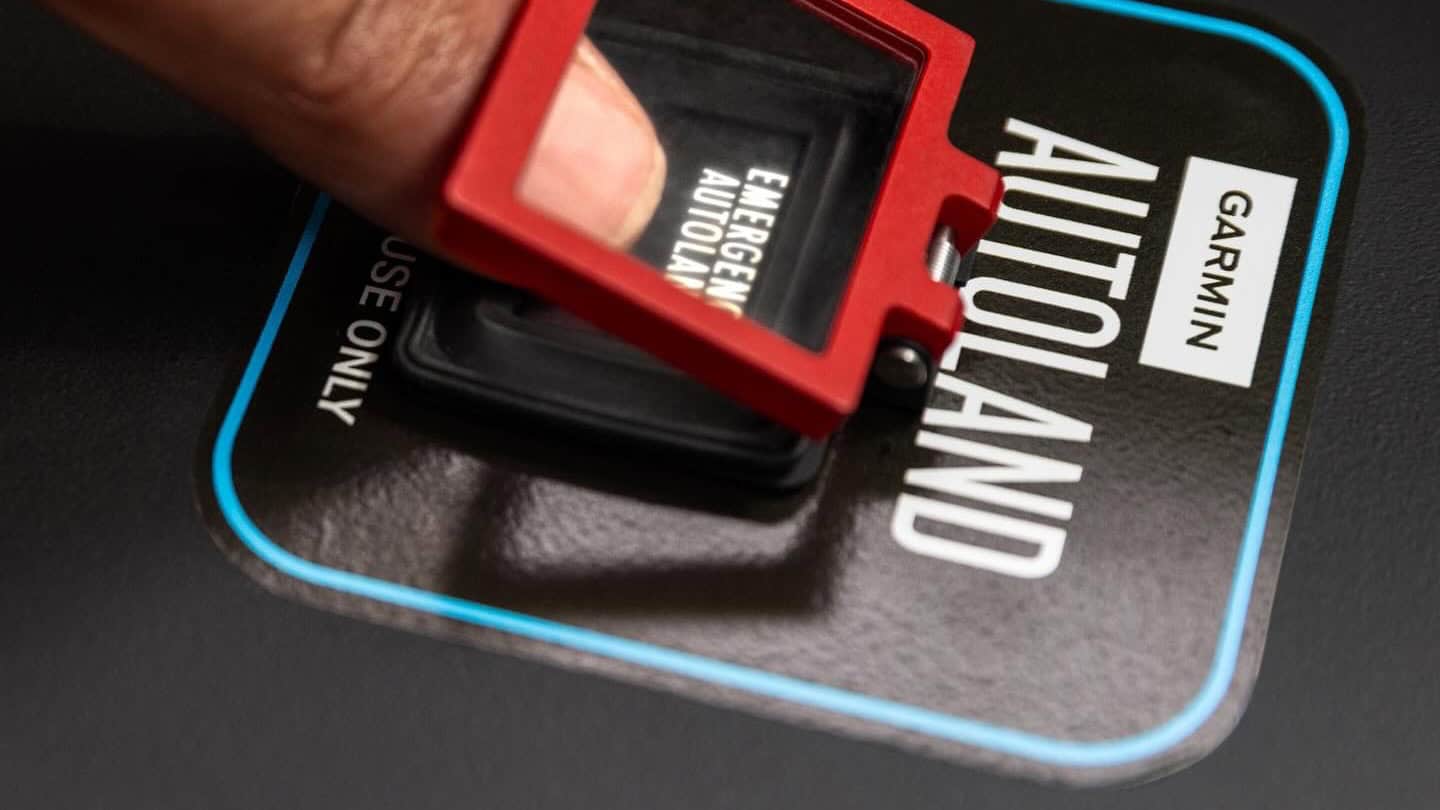
The public picture of Autoland is a passenger pressing a red button after the pilot slumps over. The button exists, and the system also takes over if the pilot stops interacting with the airplane for a set time.
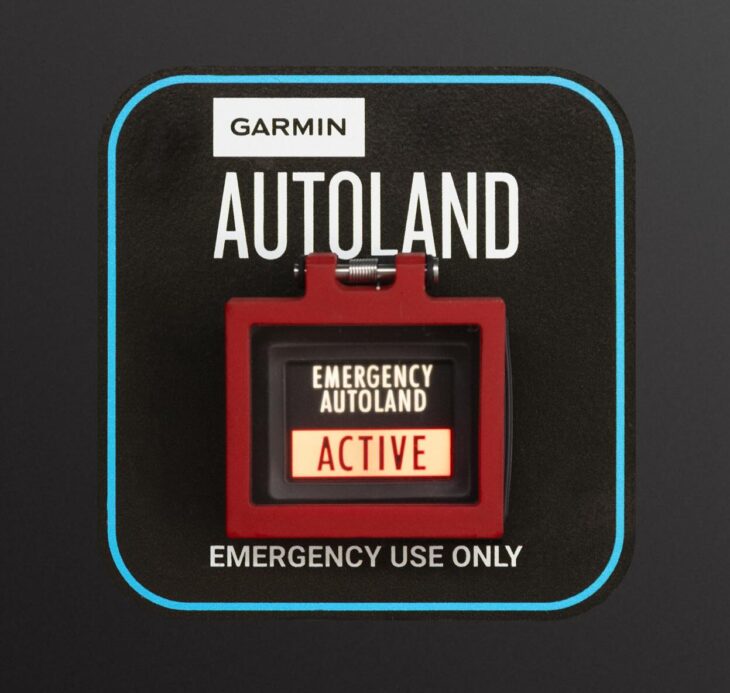
Colorado showed a third trigger may matter just as much: loss of cabin pressure. At 23,000 feet, the air is too thin to keep a pilot conscious for long without oxygen, which is why cabins are pressurized in the first place.
Aviation knows how that ends without automation. In 1999, a Learjet 35 carrying golfer Payne Stewart stopped answering air traffic control after a suspected pressurization failure and flew on by itself for nearly four hours before running out of fuel over South Dakota.
The King Air pilots were not in that position. They had their masks on and their wits about them, which is exactly what makes their choice interesting. In icing, in cloud, over mountains, with an unknown failure, two trained pilots judged the computer the safer pair of hands.
Garmin called it the first use of Autoland from start to finish in an actual emergency. The FAA said it would investigate, and the NTSB said it was gathering information to decide whether the event met its criteria for an investigation.
Where Autoland goes next
Garmin expects four more certifications in 2027: Textron Aviation’s Cessna Citation M2 Gen3, CJ3 Gen3 and CJ4 Gen3, plus the new Beechcraft Denali turboprop.
The system still has hard limits. It only picks runways with a GPS approach offering both lateral and vertical guidance, and it weighs weather, fuel, runway length and surface, terrain and the airplane’s own performance before choosing one.
What 2,500 installations and one real landing really measure is rarity. Emergencies serious enough to need a computer to land the airplane almost never happen, which is why the only data point so far came from a crew that could have flown it themselves.
That King Air’s radio told the tower its pilot was incapacitated while both pilots sat right there, masks on. The next real activation may be the one the system was designed for, with nobody left in the cockpit to correct the record.
Sources and references used for research and fact-checking.
- Garmin via PR Newswire (StockTitan), More than 2,500 aircraft are now equipped with Garmin's Autoland
- AVweb, Garmin Autoland Tops 2,500 Aircraft
- AIN, King Air B200 Lands After Garmin Autoland Activation
- The Register, Garmin autopilot lands small aircraft without human assistance
- AIN, Emergency autoland reshapes light aircraft market
- Flying, Garmin's Autoland Passes First Real-World Test
- AvBrief, Autoland Saves King Air, Everyone Safe, FAA, NTSB Launch Probes
- Garmin via AviationPros, Garmin revolutionizes the aviation industry with the first Autoland system for general aviation aircraft
- Garmin, Garmin Autoland wins prestigious Robert J. Collier Trophy
Get the Newsletter
The latest aviation news and stories sent to your inbox.
About the Author

Tim is the owner and lead editor of AeroCorner since 2019, overseeing aviation content covering aircraft, airlines, airports, and the broader aviation industry. Through years of researching, writing, editing, and publishing aviation-focused content, he has developed extensive practical knowledge of commercial aviation and air travel. Based in Asia and a frequent traveler himself, Tim also brings firsthand passenger experience to AeroCorner’s coverage. Outside of publishing, he has also explored aviation firsthand through hands-on flight training in New Zealand.