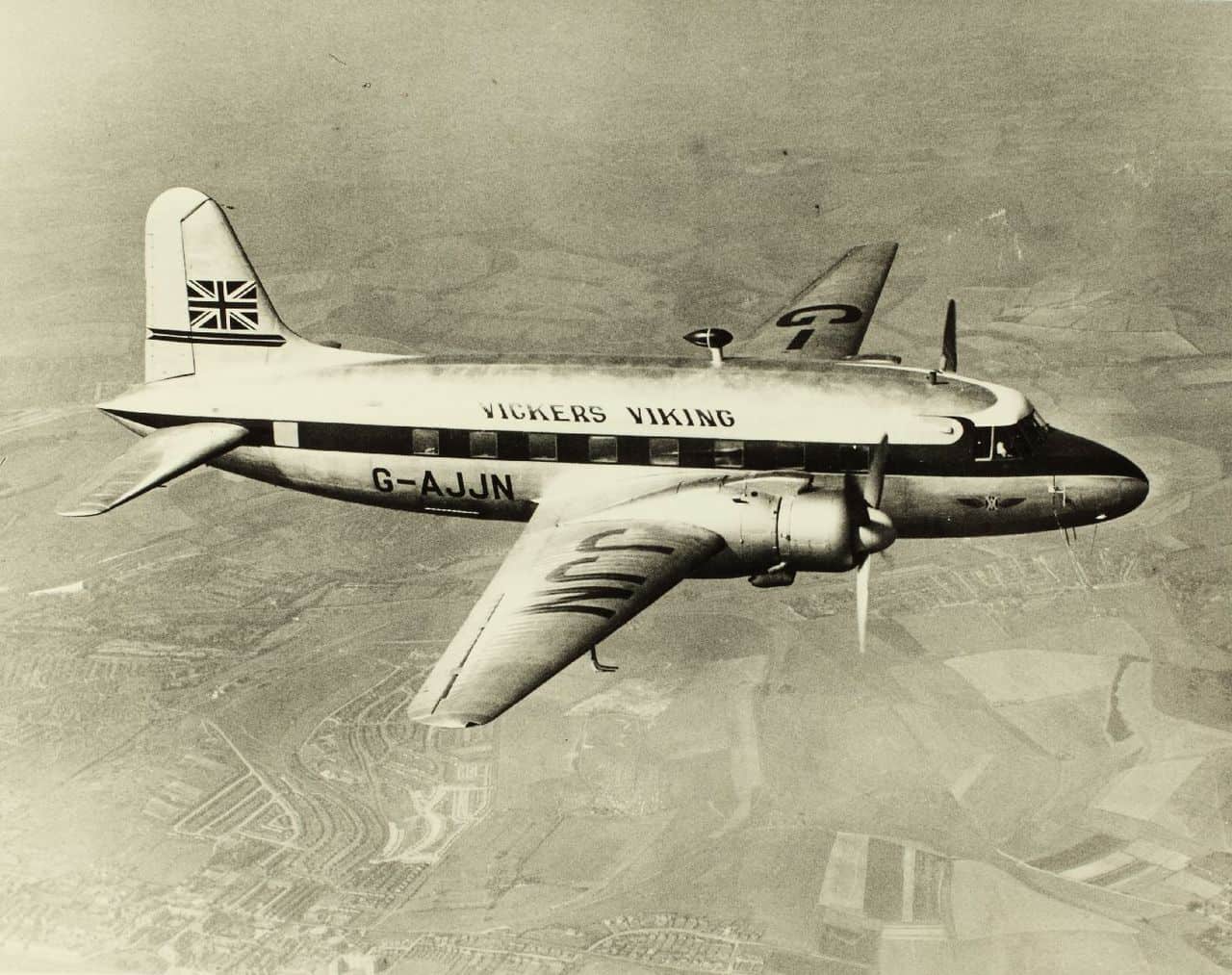
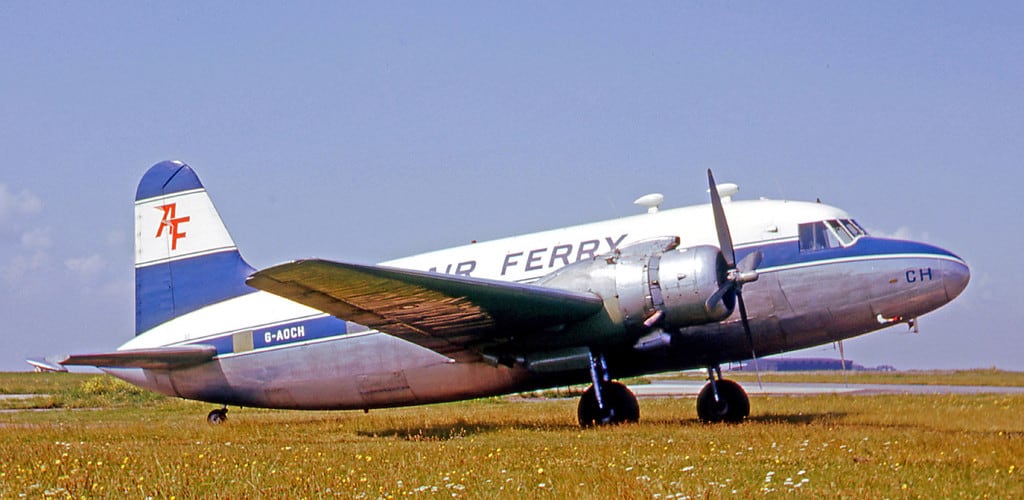
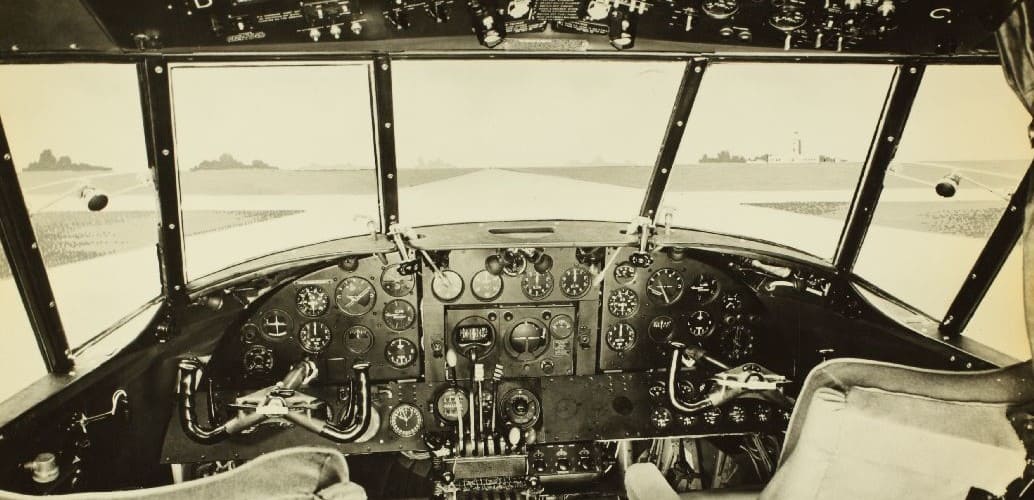
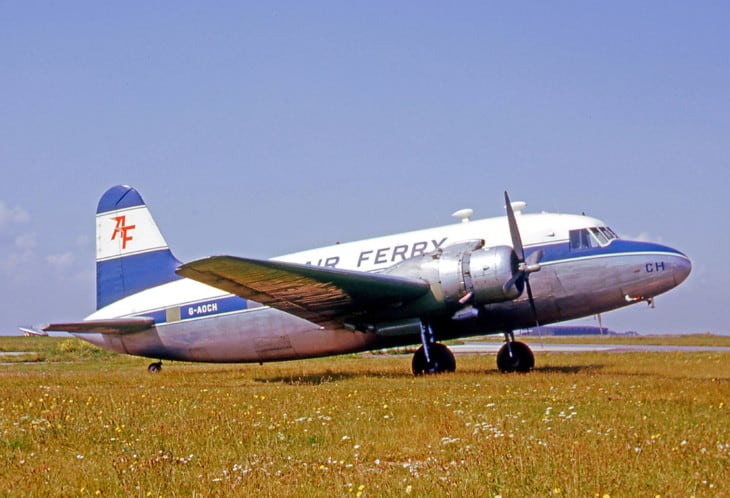
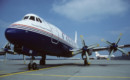
On June 22, 1945, the first Vickers Viking prototype designated as the Type 491 with aircraft registration G-AGOK piloted by Joseph Mutt Summers took its maiden flight at Wisley, Surrey. On April 20, 1946, the third Viking built was sent to British Overseas Aircraft Corporation. BOAC ordered nineteen Vikings and on March 23, 1946, the first Viking operated by BOAC took to the air for the first time.
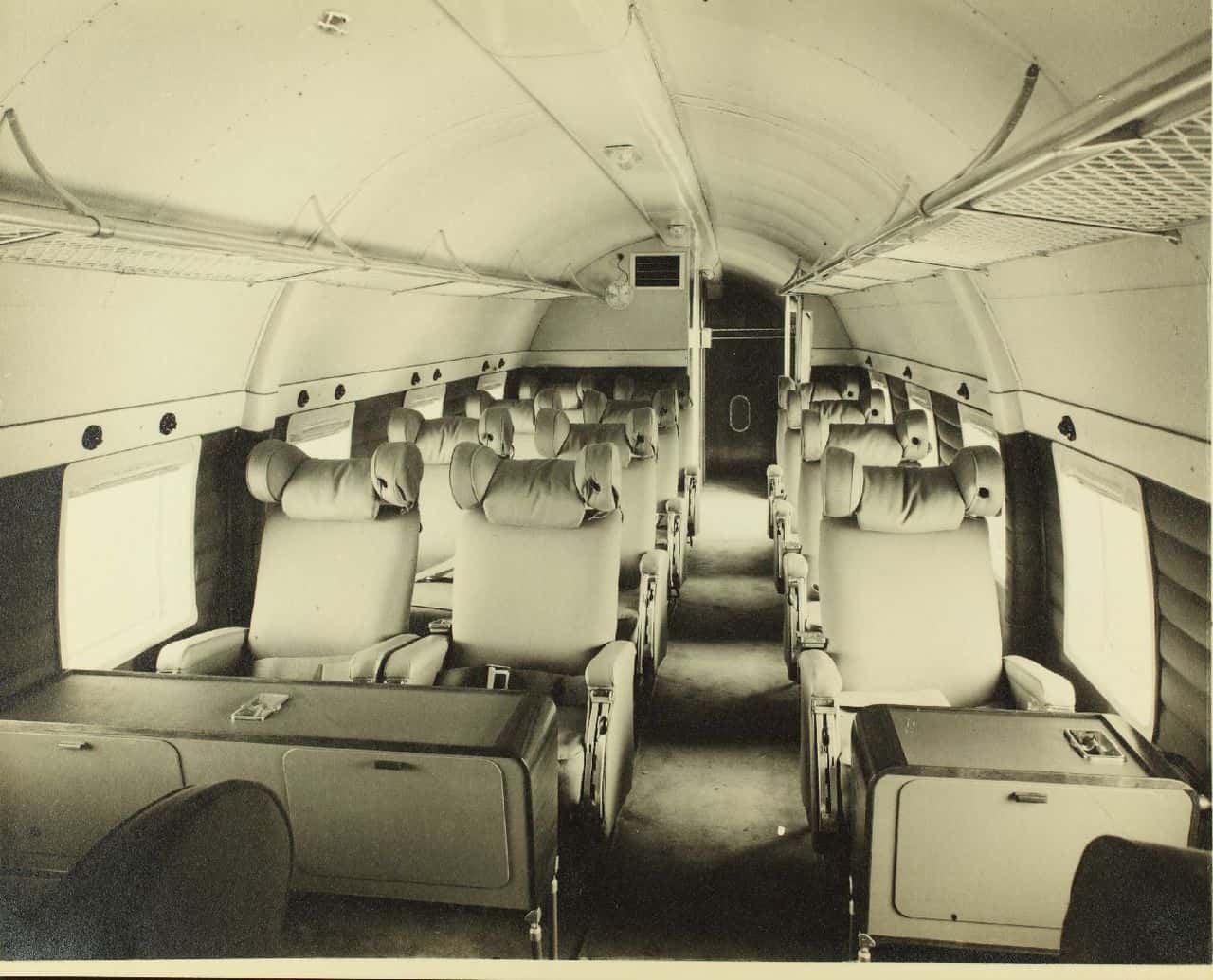
The aircraft was produced from 1945 to 1954 with a total number of 163 Vikings built. The Viking was developed from the Vickers Wellington long-range medium bomber. The first nineteen produced aircraft that were afterward designated as Viking 1A can accommodate twenty-one passengers and built with metal fuselages. It was also fitted with geodetic wings. The next production version designated as the Viking 1 was equipped with stressed skin mainplanes.
The twenty-four seater Vickers VC.1 Viking 1B is 19.86-meter long, 5.97-meter high, and 2.6-meter wide. It has a wingspan of 27.20 meters and a wing area of 81.9 square meters. The wheelbase is 10.4 meters. The aircraft has an empty weight of 10,433 kg, a maximum takeoff weight of 15,422 kg, and a maximum payload of 2,500 kg. The maximum fuel capacity is 890 US gallons.
The British airliner is powered by two Bristol Hercules 634 radial engines. It is a fourteen-cylinder, two-row, supercharged air-cooled radial with gear-driven sleeve valves with five ports per sleeve, a single-speed centrifugal-type supercharger, a Claudel-Hobson carburettor fuel system, and Farman epicyclic reduction gear. Each engine produces a maximum thrust of 1,690 horsepower and drives a four-bladed de Havilland or Rotol constant-speed propellers.
The Viking 1B has a maximum speed of 229 knots at 1,000 feet and a cruise speed of 180 knots. The range at 180 knots is 1,500 nautical miles. It can fly up to 25,000 feet and can climb at a rate of 1,500 feet per minute. The takeoff and landing distances are 780 meters and 1,200 meters, respectively.