Passenger Turbo Props
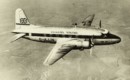
Vickers VC.1 Viking
ICAO: VC1
The British turboprop airliner built for high-capacity short- and medium-haul service.
The latest aviation news and stories sent to your inbox.
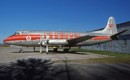
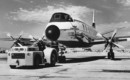
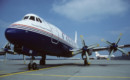
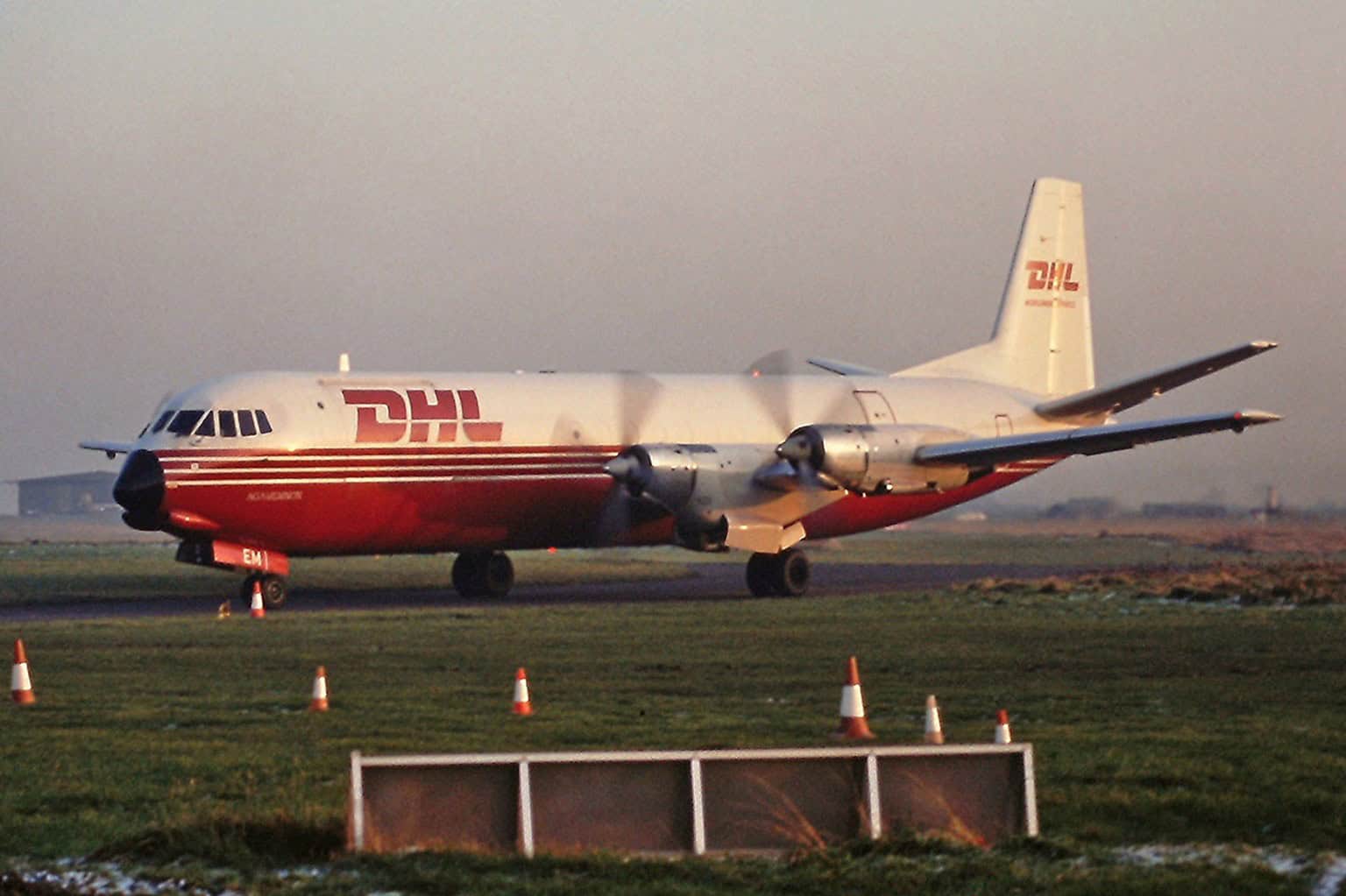
The Vickers Vanguard was a British turboprop airliner introduced in the late 1950s. Designed for higher speed and capacity than earlier propeller aircraft, it served European trunk routes. The aircraft later found extended life as a freighter.

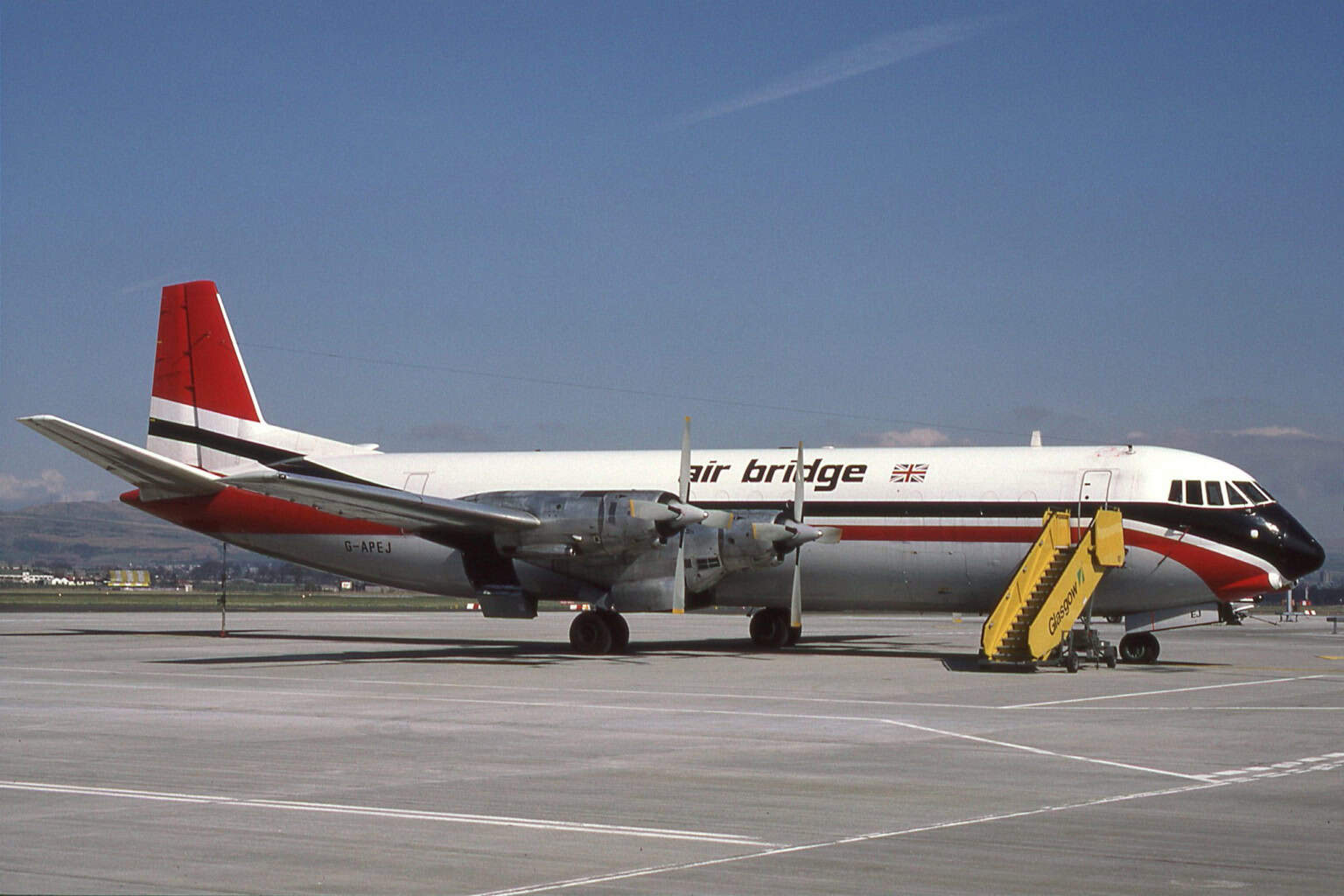


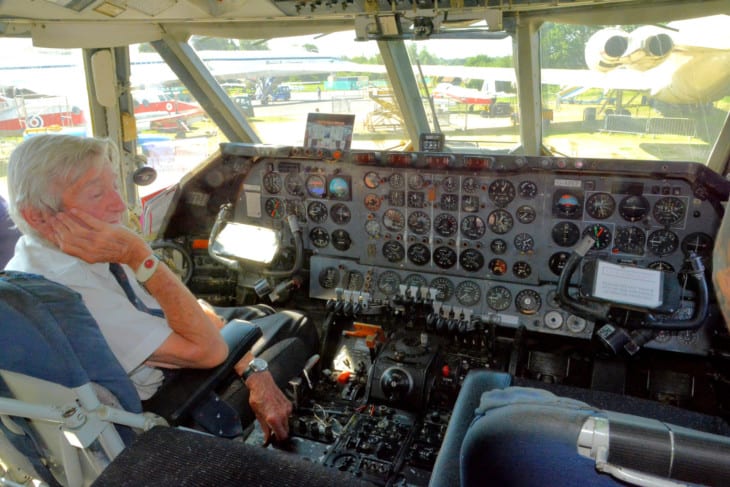
The Vanguard first flew in 1959 and entered service in 1960 with British European Airways. It was developed to provide jet-like speeds on shorter routes while retaining turboprop efficiency. The aircraft featured a low-mounted wing and a pressurized fuselage optimized for passenger comfort.
Powered by four Rolls-Royce Tyne turboprop engines producing approximately 5,500 shaft horsepower each, the Vanguard cruised at around 350 knots (648 km/h). Maximum takeoff weight exceeded 140,000 pounds (63,503 kg). Passenger capacity typically ranged from 130 to 140 depending on configuration.
Although overshadowed by emerging jetliners, the Vanguard proved reliable and fast for its class. Many aircraft were later converted into Merchantman freighters. The type remains one of the last large British-built turboprop airliners.
Sources and references used for research and fact-checking.