

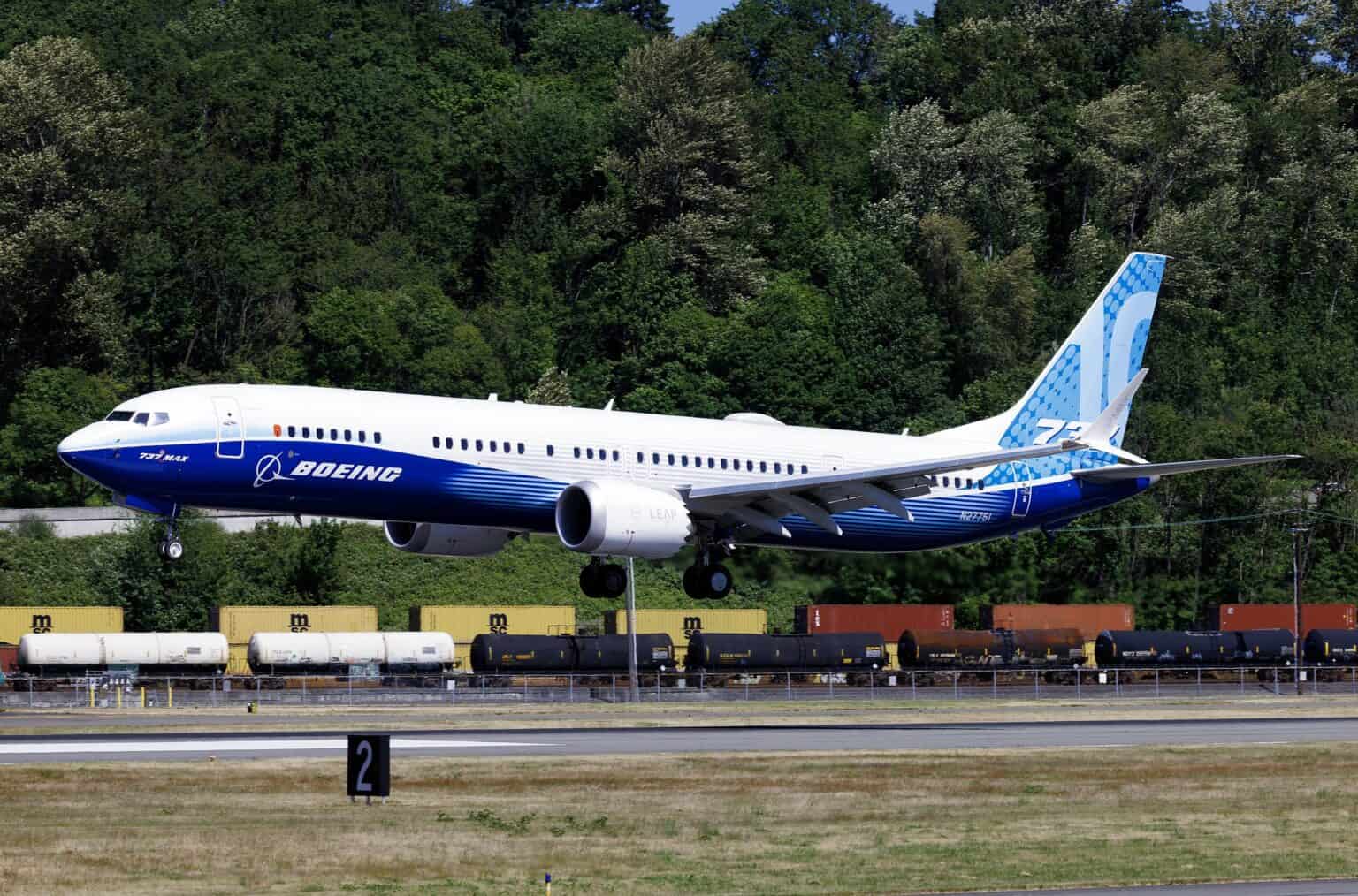
On October 20, 2026, the Federal Aviation Administration certified the Boeing 737-10, the largest member of the 737 MAX family. The FAA issued an amended type certificate and an updated Production Limitation Record, which together clear Boeing to build the jet for delivery to US and foreign airlines.
Boeing said deliveries will begin “in the coming months.” The approval comes more than nine years after the variant was launched at the 2017 Paris Air Show, and about 11 weeks after the FAA certified the smaller 737-7.
What the FAA Signed Off On
The FAA said it required the MAX 10 to incorporate improvements tied to the Aircraft Certification, Safety, and Accountability Act and to NTSB recommendations, including flight-control updates with an enhanced angle-of-attack sensor.
“We will continue to hold Boeing to the highest safety standards as the company begins production of the 737 MAX-10,” FAA Administrator Bryan Bedford said. Transportation Secretary Sean Duffy called the approval “a major win for American manufacturing.”
Boeing says the 737-10 is the first commercial airplane certified to the full extent of that 2020 law, which demanded more documentation of safety assessments and human factors. The company counts more than 2,000 flight test hours, 1,000 ground test hours and tens of thousands of pages of paperwork.
The 737 MAX 10 typically seats 185 to 210 passengers in two classes, or up to 230 in a high-density layout, with a range of up to 3,100 nautical miles, according to Boeing. It is 143 feet 8 inches (43.8 m) long and uses a semi-levered main gear that extends about 9.5 inches (24 cm) during rotation and shortens again to fit the existing 737 wheel wells, as Air Data News detailed.
Why It Took Until 2026
The MAX 10 first flew in June 2021, but its certification ran straight into the post-crash rules. A new requirement for modern cockpit crew-alerting systems was due to apply to airplanes certified after December 27, 2022, a standard the MAX 7 and MAX 10 were not built to.
Congress waived that deadline for the MAX 7 and MAX 10 in December 2022, with a catch. As FLYING reported at the time, Boeing must retrofit safety enhancements to all in-service MAX 7, 8 and 9 jets within three years of the MAX 10’s certification, at its own cost.
Then came an engine anti-ice problem, disclosed in August 2023, that affected every MAX variant and also held up the MAX 7 certification. Boeing finished the redesign in November 2025.
The January 2024 door plug blowout on an Alaska Airlines 737-9 added a production problem on top. The FAA capped 737 MAX output at 38 a month and did not let Boeing go to 42 until October 17, 2025, Airways reported.
Even the final weeks slipped. In late September, Boeing told 737 operators about a navigation software glitch that could raise pilot workload during an aborted landing, and the FAA held the approval while it reviewed it, the Irish Times reported. A review board later found it was not a safety concern because pilots keep full control, according to AVweb.
June 2017
Launch. Boeing launches the 737 MAX 10 at the Paris Air Show.
June 2021
First flight. The MAX 10 flies for the first time.
December 2022
Waiver. Congress exempts the MAX 7 and MAX 10 from the new crew-alerting deadline, tied to a fleet retrofit.
January 2024
Door plug. The Alaska Airlines blowout leads the FAA to cap MAX production at 38 a month.
July 2026
Flight testing ends. Boeing flies the final planned MAX 10 certification flight.
August 3, 2026
MAX 7 certified. The smallest MAX variant is approved.
October 20, 2026
MAX 10 certified. The FAA issues the amended type certificate.
What It Means for Airlines and the Rest of the MAX Fleet
The approval also starts a clock. Under the 2022 waiver, the three-year retrofit window for the existing MAX fleet now runs from this certification, and Boeing says the enhanced angle-of-attack system will become standard across the 737 MAX family.
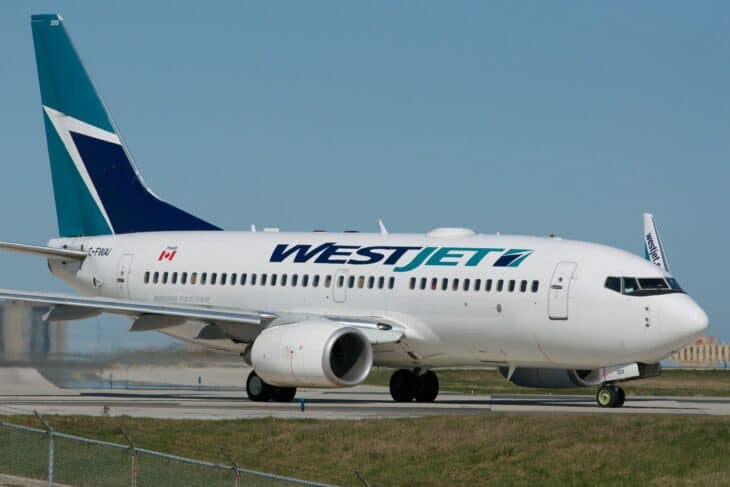
Boeing counts 1,555 orders for the 737-10 from more than 30 customers, more than 30 percent of the MAX order book. AirlineGeeks names WestJet as the launch customer, with United, Delta, American, Alaska and Ryanair among the other buyers.
WestJet has been flying older 737-700s longer while it waits. It just sold 27 of them to FTAI Aviation and will keep flying 17 through a sale-leaseback, Simple Flying reported.
Ryanair holds 150 firm orders plus 150 options and said in September it still expects its first 15 MAX 10s in spring 2027. United, long the largest MAX 10 customer, stopped waiting for a time: in March 2024 CEO Scott Kirby said the airline had asked Boeing to build MAX 9s instead of its MAX 10s, Fox Business reported. In July it was still awaiting its first MAX 10.
The jet’s real rival is the Airbus A321neo, which seats up to 244 passengers. Boeing claims the MAX 10 has the lowest seat costs of any single-aisle jet and 365 nautical miles more range than competitors flying without auxiliary fuel tanks, a qualifier that excludes Airbus versions fitted with extra tanks.
For Boeing, the MAX 10 completes the MAX family. The certificate settles whether the jet can carry passengers; for its customers, the open question is now how quickly Boeing can deliver it.
Sources and references used for research and fact-checking.
Get the Newsletter
The latest aviation news and stories sent to your inbox.
About the Author

AeroCorner News is the aviation news desk of AeroCorner.com. It covers accidents and incidents, safety rulings, airline and airport disruption, and new aircraft. It works from primary sources such as the NTSB, FAA, EASA and the manufacturers' own announcements.