

Engineers and technical workers at Boeing ratified new four-year contracts on October 1, 2026, removing the threat of a strike when their current agreements expire on October 6. Both units of SPEEA, the union that represents them, voted yes.
The vote came six weeks after the same members rejected Boeing’s first offer and authorized a strike. The revised deal opens with a 10% raise up front that takes effect on October 2.
A comfortable yes and a narrow one
The Professional Unit, which covers nearly 13,000 engineers and scientists, approved its contract 7,895 to 3,780, or 67.62%, according to SPEEA’s results.
The Technical Unit, more than 4,000 analysts, designers, technicians and other specialists, approved its contract 2,061 to 1,793, or 53.48%. That is a margin of 268 votes, so a switch of about 135 ballots would have sunk it.
The swing since August is still large. On August 21, the Professional Unit rejected Boeing’s first offer by 64.25% and the Technical Unit by 71.87%.
Before the vote, online discussion among members focused on the technicians’ unit shrinking relative to the engineers’ and on work moving to non-union Boeing sites and to countries such as Brazil and India, Leeham News reported.
SPEEA’s negotiation team called the result a set of victories “some thought were completely out of reach.” It also told members the union must keep working to rebuild trust “that has eroded over the past decades.”
“Without trust, Boeing and SPEEA will likely find ourselves right back where we were when we started this contract negotiation cycle,” the team wrote.
What the contracts pay
Everyone in both units gets a 10% guaranteed raise effective October 2, 2026, and another 4% guaranteed raise in March 2027. In March 2028, 2029 and 2030, the contracts set 6% wage pools, of which 4% is guaranteed for each worker and 2% is handed out selectively.
By SPEEA’s math, the average member’s pay rises 32% over the four years, against 26.5% under the rejected offer, with a guaranteed minimum of 26%. Those figures exclude promotion money.
The union estimates the average SPEEA engineer’s salary will climb from $152,000 to $208,000 over the contract, and the average technician’s from $119,000 to $163,000.
Outside pay, mandatory overtime is capped at 96 hours a quarter for engineers and 112 for technicians, down from 144 for both. The contracts also add a documented process for work-from-home requests and restore SPEEA’s three-bucket retention rating system.
Ben Nimmergut, Boeing’s functional chief engineer for production engineering, said the company was “pleased with the outcome of the vote.” He added that Boeing looks forward to “meeting our customer commitments now and in the future.”
Why a white-collar strike worried Boeing
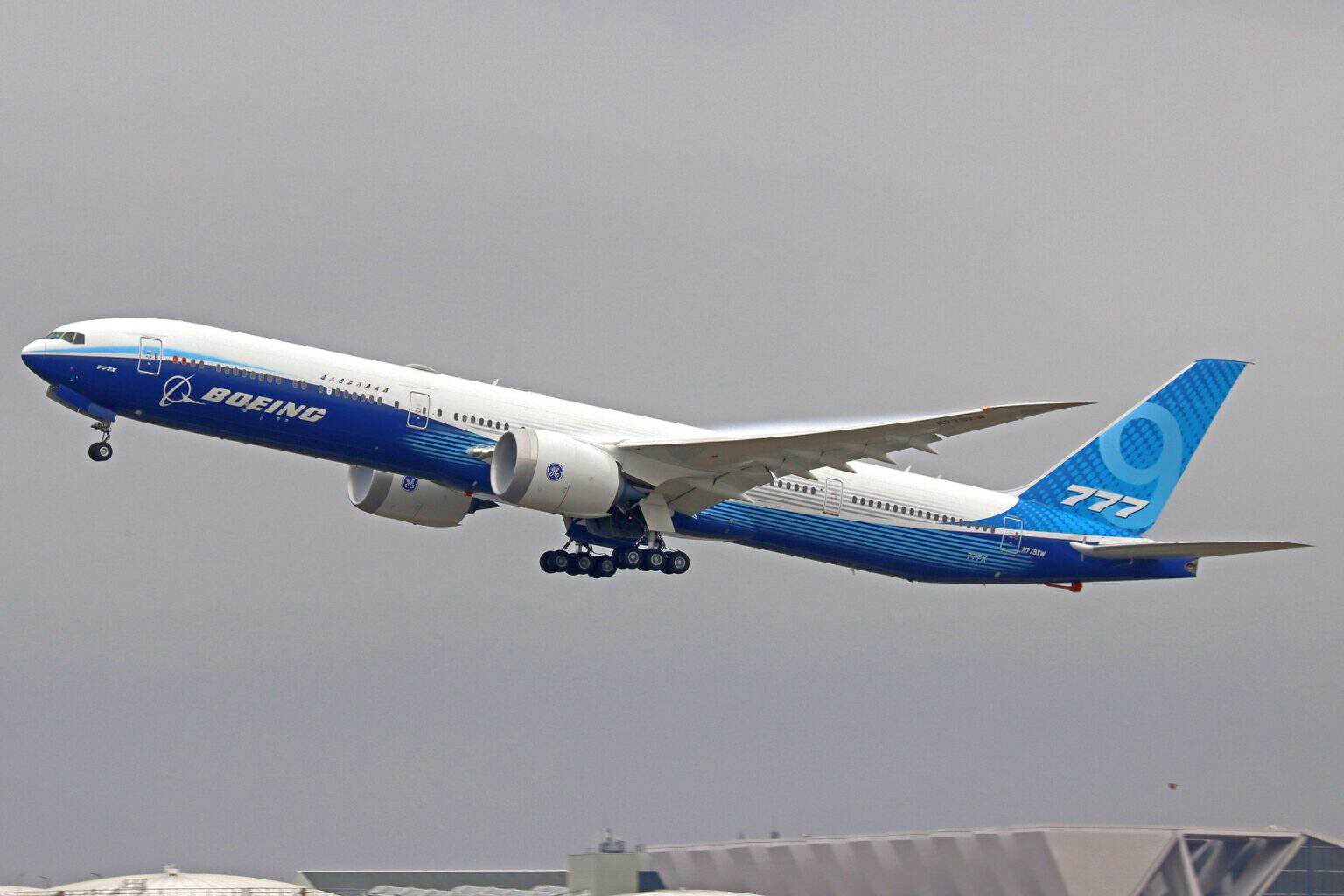
SPEEA represents Boeing’s engineers, scientists, analysts and technicians rather than its assembly workers. Their work is central to the certification of the 777-9 and the 737 MAX 10, which Boeing is still trying to get approved.
CEO Kelly Ortberg said last month that a strike would effectively stop certification work. “Essentially, the 777 certification program shuts down until we get the engineers back, and it would have a ripple effect into our production,” he said, as quoted by Leeham News.
Ortberg also said Boeing could not sustain current 737 MAX production rates through a long SPEEA strike. He credited the decision to start negotiations early, which left time for a second offer after the first failed.
Boeing has recent experience of how costly a strike can be. The 2024 walkout by more than 33,000 IAM District 751 machinists ran 53 days, from September 13 to November 4, and halted 737, 767 and 777 production.
That strike stopped assembly lines. A SPEEA strike would have hit certification first, and by Ortberg’s own account the effects would then have spread into production.
Sources and references used for research and fact-checking.
Get the Newsletter
The latest aviation news and stories sent to your inbox.
About the Author

Tim is the owner and lead editor of AeroCorner since 2019, overseeing aviation content covering aircraft, airlines, airports, and the broader aviation industry. Through years of researching, writing, editing, and publishing aviation-focused content, he has developed extensive practical knowledge of commercial aviation and air travel. Based in Asia and a frequent traveler himself, Tim also brings firsthand passenger experience to AeroCorner’s coverage. Outside of publishing, he has also explored aviation firsthand through hands-on flight training in New Zealand.