

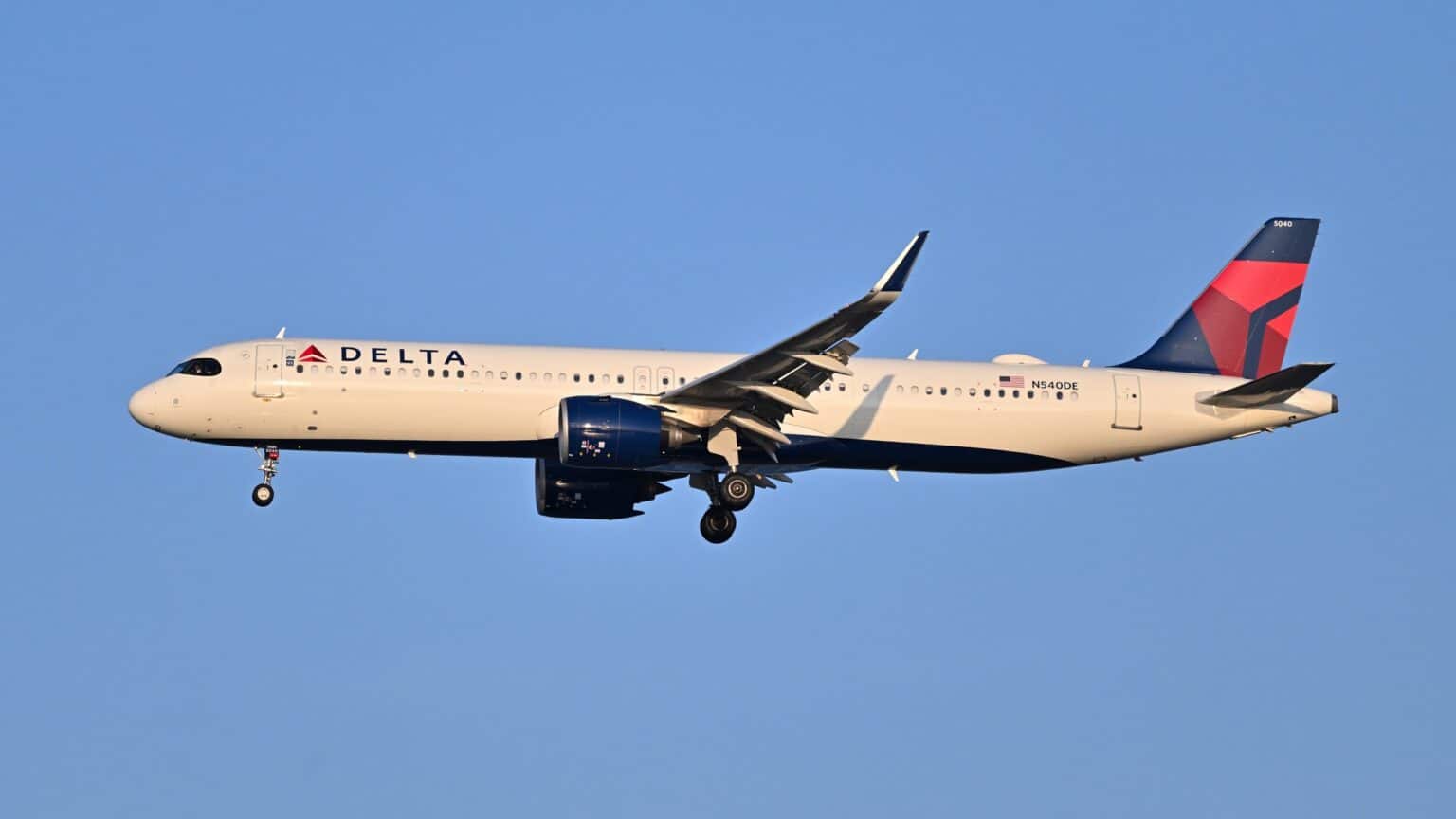
On September 24, 2026, Airbus confirmed a manufacturing defect in the corrosion protection on fuselage stringers of its A321neo, a flaw that people familiar with the matter say affects about 500 aircraft. Airbus says the jets can keep flying because it is a quality issue, not a safety one.
The defect was first reported by The Air Current, which said the European planemaker had begun alerting its airline customers. Reuters put the split at roughly 250 jets already delivered and 250 still in production.
Airbus shares fell more than 1% on the morning of September 25, according to The Guardian’s markets blog.
What Airbus found
An Airbus spokesperson told AeroTime that a “surface protection deviation” was found on stringers in the lower front section of the fuselage during “some standard rework.” Reuters describes it as a deviation in the coating applied to those stringers.
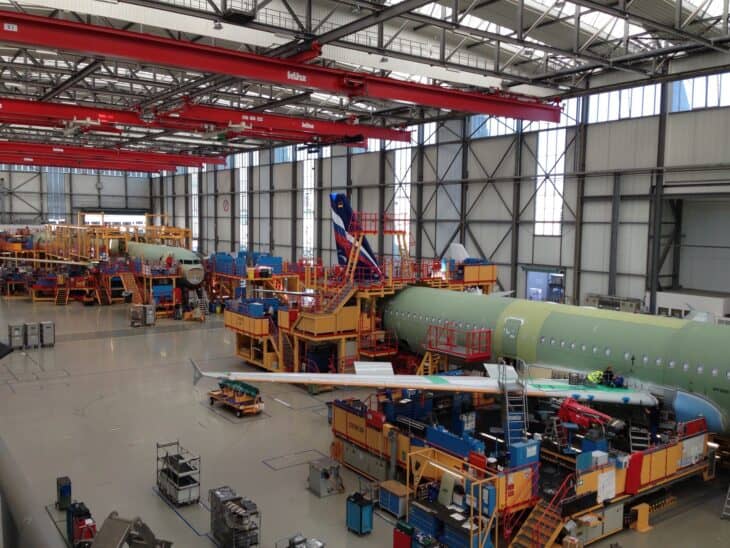
Airbus says the source of the issue has been “identified, contained” and a remedy is available, and that all newly coated stringers meet requirements. The rework does not require the stringers to be taken apart, and once it is done, the company says, the aircraft is back to its nominal design.
A source cited by Reuters said Airbus first spotted the problem over the summer and that the longer-range A321XLR is not affected. The same source said customers are still accepting deliveries without insisting on the rework first, and that Airbus has told them there is no immediate requirement to repair.
The Air Current reported that the unfinished jets are spread across Airbus’s supply chain in Europe, the U.S. and China. Delta Air Lines, an A321neo operator, told Reuters it will “always take action to meet or exceed operator recommendations and regulator directives.”
Why a coating flaw is a corrosion question, not a crack question
Stringers are the long, thin stiffeners that run lengthways along the inside of the fuselage skin. They are coated in the factory because bare aluminum alloy corrodes once moisture reaches it, and corrosion in its various forms is one of the main things airframe inspections look for.
That is why The Air Current framed it as a defect that “could reduce corrosion resistance” inside the fuselage. A thin spot in a protective coating does not weaken the metal on the day the jet is delivered.
The risk it creates is slower: corrosion starting earlier than the structure’s design assumes. That puts the decision about how soon the rework must happen with the regulator, and Reuters reported that European regulators may issue a directive requiring the repair within a set period.
What is still unconfirmed
The figure of about 500 aircraft, the 250 and 250 split and the A321XLR exclusion come from people familiar with the matter, not from Airbus. As of September 24, 2026, EASA’s airworthiness directive listings showed no directive or proposed directive covering the stringers.
The last “quality issue” ended in a directive
Airbus also called its previous fuselage problem a quality issue with no safety implications. That was last December, when a supplier’s fuselage panels turned out to be outside their specified thickness, and Reuters says untangling it caused several months of delivery delays.
EASA then issued AD 2026-0055 on March 13, 2026. It requires a visual inspection and a full thickness measurement of the affected forward fuselage panels on listed A319neo, A320neo and A321neo jets.
The agency’s reasoning is the useful part. It said the thin panels, “in combination with certain repair conditions, could affect the structural integrity of the aeroplane,” so the directive rested on how the flaw interacts with repairs, not on the thinner metal alone.
The two defects are not the same. The panel flaw was about metal thickness, while this one is about a protective coating. Whether EASA reads the stringers the way Airbus does is the open question for the roughly 250 A321neos already in service.
The timing is awkward for Airbus. According to Reuters, it is trying to raise single-aisle output to 75 jets a month from about 60 now, and the A321neo is its most popular single-aisle model.
.jpg)
Sources and references used for research and fact-checking.
Get the Newsletter
The latest aviation news and stories sent to your inbox.
About the Author

Tim is the owner and lead editor of AeroCorner since 2019, overseeing aviation content covering aircraft, airlines, airports, and the broader aviation industry. Through years of researching, writing, editing, and publishing aviation-focused content, he has developed extensive practical knowledge of commercial aviation and air travel. Based in Asia and a frequent traveler himself, Tim also brings firsthand passenger experience to AeroCorner’s coverage. Outside of publishing, he has also explored aviation firsthand through hands-on flight training in New Zealand.