

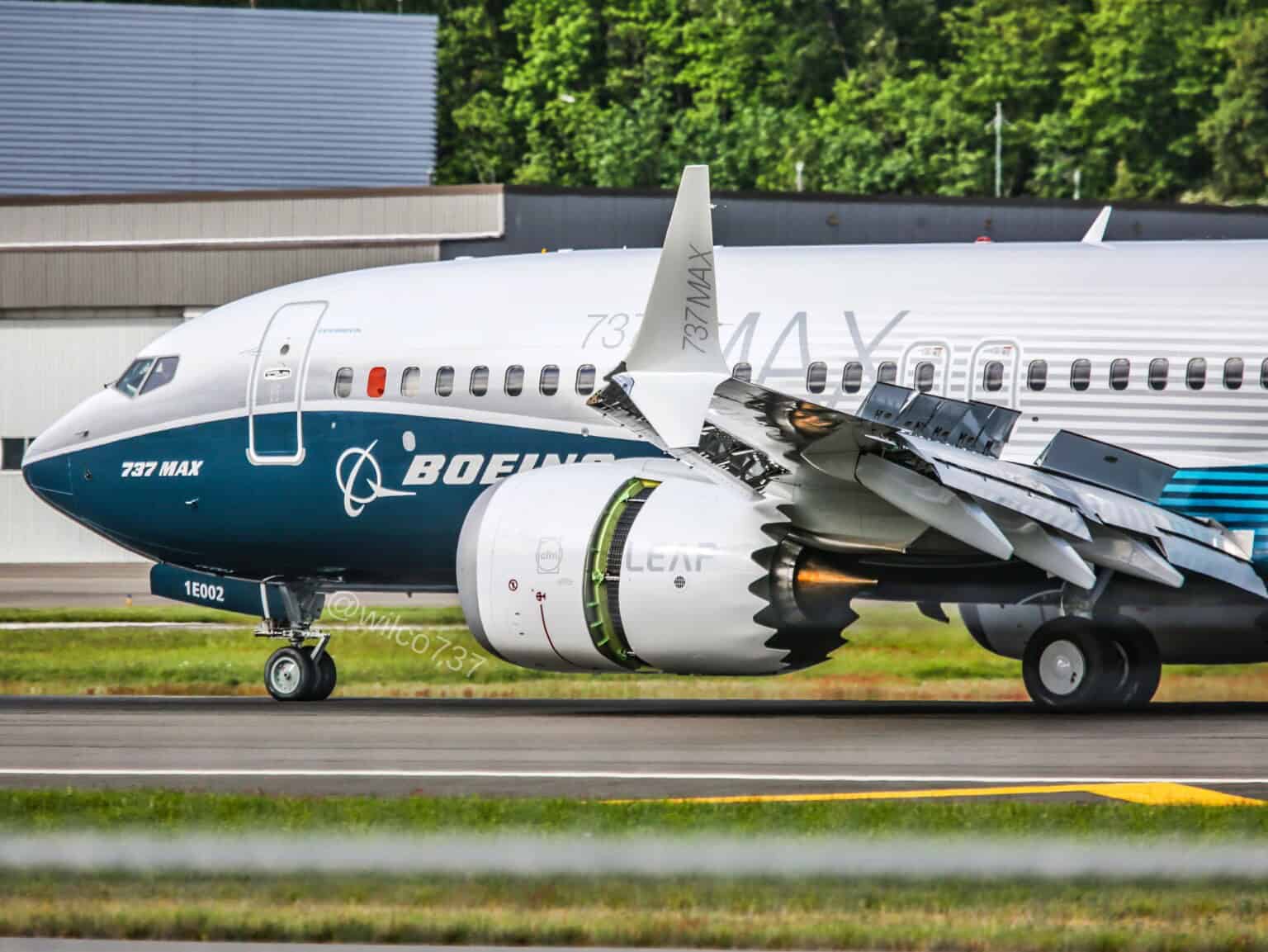
On August 3, 2026, the Federal Aviation Administration granted Boeing an amended type certificate for the 737-7, the smallest member of the 737 MAX family. Boeing announced the approval the same day, clearing the aircraft for customer deliveries after a certification campaign that began in 2018.
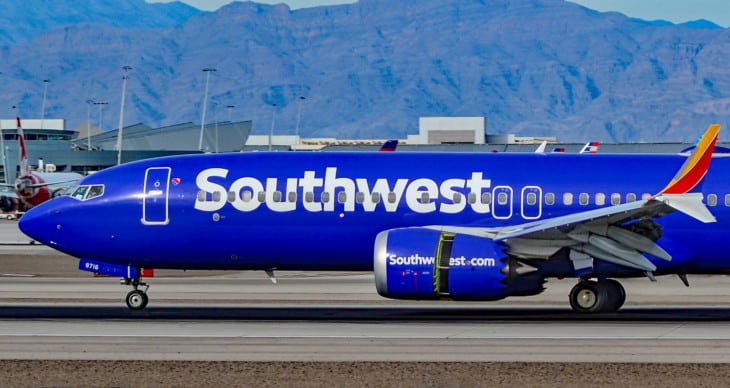
Southwest Airlines is the launch customer and holds the overwhelming majority of the type’s order book. Neither company has announced a delivery date or a date for the first revenue flight.
What the FAA Required Before Signing
Boeing said the certificate followed more than 1,000 hours of flight and ground testing, plus a full safety analysis and human factors review. The 737 MAX 7 is the third MAX variant to be certified, after the MAX 8 and MAX 9.
The FAA required design changes drawn from the Aircraft Certification, Safety, and Accountability Act and from NTSB recommendations issued after the two fatal MAX crashes in 2018 and 2019. Those covered the flight-control software, the flightcrew alerting system, and the engine anti-ice system.
The anti-ice redesign is the reason this took as long as it did. Boeing found that running the system in dry air could overheat the composite engine inlet, and in rare cases damage it.
In late 2023 Boeing asked the FAA for a time-limited exemption so the jet could be certified with the flaw and retrofitted later. It withdrew that request in January 2024 after public and congressional pushback, and committed to engineering a fix inside the certification program instead. That decision cost the program roughly two years.
Why an "amended" type certificate
The MAX 7 is not certified as a new aircraft. It is added to the existing 737 type certificate as a derivative, which is what lets Southwest crews transition between MAX variants with minimal additional training. That commonality is the entire commercial logic of the MAX family, and it is also what made the certification arguments after 2019 so contentious.

What Happens Next for Southwest
Certification is permission to deliver, not permission to fly passengers tomorrow. Before the first ticketed flight, Southwest has to add the variant to its operating specifications, finish crew and maintenance training, and complete proving work with the FAA.
Southwest has previously said it needs roughly six months after certification to get the type into service. On that timeline, passengers would not see the MAX 7 in the schedule until early 2027.
The delay has already reshaped the airline. Southwest built its network on the 737-700, and the MAX 7 was meant to replace those aircraft one for one. With the replacement stuck in certification, the carrier spent years converting orders to the larger MAX 8 and stretching the life of its oldest jets.
For Boeing, the approval matters mostly as evidence that it can get a program through the post-2019 FAA. The regulator no longer delegates the same authority to the manufacturer that it did before the MAX crashes, and every remaining Boeing program is queued behind that slower process.
The MAX family has taken more than 7,200 orders and delivered more than 2,300 aircraft through June 2026, according to Boeing. The stretched 737-10 is still in certification, with Boeing targeting approval this year, a schedule it reiterated when it finished certification flight testing on both variants in July.
The MAX 7 in brief
135 to 160 seats in a two-class layout and a range of about 3,800 nautical miles. It is the direct successor to the 737-700, the aircraft Southwest operated more of than any other airline in the world.
Sources and references used for research and fact-checking.
Get the Newsletter
The latest aviation news and stories sent to your inbox.
About the Author

Tim is the owner and lead editor of AeroCorner since 2019, overseeing aviation content covering aircraft, airlines, airports, and the broader aviation industry. Through years of researching, writing, editing, and publishing aviation-focused content, he has developed extensive practical knowledge of commercial aviation and air travel. Based in Asia and a frequent traveler himself, Tim also brings firsthand passenger experience to AeroCorner’s coverage. Outside of publishing, he has also explored aviation firsthand through hands-on flight training in New Zealand.