

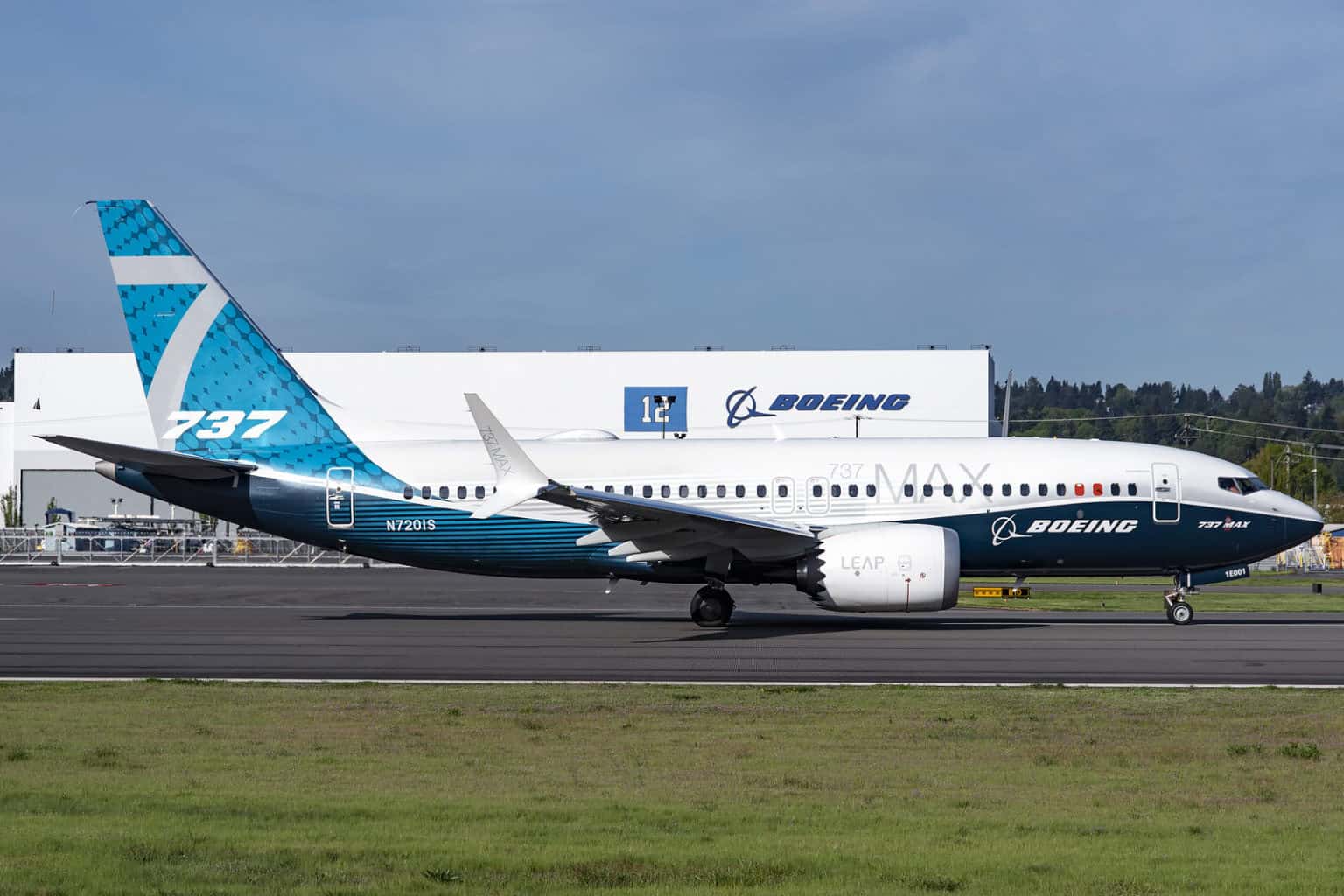
Boeing has completed certification flight testing on both ends of its 737 MAX family, the company confirmed alongside its second-quarter results on July 28, 2026. The stretched 737 MAX 10 flew its final planned certification test flight that week, and the shorter 737 MAX 7 has closed out its own campaign.
What was actually finished
Boeing said the 737-10 flight test program ended at 976 flights and more than 2,060 flight hours, plus roughly 1,040 hours of ground testing, spread across three test aircraft.
The company still expects the FAA to certify both variants in 2026, with the first customer deliveries following in 2027. The 737-7 is expected to clear first, with the 737-10 behind it.
Completing the certification work on our development programs is one of our biggest goals.
Kelly Ortberg, Boeing CEO, on the July 28 earnings call
Finishing flight tests is not the same as being certified
Flight testing is the visible half of a certification program. The other half is documentary, and it is where these two jets now sit.
Before the FAA amends a type certificate, the manufacturer has to close out development assurance reviews and system safety assessments, the paperwork that demonstrates the design meets every applicable regulation and that failures have been analyzed for their consequences.
Boeing’s own figures show how much of that is left on the 737-10: development assurance reviews around 60 percent complete, and system safety assessments around 32 percent. Those deliverables go to the FAA, which reviews them on its own schedule.
Reality check
Certification in 2026 is Boeing’s expectation, not an FAA commitment. Both aircraft have missed target dates repeatedly since 2019, and the regulator has not published a date of its own.

Why it took this long
The 737-7 first flew in 2018, when certification was expected the following year. The 737-10 followed in 2021, aimed at entering service in 2023.
What changed in between was the regulatory environment. The two 737 MAX 8 crashes in 2018 and 2019 led Congress and the FAA to overhaul how the agency delegates certification work to manufacturers, and the remaining MAX variants inherited a far heavier compliance burden than the ones certified before them.
The specific technical blocker was the engine anti-ice system. Boeing found that leaving it running in dry air could overheat the engine inlet, and in January 2024 it withdrew a request for a safety exemption and committed to redesigning the system instead.
That redesign then had to be restarted when the first approach did not work, which is what pushed both certifications into 2026. Boeing plans to apply the updated anti-ice design across the MAX line and retrofit aircraft already in service.
March 2018
737-7 first flight. Certification was expected in 2019.
2018 and 2019
Two 737 MAX 8 crashes. The fleet is grounded worldwide and the FAA’s certification process is overhauled.
June 2021
737-10 first flight. Service entry was then targeted for 2023.
January 2024
Anti-ice exemption withdrawn. Boeing pulls its request and commits to redesigning the engine anti-ice system.
July 2026
Flight testing complete. Both variants finish certification flying; approval and deliveries still pending.
Customers have long since built the delay into their plans. United told investors this month that it does not expect its first MAX 10 until 2027, and Southwest, the MAX 7’s launch customer, has spent years reworking its delivery schedule around an aircraft that has not arrived.
Sources and references used for research and fact-checking.
Get the Newsletter
The latest aviation news and stories sent to your inbox.
About the Author

Tim is the owner and lead editor of AeroCorner since 2019, overseeing aviation content covering aircraft, airlines, airports, and the broader aviation industry. Through years of researching, writing, editing, and publishing aviation-focused content, he has developed extensive practical knowledge of commercial aviation and air travel. Based in Asia and a frequent traveler himself, Tim also brings firsthand passenger experience to AeroCorner’s coverage. Outside of publishing, he has also explored aviation firsthand through hands-on flight training in New Zealand.