

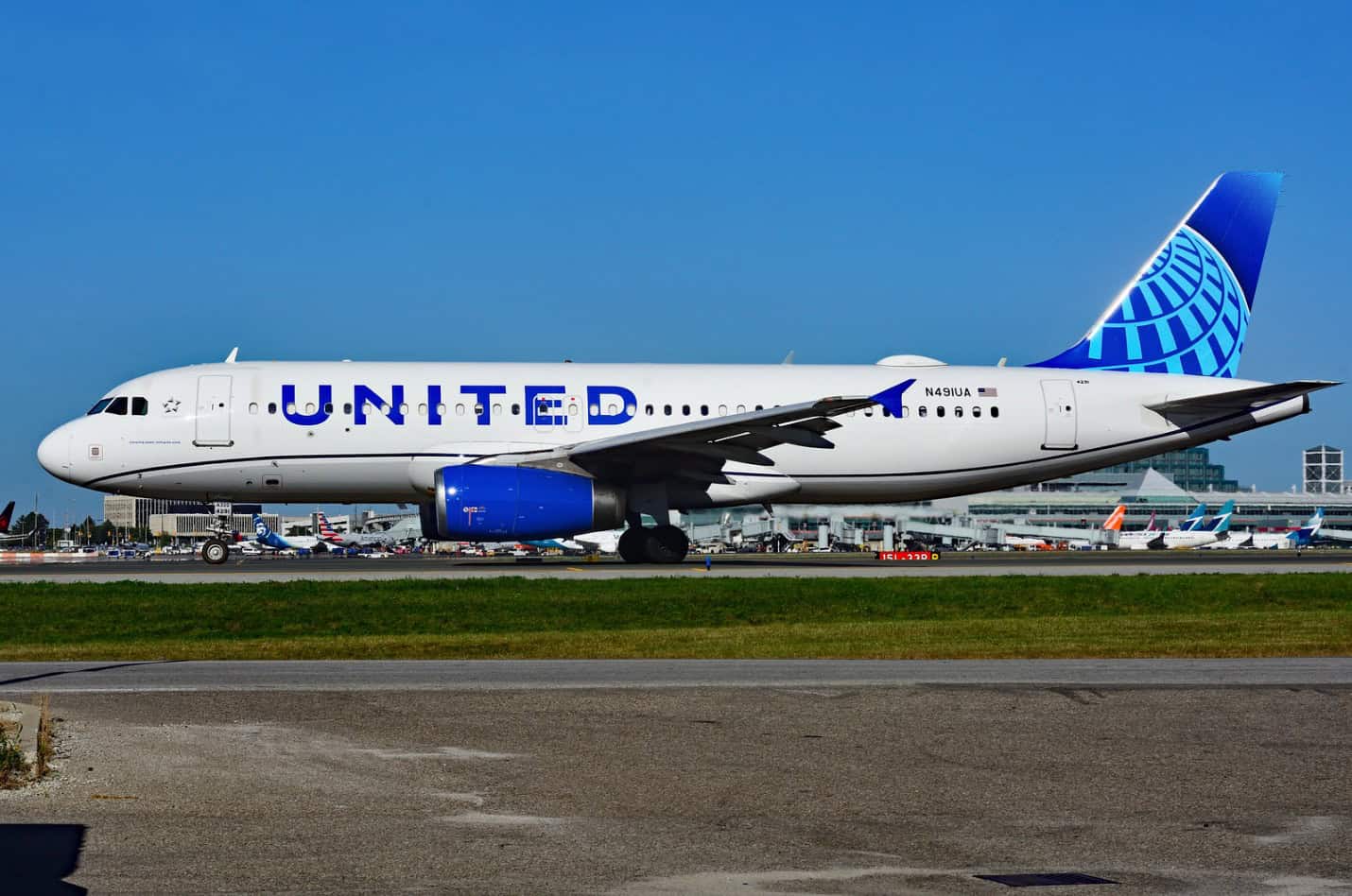
On its second-quarter 2026 earnings call on July 16, 2026, United Airlines said it plans to retire roughly 80 older aircraft in 2027, a sharp step up from the smaller numbers it has removed in recent years. The airline tied the accelerated retirements to the long-delayed arrival of the Boeing 737 MAX 10, which it now expects to begin receiving in the same year.
What United said
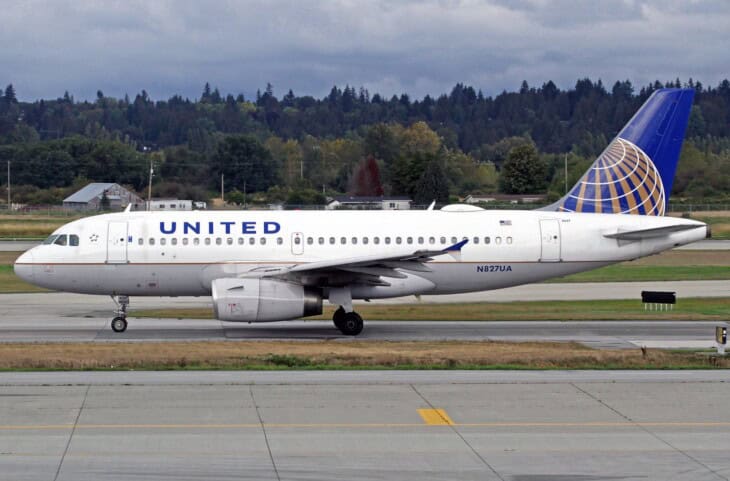
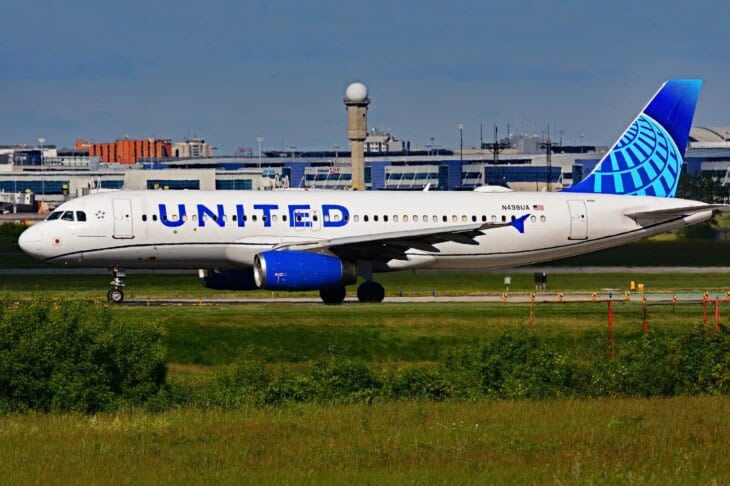
United said the jets leaving the fleet are its smaller, less fuel-efficient, older-cabin aircraft, including Airbus A319s and A320s that it intends to phase out by 2030 as its larger A321neo fleet reaches critical mass. The airline pointed to about 19 retirements in 2026 before the larger wave in 2027.
On the incoming side, United expects its first 737 MAX 10 in mid- to late 2027, with up to 20 arriving that year and a large order behind it. Chief commercial officer Andrew Nocella said the MAX 10 will carry more premium seats than the aircraft it replaces and deliver better seat-mile economics, letting United fly it on some of its most important routes.
The fleet plan came alongside stronger financial guidance. United reported second-quarter revenue up about 16 percent year over year and raised its full-year 2026 adjusted earnings guidance to a range of roughly $9.00 to $11.00 per share, even as it absorbs a substantial increase in fuel spending. Growth was broad-based, with premium and cargo revenue both climbing at double-digit rates.
The core numbers
United: about 19 aircraft retired in 2026, roughly 80 in 2027; A319s and A320s gone by 2030; first 737 MAX 10 expected mid-to-late 2027 with up to 20 that year. Figures are from the airline’s Q2 2026 earnings commentary.
Why airlines retire and replace in waves
Retiring 80 aircraft in a single year sounds dramatic, but it reflects a deliberate trade rather than a fleet in trouble. Older narrowbodies burn more fuel per seat, cost more to maintain as they age, and carry dated interiors. Replacing them with a larger, newer type lowers the cost of every seat flown and lets an airline standardize its cabins, which is why carriers tend to swap out whole sub-fleets at once instead of trickling aircraft out.
The timing hinges on the replacement actually showing up. The 737 MAX 10, the largest member of the MAX family, has been held up for years in certification, so United has been running its oldest jets longer than planned. Retirement and delivery schedules are therefore linked: an airline cannot pull older aircraft out faster than new ones arrive without shrinking capacity, which is why United’s larger 2027 retirement wave lines up with its first MAX 10 handovers.
Bigger, more efficient aircraft also change the math on fuel, one of an airline’s largest and most volatile costs. That is a recurring theme in how carriers manage economics across the fleet, from aerodynamic tweaks to wholesale type changes.
Reality check
The MAX 10 delivery dates are United’s current expectation, not a guarantee. The type is still completing certification, and past MAX 10 timelines have slipped repeatedly, so the 2027 retirement pace could shift if deliveries move again.
Sources and references used for research and fact-checking.
Get the Newsletter
The latest aviation news and stories sent to your inbox.
About the Author

Tim is the owner and lead editor of AeroCorner since 2019, overseeing aviation content covering aircraft, airlines, airports, and the broader aviation industry. Through years of researching, writing, editing, and publishing aviation-focused content, he has developed extensive practical knowledge of commercial aviation and air travel. Based in Asia and a frequent traveler himself, Tim also brings firsthand passenger experience to AeroCorner’s coverage. Outside of publishing, he has also explored aviation firsthand through hands-on flight training in New Zealand.