

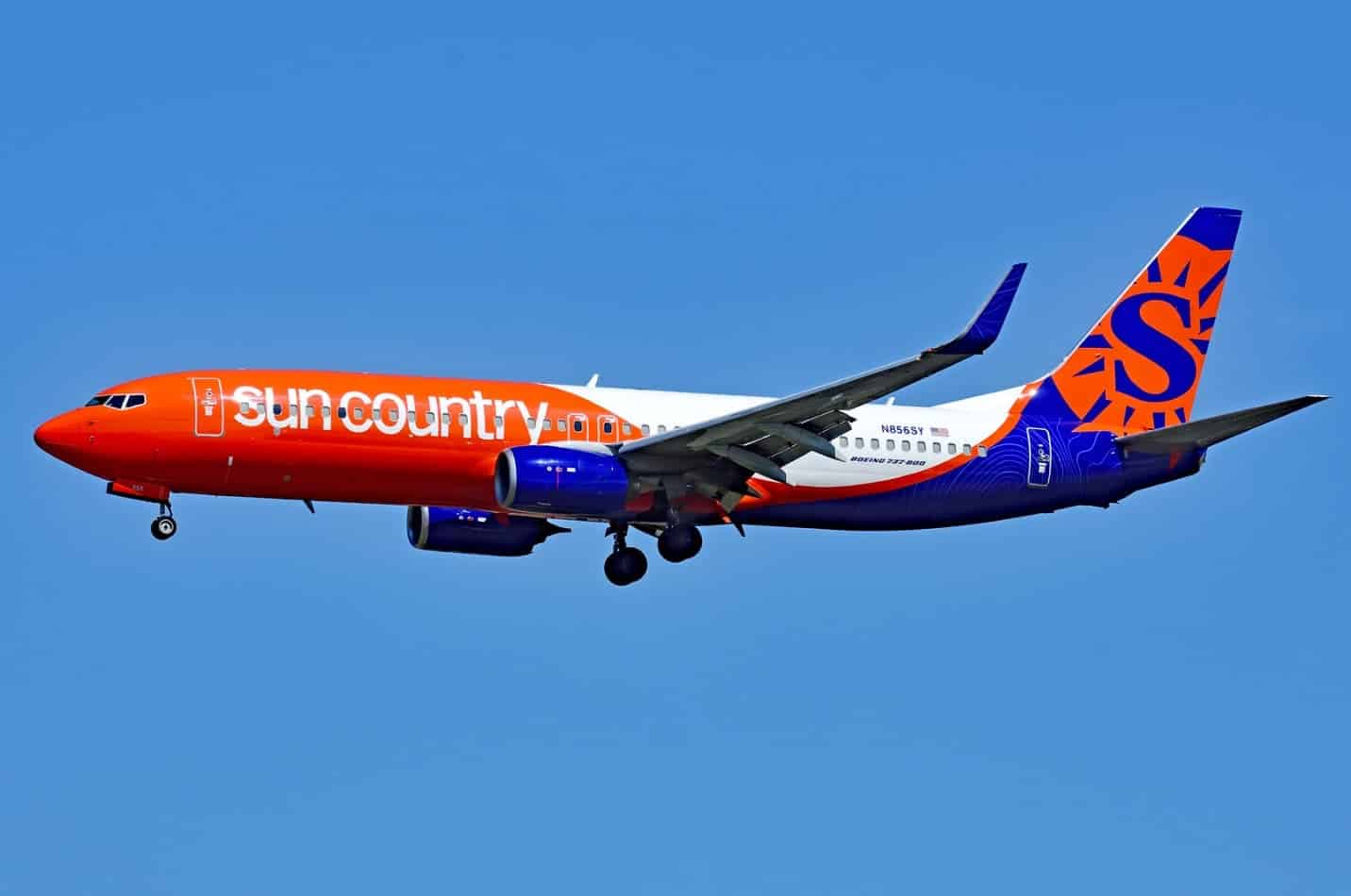
Sun Country Airlines is pulling roughly 348 departures out of its September 2026 schedule, about one-third of the month’s planned flying, as it stretches a finite pool of pilots across passenger, charter, and cargo work. The reductions touch around 34 routes and fall heavily on its Minneapolis-St. Paul (MSP) hub. The cuts were first reported by AirlineGeeks on July 16, 2026.
What is being cut
The reductions are concentrated in September, with about seven routes suspended for the month at MSP and the rest thinned out. Sun Country’s schedule from October 2026 through April 2027 remains largely unchanged, and the carrier has still added some flying in that window. The airline described the September pullback as temporary and said it is increasing pilot hiring to rebuild staffing at its Minneapolis base.
Sun Country attributed the move to higher-than-expected crew attrition combined with increased cargo flying and an expanded pilot pathway program that moves experienced line pilots into instructor roles. All three pull in the same direction: they reduce the number of pilots available to fly the scheduled passenger operation in a single month.
Why cargo growth can thin out the passenger schedule
Sun Country is an unusual airline. Alongside scheduled tickets and seasonal charters, it flies dedicated freighters, including cargo it operates for Amazon Air on Boeing 737s. Those cargo flights draw from the same certificated pilot group as the passenger flights. When cargo demand rises and pilot attrition climbs at the same time, the same crews have to cover more flying, and the scheduled passenger network is usually the easiest place to trim without breaking contractual cargo commitments.
The cargo side has been the growing half of the business. Sun Country flies its Amazon Air freighters under a long-term contract and opened a crew base in Cincinnati, near Amazon’s main air hub, in January 2026. Because that flying is contractual, the airline has a strong incentive to keep it fully crewed even when pilots are scarce, which pushes the shortfall onto the discretionary passenger schedule that it controls month to month.
September also makes an easier target than most months. It sits in the shoulder period between the summer travel peak and the winter holidays, when leisure demand softens, so thinning it does less damage than cutting into July or December would. Passengers already booked on affected flights are typically rebooked or refunded, and the airline has said its network should return to normal from October onward as hiring catches up.
A crew-math story, not a demand story
Nothing here suggests weak passenger demand. Sun Country is short of available pilots for one peak month because attrition, cargo growth, and instructor reassignments landed at once, so it is protecting cargo obligations and shrinking the passenger schedule it can most easily rebuild later.
Get the Newsletter
The latest aviation news and stories sent to your inbox.
About the Author

Tim is the owner and lead editor of AeroCorner since 2019, overseeing aviation content covering aircraft, airlines, airports, and the broader aviation industry. Through years of researching, writing, editing, and publishing aviation-focused content, he has developed extensive practical knowledge of commercial aviation and air travel. Based in Asia and a frequent traveler himself, Tim also brings firsthand passenger experience to AeroCorner’s coverage. Outside of publishing, he has also explored aviation firsthand through hands-on flight training in New Zealand.