

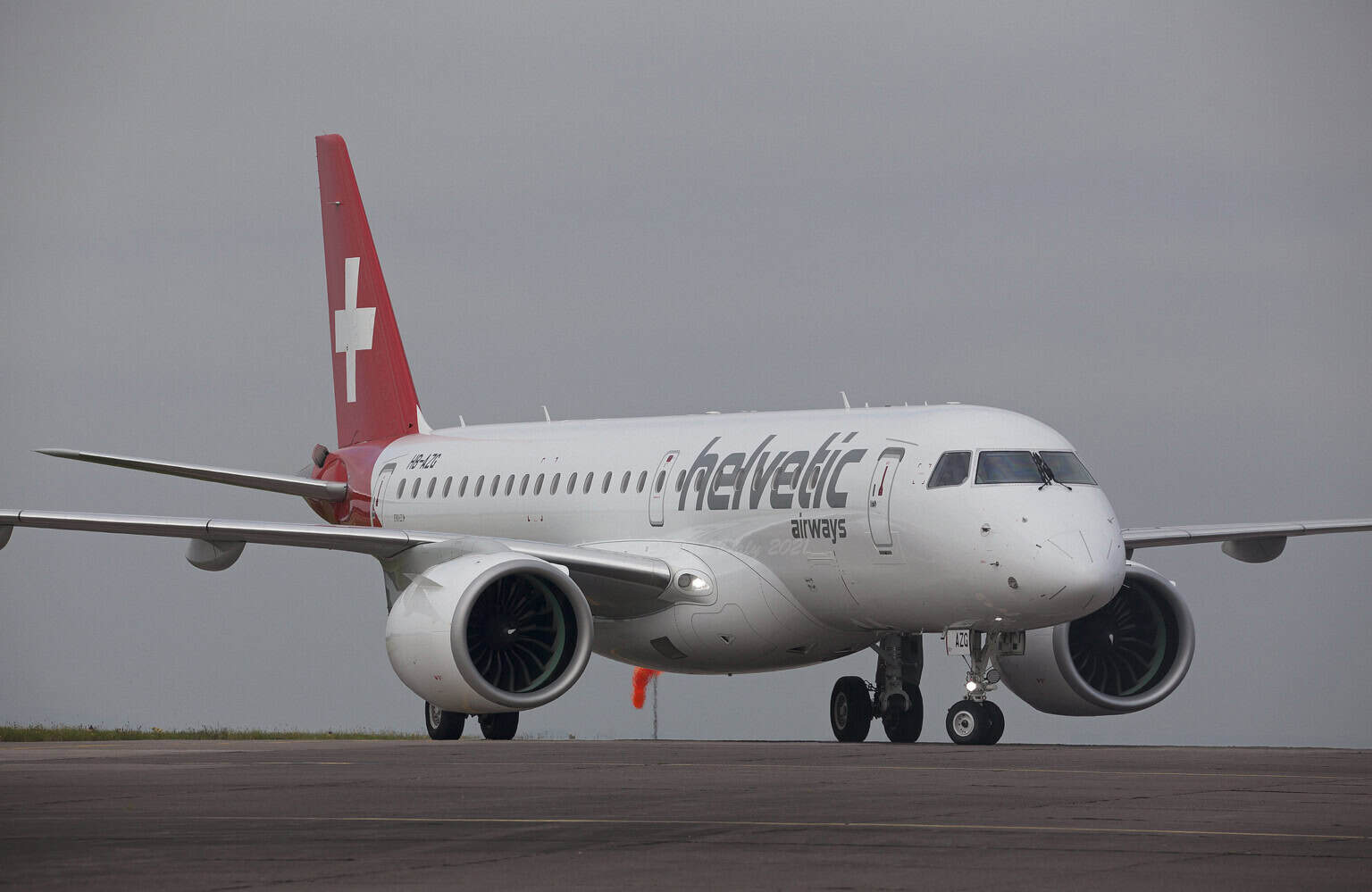
On July 17, 2026, Embraer said the European Union Aviation Safety Agency has certified its Runway Overrun Awareness and Alerting System, known as ROAAS, for the E-Jet E2 family. The approval clears the manufacturer’s in-house anti-overrun software for the E190-E2 and E195-E2 across Europe and the many jurisdictions that recognize EASA certification.
What EASA approved
According to Embraer, ROAAS is an energy-based system that continuously monitors the aircraft’s state and calculates its landing performance in real time, both on approach and after touchdown. When the math shows the jet may not be able to stop before the end of the runway, it alerts the crew so they can go around, adjust braking, or make an earlier decision than instinct alone would allow.
The EASA sign-off follows an earlier certification from Brazil’s civil aviation regulator, ANAC. Embraer frames the European approval as the step that opens the system up to E2 operators well beyond its home market, since EASA approvals are widely accepted by other national authorities.
What ROAAS actually does
It is a prediction tool, not a brake. The system compares how much runway is left with how much stopping distance the aircraft needs right now, given its speed, weight, and configuration, and warns the crew when that margin is disappearing.
Why runway overruns are so hard to stop
Runway excursions, where an aircraft leaves the paved surface off the side or the end, are among the most common categories of commercial aviation accidents. They rarely come from a single cause. A landing that is a little too fast, a runway made slick by rain or snow, a tailwind, or an approach that was never quite stabilized can each shave away the stopping margin, and they often stack up together.
Because each factor on its own can look minor, crews may not register how thin the combined margin has become until the aircraft is already on the ground and decelerating. That is the gap ROAAS is built to close, by turning the stopping-distance calculation into a continuous readout rather than a judgment call made under pressure.
The difficulty is that these situations develop quickly during the highest-workload moments of a flight. In the seconds around the landing flare and touchdown, a crew is judging sink rate, alignment, and braking largely by feel. A system that is constantly running the stopping-distance calculation can flag a shrinking margin before a pilot would sense it, which is exactly the window in which a go-around decision still has value.
ROAAS also fits a broader industry pattern. Over the past decade, manufacturers and regulators have pushed automated runway-awareness tools from optional extras toward expected equipment, alongside longstanding aids like the instrument landing system that guide the approach itself. The value of these tools is less about replacing pilot judgment than about giving crews an earlier, data-backed prompt during a phase of flight where seconds and a few knots of speed decide the outcome.
Reality check
A certification is a regulatory milestone, not an instant fleet upgrade. Embraer has not published a per-operator rollout schedule, so how quickly individual airlines activate ROAAS on their E2s will depend on their own fit and training plans.
Sources and references used for research and fact-checking.
Get the Newsletter
The latest aviation news and stories sent to your inbox.
About the Author

Tim is the owner and lead editor of AeroCorner since 2019, overseeing aviation content covering aircraft, airlines, airports, and the broader aviation industry. Through years of researching, writing, editing, and publishing aviation-focused content, he has developed extensive practical knowledge of commercial aviation and air travel. Based in Asia and a frequent traveler himself, Tim also brings firsthand passenger experience to AeroCorner’s coverage. Outside of publishing, he has also explored aviation firsthand through hands-on flight training in New Zealand.