

Pratt & Whitney Canada unveiled the PT9 turboprop engine on October 21, 2026, at the NBAA-BACE business aviation convention in Las Vegas. The company says the engine delivers 33% more power at altitude and burns 20% less fuel than previous-generation engines.
The PT9 is already certified by Transport Canada after more than 14,000 development hours, according to the announcement from parent company RTX. What it does not have yet is an aircraft.
What Pratt & Whitney Canada announced
RTX describes the PT9 as a “new centerline” engine, meaning a new design rather than a derivative of an existing one. Its modular layout is meant to allow later changes, including electric aircraft and hybrid thermal-electric powerplants.
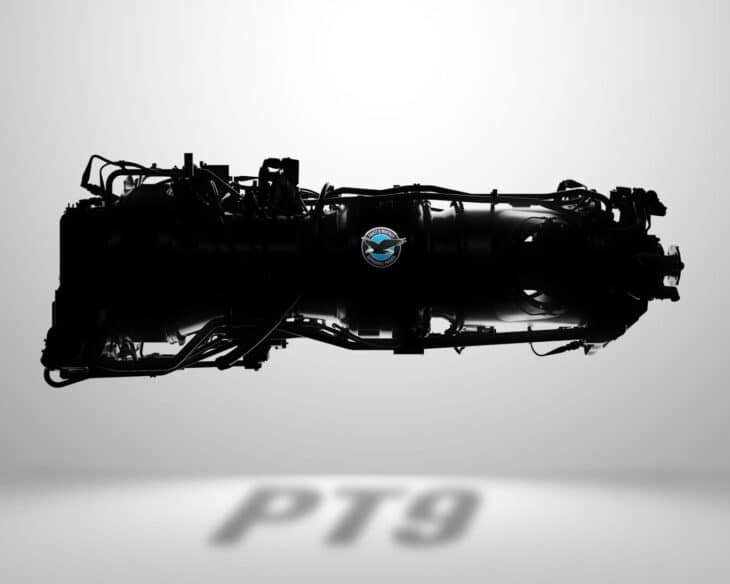
“The PT9 engine represents the next evolution of turboprop propulsion,” said Satheeshkumar Kumarasingam, president of Pratt & Whitney Canada. He added that its architecture “can be tailored to diverse airframe types.”
Production will take place in Lethbridge, Alberta. That plant is also the company’s global center of excellence for the PT6 family.
The press release gives no power rating, and the trade press reported different figures from the launch. AVweb put the output range at about 1,700 to 2,300 shaft horsepower, while FlightGlobal reported 1,700 to 2,000 shp.
No launch customer or aircraft application has been named. AVweb reported that the company is in talks with aircraft manufacturers and is also pursuing FAA and EASA certification.
AeroTime reported that serial production could start in about 18 months, depending on customer agreements. It also gave the Transport Canada approval date as October 1, 2026.
Why a new engine next to the PT6 matters
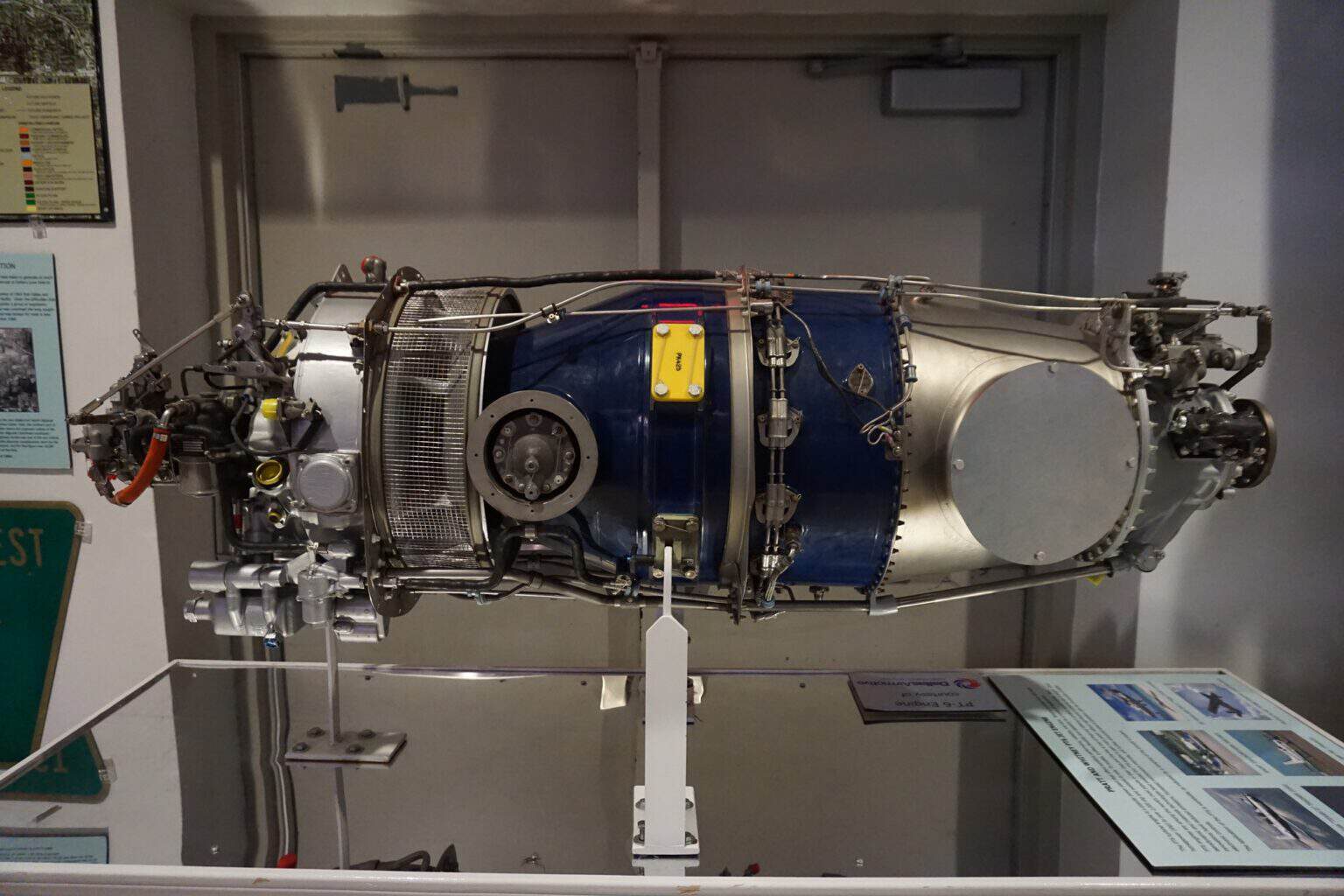
The PT6A is one of the most common turbine engines in general aviation. Pratt & Whitney says the family spans more than 70 models from 500 to over 1,900 shp, with more than 7,500 operators in over 180 countries and over 400 million flying hours.
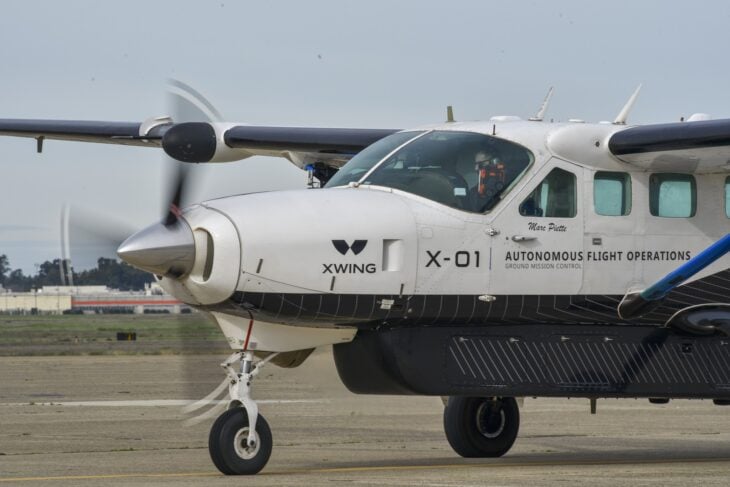
Its applications include the Cessna Grand Caravan, the Beechcraft King Air 350, the Pilatus PC-12, the Daher TBM series and military trainers such as the T-6A Texan II and Pilatus PC-21.

Pratt & Whitney Canada says the PT9 is an addition to its lineup, not a PT6 replacement, and that it will keep investing in the older family, AVweb reported. The reported power range explains why the two can coexist.
The reported PT9 range overlaps the top of the PT6A family, which reaches just over 1,900 shp. Its upper figures reach into the low end of the PW100, the company’s regional turboprop family, which runs from 1,800 to over 5,000 shp and powers aircraft such as the ATR 42.
Which aircraft will fill that middle ground is the open question. The company has said only that the design can be tailored to different airframe types.
A program that surfaced in 2024
The engine has been hiding in plain sight. In June 2024, Forecast International noted an FAA filing in which Pratt & Whitney Canada sought exemptions for a “new centerline turbopropeller engine” designated PT9A-11.
That filing concerned how the engine’s high-pressure rotor shaft is treated in overspeed rules, and Transport Canada had already granted a similar exemption. Forecast International read it as pointing to single-engine types such as the Grand Caravan and PC-12, though the company had announced nothing at the time.
The PT9 is not the only new turboprop engine in this market. GE Aerospace’s Catalyst, which powers the Beechcraft Denali, received FAA certification in 2025 after several years of delays.
The fuel-burn and power claims are the manufacturer’s own, and RTX did not say which engine they are measured against. Real-world numbers will depend on the airframe that adopts the PT9 first, and that aircraft has not been announced.
Sources and references used for research and fact-checking.
Get the Newsletter
The latest aviation news and stories sent to your inbox.
About the Author

AeroCorner News is the aviation news desk of AeroCorner.com. It covers accidents and incidents, safety rulings, airline and airport disruption, and new aircraft. It works from primary sources such as the NTSB, FAA, EASA and the manufacturers' own announcements.