

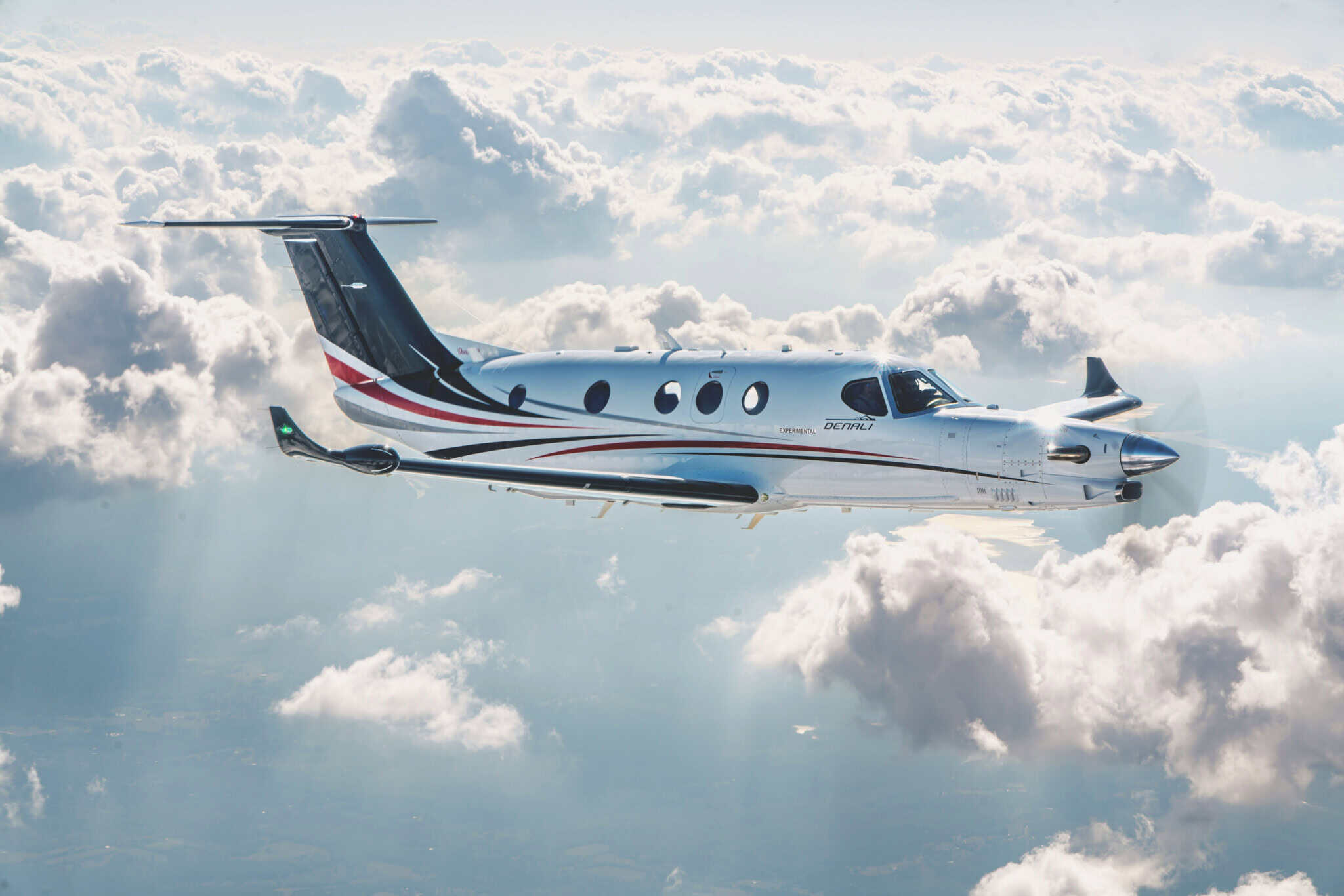
On July 21, 2026, Textron Aviation said its clean-sheet Beechcraft Denali has entered the final phase of its certification flight-test program. The single-engine turboprop is now expected to reach customers in 2027, later than the company’s earlier targets.
According to Textron, three flight-test aircraft have together logged more than 4,100 flight hours across over 1,650 flights. The company said testing is on track to conclude in October 2026, after which it will submit final documentation to the Federal Aviation Administration for certification.
Where the Program Stands
The remaining tests are meant to validate performance, systems, and operational limits across the flight envelope. Once the FAA signs off, first deliveries would follow, giving Beechcraft a modern turboprop single to sell alongside its twin-engine King Air line.
The Denali is the launch application for GE Aerospace’s Catalyst engine. It is a FADEC-controlled turboprop rated at 1,300 shaft horsepower, with single-lever power and propeller control designed to cut pilot workload.
The flight deck is built around Garmin G3000 avionics, including the Emergency Autoland system that can land the aircraft automatically if the pilot is incapacitated. Textron lists design targets of a 285-knot maximum cruise and a range near 1,600 nautical miles, along with a flat-floor cabin.
Why the Denali Matters
Single-engine turboprops occupy a useful middle ground in aviation. They are cheaper to buy and operate than a light jet, yet faster and more capable than a piston twin, which is why turboprops are still used so widely for regional business and utility flying.
That segment is dominated by the Pilatus PC-12 and the Daher TBM family. The Denali is Textron’s bid to compete directly, slotting above its own Cessna Grand Caravan and pitched at buyers who might otherwise choose a Pilatus.
The engine is the real story. Most turboprops in this class run versions of the decades-old Pratt & Whitney Canada PT6, so a clean-sheet powerplant like the Catalyst is a rare event. Textron argues its full-authority digital controls and improved efficiency are a genuine step forward, which is also why the program has moved slowly: a new airframe and a new engine had to be certified at once.
The Denali was first shown at Oshkosh in 2016 and made its first flight in 2021. The timeline has slipped several times since, largely tied to engine development and certification.
Still a target, not a delivery
The October 2026 test finish and 2027 service entry are Textron’s current projections, not firm dates. Clean-sheet aircraft programs routinely slip in their final certification stretch, so treat the timeline as provisional until the FAA issues the type certificate.
Sources and references used for research and fact-checking.
Get the Newsletter
The latest aviation news and stories sent to your inbox.
About the Author

Tim is the owner and lead editor of AeroCorner since 2019, overseeing aviation content covering aircraft, airlines, airports, and the broader aviation industry. Through years of researching, writing, editing, and publishing aviation-focused content, he has developed extensive practical knowledge of commercial aviation and air travel. Based in Asia and a frequent traveler himself, Tim also brings firsthand passenger experience to AeroCorner’s coverage. Outside of publishing, he has also explored aviation firsthand through hands-on flight training in New Zealand.