

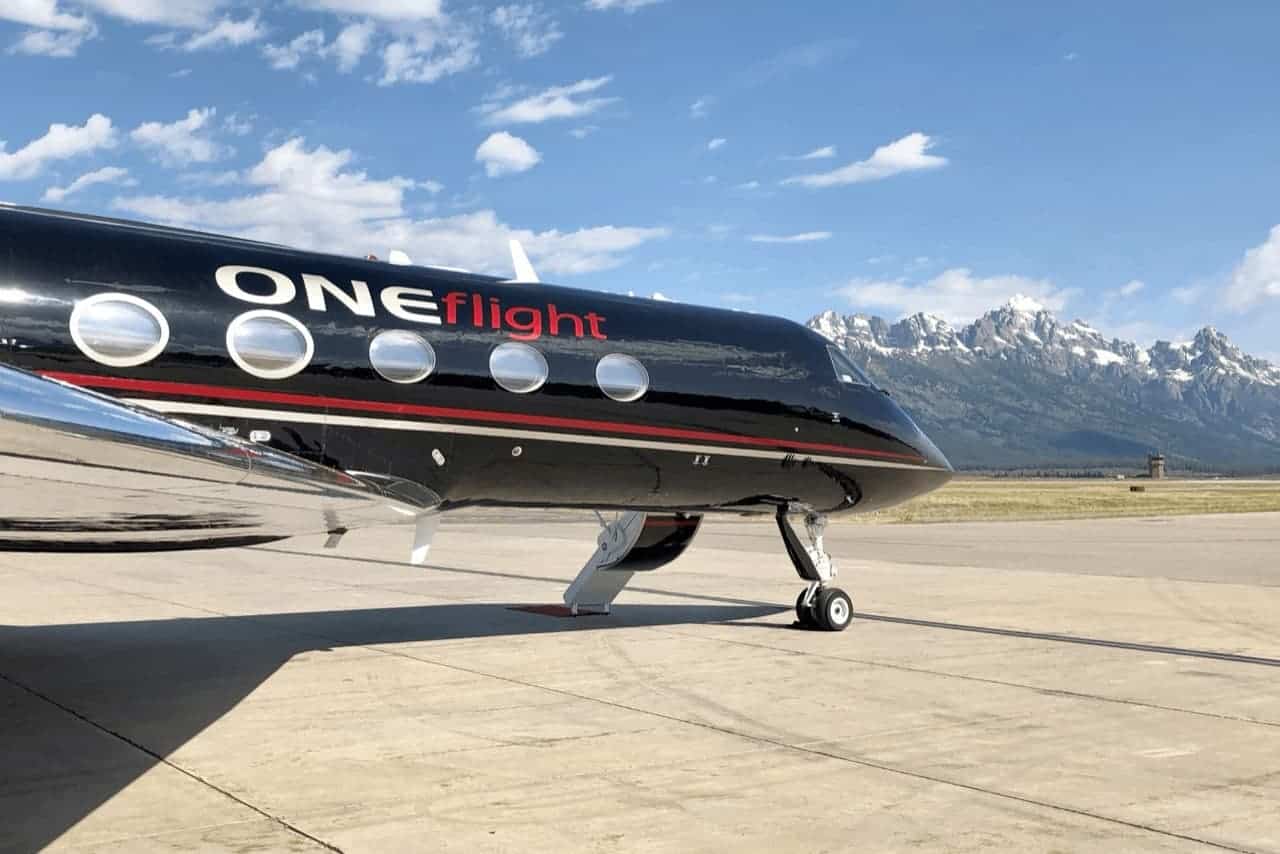
OneFlight International, an Englewood, Colorado charter broker that sells prepaid jet cards, told customers on September 16, 2026 that it was halting all flight activity for the next 30 days. A reported $150 million of prepaid customer money sits behind that pause.
“Effective immediately, OneFlight is pausing all flight activity for the next 30 days, or until further notice, while we conduct a comprehensive evaluation of our current operations and status,” the company wrote in its notice to cardholders.
The notice and the $150 million figure were first reported by Private Jet Card Comparisons, which estimated the exposure from the company’s sales volume. It is a measure of money at risk, not of money confirmed lost.
How $150 Million Ends Up Sitting With a Broker
OneFlight does not fly anyone. Under 14 CFR Part 295, an air charter broker is an indirect air carrier or bona fide agent that holds out and sells charter transportation, then contracts the actual flying to certificated direct air carriers.
The money moves first. This is the part of how air charter works that most buyers never see: a customer funds a jet card, minimum deposit $100,000 at OneFlight, then draws flights against that balance over months or years while the broker pays each operator after the trip.
That opens a long gap between when the customer pays and when the flying happens, and the broker’s balance sheet sits inside the gap. Charter brokers are not required to keep those deposits in a segregated account, and OneFlight does not, AeroTime reported.
Why this is different from a cancelled trip
A cancelled charter costs a traveler a day. A frozen prepaid balance is an unsecured claim on the broker, which means cardholders would stand in line with other general creditors if the company reorganizes or fails. That is the structural reason these episodes strand money rather than simply delaying flights.
The Warning Signs Came First
In August 2026 the company told cardholders they would owe a 35 percent “economic surcharge” on flights booked at contracted rates, citing extraordinary economic pressures in private aviation. It withdrew the surcharge within hours after complaints.
Charter operators reported on an industry forum that OneFlight had fallen behind on payments, in some cases letting balances build into the hundreds of thousands of dollars for flights already flown. Other operators said they had been paid normally throughout.
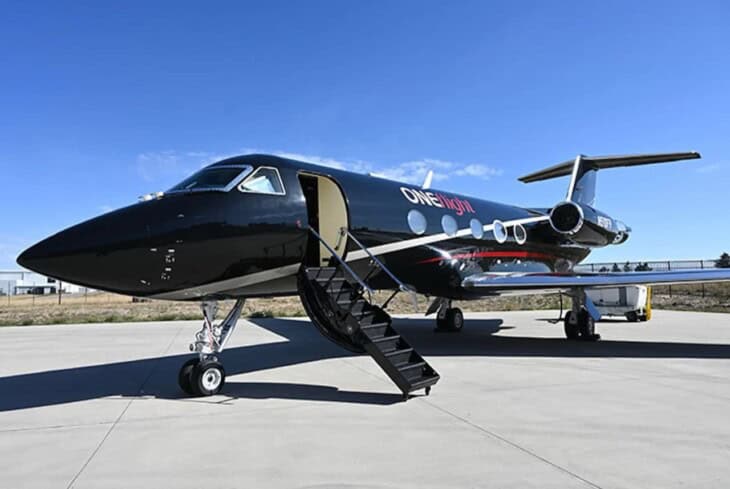
An internal email from the company’s vice president of human resources said leadership was “actively addressing the financial and operations issues that developed under previous CFO’s leadership.”
None of this looked like a company in retreat from the outside. Founded in 2010, OneFlight booked $232 million of revenue in 2025, a 90 percent year-over-year increase, selling fixed hourly rates with guaranteed availability across more than 125 aircraft types.
What Cardholders Have Been Offered
Two competitors moved within a day of the notice. FlyUSA opened a $100 million program giving stranded cardholders complimentary Gold membership and flight credits worth 20 percent of qualifying spend, capped at their verified stranded balance.
Amalfi Jets waived its own $100,000 card deposit for OneFlight members through October 15, 2026.
Both are commercial offers rather than refunds. Recovering value requires flying with the new provider and spending again, which is worth reading closely before treating either as a rescue. Travelers who want capacity without a large prepayment are better served by pay-as-you-go charter or empty leg flights, where money changes hands per trip.
OneFlight has not said what happens when the 30 days end, and no regulator has announced an action. Until one of those changes, the pause is the only thing cardholders have been told.
This story is unresolved
The $150 million figure is an outside estimate built from sales volume, not a filed number, and OneFlight has not published accounts, entered any insolvency process or been named in a regulatory action. Treat every figure here as provisional until the company or a court says otherwise.
Sources and references used for research and fact-checking.
- Legal Information Institute, Cornell Law School, 14 CFR 295.5 - Definitions (Air Charter Brokers)
- Legal Information Institute, Cornell Law School, 14 CFR 295.20 - Carriers that may be used
- FlyUSA (PR Newswire), FlyUSA Launches $100 Million Jet Card Recovery Program for Private Flyers with Stranded Funds
Get the Newsletter
The latest aviation news and stories sent to your inbox.
About the Author

Tim is the owner and lead editor of AeroCorner since 2019, overseeing aviation content covering aircraft, airlines, airports, and the broader aviation industry. Through years of researching, writing, editing, and publishing aviation-focused content, he has developed extensive practical knowledge of commercial aviation and air travel. Based in Asia and a frequent traveler himself, Tim also brings firsthand passenger experience to AeroCorner’s coverage. Outside of publishing, he has also explored aviation firsthand through hands-on flight training in New Zealand.