

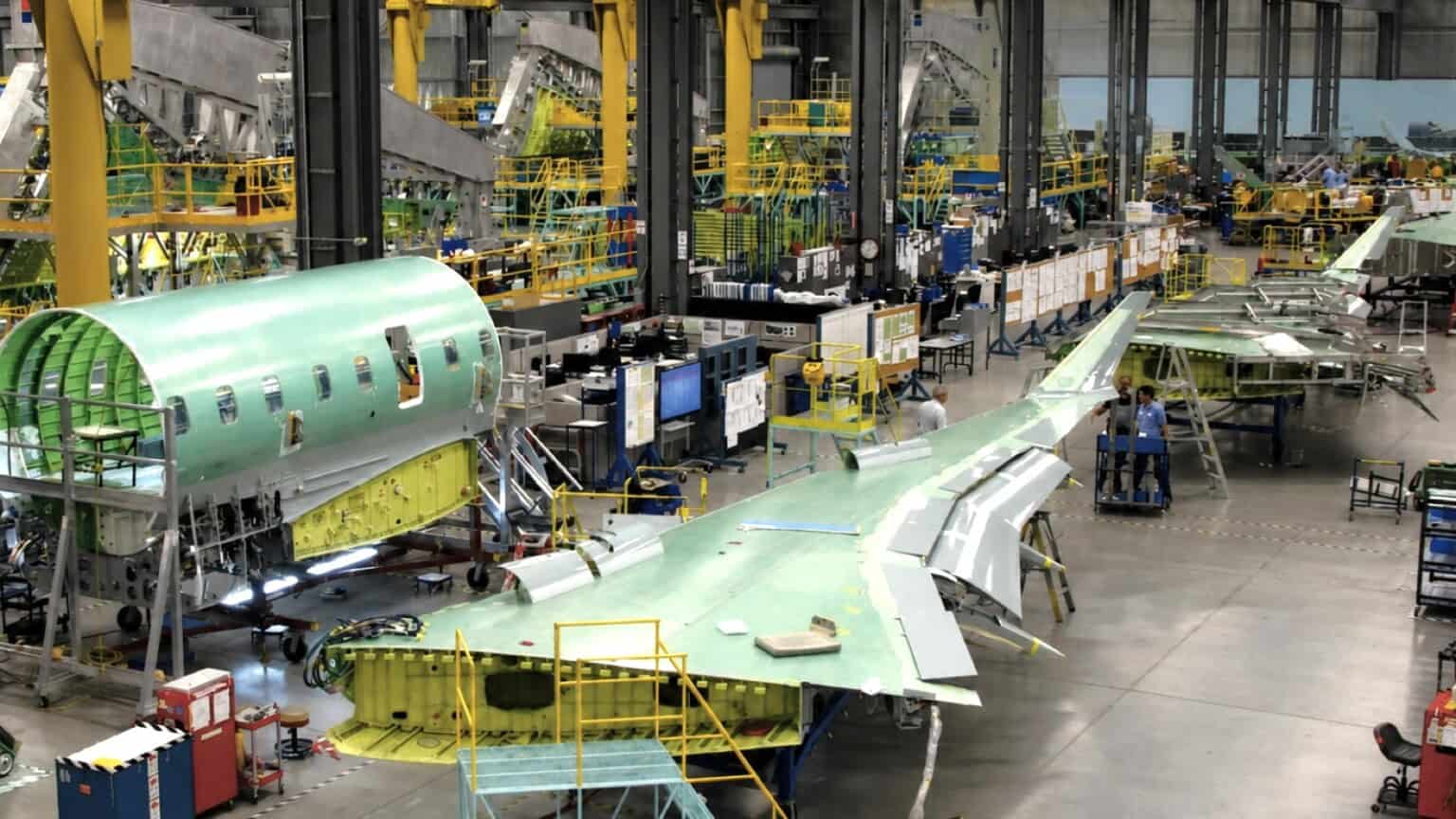
On September 7, 2026, President Donald Trump said Canadian planemaker Bombardier should no longer be allowed to sell aircraft in the United States unless it builds them on American soil. “NO MORE SELLING BOMBARDIER IN THE UNITED STATES! Their products aren’t good enough!” he wrote on Truth Social, adding that “if they want our Market, they must build here.”
Trump claimed that more than half of Bombardier’s revenue comes from American buyers and accused Canada of shutting US rival Gulfstream out of its market. He did not say how a sales ban would be enforced, and the White House did not respond to questions about it, Reuters reported.
What Bombardier sells now
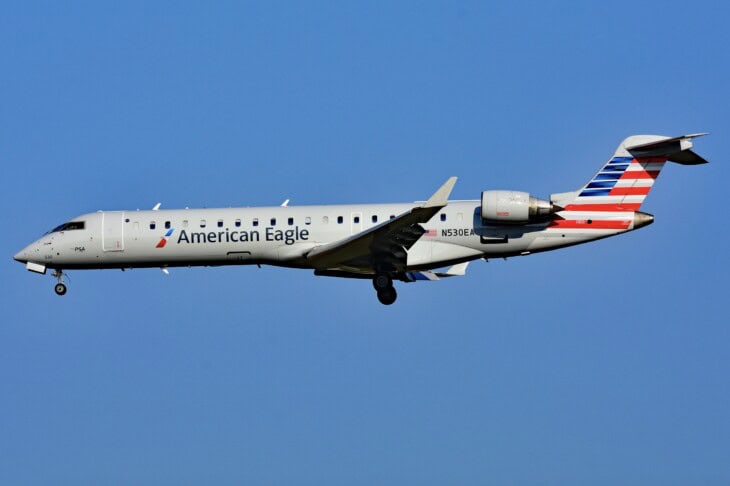
Bombardier builds only business jets today, the mid-size Challenger and long-range Global families, assembled at plants near Montreal and Toronto. It left the airliner business years ago, handing the A220 program to Airbus in 2020 and selling its CRJ regional jet line to Mitsubishi Heavy Industries the same year.
The United States is its largest market. Bombardier says it employs more than 3,000 people across nine US sites and buys from about 2,800 American suppliers. Wings for the flagship Global 8000 are made in Red Oak, Texas, and its Passport engines are assembled in Indiana.
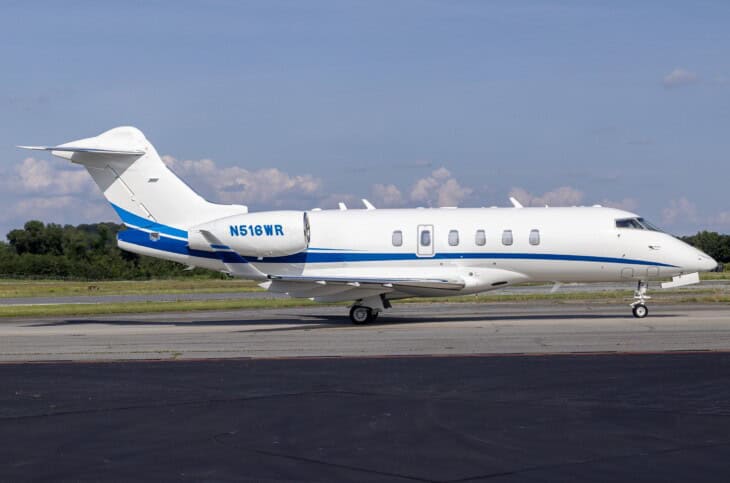
US fractional and charter operators fly Bombardier jets in bulk. NetJets, Flexjet, Airshare and Wheels Up all operate Challenger aircraft, and NetJets holds one of the largest Challenger 3500 orders on the books.
The fight behind the post
The threat extends a dispute that opened in January 2026, when Trump said Washington was decertifying Bombardier’s Global Express jets and all aircraft made in Canada, and floated a 50 percent tariff on Canadian aircraft. He tied it to Transport Canada’s slow approval of the Gulfstream G500, G600, G700 and G800.
Canada certified the G500 and G600 in February 2026 and the larger G700 and G800 later that month. Bombardier shares fell about 9 percent after the January posts. The company declined to comment on the September statement.
The post also landed as US-Canada trade talks soured. Canadian retaliatory tariffs covering roughly $20 billion of American goods were due to take effect the following day.
Whether Washington can actually do this
Aircraft are cleared to fly by aviation regulators, not by presidents. The FAA has withdrawn a type certificate for safety reasons only once, for the Robinson R-22 helicopter. “The FAA don’t decertify airplanes unless there is an extremely high-risk flight safety issue,” certification specialist Nigel Waterhouse told Global News.
Analysts saw little the administration could do to stop jets the FAA has already approved. Richard Aboulafia of AeroDynamic Advisory said he did not expect any business jet buyer to cancel a Bombardier order and did not see how the sales could be blocked. Bombardier’s jets also qualify for duty-free trade under the USMCA pact Trump signed in 2020.
An announcement, not a policy
Trump’s statement is a social media post with no executive order, tariff notice or rule behind it yet. The White House has not said how a ban would work, and the FAA has referred questions to the White House. Nothing about Bombardier’s current US deliveries has changed.
For now the effect is uncertainty rather than a halt. Bombardier keeps delivering to US customers under its existing FAA approvals, and whether the threat hardens into a tariff, an order, or nothing at all remains open.
Get the Newsletter
The latest aviation news and stories sent to your inbox.
About the Author

Tim is the owner and lead editor of AeroCorner since 2019, overseeing aviation content covering aircraft, airlines, airports, and the broader aviation industry. Through years of researching, writing, editing, and publishing aviation-focused content, he has developed extensive practical knowledge of commercial aviation and air travel. Based in Asia and a frequent traveler himself, Tim also brings firsthand passenger experience to AeroCorner’s coverage. Outside of publishing, he has also explored aviation firsthand through hands-on flight training in New Zealand.