Passenger Turbo Props
Bombardier Q300
ICAO: DH8C
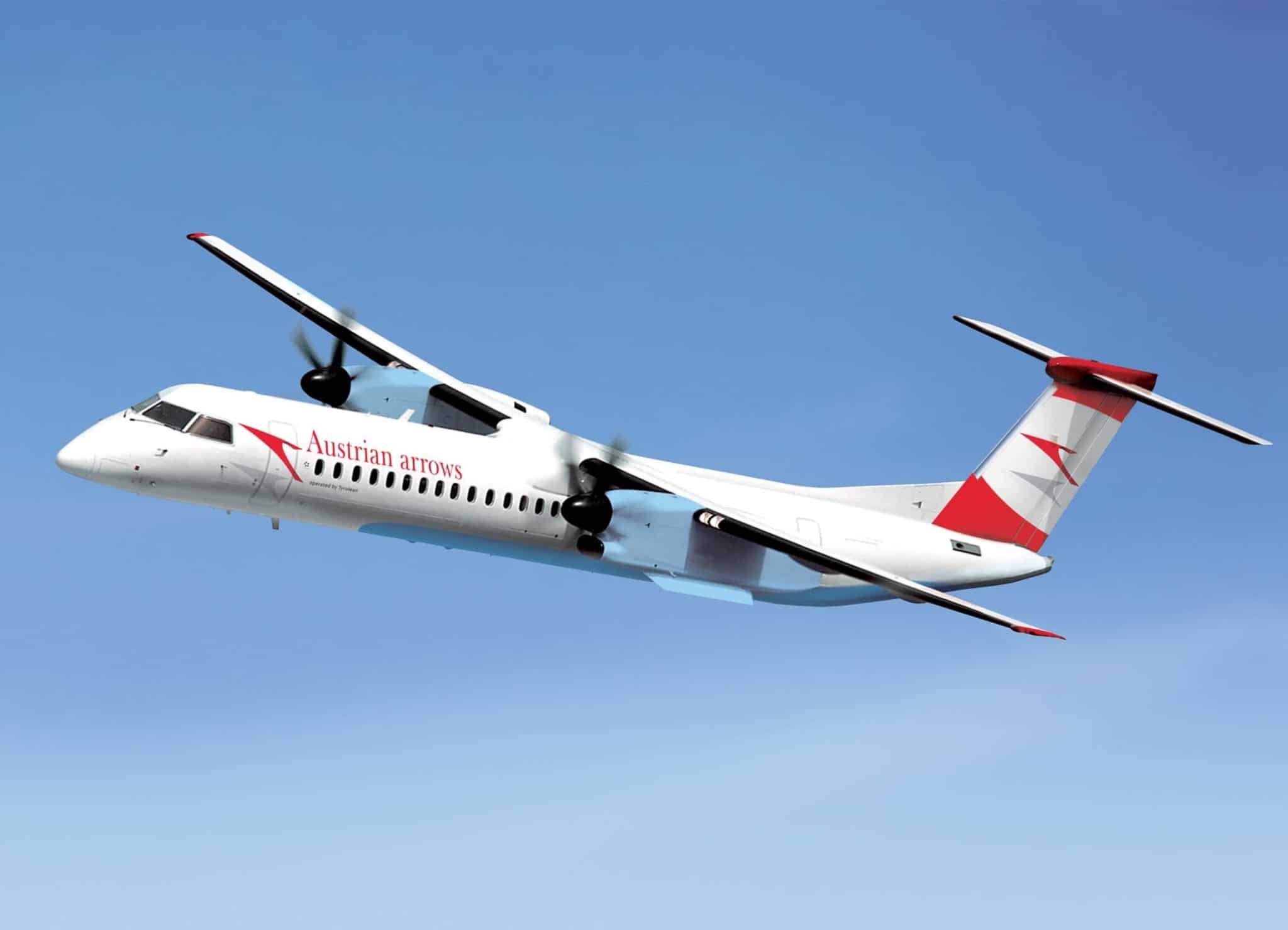
The Bombardier Q400 (Dash 8-400) is the fastest and largest of the Dash 8 family, a twin-turboprop regional airliner built to fly at near-jet speeds on short routes and still the highest-capacity turboprop on the market.
Updated: by Tim de Vries
The latest aviation news and stories sent to your inbox.
The Bombardier Q400, now sold by De Havilland Canada as the Dash 8-400, first flew in 1998 and entered airline service in 2000. It stretched the Dash 8 into a 70 to 90 seat airliner with two PW150A turboprops and active noise suppression. Production was paused in 2022, but more than 580 had been delivered by 2019.
Live Fleet Activity (DH8D)
Fetching live data…

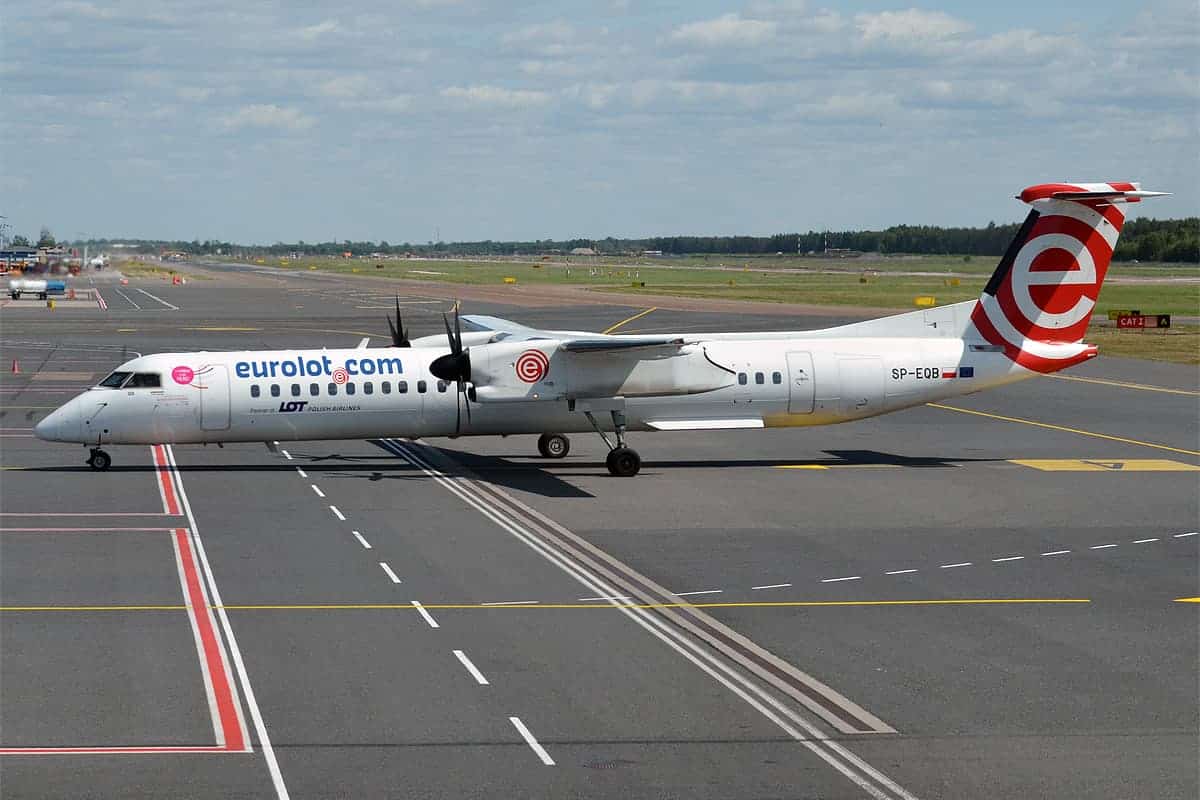
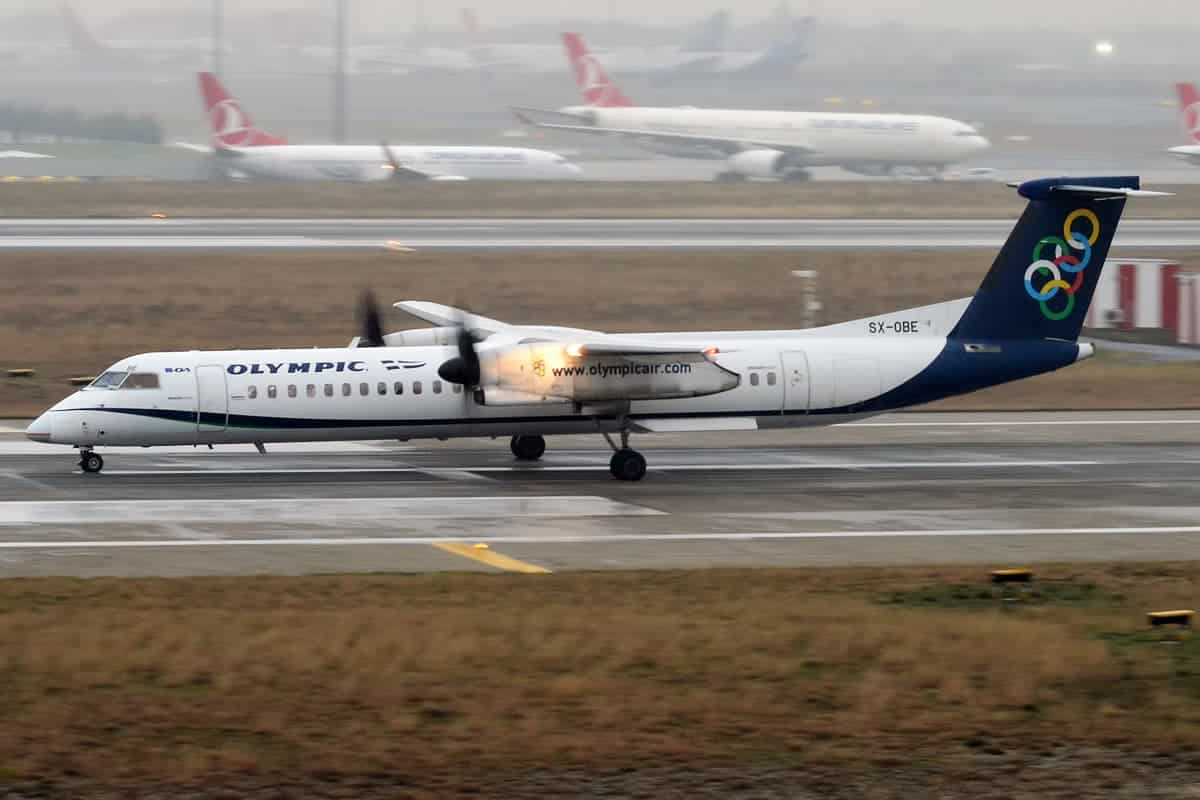


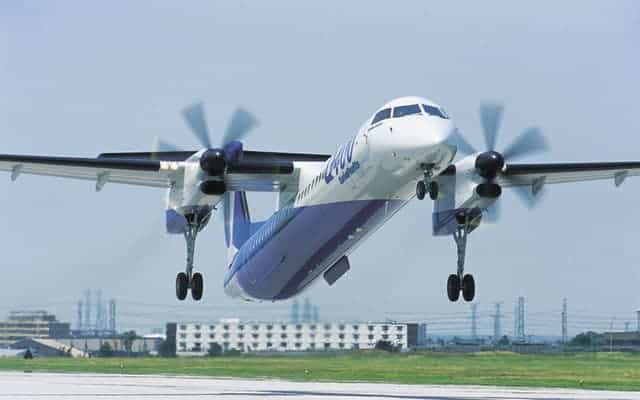
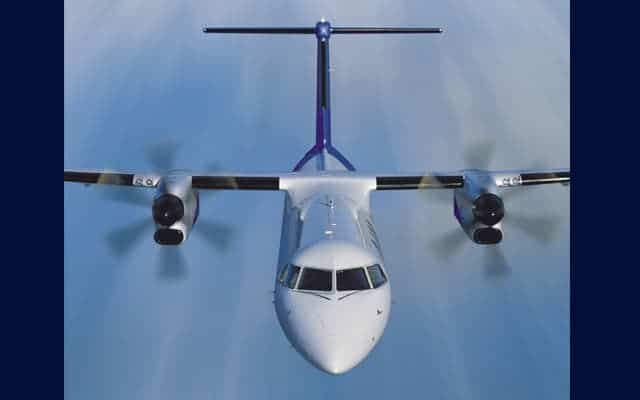
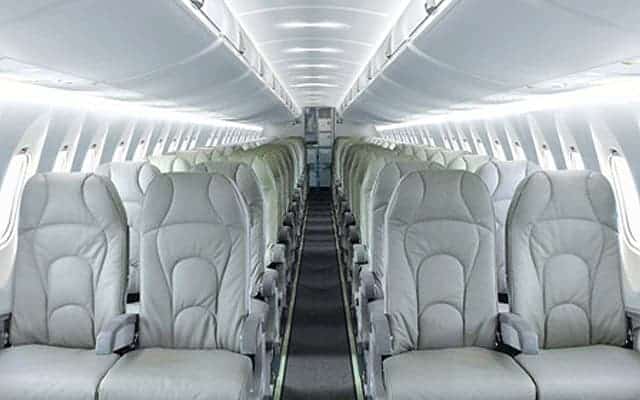

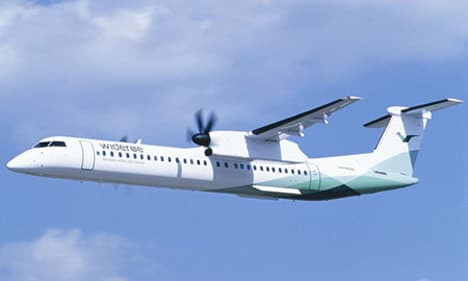
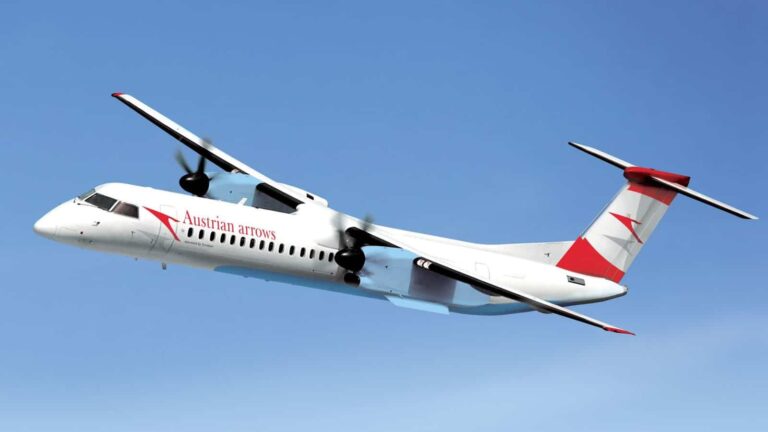
The Bombardier Q400 is a twin-turboprop regional airliner and the largest member of the Dash 8 family. It is now sold by De Havilland Canada as the Dash 8-400.
It flies faster than any conventional turboprop and carries 70 to 90 passengers depending on the cabin. That speed and capacity let airlines use it on routes that would otherwise need a small regional jet.
The original Dash 8 first flew in 1983. The Series 400 was a stretched, more powerful redesign, and the first Q400 flew in 1998.
It entered airline service in 2000 with SAS Commuter, the launch customer. The Q400 carries an active noise and vibration suppression system to cut propeller noise inside the cabin.
Bombardier built the Series 400 from 1999 to 2022. By March 2019, 587 had been delivered against 645 ordered.
The standard Q400 seats 70 to 78 passengers. A NextGen update added a new cabin, lighting, bins and lower fuel and maintenance costs.
The Extra Capacity version arrived in 2013 with 86 seats, and a 2016 update raised that to 90 with tighter seat spacing. Freighter, combi and maritime patrol conversions exist, and the Q400 is also used as a water-bombing airtanker.
The full specification table for the aircraft is on this page. A few figures need context.
Speed is quoted as a range. Published cruise speeds run from about 300 to 360 knots, depending on the weight and the power setting the airline chooses. The top of that range is what the speed rows show.
Weight and range depend on the variant and configuration. Published weights and ranges vary by variant and configuration, so older data sheets can show different figures. The panel shows the current Series 400 figures.
In September and October 2007, three SAS Q400s had landing gear failures in the space of weeks. SAS removed its whole Q400 fleet from service on October 28, 2007.
On February 12, 2009, Colgan Air Flight 3407, a Q400 flying from Newark to Buffalo, crashed near Clarence Center, New York, killing 50 people. The NTSB found that the captain’s inappropriate response to the stick shaker led to an aerodynamic stall. The accident led the FAA to require airline pilots to hold an ATP certificate.
Flybe was the largest Q400 operator in 2014. Alaska Airlines subsidiary Horizon Air flew the type for 22 years and ran its last scheduled Q400 flight on January 26, 2023.
De Havilland Canada paused Dash 8 production in 2021 and left its Downsview plant in 2022. It plans to restart production in Wheatland County, Alberta, by 2033, and it announced orders for seven Series 400 aircraft in July 2024.


It is a twin-turboprop airliner powered by two Pratt & Whitney Canada PW150A engines. The full specification table is on this page.
The spec panel lists a price of $32.2 million, but we have not found a published flyaway price to confirm it. Real prices depend on configuration and discounts, and used aircraft sell for far less.
No. Horizon Air retired its Q400 fleet and flew the last scheduled service on January 26, 2023. It now flies Embraer E175 jets.
De Havilland Canada paused production in 2021 and the Series 400 was last built in 2022. A restart is planned in Wheatland County, Alberta, by 2033.
SAS Commuter, which brought the type into service in February 2000.
Sources and references used for research and fact-checking.