Passenger Turbo Props
Bombardier Q200
ICAO: DH8B
The regional turboprop built for efficient short-haul service.

The latest aviation news and stories sent to your inbox.
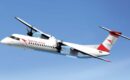
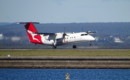
The Bombardier Q300 is a stretched version of the Dash 8-100 family. Introduced in the late 1980s, it offers increased seating capacity and range. The aircraft serves regional carriers worldwide.
Live Fleet Activity (DH8C)
Fetching live data…


The Q300 first flew in 1989 and entered service in 1990. It features a high-wing configuration and T-tail arrangement. The aircraft was designed for reliable performance on regional routes.
Two Pratt & Whitney Canada PW123 turboprop engines producing approximately 2,380 shaft horsepower each power the aircraft. Cruise speed approaches 285 knots (528 km/h). Maximum takeoff weight exceeds 43,000 pounds (19,505 kg), with seating typically around 50 passengers.
The Q300 has supported commuter and regional airlines for decades. Its short-field capability allows access to smaller airports. Production eventually ended as newer turboprops entered service.
Sources and references used for research and fact-checking.