

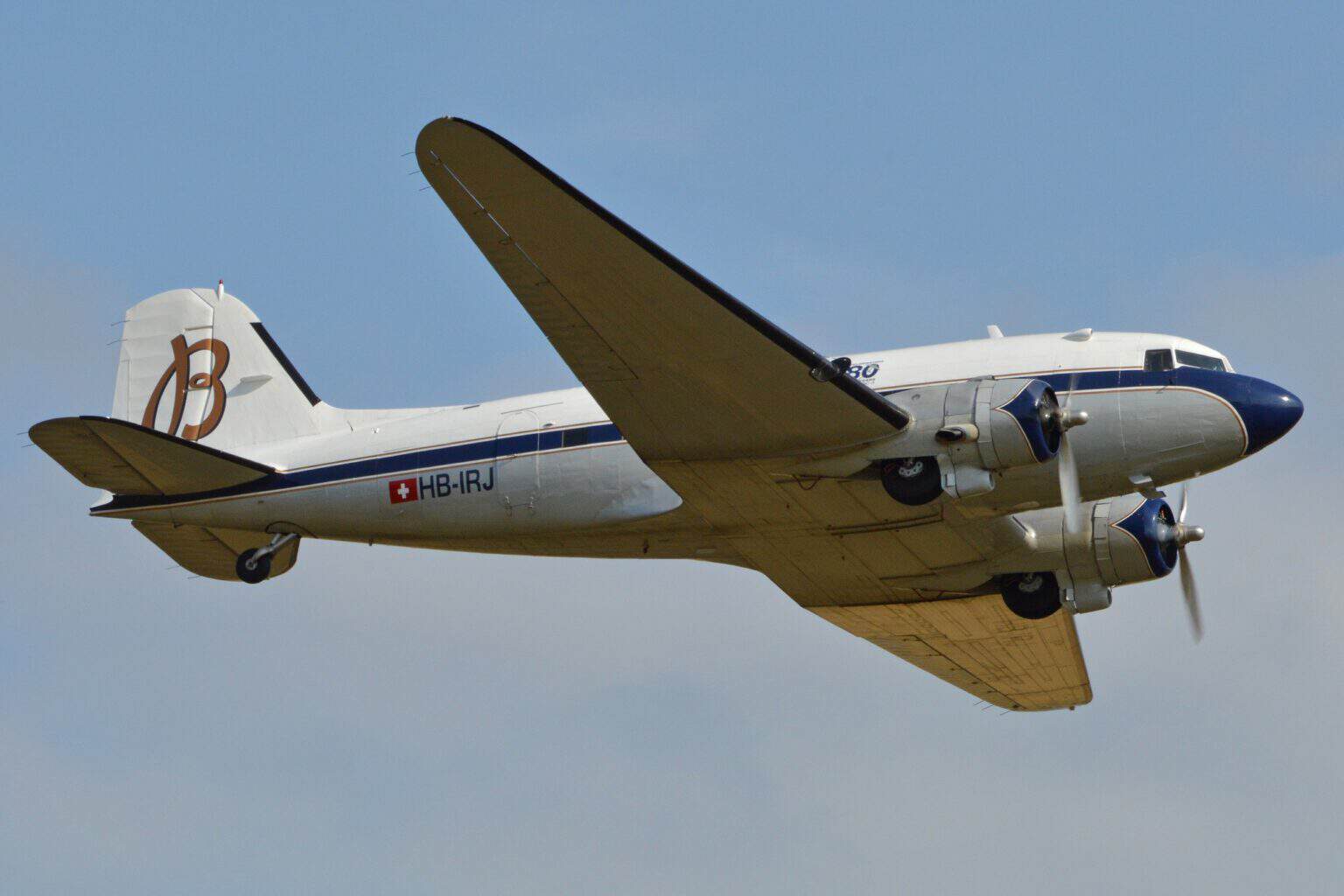
Table of Contents
On the afternoon of December 31, 1985, a fire broke out in the cabin of Ricky Nelson’s Douglas DC-3 as it flew toward Dallas. The pilots put the burning airplane down in a field near De Kalb, Texas, about five minutes after first reporting a problem.
Nelson, 45, died with his fiancée Helen Blair, sound engineer Clark Russell and four members of his Stone Canyon Band: Andy Chapin, Rick Intveld, Bobby Neal and Patrick Woodward.
Most retellings call it a crash and blame cocaine. The record says neither: the airplane reached the ground, the passengers died of smoke and burns, and investigators found no evidence that drugs started the fire.
What did start it was never determined.
This article is built from the National Transportation Safety Board’s final report on the accident, number DCA86AA012. Facts from other sources are named as they come.
May 2, 1985
The airplane changes hands. Nelson buys the DC-3 from Century Equipment Co. of Los Angeles to move the band between shows. The NTSB still lists Century Equipment as the registered owner, with Nelson as the operator.
December 31, 12:40 p.m. EST
Departure. N711Y leaves Guntersville, Alabama, for Dallas Love Field on an IFR flight plan. Nine people are aboard, bound for a New Year’s Eve show.
En route
The heater will not start. Cruising at 6,000 feet, the crew tries repeatedly to start the cabin heater, without success.
5:08:48 p.m. CST
A diversion. A pilot tells air traffic control he would like to turn around for Texarkana: “I’ve got a little problem.” He gets a vector, then says he cannot reach the airports.
5:11:49 p.m.
Smoke in the cockpit. The crew reports smoke. In the cabin it is becoming dense, and the pilots have trouble seeing.
About 5:14 p.m.
Forced landing. Landing in a field, the DC-3 hits power lines and a pole and runs into trees. Fire destroys it. The two pilots get out through the cockpit windows.
May 1987
The report. The NTSB finds the fire began in the aft cabin near the heater, cannot say what lit it, and faults the crew’s emergency procedures.
What happened
Nelson had become a teen idol on his parents’ TV show, The Adventures of Ozzie and Harriet, and by 1985 he was touring again with the Stone Canyon Band. That May he bought a Douglas DC-3, a World War II-vintage twin with two Pratt & Whitney radial engines, to carry the band between dates.
The airplane had a reputation inside the band. Relatives of two musicians told the Los Angeles Times in 1986 that it had been plagued by engine trouble for months. Chapin’s sister said he had talked about quitting rather than keep flying on it.
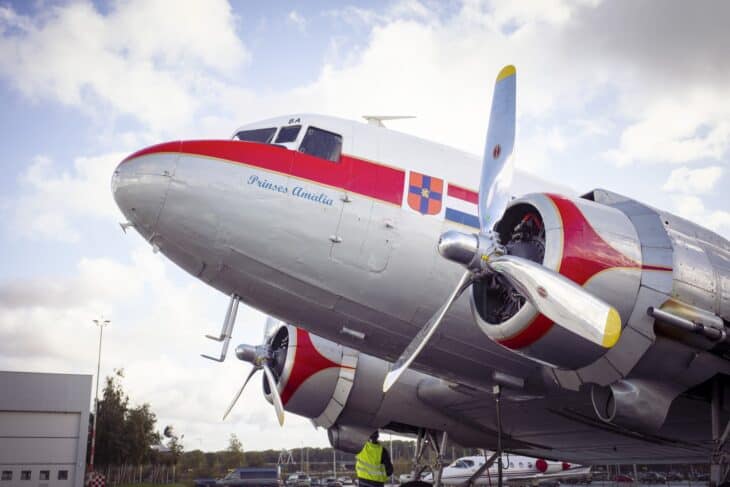

On New Year’s Eve the group left Guntersville, Alabama, where the band had played, for a concert in Dallas. Captain Brad Rank and co-pilot Kenneth Ferguson filed an instrument flight plan, although the NTSB recorded clear skies and 15 miles of visibility at the accident site.
Rank held an airline transport pilot certificate and had about 5,700 flying hours. Only about 150 of them were in the DC-3, according to the NTSB.
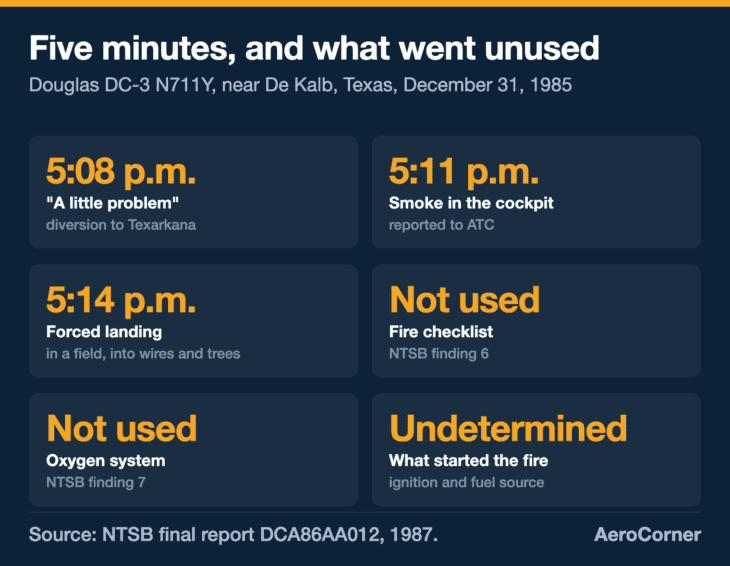
At 5:08 p.m., cruising at 6,000 feet over northeast Texas, a pilot told the controller he wanted to turn back toward Texarkana. Three minutes later he reported smoke in the cockpit.
Smoke was filling the cabin and the cockpit. The crew opened the fresh air vents and the cockpit windows, but the smoke became so dense they had difficulty seeing out.
They picked a field. Coming in to land, the DC-3 struck power lines and a utility pole, then continued into trees, and fire consumed the wreck. Rank and Ferguson climbed out through the cockpit windows with serious burns. None of the seven passengers got out.
Two days later, NTSB chairman Jim Burnett said the smoke-filled airplane had landed on all three landing gear and come to a full stop before the flames took it. The Dallas County medical examiner’s office said the victims died of smoke inhalation and burns.
What the NTSB found
The NTSB’s probable cause names one occurrence: a fire in the cabin during cruise. Its second finding is blunt: “reason for occurrence undetermined”.
Investigators traced the fire’s origin to the aft cabin, on the right side, at or near the floor line. That is the area of the gasoline-fired cabin heater. The fasteners on the heater’s access door were found unfastened, but the report says the ignition and fuel sources of the fire were not determined.
The board’s report, as quoted by the Los Angeles Times, put it this way: “There is no doubt that the fire did originate in the area of the heater.” It stopped short of saying the heater caused it.
The contributing factors are about the crew’s response, not the cause. The report lists smoke in the cabin and cockpit, an emergency procedure not followed by the pilot in command, the checklist not used, and the oxygen system not used. The hand-held fire extinguishers were not used either.
The two pilots gave investigators different accounts.
Ferguson said the heater had been acting up since takeoff: when its warning light came on, the crew turned it off, waited, then turned it back on, and Rank repeatedly told him to restart it. Ferguson said he refused once, because he did not think they should be “messing with that heater en route.”
Rank did not describe heater trouble. He said he saw smoke in the middle of the cabin, found the heater cool to the touch, activated an automatic fire extinguisher, opened the fresh air inlets and went back to the cockpit. The board could not reconcile the two accounts.
It did fault Rank for not following the in-flight fire checklist, for opening vents that should have stayed closed, for not telling the passengers to use supplemental oxygen and for not using the cockpit extinguisher. Those steps might not have prevented the accident, the board said, but “they would have enhanced the potential for survival of the passengers.”
What most accounts get wrong
Within days of the accident, rumors spread that someone aboard had been freebasing cocaine and started the fire. Investigators did consider it early on, and toxicology later found traces of the drug in several passengers. But the NTSB found no evidence of drug use during the flight and no drug paraphernalia in the wreckage, and its final report does not mention drugs at all. The other common version, that the airplane fell out of the sky, is wrong too. The crew landed it in a field, and the passengers died of smoke and burns from a fire that began inside the cabin.
Why a cabin fire is a race against smoke
N711Y’s cabin heater was gasoline-fueled, a combustion heater: a small burner fed from the airplane’s fuel that warms cabin air through a heat exchanger. It works, but it puts a flame, fuel lines and hot exhaust inside the fuselage.
That is why heaters carry automatic shutoffs.
Today’s certification rule for transport-airplane combustion heaters, 14 CFR 25.859, requires a safety control that cuts fuel and ignition when the heat exchanger or air temperature exceeds safe limits, or when airflow becomes inadequate. It must then keep the heater off until the crew restarts it, and warn the crew it has shut down.
The DC-3 was designed long before that rule, and the NTSB never established which of the two pilots’ accounts was right. But the logic explains why its findings matter. A heater that keeps shutting itself off is reporting a fault, and every restart is a decision to override that warning.
Once there is smoke, the checklist exists because the smoke kills before the fire does. Air coming in through open vents can feed a fire and spread smoke through the cabin. Supplemental oxygen keeps the people aboard breathing clean air while the crew gets the airplane down.
On N711Y the crew had about five minutes from the first call to the ground, and they made a survivable landing. The board’s point was that the cabin had become unsurvivable faster than it needed to.
What changed
Very little, as far as the public record shows. The NTSB’s final report lists no safety recommendations, and we found no regulation traced to this accident.
Part of the reason is who was flying. The flight ran under Part 91, the general aviation rules, as an executive and corporate operation, and the NTSB lists no FAA operating certificate for it. It was not an airline or charter flight, so the airline and charter rules on crew training and FAA oversight did not apply.
The lesson the record leaves is narrower and older than any rule. A crew facing smoke has a checklist, oxygen and an extinguisher, and they work only if they are used. That point echoes through other music-world accidents, from the Buddy Holly crash onward: the aircraft was flyable, and the decisions around it decided the outcome.
More than 40 years later, the cause of the fire is still officially undetermined.
FAQ
Sources and references used for research and fact-checking.
- National Transportation Safety Board, Aviation Accident Final Report DCA86AA012, Douglas DC-3 N711Y, De Kalb, Texas, December 31, 1985
- eCFR, 14 CFR 25.859, Combustion heater fire protection
- Los Angeles Times, Probe Discounts Drugs as Cause of Air Crash That Killed Rick Nelson
- Los Angeles Times, Free-Basing Ruled Out in Nelson Crash
- Los Angeles Times, Probers Look to 2 Survivors for Clues in Crash That Killed Rick Nelson
- Wikipedia, Death of Ricky Nelson
- This Day in Aviation, 31 December 1985 (N711Y)
Get the Newsletter
The latest aviation news and stories sent to your inbox.
About the Author

Tim is the owner and lead editor of AeroCorner since 2019, overseeing aviation content covering aircraft, airlines, airports, and the broader aviation industry. Through years of researching, writing, editing, and publishing aviation-focused content, he has developed extensive practical knowledge of commercial aviation and air travel. Based in Asia and a frequent traveler himself, Tim also brings firsthand passenger experience to AeroCorner’s coverage. Outside of publishing, he has also explored aviation firsthand through hands-on flight training in New Zealand.