

Table of Contents
Boeing has built the 737 for almost six decades, through four generations, and the older ones keep flying long after the factory moves on. Here is the count, generation by generation.
Boeing had delivered 12,739 Boeing 737s by Sept. 30, 2026, according to its orders and deliveries data. That total covers four generations: the Original, the Classic, the Next Generation and the 737 MAX.
More than half of them are still flying. In June 2025, Cirium fleet data published by IATA counted 4,558 active 737-800s, 1,573 737 MAX 8s and 654 737-700s. Those three variants alone add up to 6,785 jets in service.
What the 737 no longer holds is the record. On Oct. 7, 2025, the Airbus A320 family passed it as the most-delivered jetliner in history.
Why Boeing Kept Rebuilding a 1960s Jet Instead of Replacing It
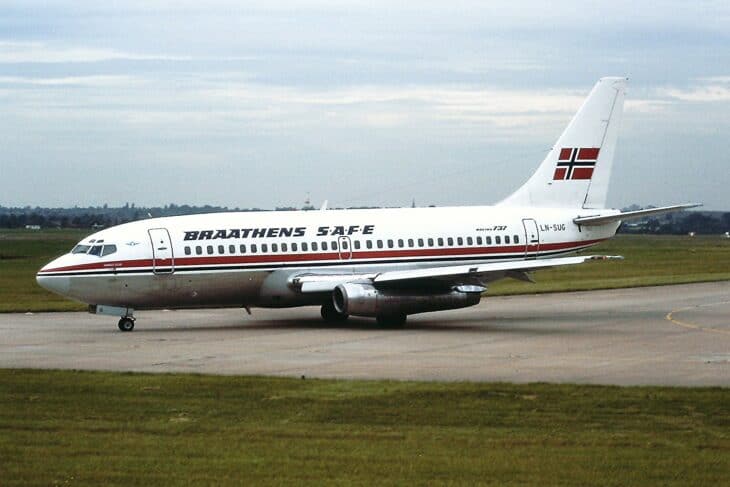
The first 737-100 flew on April 9, 1967, and entered service with Lufthansa on Feb. 10, 1968. Only 30 of that first version were built. The slightly longer Boeing 737-200 became the real seller, with 991 delivered plus 104 convertible 737-200Cs.
Instead of starting over, Boeing kept the fuselage cross-section and rebuilt everything around it. The Classic series of the 1980s brought high-bypass CFM56 engines for better fuel economy. The Next Generation of 1997 brought a redesigned wing with 25% more area and 30% more fuel capacity.
The 737 MAX repeated the trick with CFM LEAP engines and split-tip winglets. It first flew on Jan. 29, 2016, and the first one was delivered to Malindo Air on May 16, 2017.
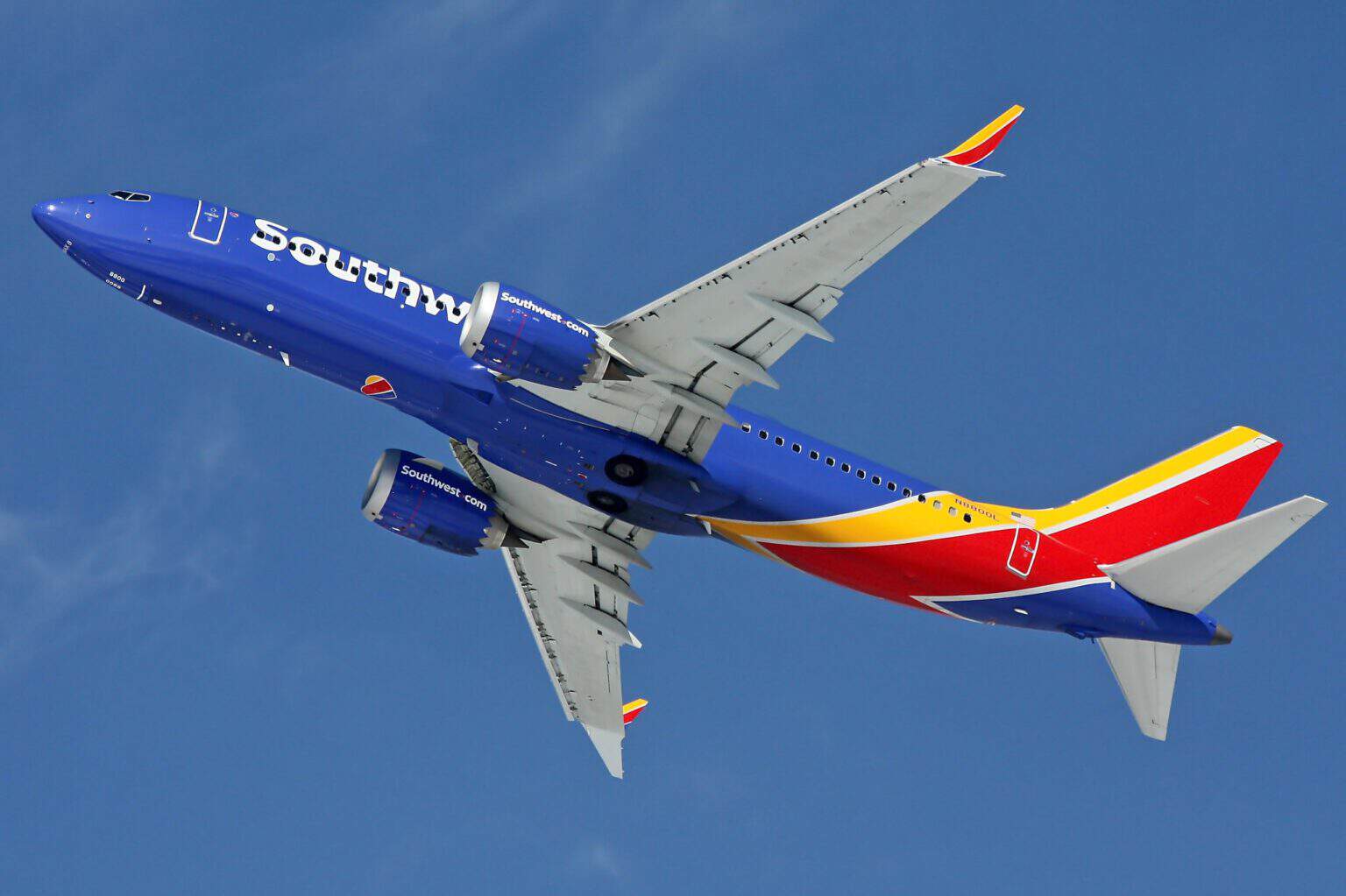
Each generation was designed to keep crew commonality with the 737s airlines already flew. On March 13, 2018, the 10,000th 737, a MAX 8 for Southwest Airlines, came off the line in Renton, Washington.
Guinness World Records recognized it that day as the most produced commercial jet aircraft model. Boeing was building 47 737s a month at the time.
How Many 737s Were Built in Each Generation
The measure below is deliveries, the jets Boeing actually handed over, through Sept. 30, 2026. Orders not yet built and aircraft in service are separate numbers.
| Generation | Models | Delivered | Still flying (latest dated count) |
|---|---|---|---|
| Original | 737-100, -200, -200C, T-43A | 1,144 | About 50 737-200s (2023) |
| Classic | 737-300, -400, -500 | 1,988 | 692 in commercial service (July 2019) |
| Next Generation | 737-600, -700, -800, -900, -900ER, BBJ, P-8 | 7,124 | 4,558 737-800s and 654 737-700s active (June 2025) |
| 737 MAX | 737-7, -8, -9, -10 | 2,483 | About 2,198 estimated (March 2026) |
| Total | 12,739 |
The Next Generation is the giant: 7,124 jets, more than every other generation combined. The Boeing 737-800 is most of it, with 4,989 commercial 737-800s delivered plus 191 built as the Navy’s P-8 Poseidon.

Boeing delivered 1,988 Classics between 1984 and 2000, led by 1,113 of the 737-300. The MAX has 2,483 deliveries so far and 4,867 more on order, so it will pass the Next Generation’s total if the order book holds.
The “more than half” claim is simple arithmetic. Boeing had delivered 12,372 737s by the end of 2025, and the 6,785 active jets from just three variants in June 2025 are 55% of that. Against the smaller number delivered by mid-2025, the share is higher still. Every other active 737, from the 737-900ER to the MAX 9, sits on top.
The most common airliner in the sky
In June 2025, Cirium counted 4,558 active Boeing 737-800s, more than any other airliner variant in the world. The Airbus A320, in second place, had 3,611.
How the Airbus A320 Took the 737’s Record
Reuters reported on Oct. 7, 2025, that an A320neo delivered overnight to Saudi carrier Flynas had taken the Airbus family to 12,260 deliveries, according to Cirium data. That ended the 737’s decades-old record.
The MAX crisis helped close the gap. After the two 737 MAX crashes of 2018 and 2019, Boeing’s 737 deliveries fell from 580 in 2018 to 127 in 2019 and just 43 in 2020.
The A320 family had already passed the 737 on total orders in October 2019, the year the MAX was grounded. “Boeing can’t catch up with the current A320 family based on their respective production plans,” aircraft supply analyst Rob Morris told Reuters.
Airbus is still ahead on deliveries. It outdelivered Boeing again in the first half of 2026, 351 jets of all types to 314, even as Boeing had its best first half since 2018.
The fleet in service tells a closer story. In June 2025, Cirium counted 12,234 active Boeing airliners of all types against 11,804 from Airbus, and the 737-800 alone still outnumbered any single Airbus model.
Where the Older 737s Are Going Now
The Next Generation is starting to leave. On Nov. 4, 2026, AerFin said it would buy 44 Qantas 737NGs and their 88 CFM56-7B engines, the largest deal in the UK aftermarket firm’s history, AeroTime reported.
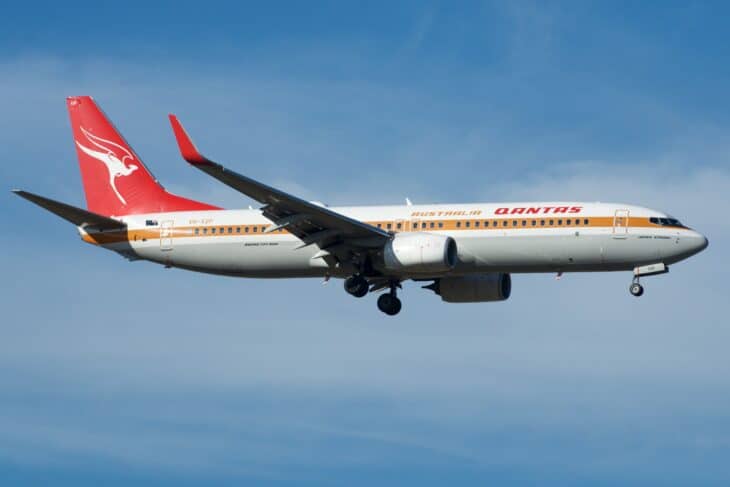

The jets will move over seven years as Qantas retires them, with the first leaving in 2026. Airbus A321XLRs are taking their place, and AerFin plans to use the retired 737s to supply parts to airlines and repair shops.
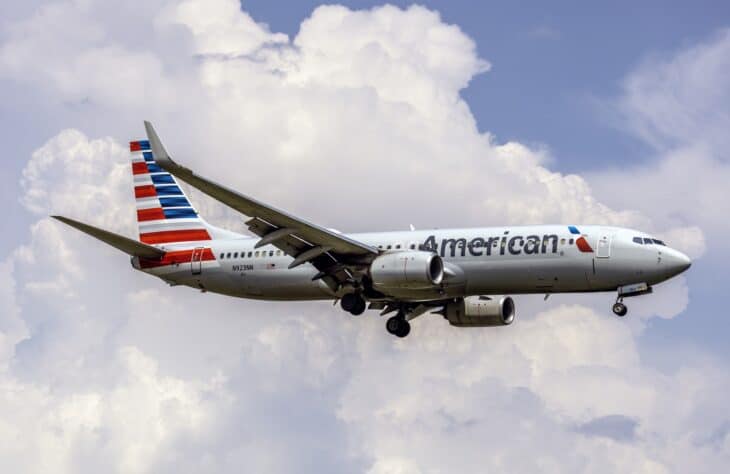
That retirement curve will run for years, because the biggest 737 fleets are still huge. Southwest flew 803 planes on Sept. 30, 2026, every one a 737, and American Airlines had 303 737-800s at the end of 2025, its single biggest type.
The oldest generations are nearly gone. About 50 737-200s were still active in 2023, spread across roughly 30 operators, and a 2019 census counted 692 Classics in commercial service.
The MAX is young enough that nearly all of it is still in service. Simple Flying estimated an in-service fleet of about 2,198 in March 2026, from roughly 2,200 delivered at the time, minus the two jets lost in the crashes.
How Many 737s There Will Be Next
Boeing delivered 367 737s in the first nine months of 2026, about 41 a month, and still had 4,902 unfilled 737 orders on Sept. 30. Our look at the record 737 MAX delivery pace found that backlog would take about a decade to clear.
At this year’s pace, the 13,000th 737 would be delivered in the spring of 2027, by our calculation. The biggest model yet is part of that queue: the FAA certified the 737 MAX 10 on Oct. 20, 2026, nine years after launch.
Like the Boeing 747, which still has about 420 in service, the 737 will keep flying long after its last delivery. The difference is that nobody has set a date for the last 737.
Sources and references used for research and fact-checking.
- Wikipedia, Boeing 737
- Wikipedia, Boeing 737 Next Generation
- Wikipedia, Boeing 737 Classic
- Wikipedia, Boeing 737 MAX
- Boeing, Boeing June 2026 Orders and Deliveries
- Boeing, Boeing Announces Third Quarter Deliveries
- Boeing, Boeing Recognized by GUINNESS WORLD RECORDS for 10,000th 737
- IATA, The global commercial aircraft fleet: Shortages cap growth
- Reuters via AJOT, Airbus A320 flies past Boeing 737 as most-delivered jet in history
- AeroTime, Qantas sells 44 Boeing 737NGs to AerFin as part of fleet retirement plans
- AirlineGeeks, Where Are Boeing 737-200s Flying in 2023?
- Simple Flying, How Many Boeing 737 MAX Aircraft Are In Service?
Get the Newsletter
The latest aviation news and stories sent to your inbox.
About the Author

Tim is the owner and lead editor of AeroCorner since 2019, overseeing aviation content covering aircraft, airlines, airports, and the broader aviation industry. Through years of researching, writing, editing, and publishing aviation-focused content, he has developed extensive practical knowledge of commercial aviation and air travel. Based in Asia and a frequent traveler himself, Tim also brings firsthand passenger experience to AeroCorner’s coverage. Outside of publishing, he has also explored aviation firsthand through hands-on flight training in New Zealand.