

Table of Contents
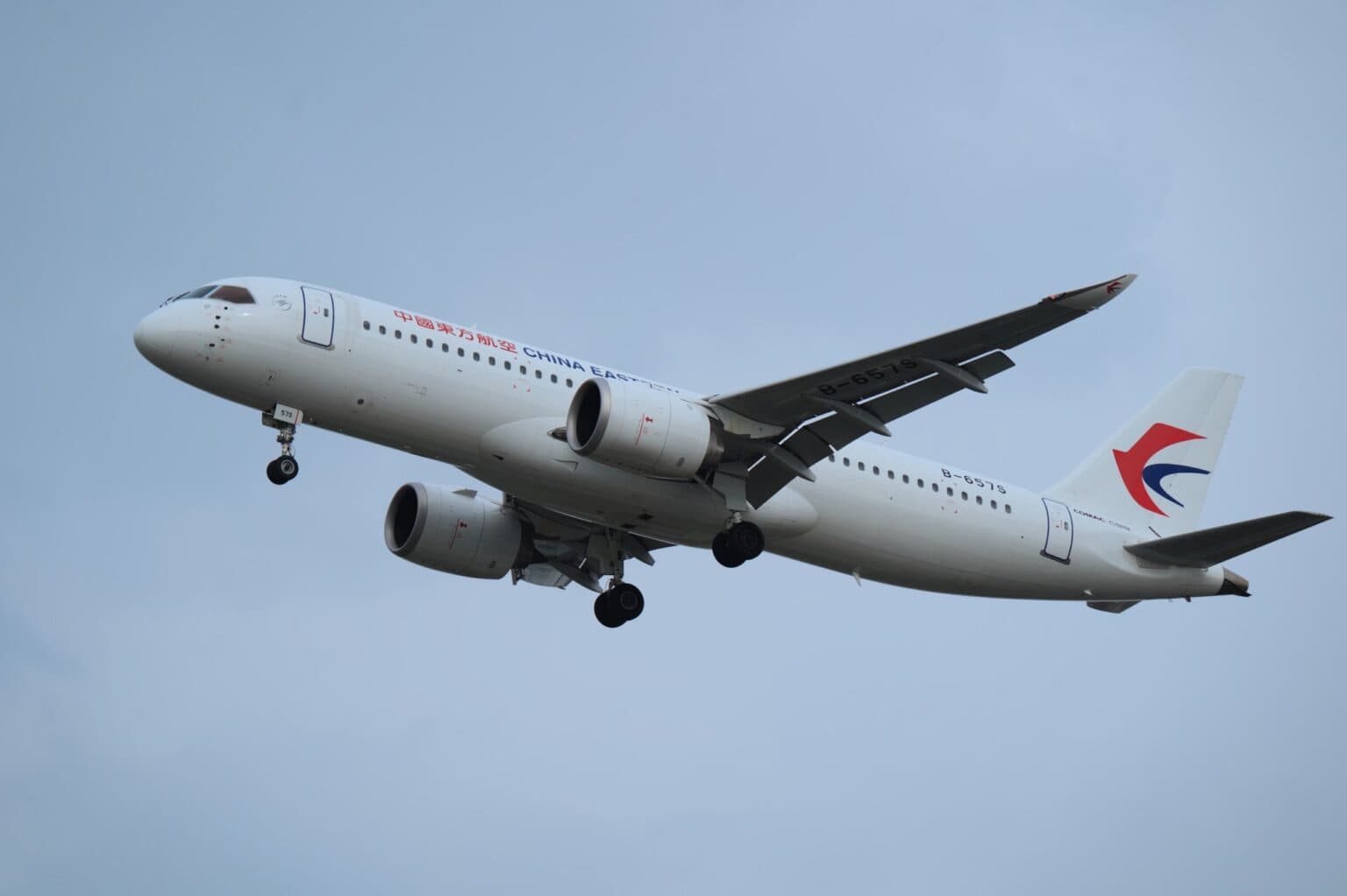
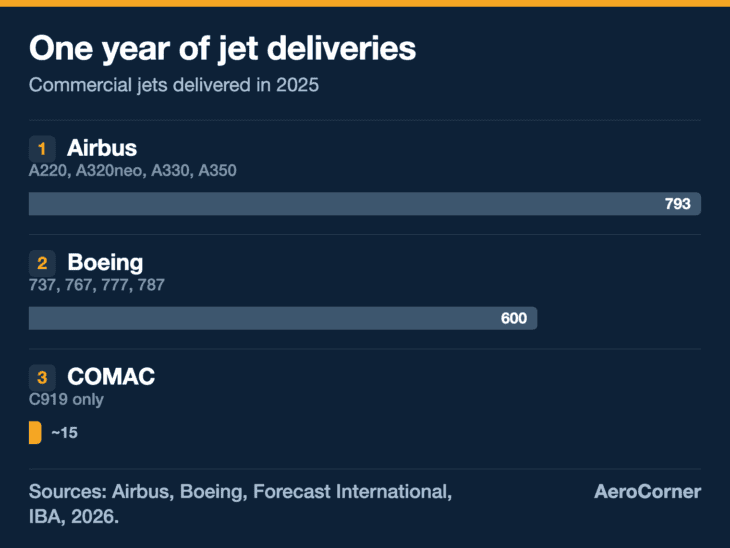
Airbus leads this matchup on almost every measure, Boeing is a clear second, and COMAC is not yet a rival in numbers. In 2025, Airbus delivered 793 jets and Boeing 600, while COMAC delivered about 15 of its C919 narrowbodies, roughly 1% of the large jets the three handed over.
COMAC’s real edge is elsewhere: a protected home market, state money and a family of jets that is growing every year. This page puts the three side by side as of November 2026, using the companies’ own results and delivery data, and pairs with our two-way Boeing vs Airbus breakdown.
| Measure | COMAC | Boeing | Airbus | Edge |
|---|---|---|---|---|
| Jets delivered, 2025 | About 15 C919s (plus C909 regional jets) | 600 | 793 | Airbus |
| Deliveries in 2026 so far | 11 C919s (Jan to Sep) | 524 (Jan to Oct) | 621 (Jan to Oct) | Airbus |
| Order backlog | Over 1,000 C909/C919 orders (COMAC claim) | More than 6,300 (Sep 30, 2026) | 9,310 (Sep 30, 2026) | Airbus |
| Narrowbody production goal | 150 jets a year by 2028 | 737: toward 47 a month | A320: 70 to 75 a month by end-2027 | Airbus |
| Airliner families in production | 2 (C909, C919) | 4 (737, 767, 777, 787) | 4 (A220, A320, A330, A350) | Boeing and Airbus |
| Widebody in service | None (C929 in development) | 777, 787 | A330, A350 | Boeing and Airbus |
| Widebodies delivered, 2025 | 0 | 153 (787, 777, 767) | 93 (A350, A330) | Boeing |
| C919 / 737 / A320 type certificates | China (CAAC) only; EASA estimate 2028 to 2031 | FAA, EASA and worldwide | EASA, FAA and worldwide | Boeing and Airbus |
| Narrowbody engines | CFM LEAP-1C (US-French) | CFM LEAP-1B | CFM LEAP-1A or Pratt & Whitney PW1100G | Boeing and Airbus |
| Commercial revenue, Jan to Sep 2026 | Not published | $31.7 billion | €36.7 billion | Airbus |
How we compared
Airbus and Boeing figures come from their own results releases for the first nine months of 2026 and monthly delivery reports through October 2026. COMAC is state-owned and unlisted and publishes no full delivery or revenue statement, so its C919 numbers come from delivery tracking reported by Air Data News, Planespotters and IBA, and its order and capacity figures are COMAC’s own claims as reported by IBA. The 2025 comparison uses the C919 only, because the C909 is a 78 to 90 seat regional jet that competes with Embraer, not with the 737 or A320. Computed figures: COMAC’s share is 15 out of 1,408 jets (793 + 600 + 15), or 1.1%. Backlog years are each backlog divided by its 2025 deliveries. Weekly pace is 793 divided by 52.
Deliveries: the gap in numbers
Deliveries are the measure that matters, because a jet only earns money once an airline takes it. Airbus delivered 793 commercial aircraft in 2025, including 607 from the A320neo family, and Boeing delivered 600, including 447 737s.
COMAC delivered about 15 C919s in 2025. Air Data News counted 11 more from January to September 2026: five to China Southern and three each to China Eastern and Air China.
Those three airlines had planned on 33 C919s for 2026, so through September the program had delivered about a third of what its own customers expected. The latest delivery in that count, to China Southern, came on Sept. 25.
The 2026 pace widens the gap. Airbus is averaging about 62 deliveries a month through October and Boeing about 52, while the C919 line is averaging about 1.2 a month.
One week of Airbus = one year of C919s
Airbus handed over 793 jets in 2025, about 15 a week. That is as many as COMAC delivered C919s in the whole year.
Edge: Airbus. It out-delivered Boeing by 193 jets in 2025 and is ahead again in 2026, and both are delivering 40 to 50 times faster than the C919 line in 2026.
Orders and backlog
Airbus reported a backlog of 9,310 commercial aircraft on Sept. 30, 2026, after 1,105 net orders in the first nine months. At its 2025 delivery pace, that is about 11.7 years of work.
Boeing reported more than 6,300 airplanes in its commercial backlog on the same date, valued at $612 billion. At its 2025 pace, that is about 10.5 years of work.
COMAC claims more than 1,000 orders for the C909 and C919 combined, and more than 1,500 counting letters of intent, according to IBA. Most are from Chinese airlines and lessors, and IBA counted only about 220 of the two types delivered by the end of March 2026.
Edge: Airbus. Its backlog is the largest of the three by roughly 3,000 aircraft, and COMAC’s order book has not been audited the way a listed company’s is.
Production rates and the ramp-up
Airbus plans to build 70 to 75 A320-family jets a month by the end of 2027, stabilizing at 75. It is also aiming for 12 A350s a month and 13 A220s a month in 2028.
Boeing says the 737 is progressing toward a stabilized rate of 47 a month, with the 787 steady at 8 a month.
COMAC is building a second final-assembly line and, per IBA, targets 150 aircraft a year by 2028 and 200 by 2029. Even 150 a year would be about what Airbus’s A320 line builds in two months at rate 75.
Edge: Airbus. It has the highest narrowbody rate and the clearest plan to raise it.
The jets each one sells
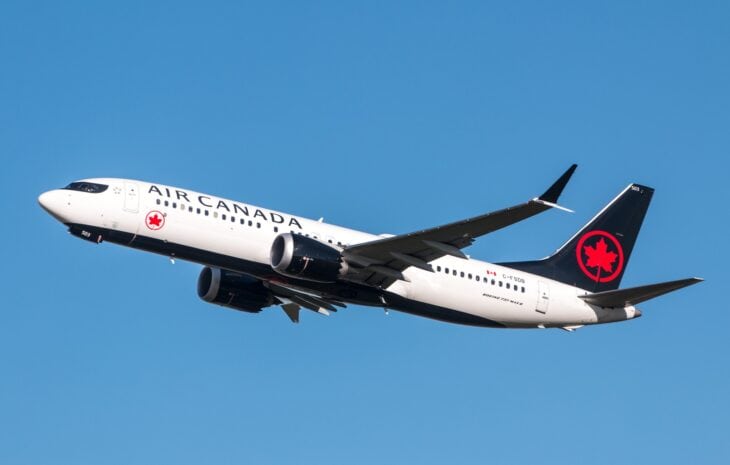
Boeing builds four airliner families: the 737 MAX, the 767 (freighter and tanker), the 777 and the 787 Dreamliner. The new 777-9 is still in certification flight testing, with first delivery on track for 2027.
Airbus also builds four: the A220, the A320neo family, the A330neo and the A350. In 2026 so far, the A321neo alone accounts for 306 of its 621 deliveries.
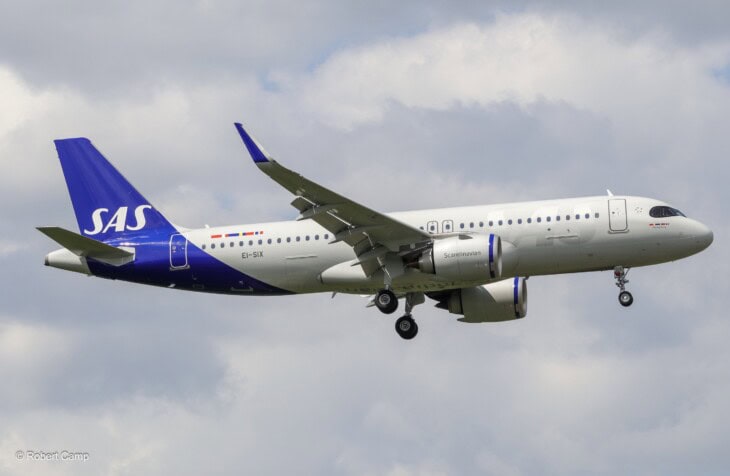
COMAC builds two. The C909 (formerly ARJ21) is a 78 to 90 seat regional jet, renamed in November 2024, and the C919 seats 158 to 168 with a range of 2,200 nautical miles (4,075 km).
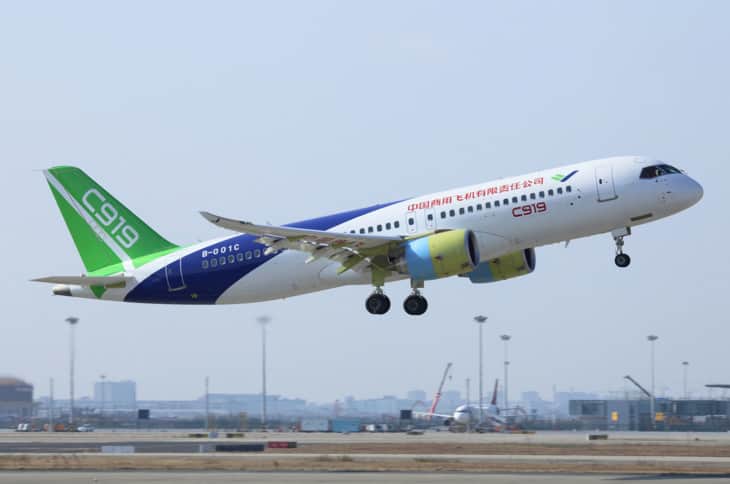

More are coming. A shorter C919-600 for high-altitude airports first flew on July 29, 2026, a stretched C919-800 is planned, and the C929 widebody (280 to 440 seats, about 7,500 miles or 12,000 km of range) is due to have its first fuselage in September 2027.
COMAC is also testing a 19-seat battery-electric airliner, the CE-25A, which made its first crewed flight on Nov. 14, 2026. It is a test aircraft with no certificate, orders or service date, so it does not yet change the matchup.
Edge: Boeing and Airbus. Both sell a full range from narrowbody to large widebody, while COMAC has no widebody in service.
Widebodies: Boeing’s one clear win
Big twin-aisle jets are where Boeing still leads. In 2025 it delivered 153 widebodies: 88 787s, 35 777s and 30 767s.
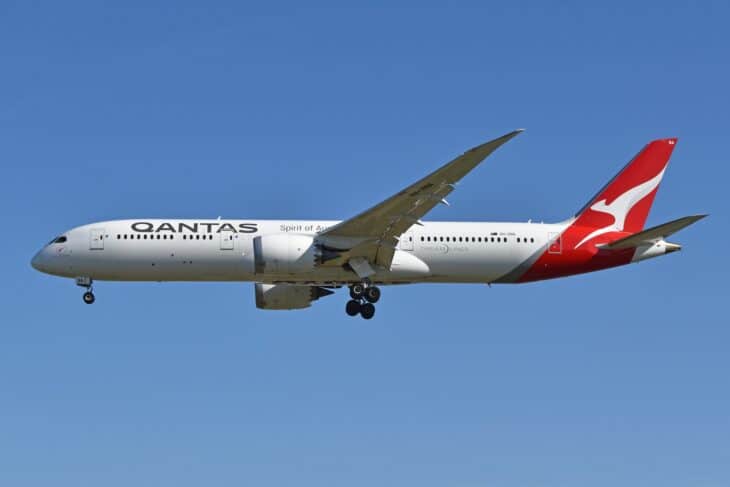

Airbus delivered 93: 57 A350s and 36 A330s. Its lead over Boeing comes entirely from single-aisle jets, where the A320neo family alone delivered 607 aircraft against 447 Boeing 737s.
COMAC delivered no widebodies and has none in service. Airbus is pushing back with 44 A350s delivered through October 2026 and a goal of 12 a month in 2028, while Boeing adds the 777-9 from 2027.
Edge: Boeing. It delivered 60 more widebodies than Airbus in 2025, and COMAC has none.
Certification: who can sell where
Every airliner Boeing and Airbus delivers today holds FAA and EASA approval, which opens almost every market on earth. The C919 has only a Chinese type certificate, issued by the CAAC on Sept. 29, 2022.
EASA test pilots have flown the C919 in Shanghai as part of European validation, but EASA’s executive director has put approval three to six years out. IBA places it in the 2028 to 2031 window.
That limits where COMAC can sell. The C909 has reached Indonesia’s TransNusa, Lao Airlines and VietJet, and Air China began the first scheduled international C919 route, Beijing to Ulaanbaatar, in August 2026.
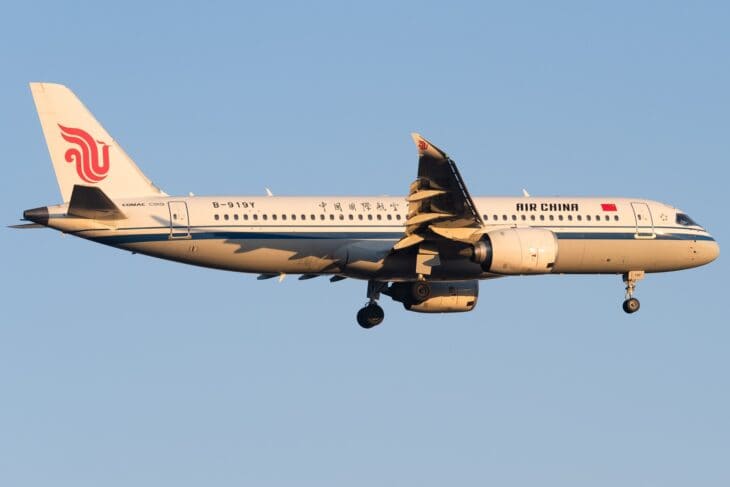

Edge: Boeing and Airbus. Without EASA or FAA approval, the C919 cannot win the airlines that make up most of the world market.
Engines and the supply chain
All three lean on the same engine maker. The C919 flies on the CFM LEAP-1C, from the 50-50 joint venture of GE Aerospace and Safran, and the C909 on GE’s CF34-10A.
That dependence bit in 2025, when the US suspended LEAP-1C exports to China between May and July, holding back C919 deliveries. China’s own CJ-1000A engine is not expected to be certified before 2027 or 2028, according to IBA.
Myth: the C919 is an all-Chinese jet
The airframe is built in China by AVIC, but the C919’s engines come from CFM International, a GE Aerospace and Safran joint venture. Honeywell supplies the APU and inertial reference system, Liebherr the landing gear, and Collins Aerospace, Thales, Moog and Parker work through joint ventures on avionics, cabin systems, high-lift and fuel systems. When the US paused LEAP-1C exports in 2025, C919 deliveries slowed.
Edge: Boeing and Airbus. Their engine suppliers sit inside their own trading blocs, while COMAC’s ramp-up can be stalled by a US export decision.
Money
Airbus’s commercial aircraft business earned €36.7 billion in revenue in the first nine months of 2026, up 8%. Airbus has kept its full-year guidance of about 870 deliveries and about €7.5 billion in adjusted EBIT.
Boeing Commercial Airplanes took in $31.7 billion over the same nine months, but ran an operating margin of minus 6.5% in the third quarter. The commercial unit is still losing money as it rebuilds production.
COMAC publishes no revenue or profit figures. It runs on state backing, including a 44 billion yuan capital injection tied to its new assembly line, according to IBA.
Edge: Airbus. It is the only one of the three with rising commercial revenue and a published group profit.
So who actually wins?
Airbus wins today, on deliveries, backlog, production plans and profit. Boeing is second overall but leads in widebodies, with 153 delivered in 2025 to Airbus’s 93 and a backlog worth $612 billion, though it is still climbing back to full 737 rate.
COMAC wins only on the measure the others cannot touch: a home market its government can steer. Its C919 fleet has carried more than 8.4 million passengers since May 2023, and every Chinese airline order it takes is one Boeing or Airbus does not.
For COMAC to become a real third player, three things have to happen: EASA approval, a secure engine supply, and a production rate in the hundreds. On current timelines, none of them lands before 2028.
FAQ
Sources and references used for research and fact-checking.
- Airbus, Airbus reports Nine-Month (9m) 2026 results
- Boeing, Boeing Reports Third Quarter Results
- Forecast International, Airbus and Boeing Report December 2025 Commercial Aircraft Orders and Deliveries
- Air Data News, Airbus delivers 74 aircraft in October, needs 249 more to meet 2026 target
- AeroTime, Boeing slide in 737 MAX deliveries hampers recent progress
- Air Data News, COMAC C919 reaches 8.4 million passengers but deliveries remain slow in 2026
- IBA, Can COMAC convert orders into aircraft?
- Wikipedia, Comac C919
- Wikipedia, Comac C909
- Leeham News, Boosting C919 production rates remains Comac's real test
Get the Newsletter
The latest aviation news and stories sent to your inbox.
About the Author

Tim is the owner and lead editor of AeroCorner since 2019, overseeing aviation content covering aircraft, airlines, airports, and the broader aviation industry. Through years of researching, writing, editing, and publishing aviation-focused content, he has developed extensive practical knowledge of commercial aviation and air travel. Based in Asia and a frequent traveler himself, Tim also brings firsthand passenger experience to AeroCorner’s coverage. Outside of publishing, he has also explored aviation firsthand through hands-on flight training in New Zealand.