

Table of Contents
Multiple airlines reported their 737s oscillating in pitch. The FAA’s answer targets the generation before the MAX, which is still flying by the thousand.
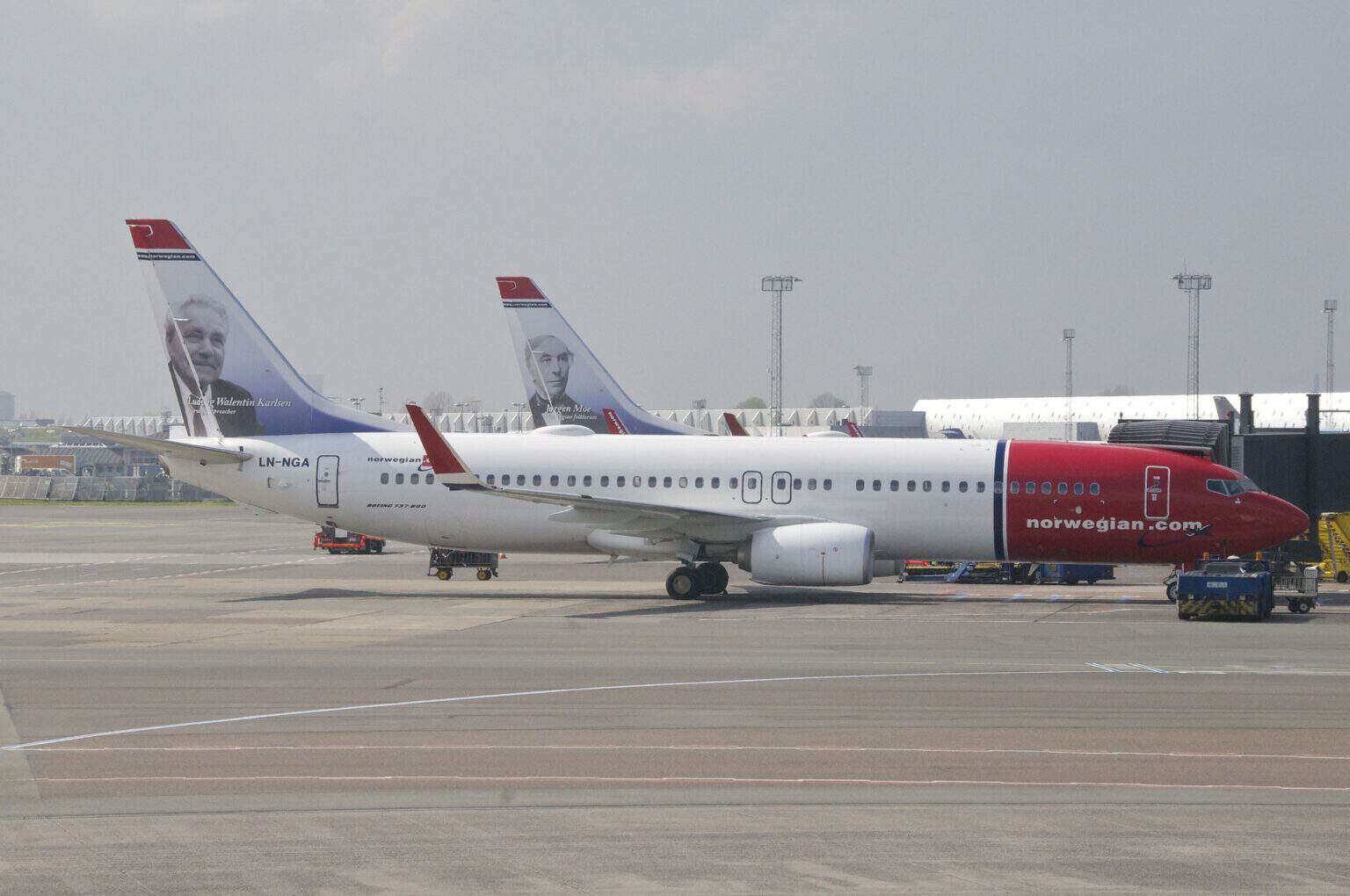
The FAA has ordered airlines to measure the slack in the horizontal stabilizer hinges and jackscrew of 1,987 US-registered Boeing 737NGs. Airworthiness Directive 2026-20-14 was published in the Federal Register on October 19, 2026, and takes effect on November 23.
It covers the 737-600, 737-700, -700C, 737-800, -900 and 737-900ER. Not one 737 MAX is on the list.
The FAA’s reason is short. Multiple operators reported “pitch oscillation events due to excessive horizontal stabilizer freeplay,” and left alone, the condition “could lead to a flutter event, which can result in loss of control of the airplane.”
Why a Little Slack in a 737’s Tail Worries the FAA
On a 737, the horizontal stabilizer is the small wing at the tail, and its pitch is set by a jackscrew. It turns on a left and a right pivot hinge, and those three points are what the directive tells mechanics to measure.
Freeplay is the looseness in those joints. Wear makes it grow, which is why the fix in the directive includes repairing or replacing worn parts.
Flutter is the reason anyone cares about a little slack. It is an uncontained vibration in which aerodynamic forces and the structure’s own flexing feed each other, and it can destroy an aircraft.

Designers prevent it with stiffness, mass and shape, then prove the design with ground vibration tests and flight flutter trials. The FAA’s directive draws the chain directly: worn joints, excess freeplay, pitch oscillation, a possible flutter event and possible loss of control.
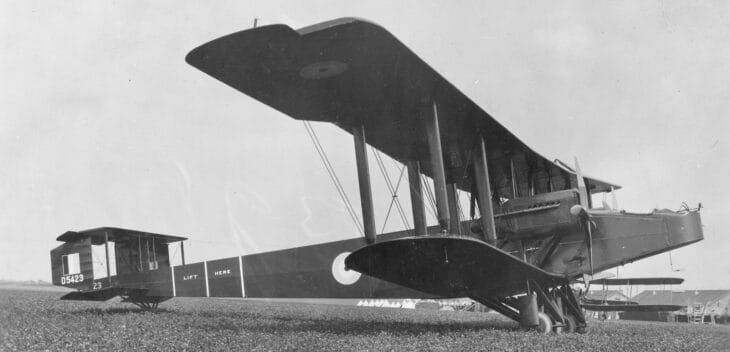
The first documented case of flutter was a Handley Page O/400 bomber in 1916, which suffered a violent tail oscillation that badly distorted its rear fuselage.
What the directive does not say matters too. It gives no count of the oscillation events, no airline names and no dates, and it says nothing about damage to any airplane.
Six Hours, $510 and a Paper Trail Back to 2022
The FAA estimates each measurement at 6 work-hours at $85 an hour, or $510 per airplane. Across the 1,987 US jets, that is $1,013,370 for one round of checks.
Repairs are the unknown. The agency said it “has received no definitive data” on which to base a cost for worn parts, and it has no way to predict how many airplanes will need them.
The paper trail starts well before Boeing’s bulletin. United Airlines told the FAA that a Boeing multi-operator message dated May 27, 2022, already contained the same freeplay inspection steps.
Boeing then issued Alert Requirements Bulletin 737-55A1104 RB on June 12, 2025. The FAA proposed the rule on January 9, 2026, signed the final version on October 9 and published it 10 days later.
The airlines asked for more time. The FAA said no.
Canadian North wanted the first check pushed from 12 months to 36 months, to match the repeat interval. United wanted longer intervals for jets with new hinge bearings. The FAA refused both and adopted the rule as proposed, apart from minor editorial changes.
Alaska Airlines raised a practical point. Under the bulletin, some measurements trigger an interim check within 3,100 flight hours or 6 months, and Alaska asked to repair straight away instead.
The FAA’s reply was that nothing stops an airline from doing the interim check early and repairing in the same visit. After any repair, the jet cannot return to service until a fresh check shows its hinge and jackscrew freeplay within Boeing’s Level 1 limits.
The Jackscrew Lesson the FAA Already Learned Once
Measuring a stabilizer jackscrew on schedule is not a new idea. When an airline stretched that schedule once before, it ended in the Pacific.
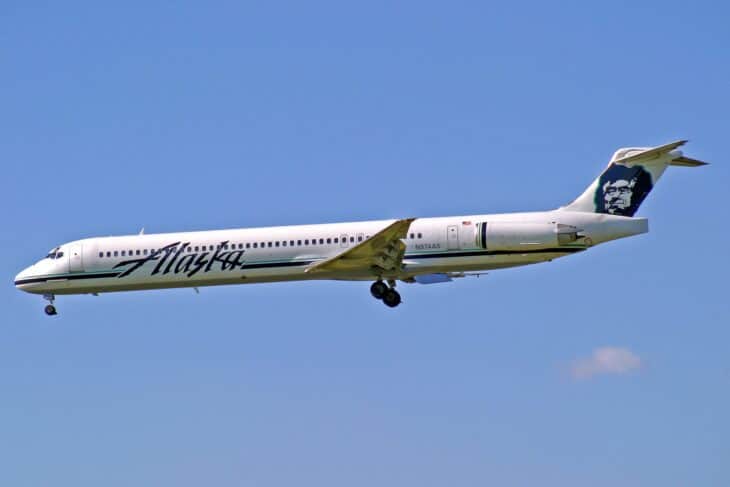
On January 31, 2000, Alaska Airlines Flight 261, a McDonnell Douglas MD-83, crashed off Anacapa Island, California, killing all 88 people on board. The NTSB’s probable cause was the in-flight failure of the horizontal stabilizer trim jackscrew’s Acme nut threads.
That wear was supposed to be caught by an “end-play check,” a periodic measurement of the slack in the jackscrew. Alaska had stretched the interval between checks with FAA approval, and the NTSB found that this let the threads wear to failure “without the opportunity for detection.”
It was a different airplane and a different failure. The 737NG directive is about flutter, not stripped threads, and nothing in it suggests a jackscrew is close to letting go.
The principle is the same, though. Wear inside a tail joint is only found by measuring it, and this time the FAA refused every request to measure it less often.
Why the 737 MAX Isn’t on This List
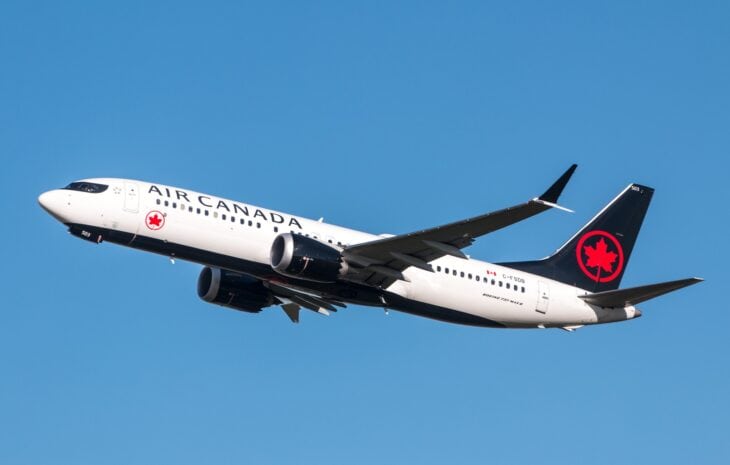
The 737 headline most readers remember belongs to the MAX. The FAA grounded it from March 13, 2019, to November 18, 2020, after two crashes killed 346 people.
Both crashes involved the same part of the airplane in a different way. Investigators found the jackscrew that sets the stabilizer’s pitch on Ethiopian Airlines Flight 302 in the full nose-down position, as on Lion Air Flight 610, and the MAX’s MCAS software could command repeated nose-down trim from one faulty angle-of-attack sensor. This directive involves no software, no sensor and no MAX: it is about worn metal on older jets.
Those jets are old by any measure. Boeing delivered 7,124 737NGs of all kinds as of September 2026, and the last commercial ones went to China Eastern on January 5, 2020, so the youngest airliner in the family is nearly seven years old.
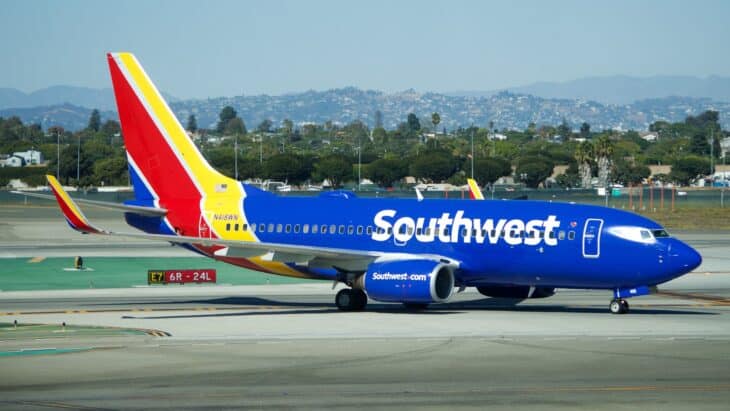
They are still everywhere. Southwest alone flew 271 737-700s, averaging 20 years old, and 189 737-800s on September 30, 2026, according to its quarterly SEC filing.
What Happens to the 737NG Fleet After Nov. 23
Nothing is grounded. From November 23, US operators must follow the compliance times in Boeing’s bulletin, with every deadline that the bulletin counts from its own June 2025 issue date counted from the directive’s effective date instead.
Each jet gets its freeplay measured at the two hinges and the jackscrew. Depending on the readings, the follow-up is a total freeplay calculation, a repeat measurement, or the repair or replacement of worn parts.
The Air Line Pilots Association, Boeing and two individuals were among the commenters who backed the rule without change. The airlines that commented asked for longer deadlines or more flexibility, and none of them disputed the risk.
For a passenger, the change is invisible. A tail that once oscillated in flight gets six hours of measuring on the ground, which is exactly what the directive is designed to do.
Sources and references used for research and fact-checking.
- Federal Register / FAA, Airworthiness Directives; The Boeing Company Airplanes (AD 2026-20-14, Docket FAA-2025-5403)
- U.S. Securities and Exchange Commission, Southwest Airlines Form 10-Q for the quarter ended September 30, 2026
- Wikipedia, Boeing 737 Next Generation
- Wikipedia, Boeing 737 MAX groundings
- Wikipedia, Alaska Airlines Flight 261
- Wikipedia, Aeroelasticity
Get the Newsletter
The latest aviation news and stories sent to your inbox.
About the Author

Tim is the owner and lead editor of AeroCorner since 2019, overseeing aviation content covering aircraft, airlines, airports, and the broader aviation industry. Through years of researching, writing, editing, and publishing aviation-focused content, he has developed extensive practical knowledge of commercial aviation and air travel. Based in Asia and a frequent traveler himself, Tim also brings firsthand passenger experience to AeroCorner’s coverage. Outside of publishing, he has also explored aviation firsthand through hands-on flight training in New Zealand.