Military Helicopters
Sikorsky HH-3F Pelican
ICAO: HH3F
The naval helicopter that mastered the oceans

The latest aviation news and stories sent to your inbox.
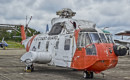
The Sikorsky SH-3 Sea King became one of the most important naval helicopters of the Cold War. Designed for anti-submarine warfare and maritime search and rescue, it introduced turbine power to carrier-based rotary operations and served with navies around the world for decades.
Live Fleet Activity (S61)
Fetching live data…

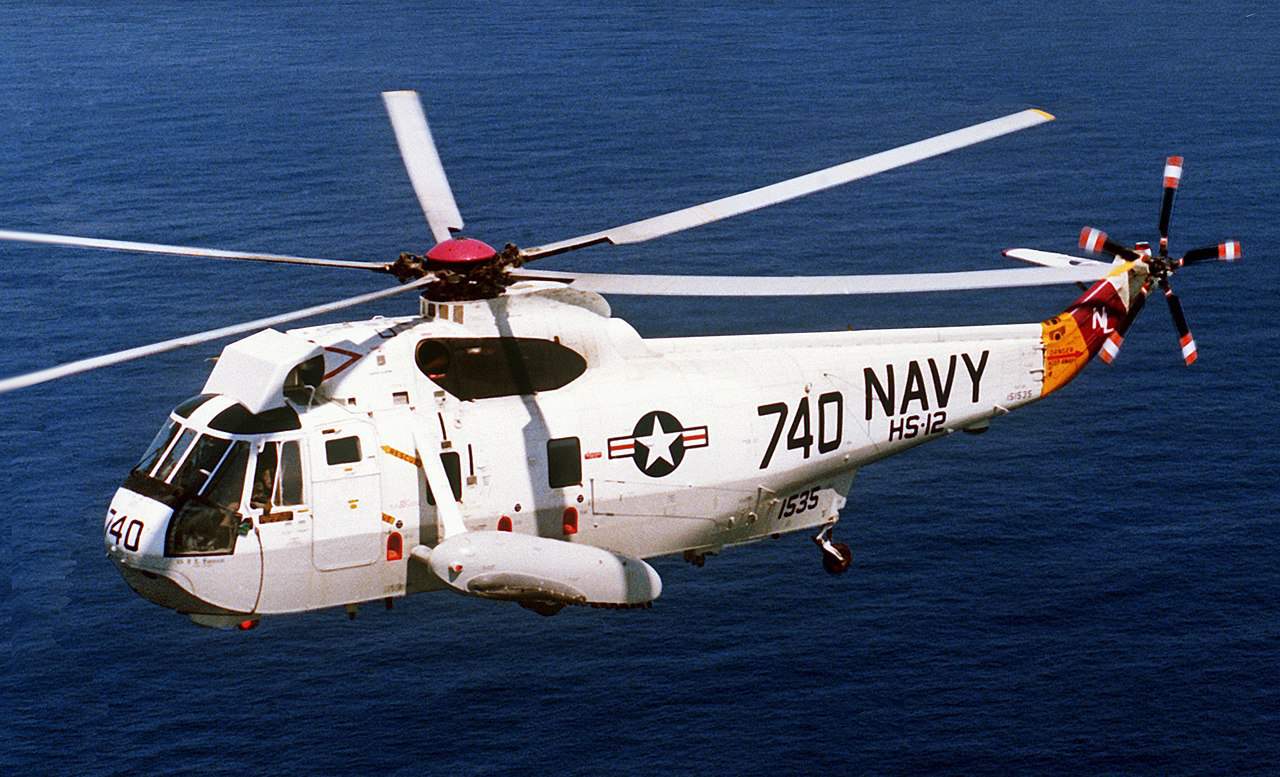
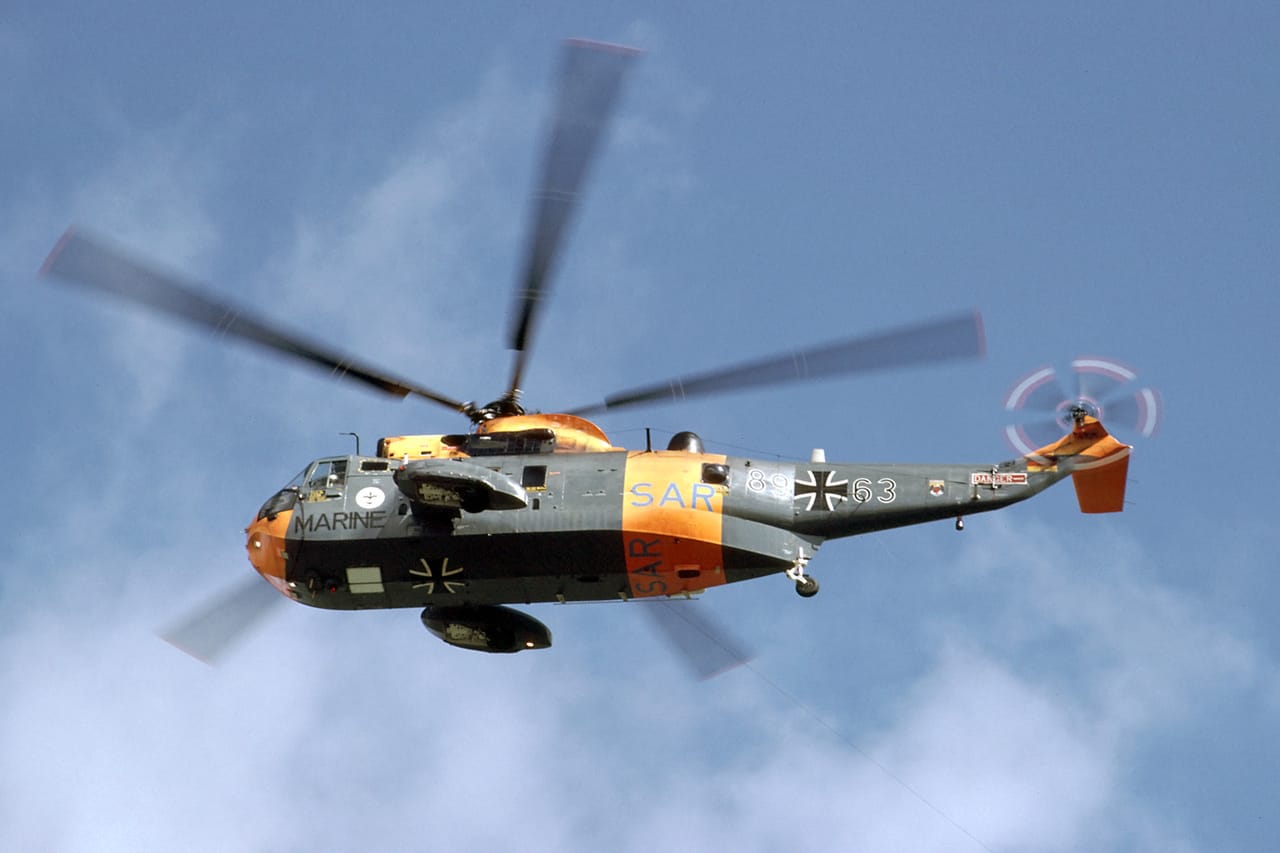


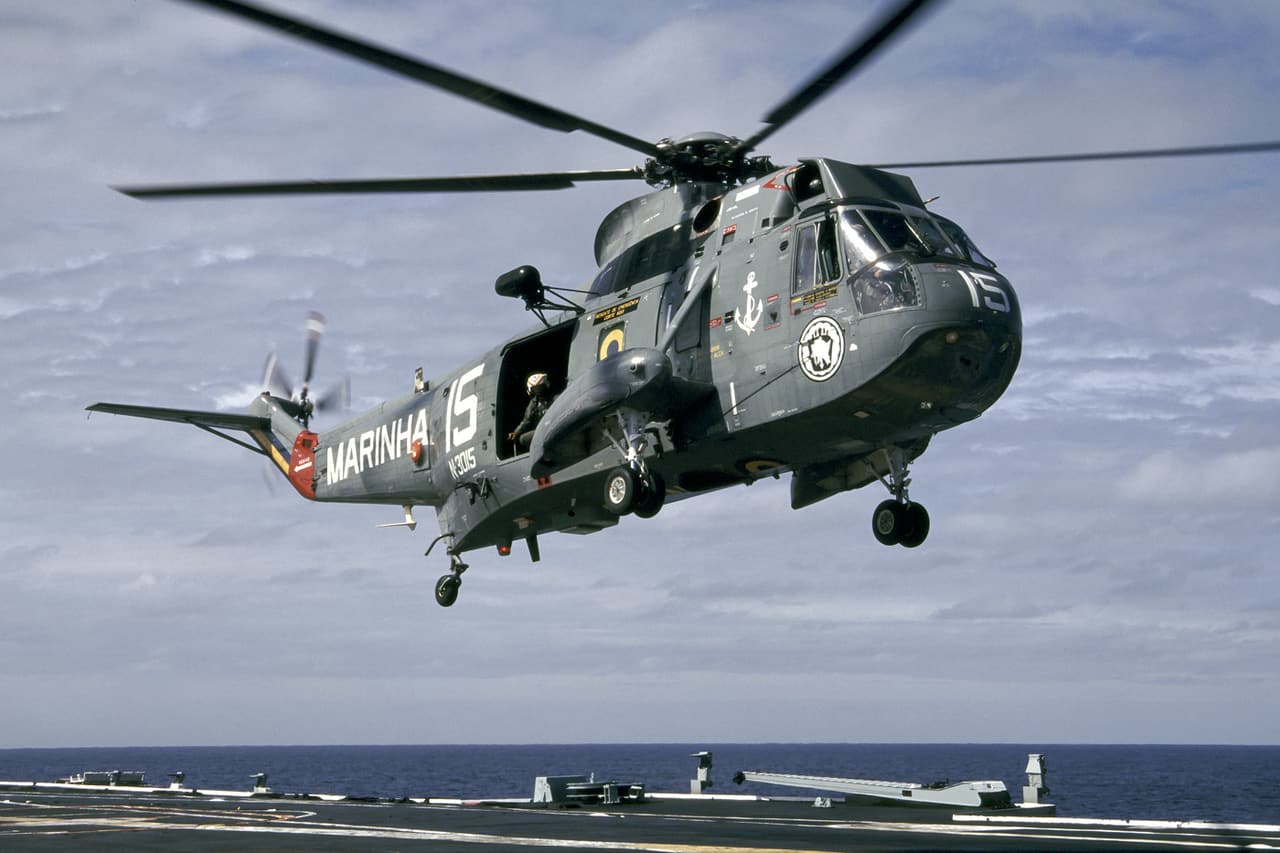


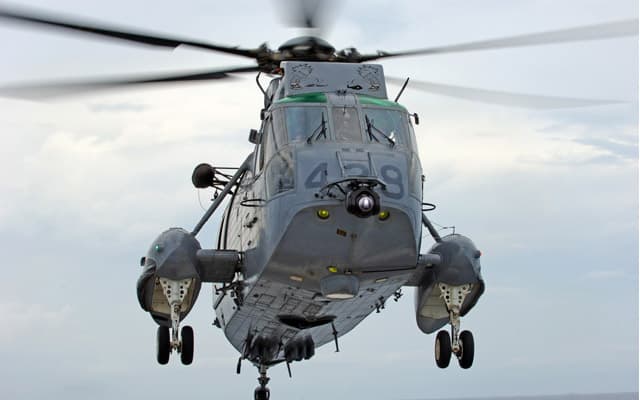
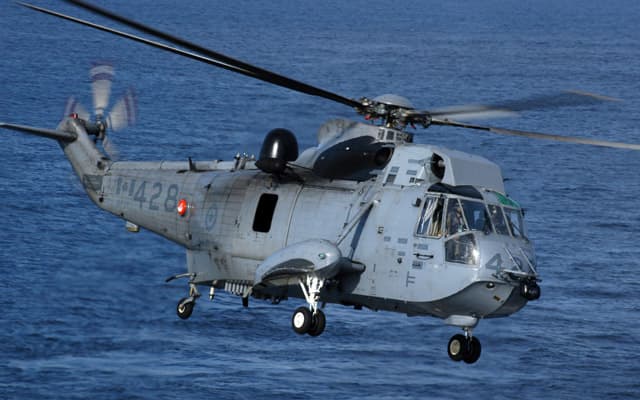

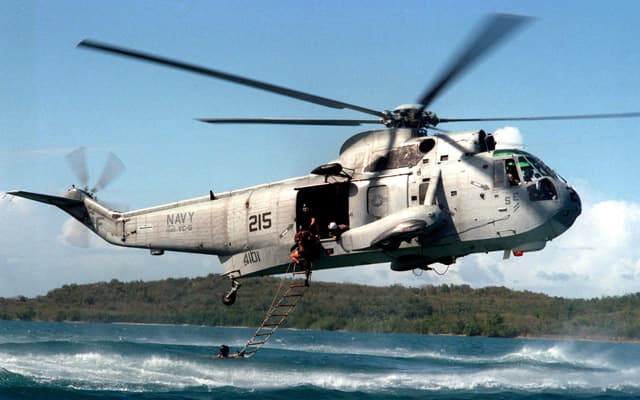
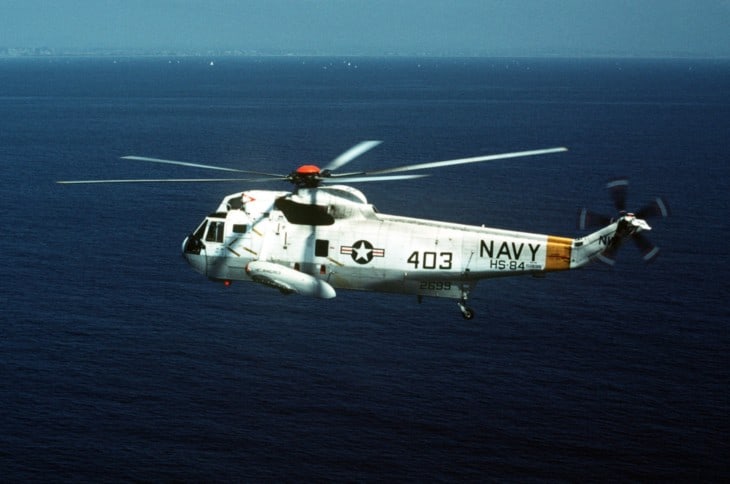
The Sikorsky SH-3 Sea King first flew in 1959 and entered U.S. Navy service in 1961. It was the first U.S. Navy helicopter designed from the outset as a twin-engine, all-weather anti-submarine warfare platform. Powered by turboshaft engines, it offered greater reliability and performance than earlier piston-powered naval helicopters.
The Sea King featured a boat-shaped hull and retractable landing gear, allowing it to land on water if necessary. Its primary mission was to detect and track submarines using dipping sonar and sonobuoys, while also carrying torpedoes or depth charges. The aircraft’s range and endurance made it well suited for carrier group protection during the Cold War.
Beyond anti-submarine operations, the SH-3 proved highly versatile. It was widely used for search and rescue missions, medical evacuation, and utility transport. Variants served as presidential transport aircraft, known as Marine One when carrying the President of the United States. Numerous international versions were produced under license, including in the United Kingdom, Italy, and Japan.
Over its long service life, the Sea King was continually upgraded with improved avionics and mission systems. Although many have been retired from front-line naval service, some continue to operate in secondary roles and with civilian operators.
The SH-3 Sea King remains a landmark in naval aviation, helping establish the helicopter as a central component of modern maritime warfare and rescue operations.
Sources and references used for research and fact-checking.