Large Helicopters
AgustaWestland AW189
ICAO: A189
The modern Russian medium-lift helicopter built for transport and offshore missions.
The latest aviation news and stories sent to your inbox.
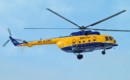
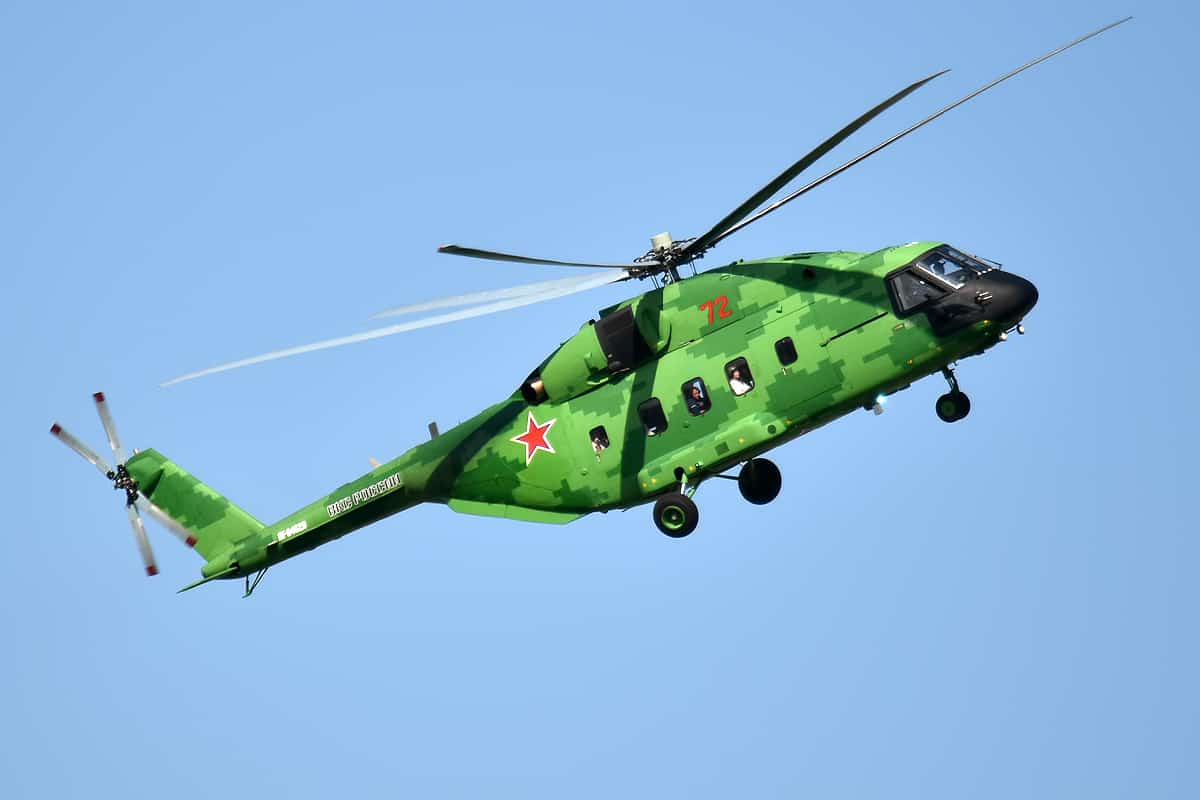
The Mil Mi-38 is a medium-lift helicopter developed as a successor to earlier Mil transport models. Designed for civil and military roles, it incorporates updated engines and avionics. The aircraft entered limited service in the late 2010s.
Live Fleet Activity (MI38)
Fetching live data…


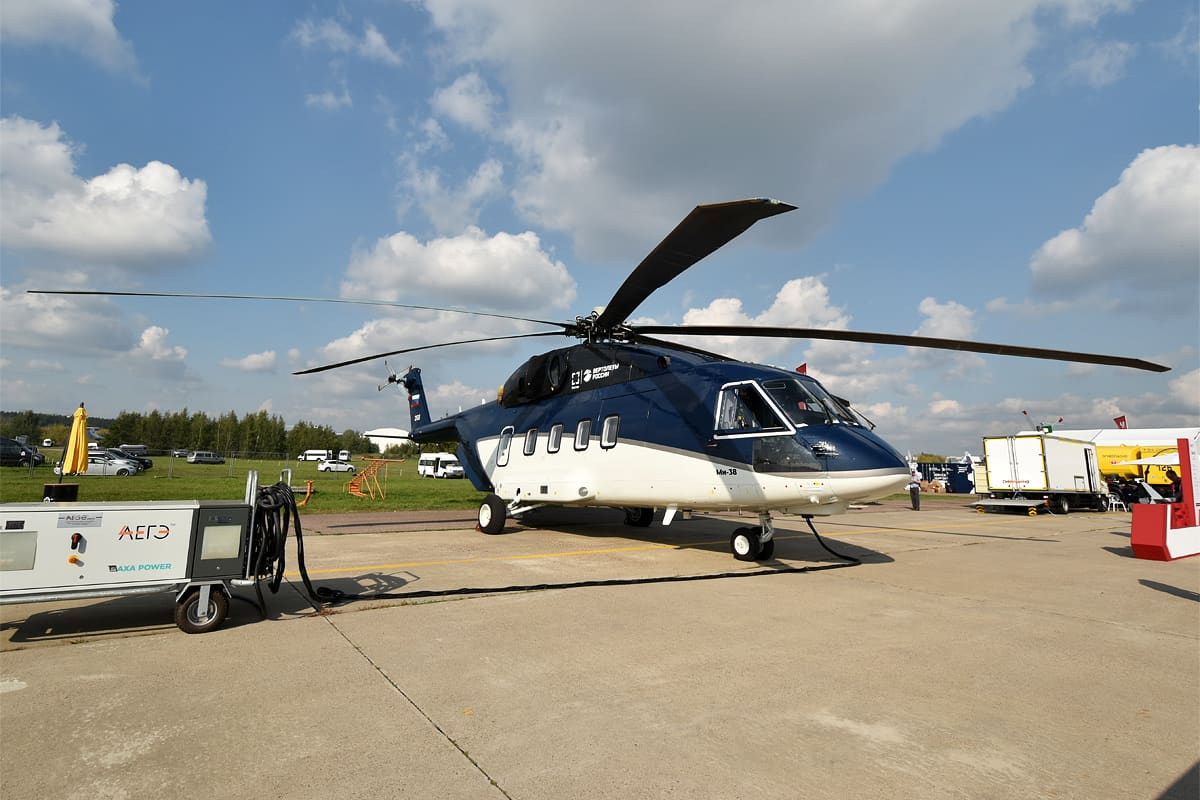

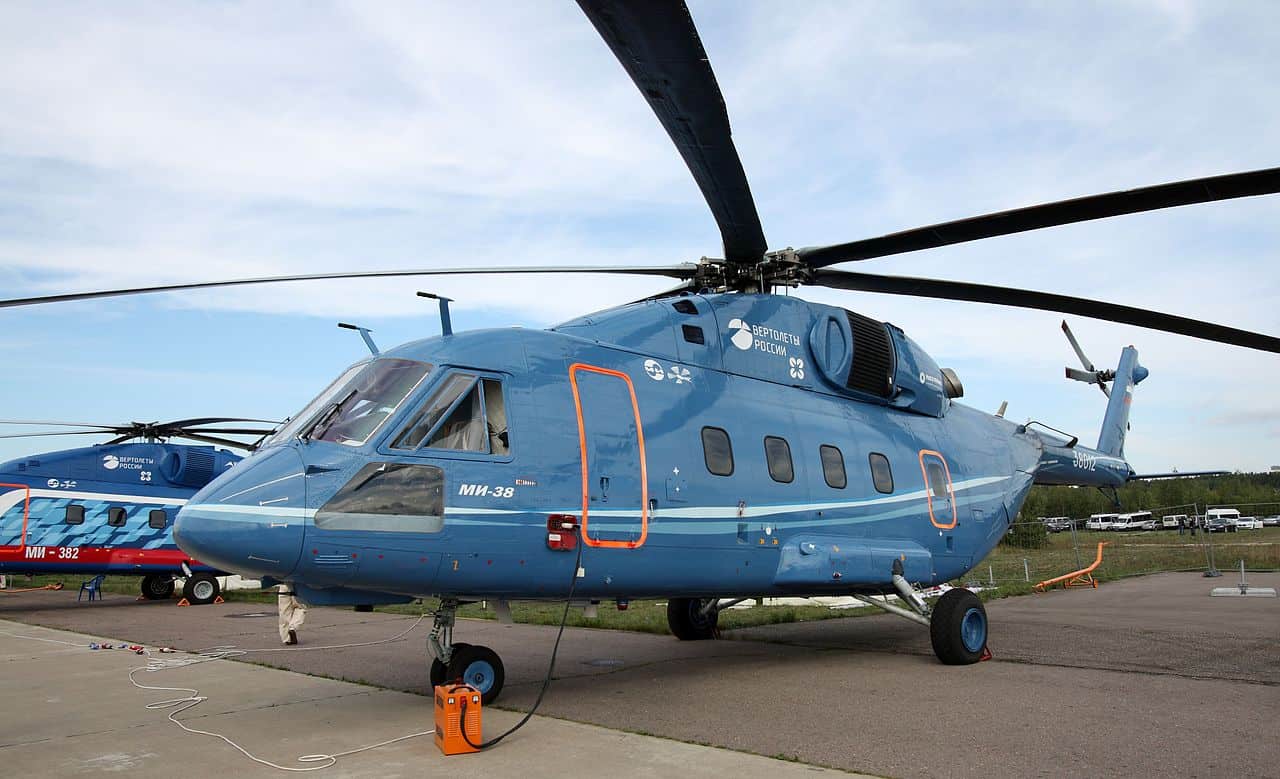

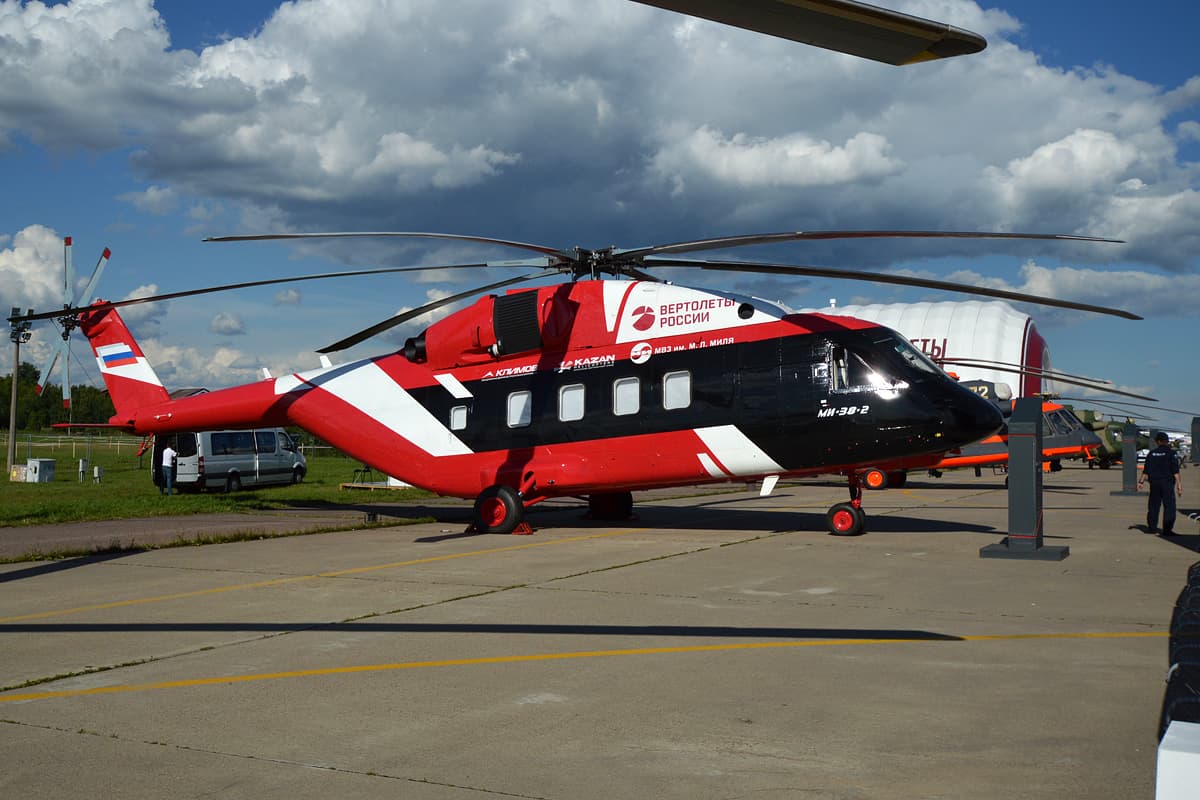
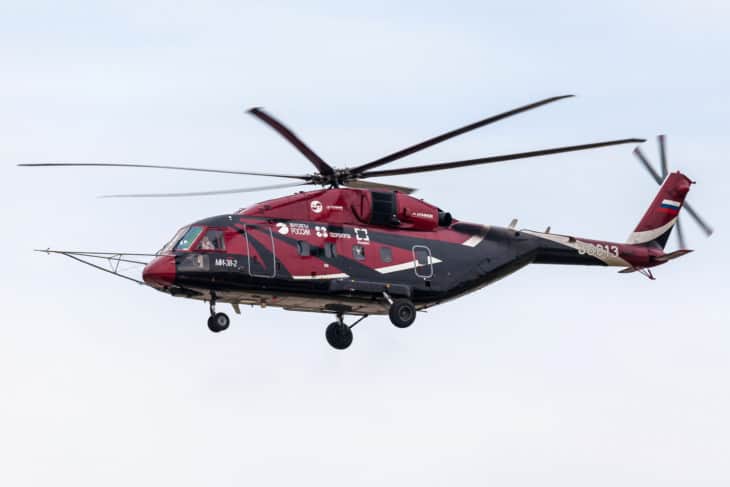
The Mi-38 first flew in 2003, with production aircraft entering service in 2019. It was developed to bridge the gap between lighter utility helicopters and heavy-lift types. The helicopter features a conventional main rotor with a tail rotor configuration and a spacious cabin for passenger or cargo operations.
Powered by two Klimov TV7-117V turboshaft engines producing approximately 2,800 shaft horsepower each, the Mi-38 cruises at around 160 knots (296 km/h). Maximum takeoff weight exceeds 34,000 pounds (15,600 kg). The cabin can accommodate up to 30 passengers or substantial internal cargo loads.
The Mi-38 is intended for transport, offshore support, and search and rescue roles. Production numbers remain limited compared with earlier Mil designs. The aircraft reflects ongoing modernization efforts within Russian rotorcraft development.
Sources and references used for research and fact-checking.