Passenger Turbo Props
Lockheed L-1049 Super Constellation
ICAO: L1049
The turboprop airliner that bridged the gap between piston and jet travel
The latest aviation news and stories sent to your inbox.
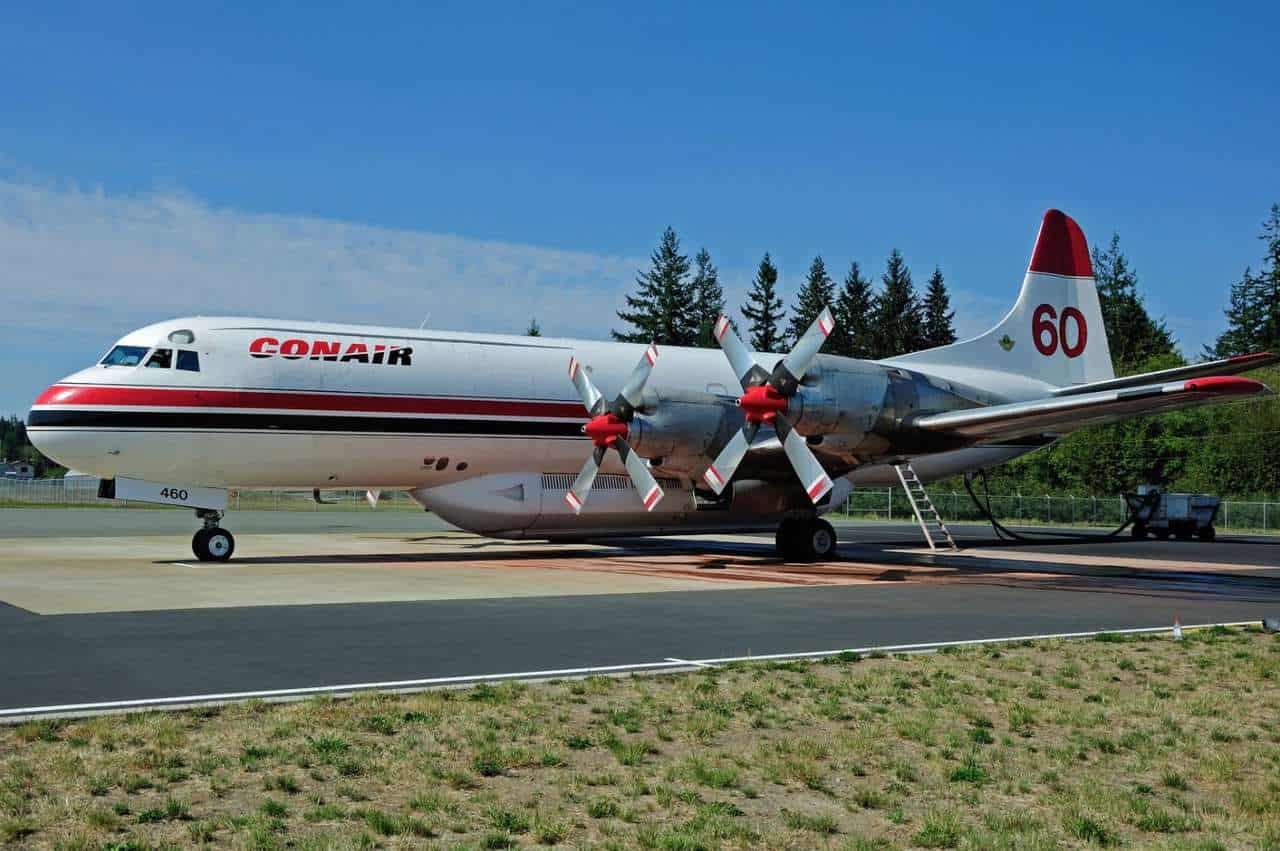
The Lockheed L-188 Electra marked Lockheed’s entry into the modern turboprop airliner market during the late 1950s. Designed to offer higher speed and improved efficiency over piston-engine transports, it became one of the first large U.S. turboprop airliners. Although its early service was troubled, the Electra later found lasting success in both passenger and cargo roles.
Live Fleet Activity (L188)
Fetching live data…

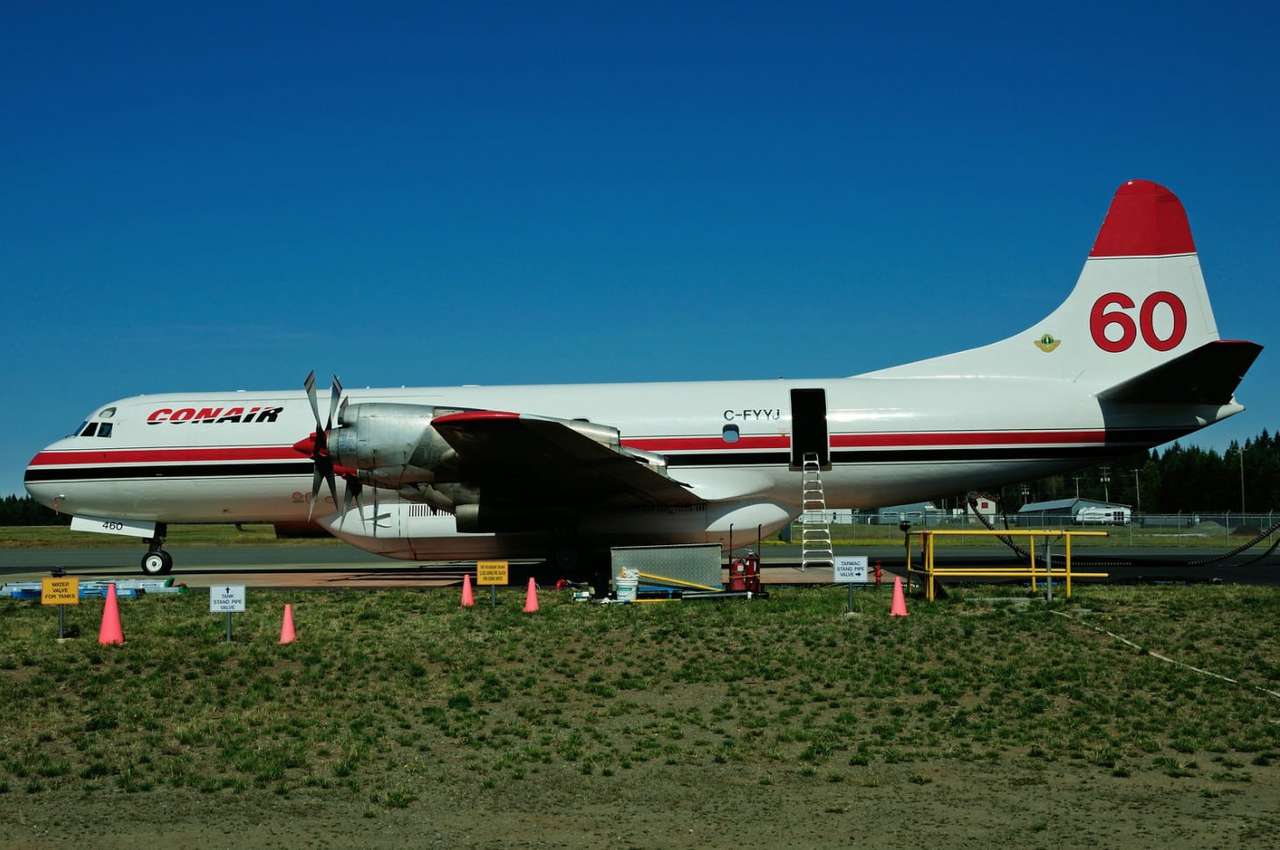
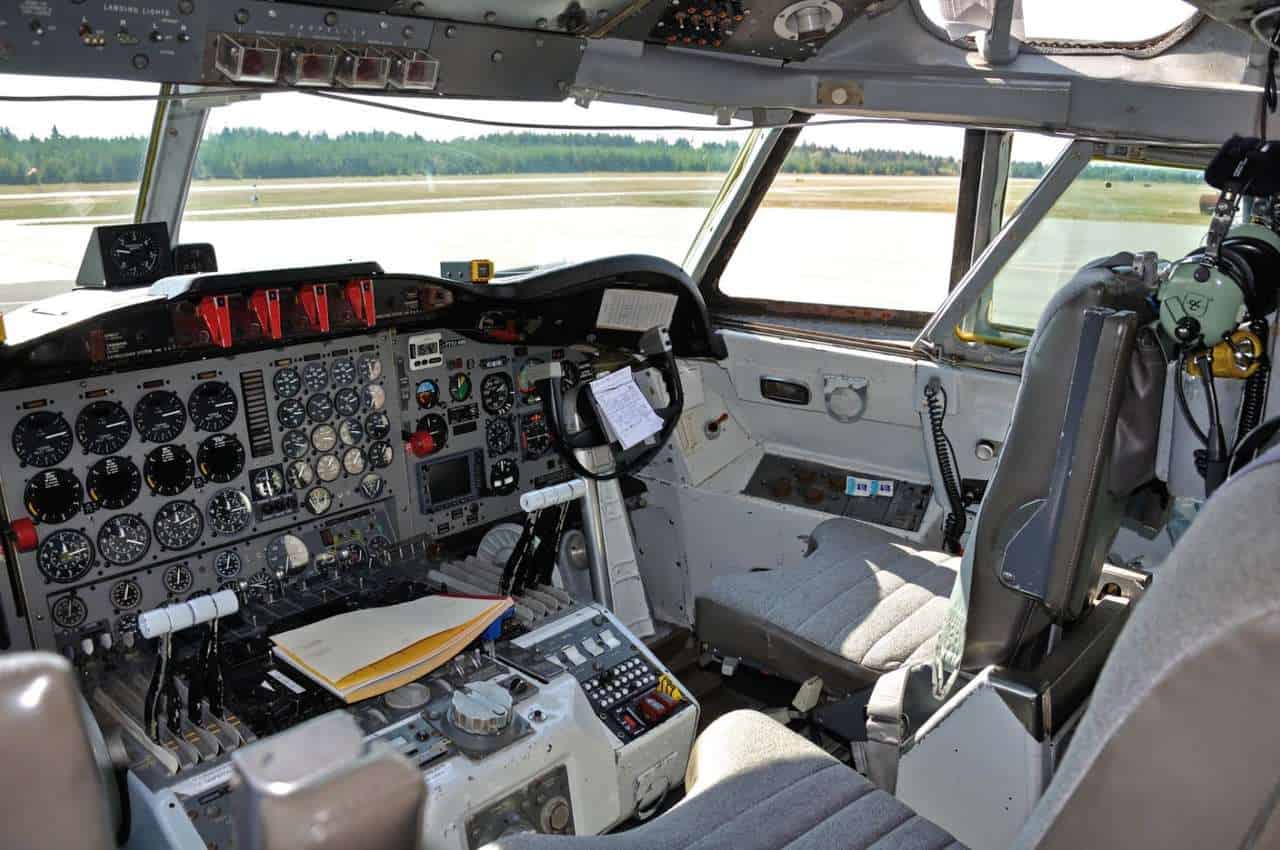
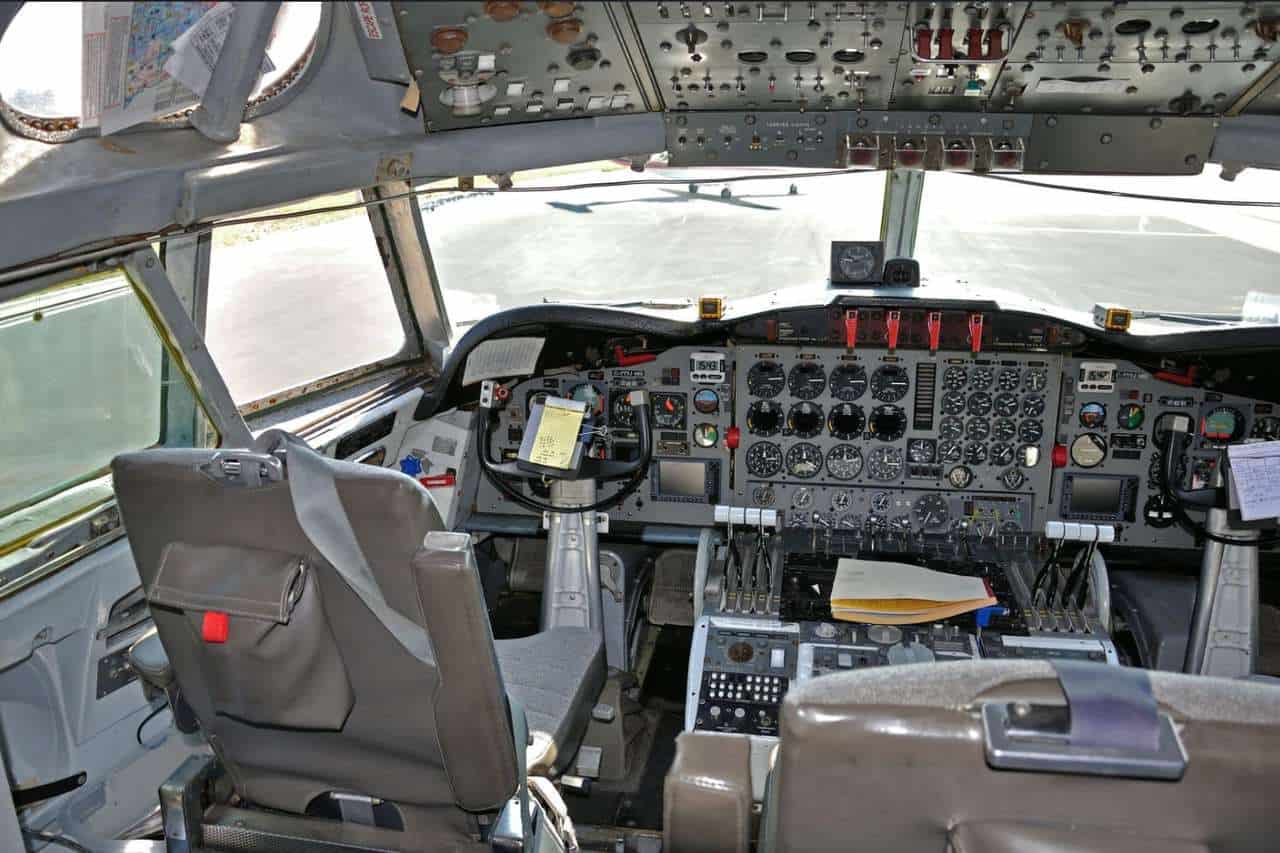

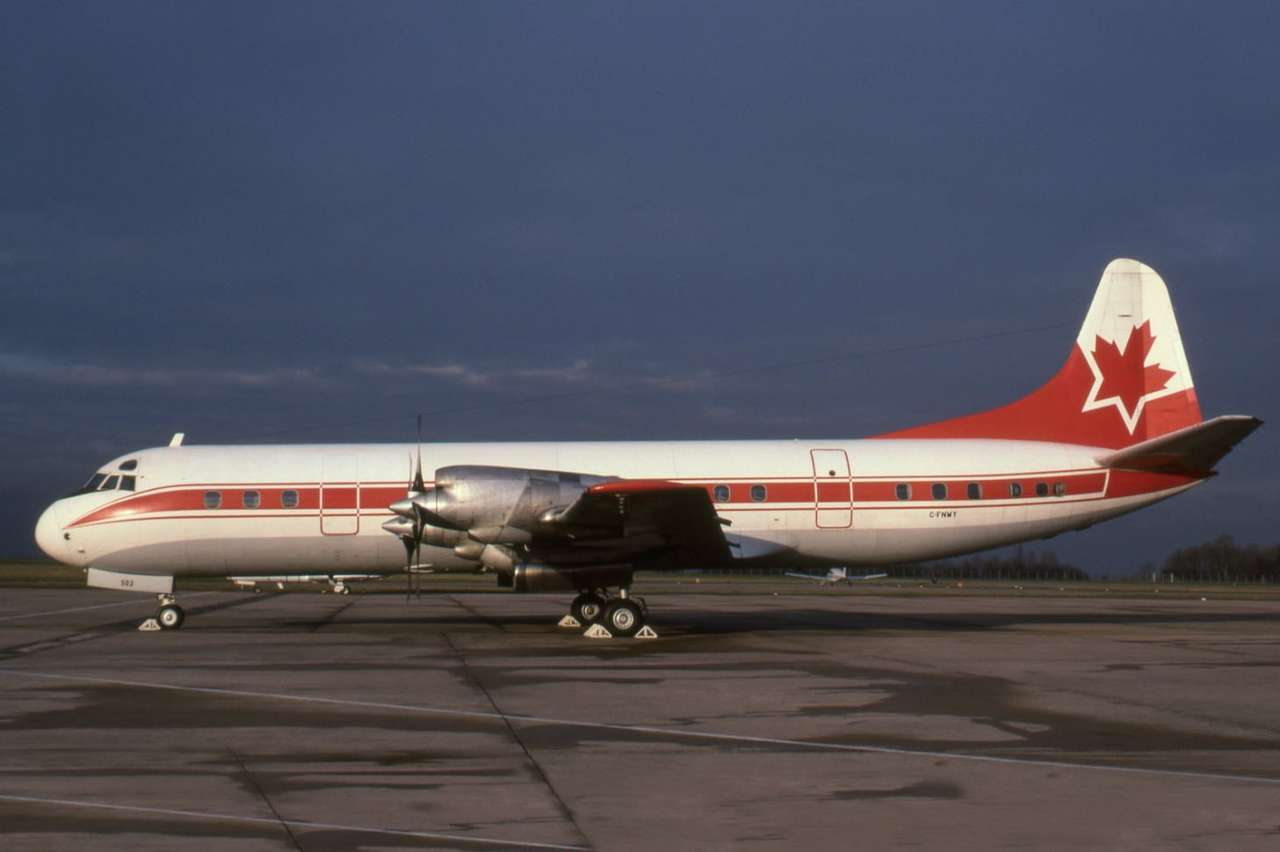

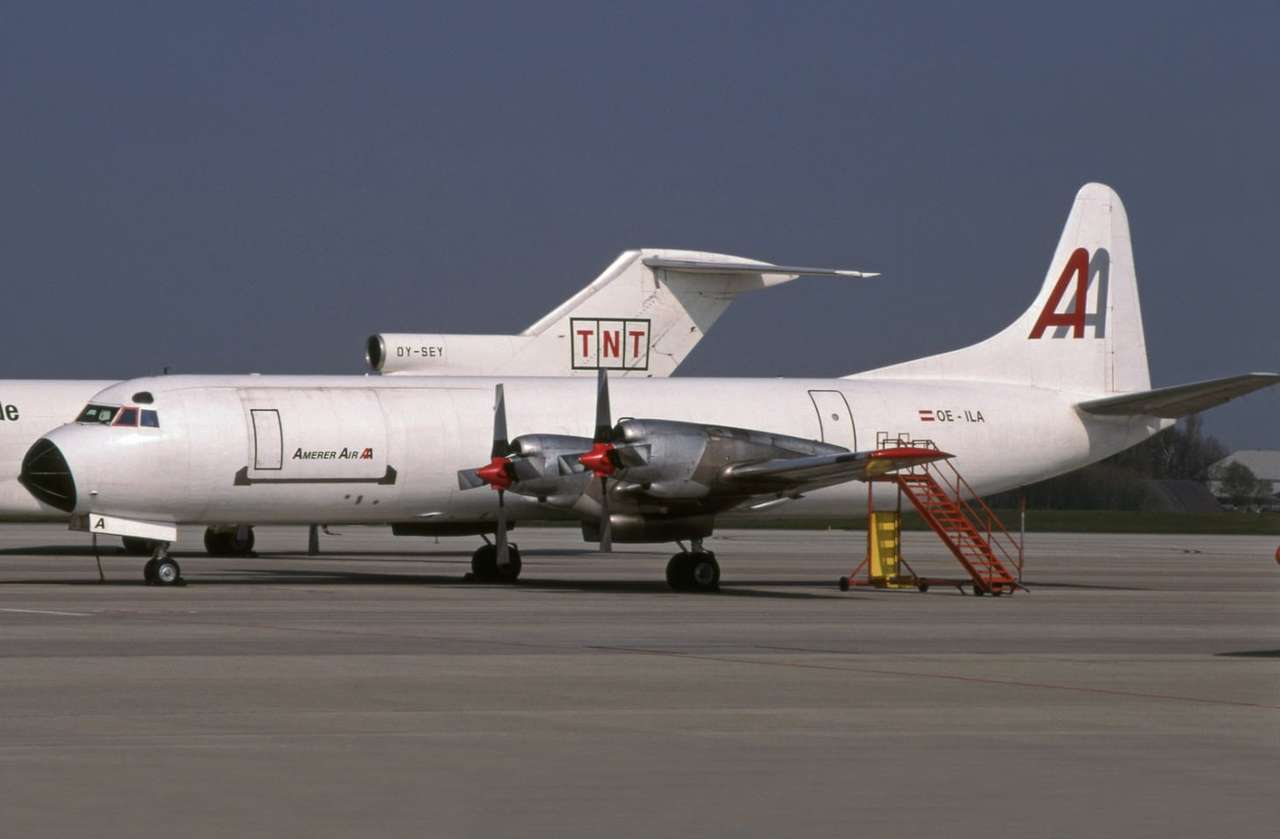
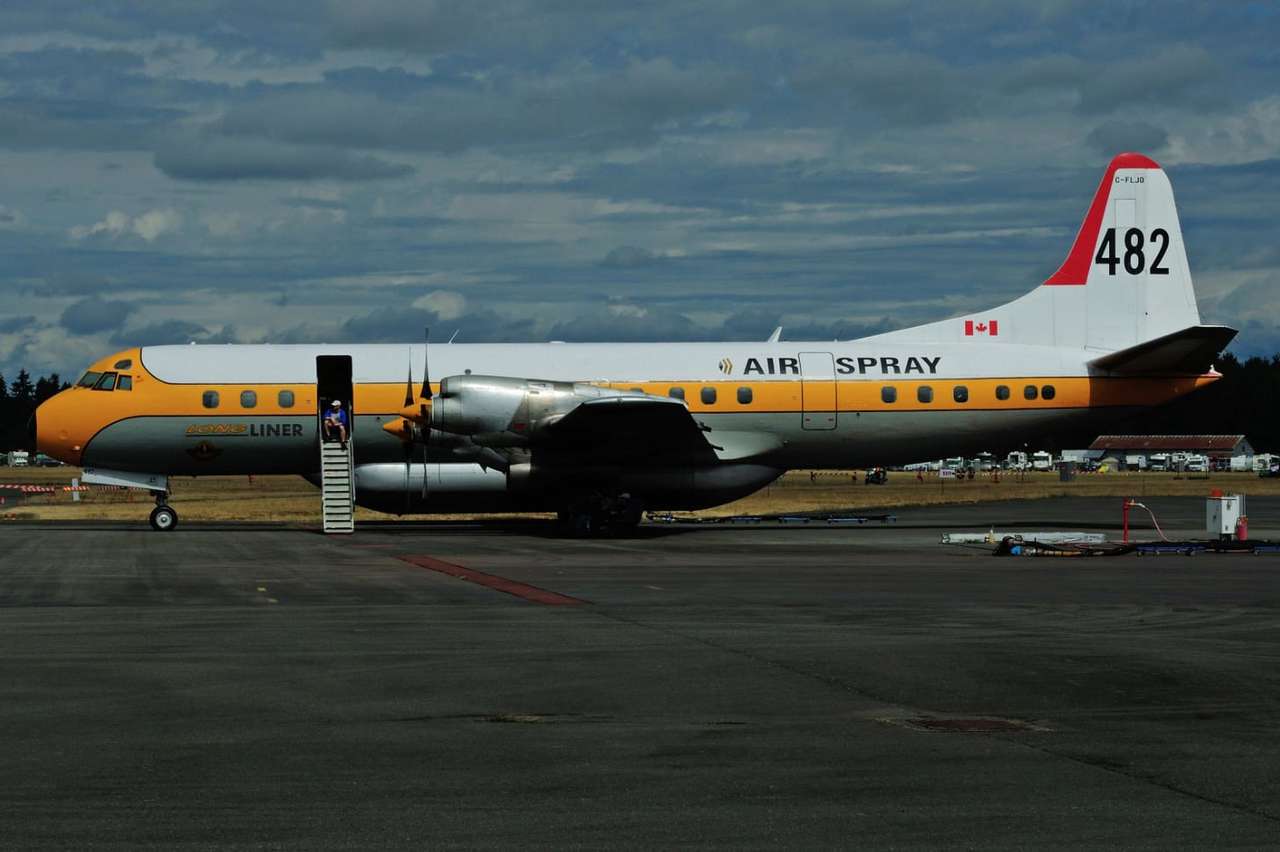
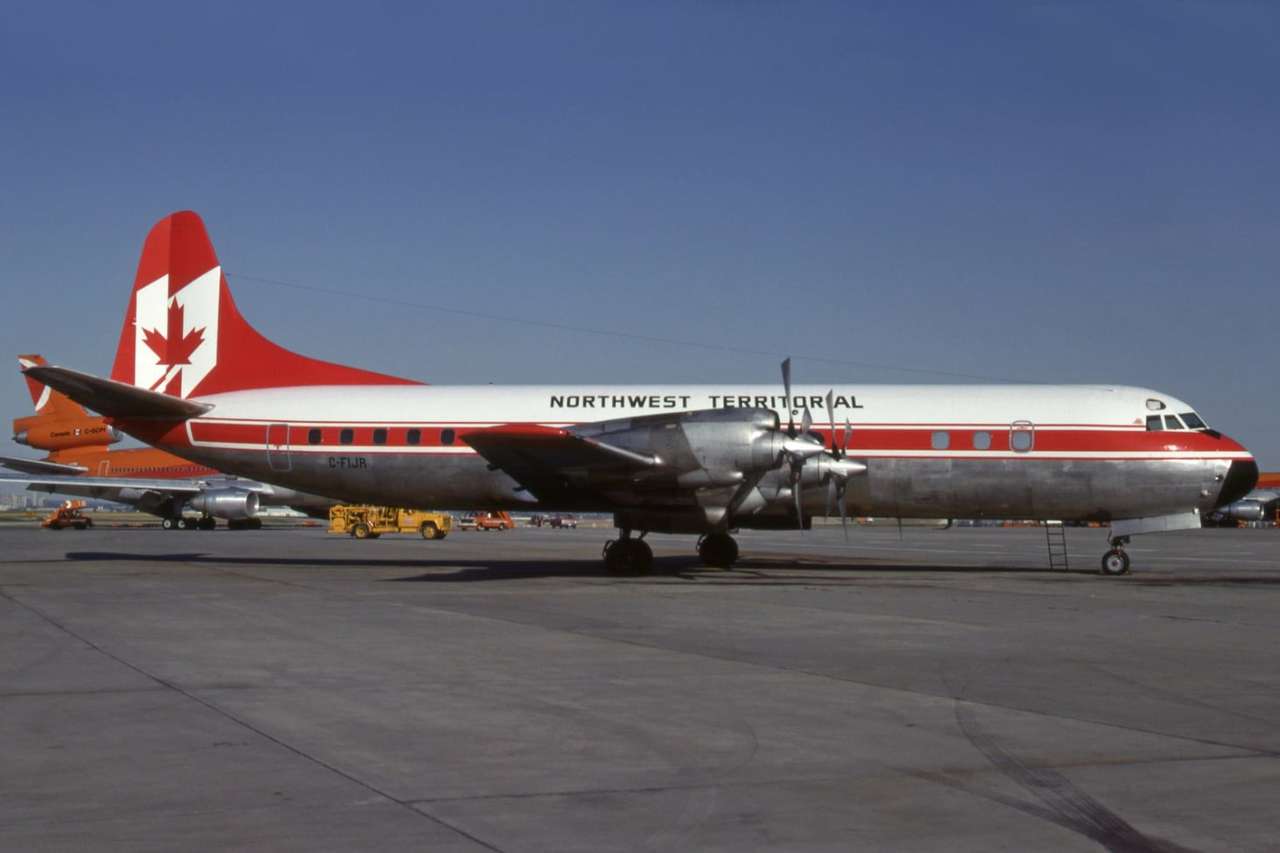
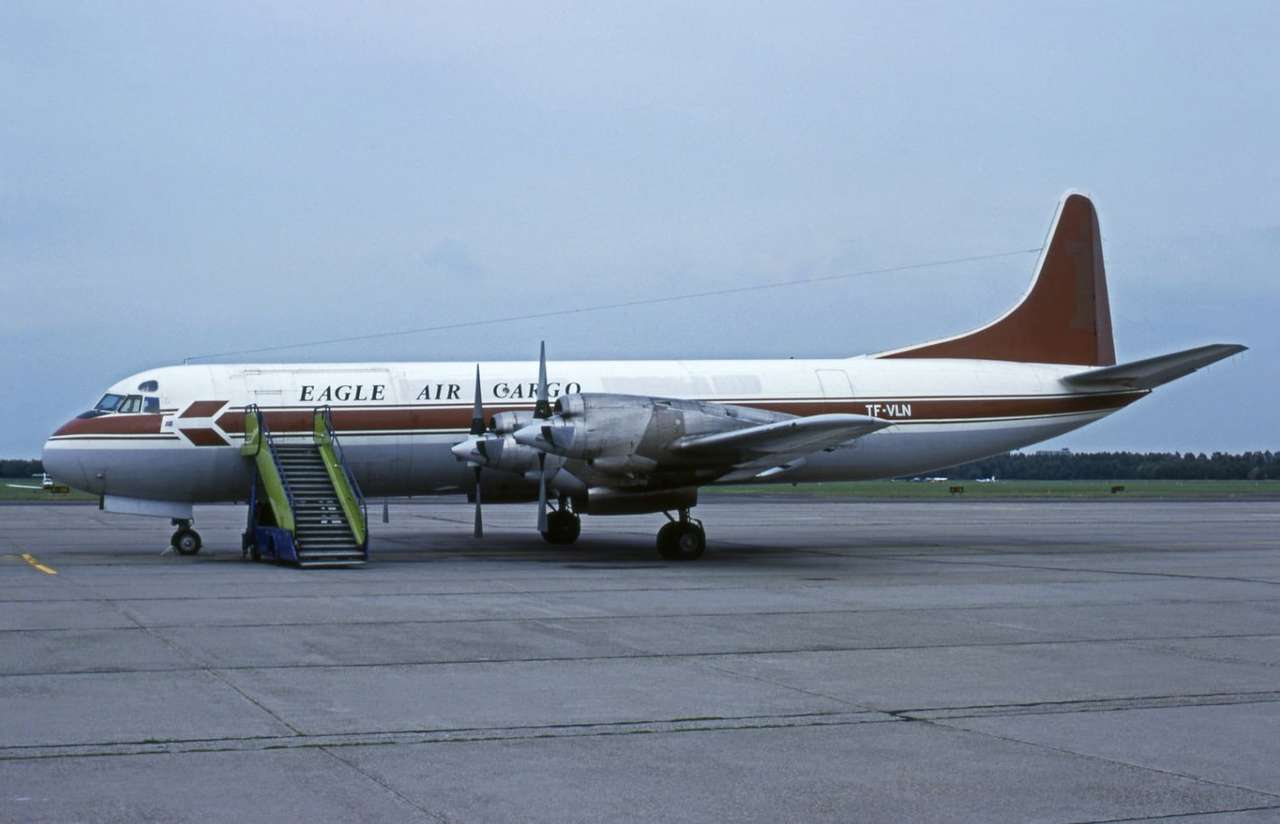
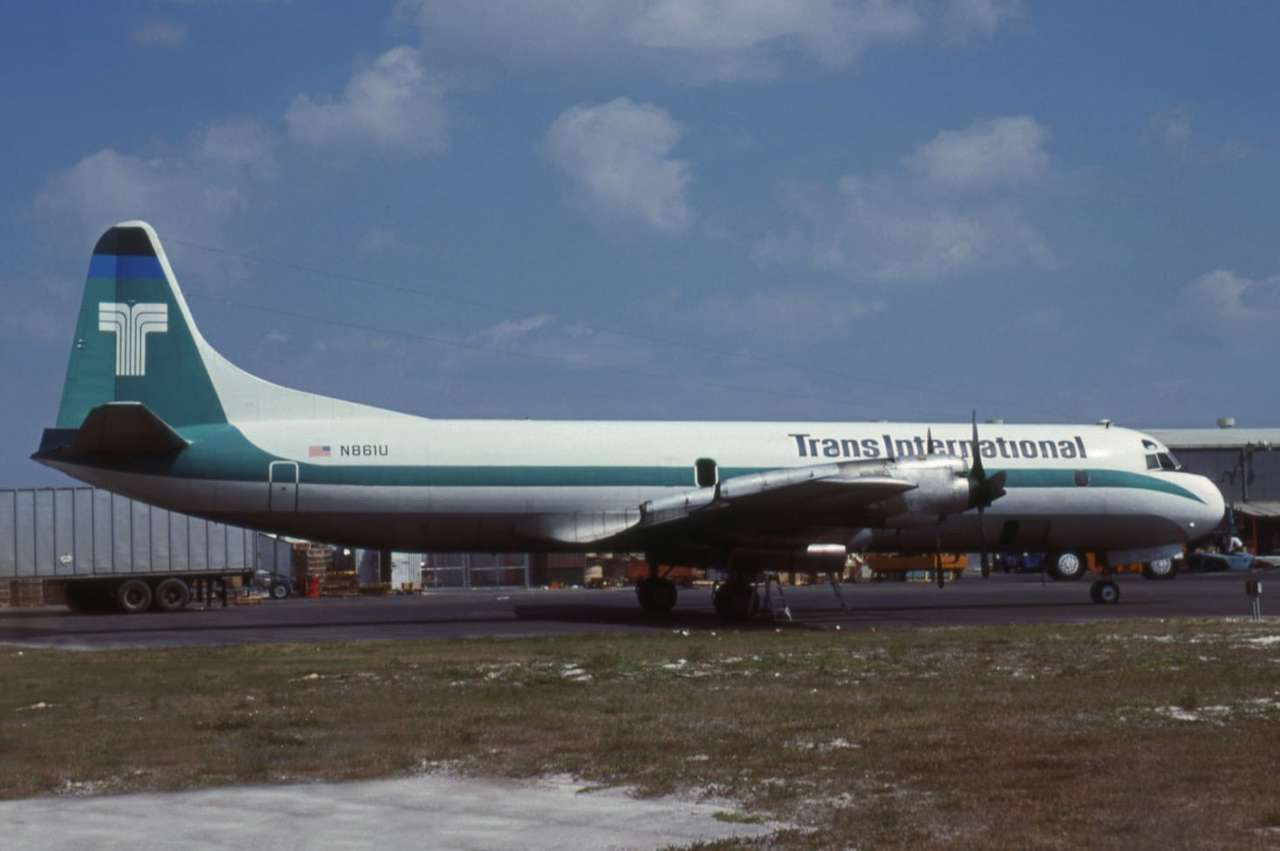
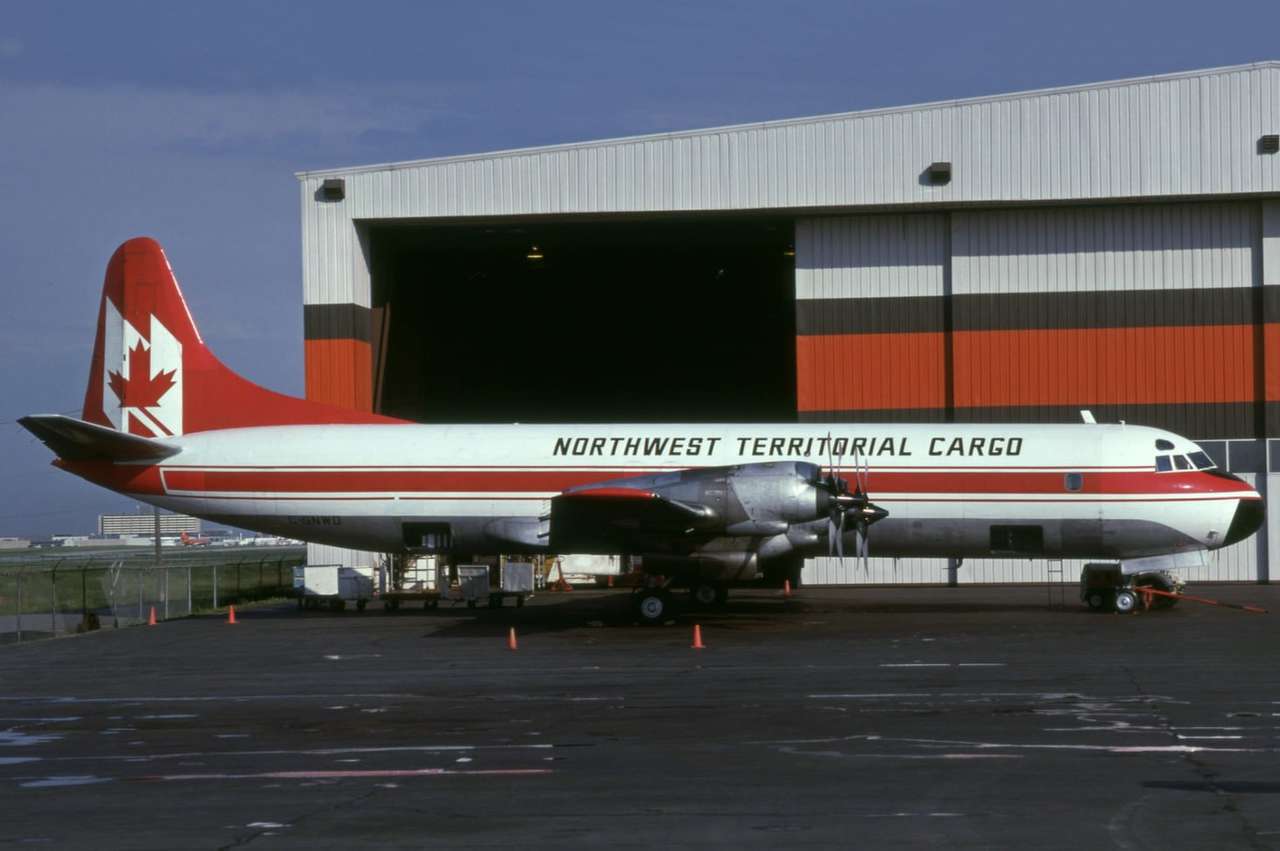
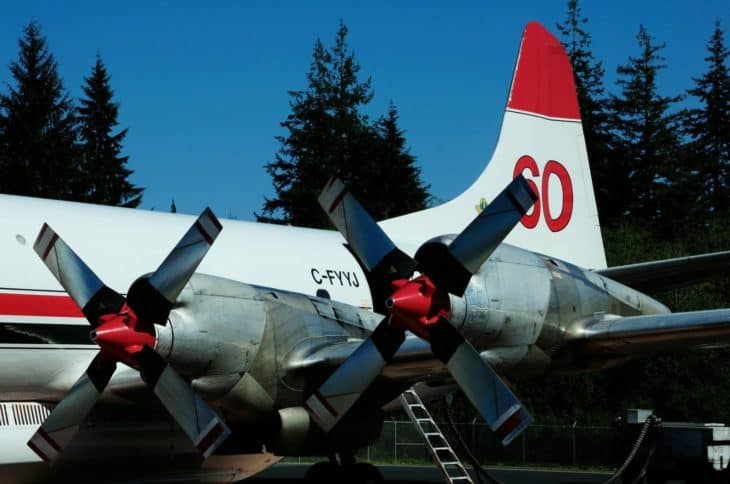
The Lockheed L-188 Electra first flew in 1957 and entered airline service in 1959. Developed to compete with aircraft such as the Vickers Viscount, the Electra was powered by four Allison 501-D13 turboprop engines. It was capable of cruise speeds approaching those of early jets while consuming less fuel on medium-haul routes.
However, shortly after entering service, the Electra was involved in two catastrophic accidents traced to a structural phenomenon known as whirl mode flutter. This issue caused wing vibration under certain conditions and led to in-flight structural failures. Lockheed responded with a comprehensive modification program known as the Electra Achievement Program, which strengthened the structure and resolved the problem. After the fixes were implemented, the aircraft went on to build a solid safety record.
Despite facing increasing competition from emerging jet airliners, the L-188 proved highly adaptable. Its robust airframe made it suitable for cargo conversion, and it later served in maritime patrol form as the P-3 Orion, one of the most successful military patrol aircraft ever built.
Although production ended in the early 1960s, the Electra continued flying in cargo and specialized roles for decades. Its legacy lives on not only in commercial aviation history but also in the long service life of its military derivatives.
In 1954, the L-188 Electra was developed to meet the need of American Airlines for a domestic aircraft with a short to medium range that can transport from 75 to 100 passengers. In June 1955, the airline placed an order of 35 aircraft.
On December 6 1957, the first prototype of L-188 Electra took its maiden flight from Lockheed Air Terminal in Burbank, California. It was a low wing aircraft with conventional setting, retractable tricycle type landing gear, and powered by four turboprop engines.
On August 22 1958, it received its Civil Aeronautics Administration (CAA) type certification.
On October 8 1958, the aircraft was first delivered to Eastern Air Lines with Manufacturer Serial Number 1007, then on January 12 1959, it entered into service.
Production took place from 1957 to 1961. In 1961, L-188 Electra production ended with a total of 170 aircraft built.
The L-188 Electra has a short and low wing with a wingspan of 30.18 meters and wing area of 120 square meters that resulted in the majority of the wingspan being covered in spiral slipstream. It has big fowler flaps that remarkably increased the effective wing area while being extended.
The aircraft has an external length of 31.85 meters, tail height of 10.01 meters and fuselage diameter of 3.2 meters.
Even though the landing gear is hydraulically operated, it has a safety feature the permits free fall extension of the gears without the need to use hydraulic or electrical power. The nose gear and the main gear retract ahead towards the aircraft’s nose. The aircraft has a wheelbase of 11.27 meters.
The cabin of the aircraft initially came in three distinct configurations. The conventional layout was for 66 passengers in a four abreast seating, the standard configuration was for 85 passengers in a five abreast seating plus a six-passenger lounge, and the high density configuration can seat up to 99 passengers. The cabin has a length of 20.02 meters, width of 2.74 meters and height of 1.93 meters.
Huge cargo compartments were positioned in the aircraft’s belly; the carry-on baggage space was in the cabin on each side of the aisle.
During the later years of the aircraft, several L-188 Electra were converted to all cargo aircraft or combination passenger-cargo transport.
The L-188 Electra is powered by four Allison 501-D13 turboprop engines. The engines compose of a gas turbine power section, torque meter assembly, and a reduction gear assembly. It has a maximum thrust of 3,750 shaft horsepower each.
The aircraft was designed for short take off and landing distances, to drive out of 5,000 runways and has the speed range for maximum adaptability in the pattern of air traffic. Landing rolls of lower than 300 meters were displayed without using the reverse thrust.
The L-188 Electra was initially equipped with speed brakes to provide appropriate descent control characteristics, however flight test work showed that the speed brakes were unessential with the high drag available from the propellers.
The L-188 Electra has a maximum take off weight of 51,256 kg and a maximum landing weight of 44,499 kg. It has a maximum payload of 15,300 kg and a fuel tank capacity of 5,520 US Gal. It can fly up to 28,400 feet, has a climb rate of 1,970 feet per minute, and a cruising speed of 350 knots.
On February 3 1959, an American Airlines flight 320 from Midway International Airport crashed into the East River in New York during an attempt to have an instrument approach at La Guardia Airport. Among seventy-three people on board, sixty-five people died in the accident and it has been recorded as the first crash of the L-188 Electra.
On March 17 1960, a Northwest Orient flight 710 from Chicago Midway Airport to Miami International Airport crashed out of control. The said aircraft disintegrated in-flight and broke into two pieces; the right wing fell in one piece and the other half descended close to Cannelton, Indiana. There were fifty-seven passengers and six crew on board; none of them survived the accident.
Sources and references used for research and fact-checking.