

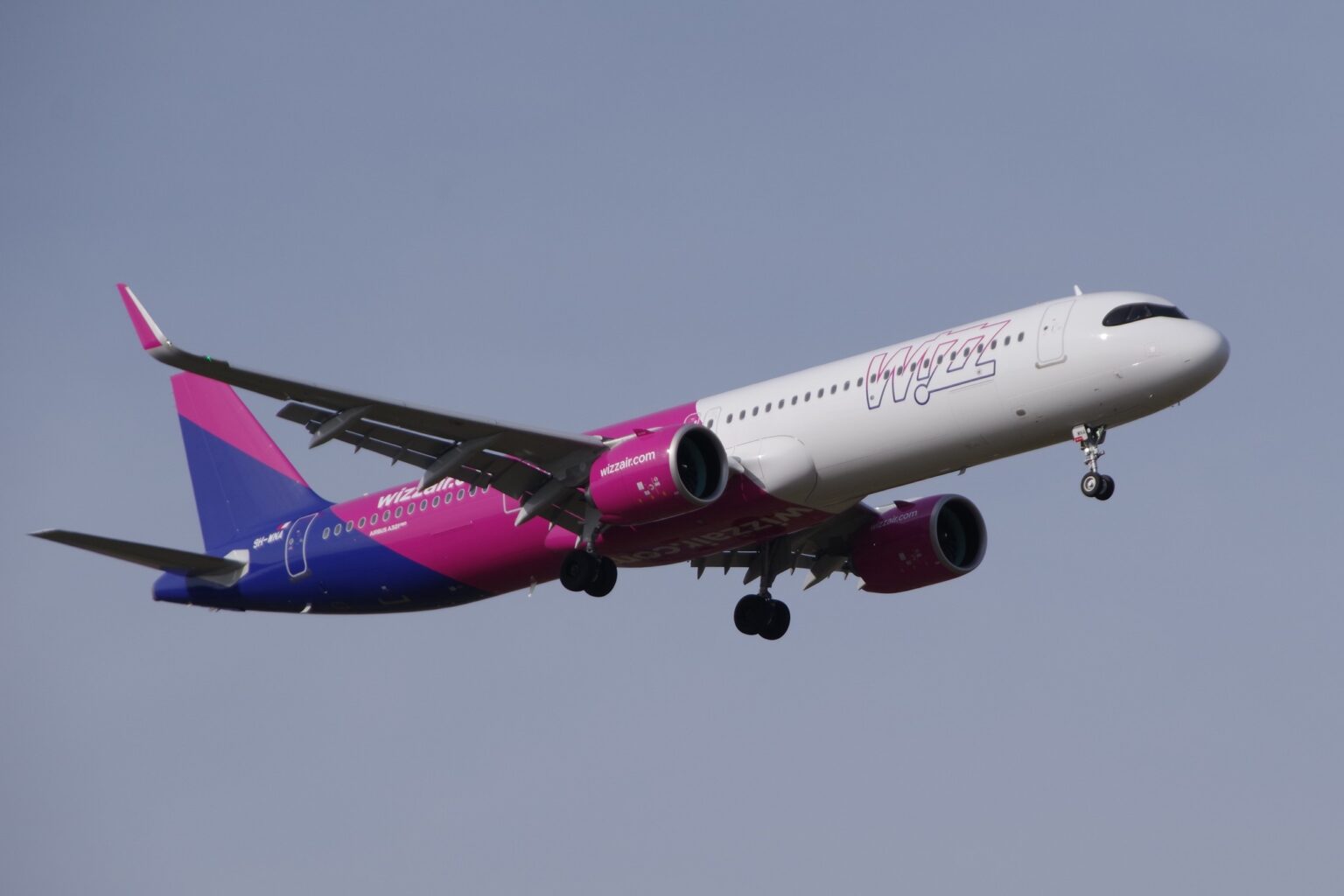
Wizz Air flight W46136 from Prague to Rome Fiumicino was diverted to Venice on the morning of Friday, November 6, 2026, after a bomb threat, an Italian airport authority source told Reuters. The jet landed safely, and a search of the aircraft found no explosives.
Reuters counted more than a dozen hoax threats against European flights that day. No explosive device has been found on any of the dozens of aircraft targeted this week, the agency reported.
How the W46136 diversion unfolded
The flight took off from Prague at 9:50 a.m. local time and landed at Venice Marco Polo Airport at 10:56 a.m., according to FlightAware tracking data. FlightAware lists the aircraft as an Airbus A321 and the flight under the call sign WMT6136, used by Wizz Air’s Malta subsidiary.
The jet had been due in Rome around 11 a.m. Italy’s air navigation service provider ENAV confirmed the diversion and the landing in Venice, as reported by APA.
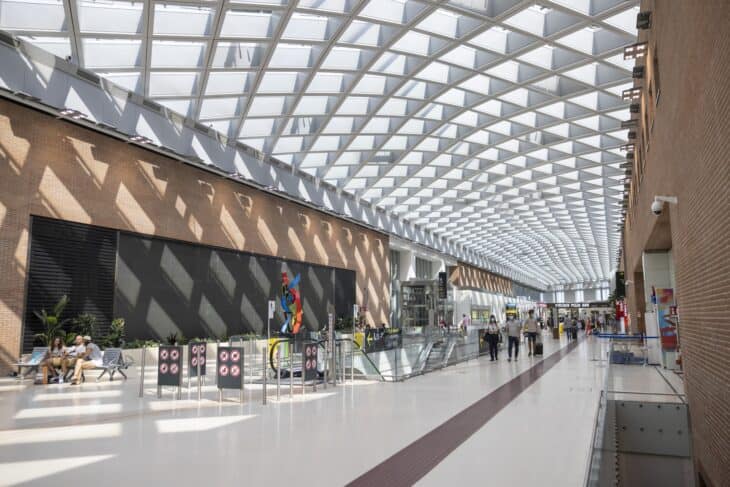
All 190 passengers and eight crew members were taken off the aircraft, Venice daily Il Gazzettino reported. Firefighters, an ambulance, a border police dog unit and bomb disposal experts were waiting on the runway.
The paper said traffic at the airport was suspended for just over an hour while the checks ran. They ended at about 12:30 p.m. and found nothing, and airport operator SAVE looked after the passengers in the terminal.

One passenger, Barbara Iacchino, told Il Messaggero that the mood on board was calm and that passengers were told the reason for the diversion only after landing. She said passengers were taken off in an orderly way and their bags were checked, in remarks translated from Italian.
The flight then continued to Fiumicino and landed at about 3:50 p.m., Il Messaggero reported. That put the passengers in Rome almost five hours behind schedule.
Where the threat came from is disputed
The first Italian reports said the threat reached the control tower at Rome Fiumicino in an anonymous phone call. Italian news agency ANSA and Il Sole 24 Ore both carried that account.
Reuters’ airport authority source denied that the call went to Fiumicino. Il Gazzettino reported instead that the anonymous call came in to the control tower in Prague, and AeroCorner found no official statement settling which version is right.
AeroCorner could find no statement from Wizz Air on the flight at the time of writing. The registration of the A321 has not been reported.
Why a hoax still means a diversion
A crew in the air has no way to tell a hoax from a real device. Security agencies on the ground judge how credible a threat is, and when they cannot rule it out, the usual answer is to get the aircraft down at a suitable airport rather than fly on to the planned one.
Once the jet is on the ground, everyone is taken off, and dogs and bomb technicians search the aircraft and the baggage. That is the sequence Venice ran on Friday, and it is why one anonymous message cost a planeload of passengers almost five hours.
The sources have not said why Venice was chosen over Rome or another airport. Our explainer on how flight diversions work covers how crews and controllers usually pick an alternate.
The rest of Europe’s hoax wave on November 6
Prague Airport’s spokesperson said nine flights to or from Prague were targeted on Friday, the Czech news agency ČTK reported in a story carried by E15. Czech police said the threat of an explosive device on board several aircraft arriving at and leaving Prague had been repeated, and that security measures had been taken with minimal impact on the airport.
Ryanair flight FR8196 from Rome landed in Lisbon after a threat, Simple Flying reported, and Portuguese police later said no bomb was found on board, according to ČTK. The French prime minister’s office said four more threats targeted aircraft over French territory, and all of them landed safely.
Hungarian fighters escorted airliners from Brussels to Sofia and from Prague to Bucharest and Cyprus through Hungarian airspace, Reuters reported. Hungary’s defense minister said NATO had ordered air patrols in the area.
Newsrooms were targeted too: emailed threats reached Ireland’s RTÉ, which evacuated its offices, and Bulgaria’s Nova TV, from a sender calling himself “Mikhail Andropov” who claimed the flight hoaxes. Reuters said it could not identify the sender.
Friday’s disruption was lighter than Thursday’s, when more than two dozen flights were hit. Those included Aer Lingus EI402, which diverted to a French air base under fighter escort, and KLM KL461, searched in Bucharest.
Earlier in the week, on Monday, November 2, Wizz Air W64302 from Luton diverted to Budapest after a bomb threat. No country has attributed blame for the threats, and Spain’s foreign minister, José Manuel Albares, said Europe appeared to be facing “hybrid aggression and a form of psychological warfare,” Reuters reported.
Sources and references used for research and fact-checking.
Get the Newsletter
The latest aviation news and stories sent to your inbox.
About the Author

AeroCorner News is the aviation news desk of AeroCorner.com. It covers accidents and incidents, safety rulings, airline and airport disruption, and new aircraft. It works from primary sources such as the NTSB, FAA, EASA and the manufacturers' own announcements.