

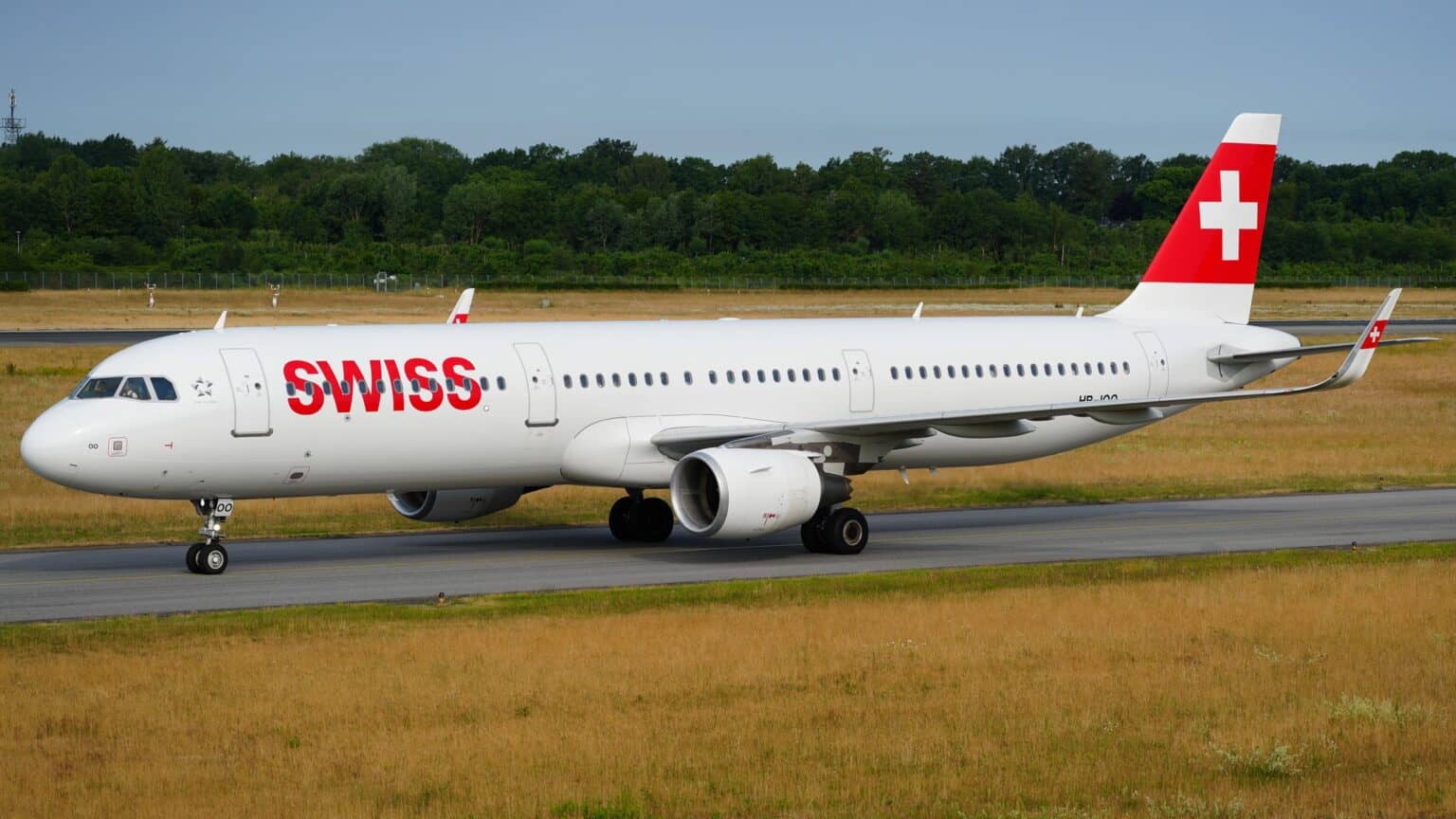
SWISS flight LX632 from Zurich to Paris Charles de Gaulle turned back to Zurich on the morning of November 6, 2026, after an unusual smell spread through the cabin of the Airbus A321. The aircraft, registered HB-IOO, landed back in Zurich with 152 people on board.
SWISS described the return as a precaution. The source of the odor was still unknown on Friday.
What happened on LX632
The A321 was scheduled to leave Zurich at 7:25 a.m. local time and reach Paris at 9:00 a.m. FlightStats records it leaving the gate at 7:28 a.m. and logs the flight as a return from airborne to Zurich.
According to The Aviation Herald, the crew stopped the climb at FL240, about 24,000 feet (7,300 m), and landed on Zurich’s runway 14 about 30 minutes after departure.
Flight tracking data cited by 20 Minuten shows the jet turning around over the Jura mountains, shortly before the French border, about 25 minutes into the flight. The aircraft was back at the gate in Zurich at 8:18 a.m., FlightStats shows.
What SWISS said
SWISS told 20 Minuten that an “extraordinary smell” was first noticed in the forward part of the cabin and then spread. A spokesperson stressed that it was a smell and not smoke, and that there was no fire.
Passengers did not need to use the oxygen masks, the airline said. It praised the crew’s handling as exemplary and said the 152 passengers were being rebooked onto the next available flights.
Specialists at Zurich Airport were examining the aircraft, 20 Minuten reported, and SWISS has not identified a cause.
Neither SWISS nor the reports had said, at the time of writing, whether anyone on board needed medical attention.
Why a smell alone turns a jet around
An odor with no visible smoke is one of the harder calls a crew faces. It can be harmless, such as an overheating oven or a spill, but it can also be the first sign of an electrical fault or of contaminated air in the cabin.
On a jet like the Airbus A321, cabin air is drawn from the engines’ compressors through the bleed air system. If oil or hydraulic fluid gets into that flow, passengers and crew notice a smell, which is why these so-called fume events are taken seriously even when nobody feels unwell.
Nothing published so far links the LX632 odor to bleed air. With the source unknown and the aircraft still close to home, turning back to the airline’s main base gave the crew a short flight, a familiar airport and maintenance teams on the ground.
It is not the first unplanned return to Zurich Airport this autumn. In October, the same Edelweiss A320 turned back to Zurich on two days running with a bleed air problem, including once while flying for SWISS.
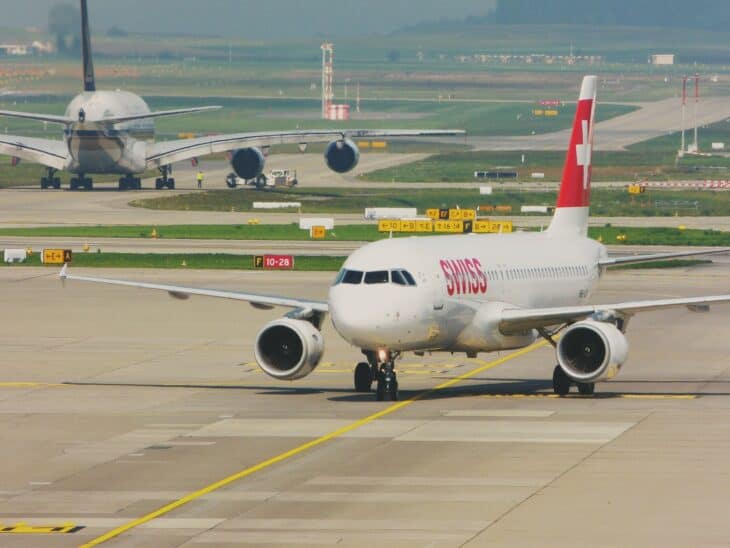
Most odor events end the way LX632 did: a precautionary landing, an inspection and a rebooking, and the cause is not always made public. Whether SWISS says more about this one will depend on what the inspection in Zurich finds.
Sources and references used for research and fact-checking.
Get the Newsletter
The latest aviation news and stories sent to your inbox.
About the Author

AeroCorner News is the aviation news desk of AeroCorner.com. It covers accidents and incidents, safety rulings, airline and airport disruption, and new aircraft. It works from primary sources such as the NTSB, FAA, EASA and the manufacturers' own announcements.