

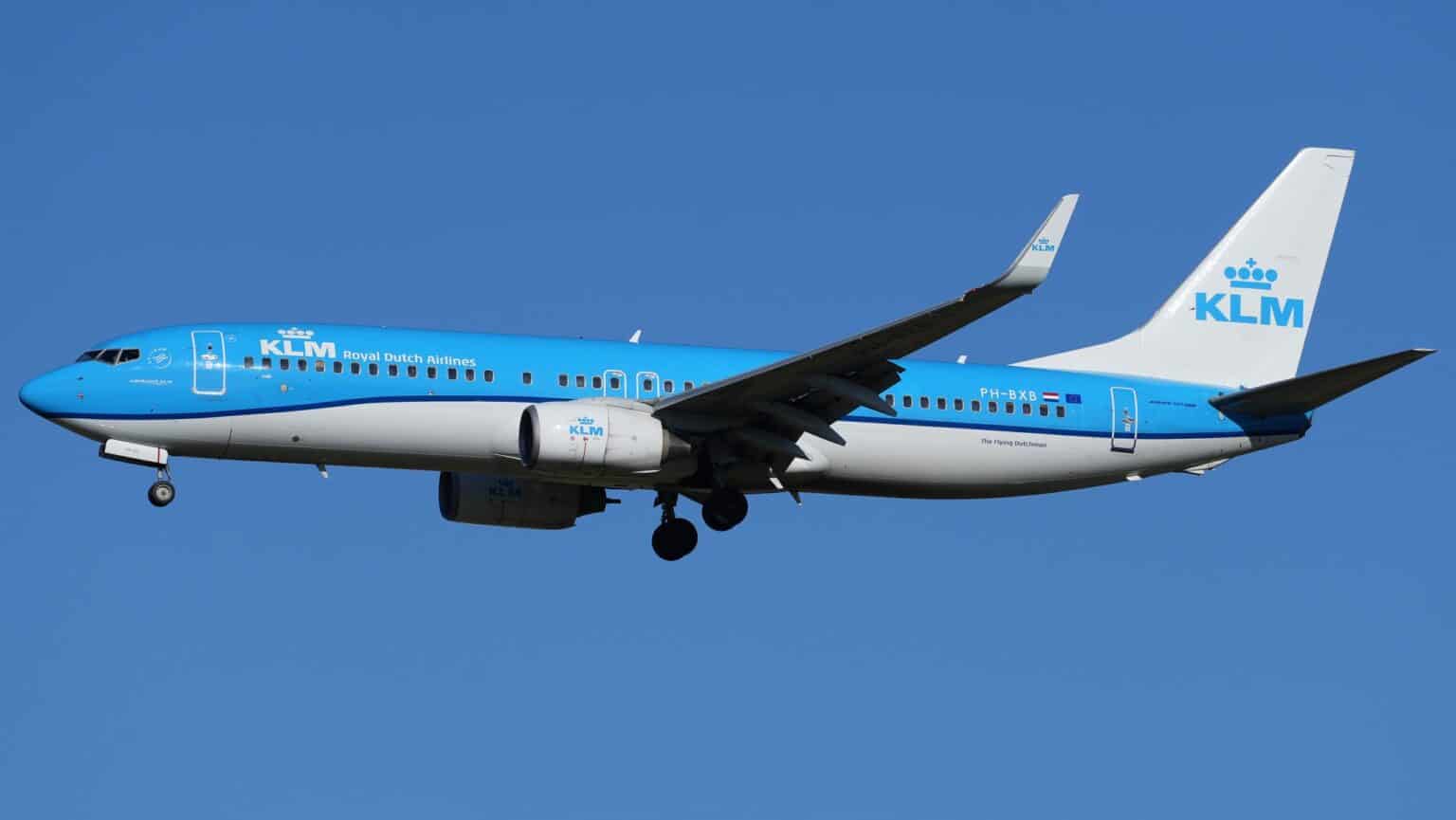
KLM flight KL461 from Amsterdam to Tel Aviv was searched by bomb-disposal specialists at Bucharest on Thursday, November 5, 2026, after the airline received a bomb threat against it. Romania’s domestic intelligence service, SRI, said the check found nothing and that the threat was not confirmed.
The jet was not diverted in the usual sense: Bucharest was a scheduled stop on its way to Israel, according to SRI. It was one of at least 27 passenger flights across Europe hit by likely hoax threats that day, the third day of a wave that began on November 2.
What happened on KL461
KL461 left Amsterdam Schiphol at 4:40 p.m., and the threat arrived around 7:30 p.m., shortly before the planned stop, according to the Dutch news agency ANP, which said KLM confirmed the threat when asked. The aircraft landed safely at Henri Coandă International Airport, the Bucharest airport often called Otopeni.
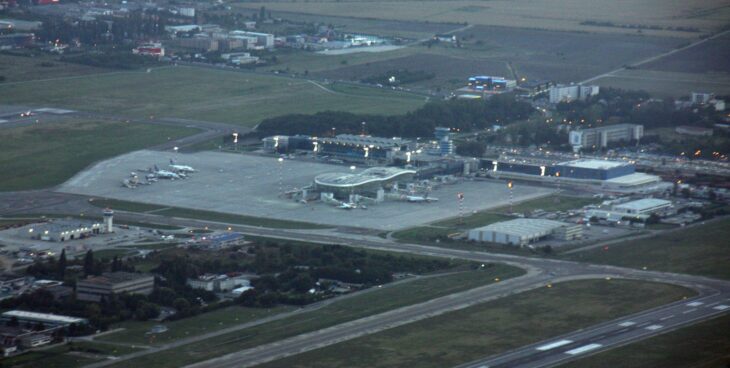

All 52 passengers and 6 crew members left the aircraft safely, Hart van Nederland reported from the ANP account. The reports did not name the aircraft type or its registration.
SRI said its initial assessment was that the threat was false. The pilots, “after consulting their company and considering the destination,” still asked for a pyrotechnic check of the aircraft, the agency said in a statement carried by Aleph News.
The follow-up statement was short: the check of the KLM aircraft “did not identify elements of pyrotechnic interest,” and “the bomb threat is not confirmed.” A second threat SRI reported in the same statement was not aimed at a specific aircraft and needed no extra security measures.
KLM told ANP the aircraft would be thoroughly examined before it decided whether and when the flight could continue to Tel Aviv. At the time of writing, neither KLM nor SRI had said publicly whether KL461 had resumed its journey.
Bucharest’s busy day of hoaxes
KL461 was not Otopeni’s first threat of the day. Earlier on Thursday, a Wizz Air jet from Milan landed there at 11:09 a.m. after its crew told the control tower about a bomb threat, and the airport set up a crisis cell, HotNews reported, quoting SRI.
Its 182 passengers and 7 crew were taken to the terminal, and SRI’s bomb-disposal team found that threat false as well.
Across Europe, Thursday’s threats reached at least 27 flights, according to Reuters. The same day an Aer Lingus jet bound for Rome was sent to a French air base under fighter escort.
The wave started on November 2, when Wizz Air W64302 diverted to Budapest. A day later, LOT’s LO286 landed at Modlin and Ryanair FR4116 came down at Murcia.
No authority has said who is sending the threats. Prague Airport told AFP it had received its threats by email from anonymous addresses, and EU transport commissioner Apostolos Tzitzikostas said it was “too early to draw conclusions” on whether the incidents are linked, Euronews reported.
Air France-KLM chief executive Benjamin Smith said at the group’s quarterly results that he had never seen anything like the week’s threats and that their apparent coordination was new, ANP reported. The Dutch counter-terrorism coordinator, NCTV, said the number of threats in so short a time was “striking” and had its particular attention.
Why a hoax still gets a full search
The two SRI statements show how a threat is actually handled. Security services first rate a threat’s credibility, and a vague message that names no aircraft, like the second one on Thursday, can be logged with no further action.
A threat naming a specific flight is different. Even when the authorities rate it false, the captain and the airline can ask for the aircraft to be searched before it flies on, and that is what KL461’s crew did.
SRI’s wording points to why: the pilots weighed the destination. On a flight to Israel, a few hours on the ground is a small price against even a remote chance that the threat is real.
The stop itself is a product of the region’s security situation. When KLM announced in August that Amsterdam to Tel Aviv flights would resume on August 25, it said they would include a technical stop in Larnaca, Cyprus, where the crew would stay overnight, according to KLM’s statement.
Thursday’s flight was scheduled to stop in Bucharest instead, according to SRI and ANP. KLM’s statement page, whose latest Tel Aviv update is from August, does not mention Bucharest or say why the stop moved.
No explosives have been reported on any flight in the wave so far. Each threat still grounds an aircraft, strands its passengers and ties up bomb-disposal teams, and with at least 27 flights hit on Thursday alone, that disruption is the wave’s real cost.
Sources and references used for research and fact-checking.
Get the Newsletter
The latest aviation news and stories sent to your inbox.
About the Author

AeroCorner News is the aviation news desk of AeroCorner.com. It covers accidents and incidents, safety rulings, airline and airport disruption, and new aircraft. It works from primary sources such as the NTSB, FAA, EASA and the manufacturers' own announcements.