

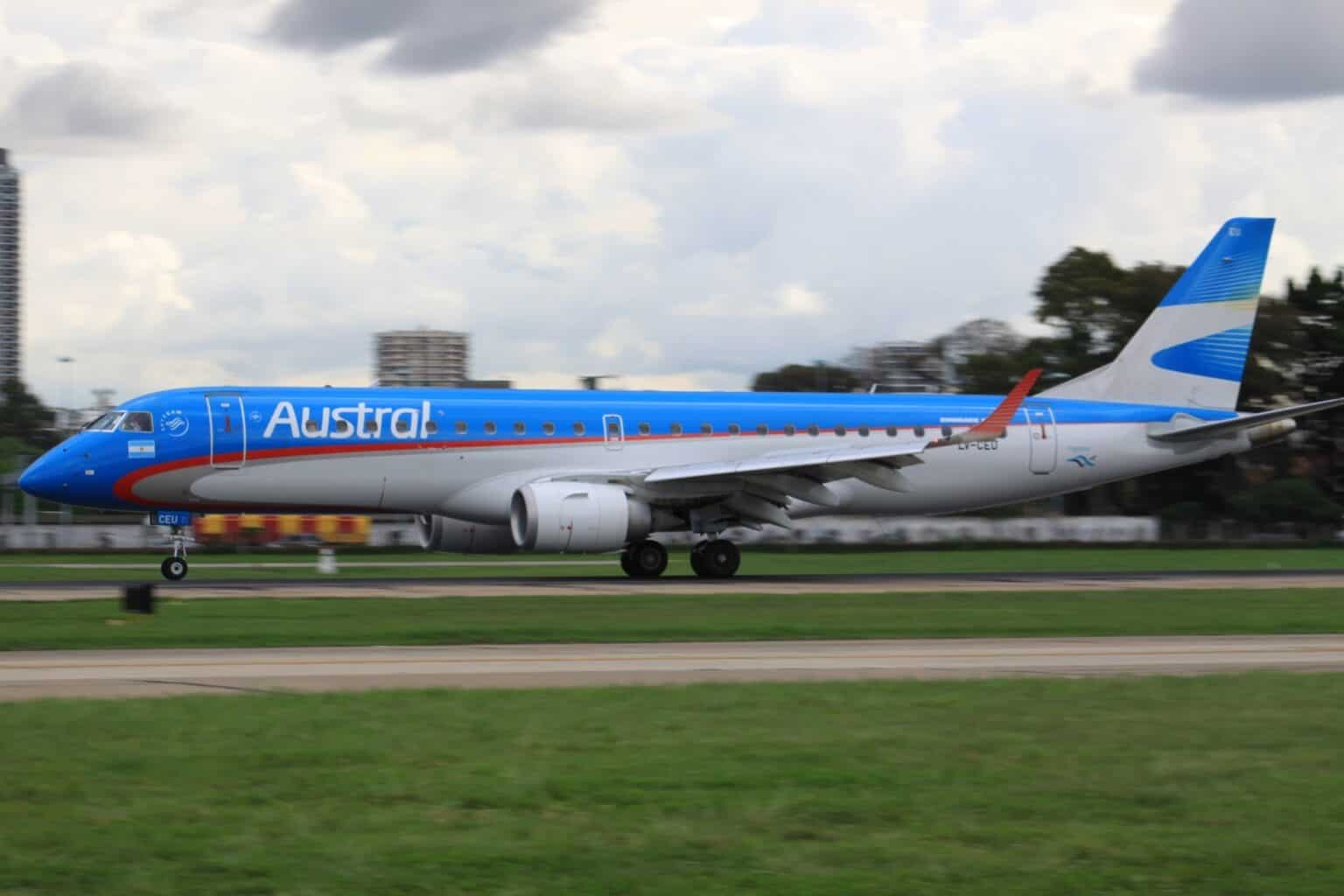
Aerolíneas Argentinas flight AR1764, an Embraer E190 flying from Buenos Aires Aeroparque to Posadas, diverted to Rosario on Wednesday, November 4, 2026, after its crew lost the cockpit indication for the nose landing gear. Before the jet landed, the crew of a medical helicopter looked at the gear from outside and reported it extended.
The aircraft, registration LV-CEU, carried 83 passengers and four crew. It landed normally at Rosario’s Islas Malvinas International Airport, and local outlets reported no injuries.

Thunderstorms at Posadas, then an electrical fault
Flightradar24 data shows LV-CEU leaving Aeroparque at 12:17 local time (15:17 UTC), with the flight logged as diverted to Rosario. Weather at Posadas that day was poor: the airport’s observations from midday into the afternoon reported thunderstorms with rain, cumulonimbus clouds and, at times, visibility down to about 1.2 miles (2,000 m).
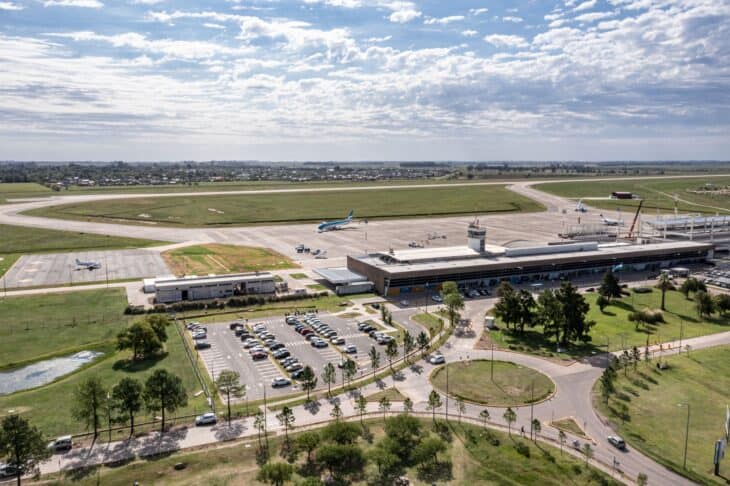
Rosario, about 480 miles (770 km) southwest of Posadas, was reporting southerly winds of 10 to 14 knots and clear or nearly clear skies across the same hours. Airport sources told Primera Edición that the crew asked air traffic control for Rosario because conditions there were better.
The cause of the electrical problem has not been confirmed.
Juan Pío Drovetta, president of Rosario International Airport, said the commander declared an emergency after a lightning strike that left the crew unable to see the nose gear’s status, in comments reported by Primera Edición. The Aviation Herald described the electrical problems as possibly related to a lightning strike.
According to Drovetta, the emergency was declared when the jet was 20 to 30 minutes from Rosario. The airport activated an emergency operations committee, and firefighters, ambulances and police took positions along the runway.
A look from the outside
With no down-and-locked indication for the nose gear, the E190 flew a low pass at Rosario so the gear could be checked by eye. A helicopter from the medical operator UTV Aeroemergencias, working with the control tower, observed the gear and reported it down and apparently aligned, according to Ecos Diarios and Primera Edición.
Drovetta noted that the outside view confirmed the gear was extended but could not settle whether it was locked. The jet landed safely on runway 20 about 2 hours 50 minutes after leaving Aeroparque, by The Aviation Herald’s account, and the passengers left the aircraft at Rosario.
Aerolíneas Argentinas then sent an empty Embraer 190 to Rosario to take the passengers on to Posadas. Flightradar24 shows that jet, LV-CPI, leaving Rosario as AR1764 at 18:16 local time.
No statement from Aerolíneas Argentinas on the event had been published as of November 6.
Why “down” is not the same as “locked”
Airliners report the landing gear’s position to the cockpit through indicator lights. When that indication fails, the crew cannot confirm from the flight deck that a leg is down and locked, and landing on gear that may not be locked risks a collapse on the runway.
SKYbrary’s guidance for controllers lists one or more low passes as a standard option, so that qualified people on the ground can inspect the gear. It also warns that a tower controller should never certify the gear as down and locked from a visual check, which is exactly the limit Drovetta described.
In Rosario, that outside look came from a helicopter crew in the air. Whether lightning was the trigger has not been officially confirmed; how airliners are built to cope with a strike is covered in AeroCorner’s explainer on planes and lightning strikes.
Weather caused wider trouble on the Posadas route that day. The same Primera Edición report said the morning AR1762 left Aeroparque almost an hour and a half late, and that the return AR1763 sat at Posadas for hours in the rain.
In September, another Aerolíneas Argentinas flight, AR1132 to Madrid, returned to Ezeiza after an engine compressor stall.
Sources and references used for research and fact-checking.
Get the Newsletter
The latest aviation news and stories sent to your inbox.
About the Author

AeroCorner News is the aviation news desk of AeroCorner.com. It covers accidents and incidents, safety rulings, airline and airport disruption, and new aircraft. It works from primary sources such as the NTSB, FAA, EASA and the manufacturers' own announcements.