

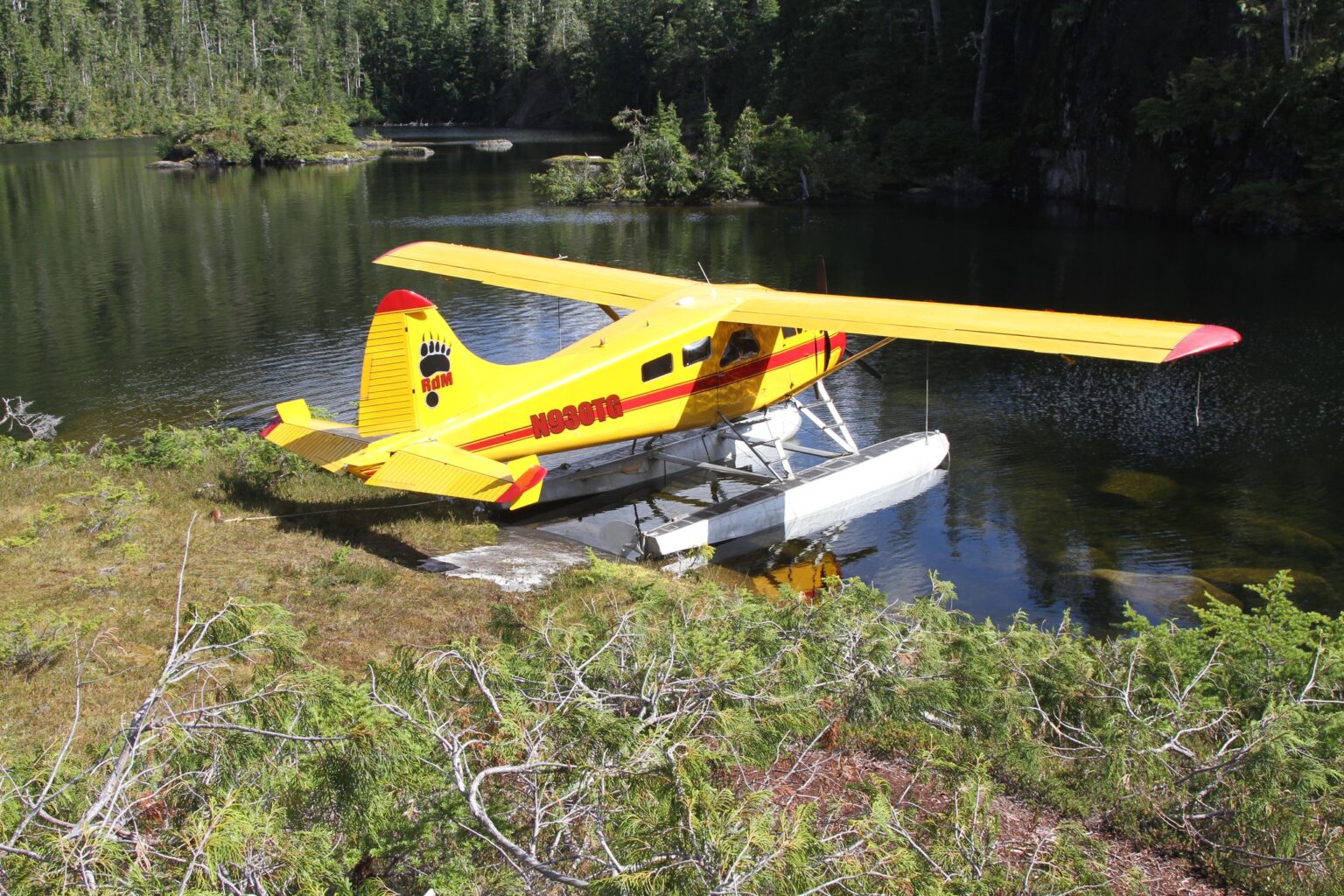
Canada’s Transportation Safety Board (TSB) released its report on November 19, 2026, into the September 13, 2025, crash of float-equipped de Havilland Canada DHC-2 Beaver C-FDPW near Makepeace Lake, Manitoba. Four passengers from St. Theresa Point First Nation were killed, and the 20-year-old pilot survived with serious injuries.
The TSB’s calculations placed the aircraft’s center of gravity 3.1 inches behind its rear limit at takeoff, though it could not fully verify the figure. The report also notes that two jerrycans of gasoline were carried in the cabin, and it says fuel in a cabin may significantly increase the size and intensity of a post-crash fire.
Two aborted takeoffs, then a flight that never reached the lake
The Beaver, built in 1959 and operated by MHA Enterprises Ltd. of St. Theresa Point, was flying its third trip of the day under day visual flight rules. The flight was to carry four passengers to a remote camp at Makepeace Lake, according to the TSB.
The pilot held a commercial pilot license and had 1,910 hours of flying, roughly 140 of them on the Beaver. The TSB found no sign that fatigue or a medical issue affected him.
The pilot loaded it at about 2:30 p.m. with camp supplies, including rifles and two jerrycans filled with gasoline. He made two attempts to take off but was told to return to the dock by one of the passengers, who was anxious about flying. The flight was then cancelled for the day.
The passengers called back at about 5 p.m. to rebook for 6 p.m. The cargo went back aboard, and the Beaver took off at about 6:30 p.m. local time.
About 2:30 p.m.
Loaded and aborted. Two takeoff attempts end back at the dock; the flight is cancelled and the aircraft unloaded.
About 6:30 p.m.
Takeoff. Reloaded, the Beaver leaves St. Theresa Point for Makepeace Lake.
6:39 p.m.
ELT signal. The Joint Rescue Coordination Centre in Trenton, Ontario, is notified of the beacon signal, which soon stops.
6:40 p.m.
Phone alert. The pilot’s phone sends a crash alert with GPS coordinates to Northern911.
9:23 p.m.
RCMP on scene. Island Lake officers find the injured pilot about 490 feet (150 m) from the aircraft.
11:07 p.m.
SAR technicians arrive. The pilot is flown out by helicopter, then to hospital in Winnipeg.
The flight was reported to be smooth. Nearing the lake, the pilot turned right and followed the north shore for about 2,000 feet (600 m), based on his satellite tracker’s last recorded position, before the Beaver hit trees and terrain about half a nautical mile from the water.
The size of the site and the damage to the trees point to a very steep descent, investigators found. A fire after impact destroyed most of the aircraft, including the cockpit instruments and the whole fuselage. The four passengers, two men aged 53 and 49 and two women aged 50, died at the scene, the RCMP said at the time.
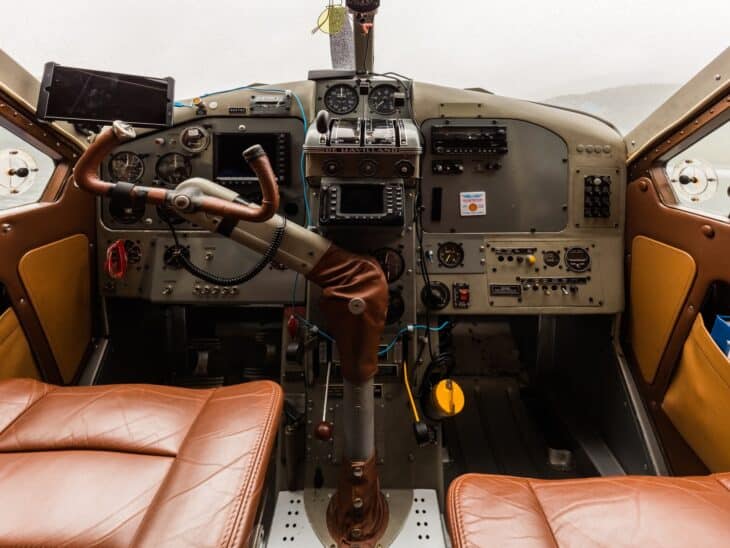

An aft center of gravity the TSB could not fully verify
The aircraft weighed about 5,274 pounds (2,392 kg) at takeoff, under its 5,370-pound (2,436 kg) maximum. Using its current weight and balance amendment, the TSB placed its center of gravity at 109.2 inches, behind the 106.1-inch rear limit.
The manufacturer says an empty DHC-2 Beaver on floats typically balances at about 95 inches, while C-FDPW’s records put it at 103.52 inches.
The operator had noticed that its loaded calculations usually came out behind the aft limit and believed the empty figure was wrong, but no steps were taken to check it, according to the report. The historical weight and balance records burned in the fire, so investigators could not confirm how accurate the calculation was.
A tail-heavy aircraft is less stable in pitch and more sensitive to the controls. The TSB says an aft center of gravity can make recovery from a stall difficult or impossible, because the elevator may lack the authority to lower the nose.
Investigators found no outstanding defects and no sign that a component or system failed. The engine and propeller showed no malfunction, and the weather, clear skies and 9 statute miles of visibility at Island Lake Airport, was not considered a factor.
Fuel in the cabin, and no recorder on board
Carrying the two jerrycans in the passenger cabin was legal. Canada’s dangerous goods rules let remote operators load fuel containers into a passenger cabin in certain cases, and the TSB says this load fell under that provision and the operator’s own manual.
The fire was so destructive that its origin could not be found. The report also repeats a point from an earlier TSB investigation: the Beaver’s main fuel tanks sit directly under the cabin floor, which puts the occupants within a fuel-fed fire if one ignites.
This was a limited-scope class 4 investigation, a kind that carries no formal findings or recommendations. The TSB says its investigation could not determine the final moments of the flight, and the Beaver had no flight data or cockpit voice recorder, nor was it required to.
The TSB’s 2018 recommendation that Transport Canada require lightweight flight recorders for commercial and private operators not already required to carry them has stalled, and the Board now rates the response unsatisfactory and has marked the recommendation dormant.
Weight and balance has come up before in remote commercial flying: in Alaska, the NTSB blamed an overweight Caravan in part for the Bering Air crash. In Manitoba, the TSB reported last month on the fatal Steinbach midair between two training Cessnas.
The report closes with two safety messages: operators must give pilots an accurate weight and balance report before dispatch, and pilots must remember that a load outside the center of gravity limits can change how an aircraft flies in unexpected ways that lead to a loss of control.
Sources and references used for research and fact-checking.
Get the Newsletter
The latest aviation news and stories sent to your inbox.
About the Author

AeroCorner News is the aviation news desk of AeroCorner.com. It covers accidents and incidents, safety rulings, airline and airport disruption, and new aircraft. It works from primary sources such as the NTSB, FAA, EASA and the manufacturers' own announcements.