

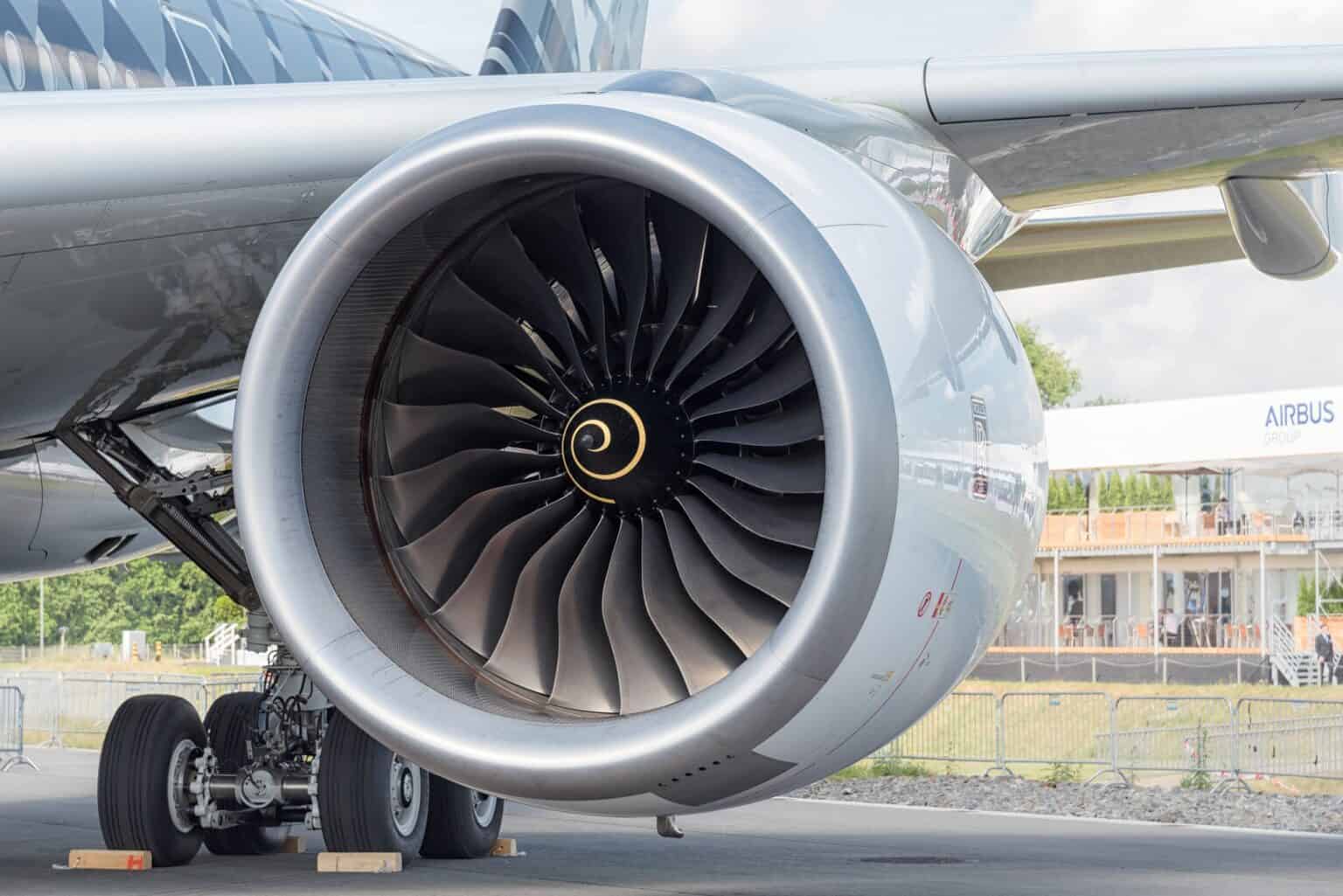
On October 28, 2026, the UK government and Rolls-Royce announced a joint 10-year, £2.5 billion (about $3.3 billion) research and technology program for next-generation jet engines. At its center is Rolls-Royce’s bid to power the next generation of single-aisle airliners, a market it stepped back from when it sold its stake in the V2500 engine venture in 2012.
The Chancellor announced the agreement in his Budget, according to the government’s announcement. AeroTime reported that Prime Minister Andy Burnham visited the Rolls-Royce factory in Derby the following day.
What was actually agreed
The government describes the £2.5 billion program as jointly funded over 10 years, covering cleaner and more efficient engine technology for both passenger and military aircraft. Neither side has published how that sum is split.
In its press release, Rolls-Royce said only that it expects to invest significantly more than the government across the narrowbody program. Five days earlier, AeroTime, citing the Financial Times, reported that government assistance could total £100 million to £200 million.
No grant has been awarded yet. The government’s background notes say the cooperation agreement is a framework for future support, that no new grants have been awarded under it, and that any support must still pass value-for-money, affordability and subsidy control checks.
A framework, not a grant
The £2.5 billion figure is the size of a jointly funded 10-year program, not a government payment. The split between the state and Rolls-Royce has not been published, and Rolls-Royce says the initial stages depend on a final agreement being reached.
Rolls-Royce said the initial stages will support 3,300 UK jobs at the company and its suppliers by the end of 2029. The government describes the same figure as support for 3,300 existing jobs over the next few years, with tens of thousands of new roles possible beyond that.
Both announcements repeat a Rolls-Royce estimate that a UK engine on the next single-aisle jets could add £120 billion to the economy over the program’s lifetime.
“This is a landmark moment for the UK’s aerospace industry,” Rolls-Royce CEO Tufan Erginbilgic said. He called the program with the government “vital to enable the UK to compete.”
The engine behind the deal
Neither announcement names an engine, but Rolls-Royce says the work includes an engine demonstrator project for the narrowbody segment. The narrowbody demonstrator it already has under way, according to its UltraFan page, is the UltraFan 30, planned for ground testing in 2028 and targeting a 20% fuel burn improvement over current in-service engines.
The UltraFan 30 is a scaled-down sibling of the UltraFan 80, the widebody-sized demonstrator whose first ground tests ran in 2023. AIN reported in July that Rolls-Royce finished the smaller engine’s concept review in June and expects it to produce about 30,000 pounds of thrust (133 kN), using an existing Pearl 10X core.
The same report noted that Rolls-Royce won €64 million in March 2026 from the EU’s Clean Aviation Joint Undertaking for a project called UNIFIED, which supports the demonstrator’s ground testing.
Why Rolls-Royce wants back in
The engines on today’s main single-aisle jet families come from two suppliers. Airbus offers the A320neo family with either CFM International’s LEAP-1A or Pratt & Whitney’s GTF, while Boeing’s 737 MAX flies with CFM’s LEAP-1B.
Rolls-Royce was once in that market through International Aero Engines, the consortium behind the V2500 engine for the A320 family. It sold its equity and program shares in IAE to Pratt & Whitney for $1.5 billion on June 29, 2012, while keeping work on V2500 parts and half of the engines’ final assembly.
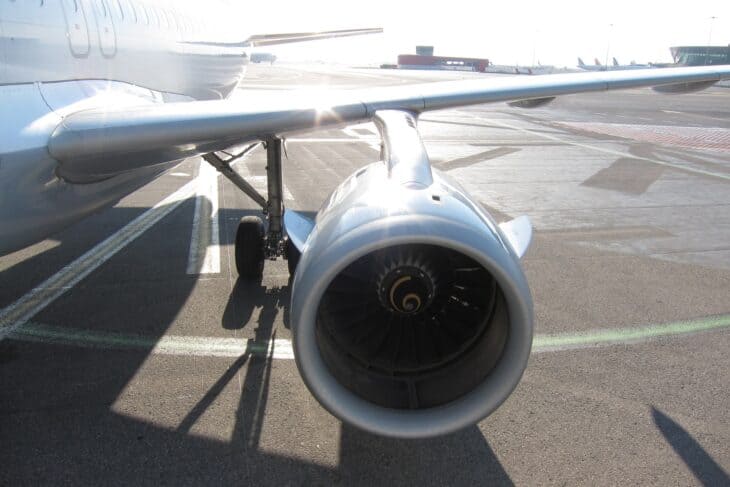

Rolls-Royce has since focused on the largest widebody engines, such as the Derby-built Trent XWB. Among the world’s largest aircraft engine manufacturers, Rolls-Royce says it is one of only three companies with the end-to-end capability to design, make and service a narrowbody engine.
Timing explains the push. Rolls-Royce says new single-aisle aircraft are expected to enter service in the mid-to-late 2030s, with manufacturers choosing engine partners over the next few years ahead of possible launches around the turn of the decade.
If airframers choose its technology, Rolls-Royce says it aims to re-enter the market in partnership and to pick UK sites for new assembly and test facilities. It also plans more capacity for high-pressure turbine blades and composite fan blades.
The agreement still needs final terms before any grant is paid. The larger test is commercial: whether Airbus or Boeing picks a Rolls-Royce engine for an aircraft neither has yet launched.
Sources and references used for research and fact-checking.
- UK Government (Department for Business, Innovation, Science and Trade), Government and Rolls-Royce agree £2.5bn to build jet engines in the UK and create tens of thousands of jobs
- Rolls-Royce, Rolls-Royce to power economic growth and boost advanced manufacturing through transformative jet engine technology programme
- Rolls-Royce, UltraFan
- Rolls-Royce, Rolls-Royce completes restructuring of International Aero Engines collaboration
- Pratt & Whitney, GTF engine
Get the Newsletter
The latest aviation news and stories sent to your inbox.
About the Author

AeroCorner News is the aviation news desk of AeroCorner.com. It covers accidents and incidents, safety rulings, airline and airport disruption, and new aircraft. It works from primary sources such as the NTSB, FAA, EASA and the manufacturers' own announcements.