

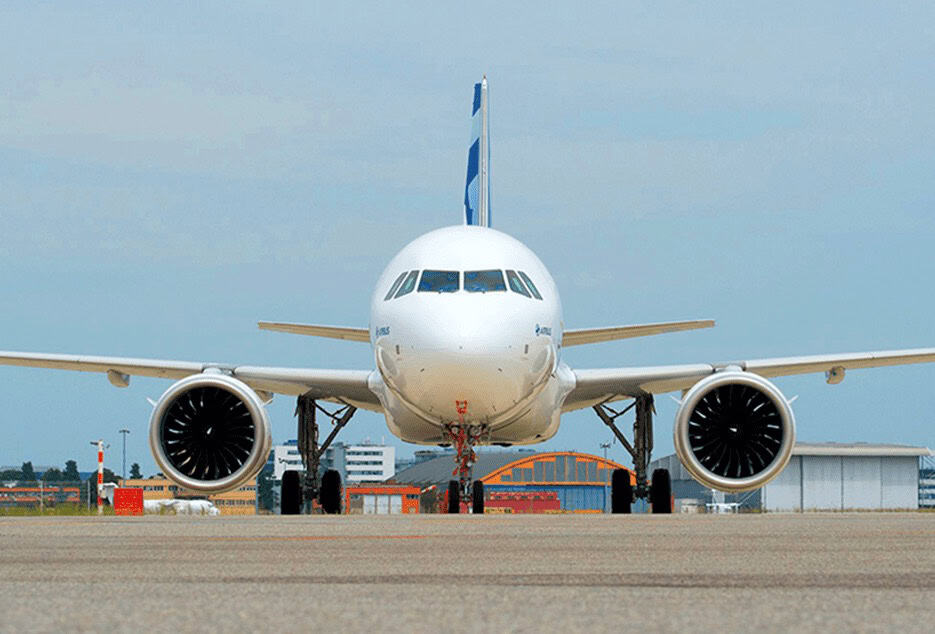
British Airways has selected Pratt & Whitney’s GTF engines to power up to 63 Airbus A320neo aircraft, announced at the Farnborough International Airshow on July 20, 2026. Pratt & Whitney’s parent company RTX said the deal covers 33 firm aircraft plus options on 30 more, with deliveries expected to begin in 2027.
The agreement is an engine selection, not a new aircraft order. British Airways had already earmarked the jets in its fleet plan; this decides who supplies the engines that hang under their wings.
A switch away from the current engine
The choice is notable because British Airways’ existing A320neo and A321neo aircraft are powered by CFM International’s LEAP-1A, the GTF’s direct rival. On the A320neo family, an airline picks one of the two engines, and once chosen it defines maintenance, spares, and training for the life of the aircraft.
The deal includes a 12-year EngineWise Comprehensive service agreement, under which Pratt & Whitney maintains the engines rather than the airline handling overhauls itself. Rick Deurloo, president of commercial engines at Pratt & Whitney, called it “a strong vote of confidence in the GTF engine” from the UK’s flag carrier.
Why the engine choice is a decision of its own
On a modern narrowbody, the airframe and the engine are bought separately. Airbus builds the A320neo, but the buyer decides between Pratt & Whitney’s geared turbofan and CFM’s LEAP, so a single fleet can end up split between two very different powerplants.
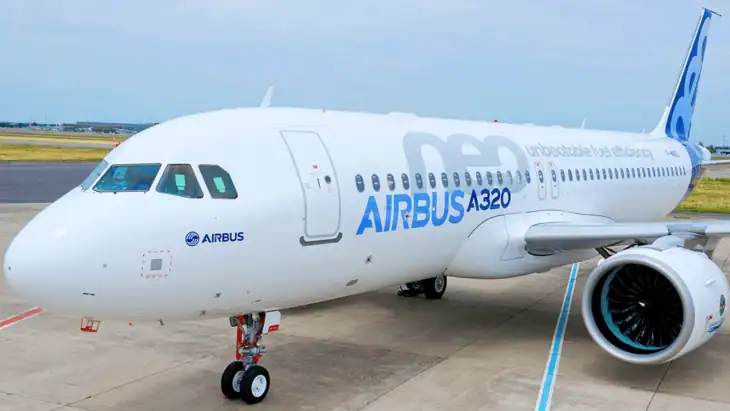
The GTF earns its name from a gearbox between the fan and the turbine, letting each spin at its own most efficient speed. Pratt & Whitney says the design cuts fuel burn by about 20 percent and shrinks the noise footprint by roughly 75 percent versus prior-generation engines.
Running two engine types across one narrowbody fleet adds complexity in spares and maintenance, so an airline usually needs a real efficiency or commercial reason to introduce a second supplier. That trade-off is what makes an engine selection a genuine contest, not a formality.
The state of the GTF program
Pratt & Whitney says more than 2,800 GTF-powered aircraft now fly with over 90 operators, against a backlog of more than 8,000 engines. The program has also worked through a multi-year powder-metal inspection issue that grounded aircraft across the industry.
For British Airways, adding a second engine type is a bet that the GTF’s fuel savings and long-term service terms outweigh the simplicity of a single-supplier fleet. It is also a win for Pratt & Whitney at a marquee sales event, where each narrowbody engine campaign is fought as hard as the aircraft orders themselves.
The A320neo family is the best-selling jet of its generation, which is why its engine suppliers compete so fiercely for each fleet. For more on how these powerplants are built and mounted, see AeroCorner’s guide to why airplane engines sit under the wing.
Sources and references used for research and fact-checking.
Get the Newsletter
The latest aviation news and stories sent to your inbox.
About the Author

Tim is the owner and lead editor of AeroCorner since 2019, overseeing aviation content covering aircraft, airlines, airports, and the broader aviation industry. Through years of researching, writing, editing, and publishing aviation-focused content, he has developed extensive practical knowledge of commercial aviation and air travel. Based in Asia and a frequent traveler himself, Tim also brings firsthand passenger experience to AeroCorner’s coverage. Outside of publishing, he has also explored aviation firsthand through hands-on flight training in New Zealand.