

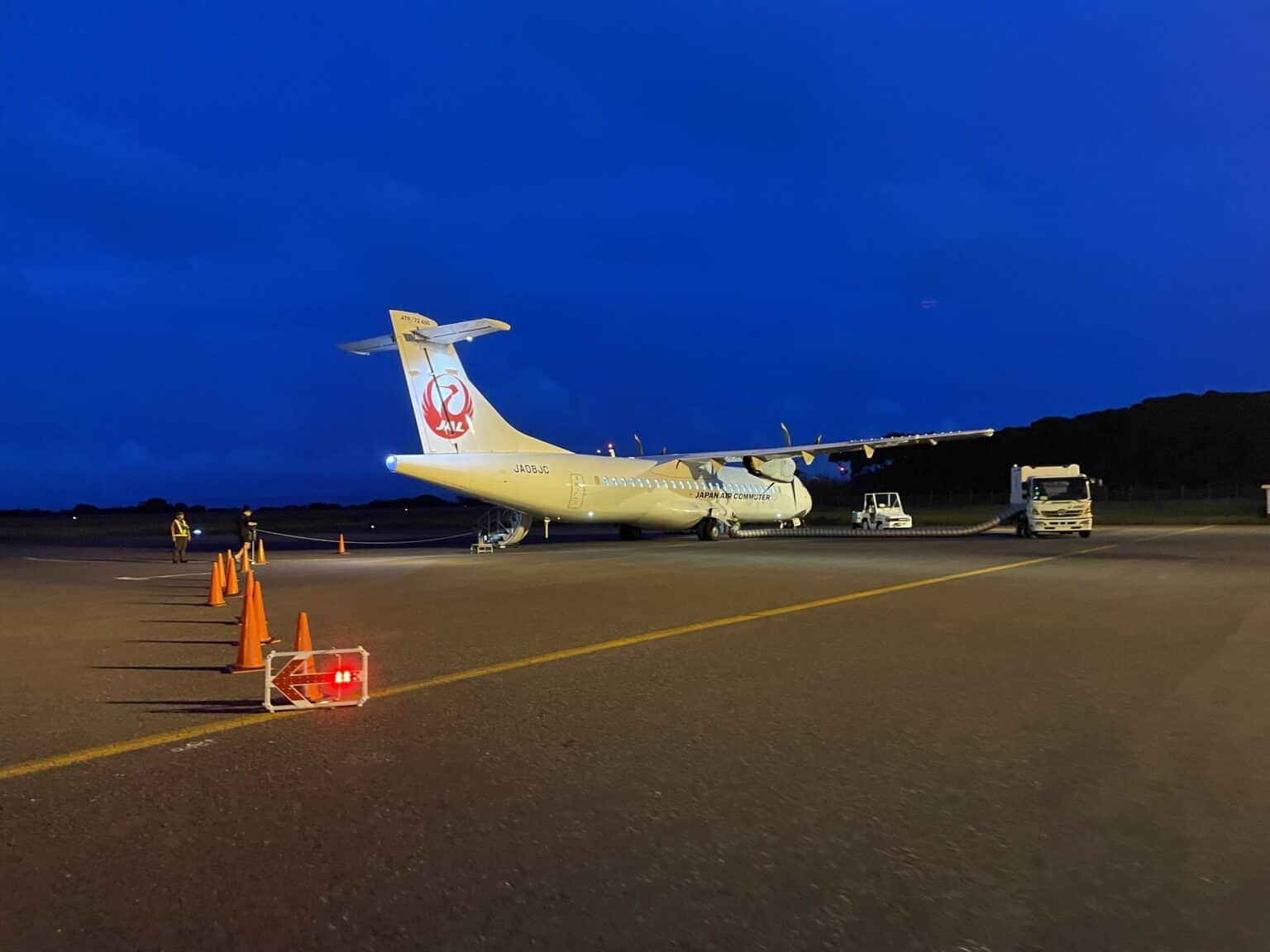
Japan Air Commuter flight JL3741 to Yakushima turned back to Kagoshima on November 22, 2026, after an alert indicated that the ATR 72-600‘s two control columns were not moving together. The airline said there was no actual fault, according to MBC, the Kagoshima broadcaster.
None of the 48 passengers and crew was hurt, the airline told MBC. It returned the aircraft for an inspection at Kagoshima, where it has mechanics, and offered passengers later flights and other arrangements.
What happened on JL3741
The flight was scheduled to leave Kagoshima at 8:50 a.m. local time for a 40-minute trip to Yakushima, and FlightStats recorded its departure at 8:52 a.m. The alert appeared about 20 minutes after departure, MBC reported.
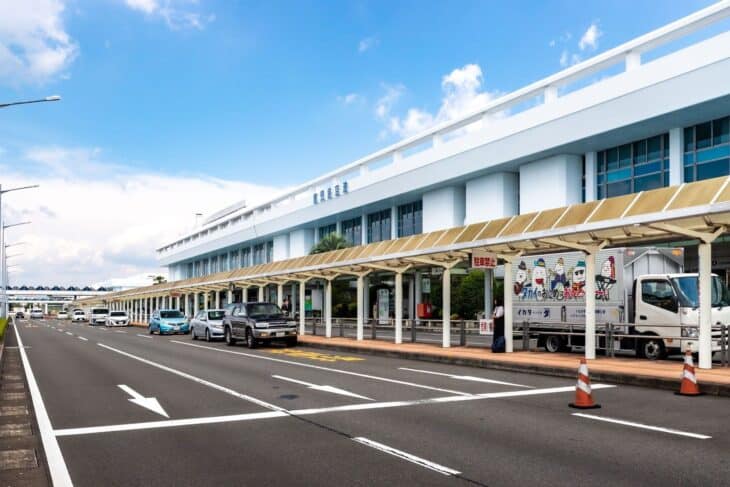

MBC described the message as saying that the movements of the captain’s and first officer’s control columns were not linked. That is a translation from Japanese, and the report did not give the wording shown in the cockpit.
The Aviation Herald identified the aircraft as JA08JC and reported that the crew stopped climbing at 10,000 feet. It landed safely about 45 minutes after departure, and was still on the ground at Kagoshima about 16 hours later, according to the same report.
Four flights were canceled on November 22, including JL3741, NHK reported that evening. MBC said the other three were on routes linking Kagoshima with Yakushima and Yoron.
Japan Air Commuter is part of the Japan Airlines group and flies ATR 42-600 and ATR 72-600 turboprops. Its fleet page lists 70 seats as standard on the larger type.
How the ATR 72’s two control columns are linked
The ATR 72 has mechanical flight controls. In pitch, the captain’s column is connected to the left elevator and the first officer’s to the right, through separate runs of cables, pulleys, rods and cranks, according to a 2019 report by the Australian Transport Safety Bureau (ATSB).
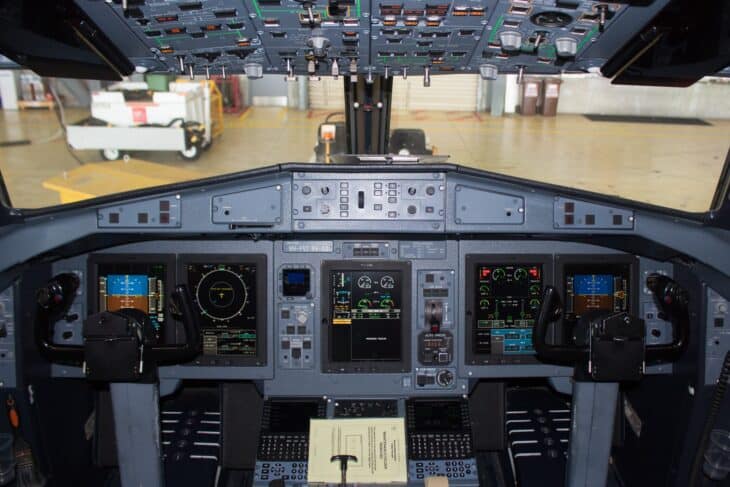

A spring-loaded pitch uncoupling mechanism between the two elevators normally joins them, so moving one column also moves the other column and both elevators. If one side jams, enough force makes the mechanism release, leaving each pilot in control of the elevator on their own side.
The release takes opposing forces of about 112 to 124 pounds (50 to 55 decanewtons) applied to each column at once. A sensor in the mechanism then sets off a master warning and a flashing red “PITCH DISC” message, short for pitch disconnect, along with the procedure to follow.
On the ATR 72-212A, the certified model that includes the -600, the ATSB said the two sides can be reconnected only on the ground. The flight manual text quoted in its report limits speed to 180 knots and bank to 30 degrees until flap extension after a disconnect without a real jam, to avoid overstressing the stabilizer.
What is not yet known
The reports on JL3741 do not name the cockpit message, so it is not confirmed that it was PITCH DISC. They also do not say what triggered the alert, or give any inspection findings beyond the airline’s statement that there was no actual fault.
What a real disconnect has looked like
France’s BEA published a report in August 2026 on a genuine disconnect aboard Air Tahiti ATR 72-212A F-ORVO on September 29, 2025, with 44 people aboard. At about 80 feet on final approach to Nuku Hiva, the co-pilot could not push her column forward and called a go-around.
Her force on the column activated the uncoupling mechanism, and the warning appeared a second later. She regained the use of her column and landed the aircraft, and the BEA concluded that the system worked as designed, although it could not determine the cause of the restriction on the captain’s side.
A disconnect can also happen with nothing jammed. On February 20, 2014, the two pilots of Virgin Australia Regional Airlines ATR 72 VH-FVR made opposing inputs while descending toward Sydney, and the mechanism released.
The resulting loads damaged the horizontal stabilizer, and a cabin crew member’s leg was broken during the upset. The damage was missed in maintenance, and the aircraft flew 13 more flights before anyone found it, the ATSB said.
ATR told operators in February 2016 that a detailed visual inspection was required after an in-flight pitch disconnect. Nothing reported about JL3741 indicates that it suffered a jam, opposing inputs or damage, and the airline’s account is that the controls had no fault.
The event also differs from one in September, when an Envoy E170 returned to Chicago O’Hare after the captain’s yoke came loose. In the Kagoshima case, the airline described a warning about the link between the two columns and said there was no actual fault.
Sources and references used for research and fact-checking.
- Japan Air Commuter, ATR aircraft (fleet page, Japanese)
- Australian Transport Safety Bureau, AO-2014-032: In-flight upset, inadvertent pitch disconnect, and continued operation with serious damage involving ATR 72 VH-FVR
- BEA, Serious incident to the ATR72-212A registered F-ORVO on 29 September 2025 at Nuku Hiva (August 2026)
Get the Newsletter
The latest aviation news and stories sent to your inbox.
About the Author

AeroCorner News is the aviation news desk of AeroCorner.com. It covers accidents and incidents, safety rulings, airline and airport disruption, and new aircraft. It works from primary sources such as the NTSB, FAA, EASA and the manufacturers' own announcements.