

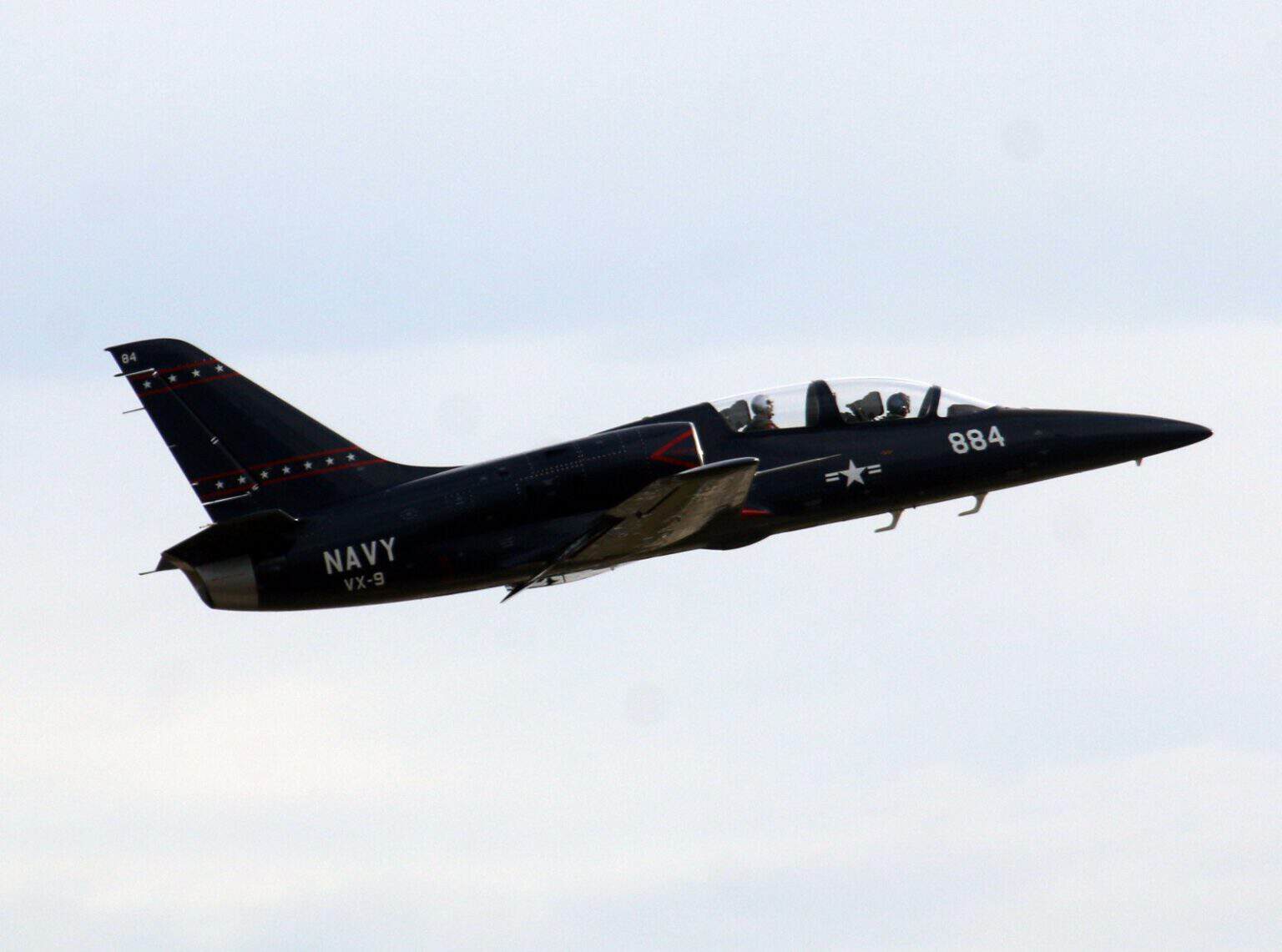
The wings of L-39C jet N339NA began to rock after rotation, and an object fell from the airplane onto the runway before it crashed near Mayfield, Kentucky, on November 8, 2026, killing the pilot. That is the sequence in the National Transportation Safety Board’s preliminary report, whose release KFVS12 reported on November 21.
The two-page report, case WPR27FA034, does not give a cause or identify the object. It says the information is preliminary and subject to change.
What the report says about the takeoff
N339NA and a second L-39C landed at Mayfield Graves County Airport at about 1:20 p.m. local time. The airport manager told investigators that both pilots bought fuel and ate lunch in the terminal before getting ready to leave.
Security cameras and a witness recorded the departure. The videos showed the jets taxiing together to runway 01, with N339NA behind and to the left of the other L-39C in a loose formation.
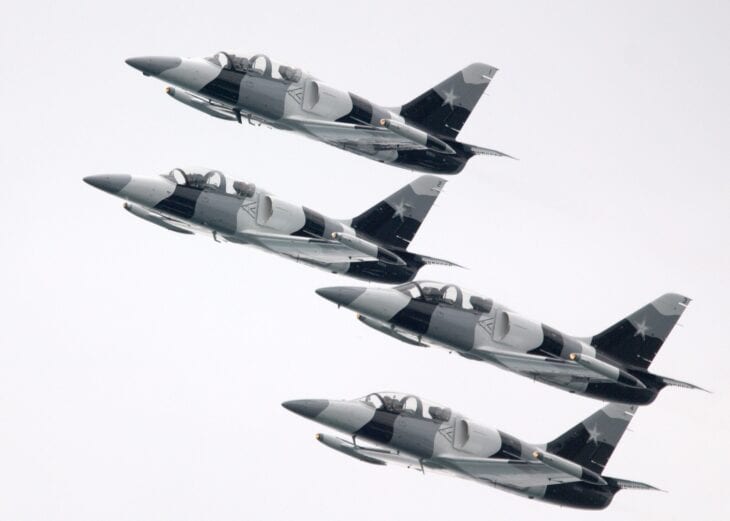

The takeoff roll looked unremarkable at first, according to the NTSB. The wings began to rock after N339NA rotated, the point in a takeoff when the pilot raises the nose to lift off.
About six seconds later came two loud, metallic crackling sounds, the falling object and a puff of smoke from the exhaust tailpipe. The report does not say what made the sounds or the smoke.
The jet then banked left, descended and went out of sight below a line of trees, and a large plume of black smoke appeared several seconds afterward. The NTSB puts the accident at about 2:05 p.m.
The pilot of the other L-39C was able to return to the airport to land. The weather observation at the airport 10 minutes before the accident showed clear skies, 10 miles (16 km) of visibility and a 5-knot wind from 250 degrees.
What investigators found in the field
N339NA hit a harvested cornfield about half a mile (0.8 km) west of the departure end of runway 01. The wreckage path ran about 560 feet (170 m) on a magnetic heading of roughly 233 degrees, toward the southwest.
It began with a series of long, shallow impact craters, followed by a deep culvert holding burned foliage, a landing gear door and the right aileron. Ailerons are the wing surfaces that control roll, and the report draws no conclusion from where this one was found.
The fuselage broke into two sections aft of the wings, while the main wreckage was heat-damaged and the field around it had burned. The NTSB lists the fire as on the ground and has kept the wreckage for further examination.
What the sheriff said earlier
The pilot’s name, the family connection, the air show and the radio call come from the Graves County Sheriff’s Office, not the NTSB report. The office identified the pilot as James Alan Michaels, 70, of Dousman, Wisconsin, KFVS12 reported after the crash.
The sheriff’s office also said he and his daughter were flying separate L-39s home from an air show in Mississippi, and that she landed safely. Its account that he radioed about a problem and planned to turn back was part of our first report on the crash.
The preliminary report does not mention a radio call, so it does not show where one would fall in the sequence investigators describe.
The jet and the investigation
The FAA registry lists N339NA as a 1983 L-39C with an experimental exhibition certificate. That category includes flying at air shows, staying proficient for them and traveling to and from them.
The registry gives the engine model as unknown, and the NTSB report does not name it. The L-39’s original engine is the Ivchenko AI-25, but some L-39s have been converted to the TFE731 turbofan, as AOPA has reported.
Honeywell Aerospace, whose products include the TFE731, is listed as a participant in the investigation, along with the FAA and the Czech Republic’s Air Accidents Investigation Institute. The report does not explain Honeywell’s role, and its presence alone does not establish which engine N339NA had or that the engine failed.
Under its party system, the National Transportation Safety Board can bring outside organizations and companies into an investigation. The agency says it tries to finish investigations in 12 to 24 months, and a probable cause comes with the final report.
What is still unknown
The preliminary report does not say what fell from the jet, what produced the sounds and smoke, or why the wings rocked. Those observations describe a sequence of events and are not findings of cause.
Sources and references used for research and fact-checking.
Get the Newsletter
The latest aviation news and stories sent to your inbox.
About the Author

AeroCorner News is the aviation news desk of AeroCorner.com. It covers accidents and incidents, safety rulings, airline and airport disruption, and new aircraft. It works from primary sources such as the NTSB, FAA, EASA and the manufacturers' own announcements.