

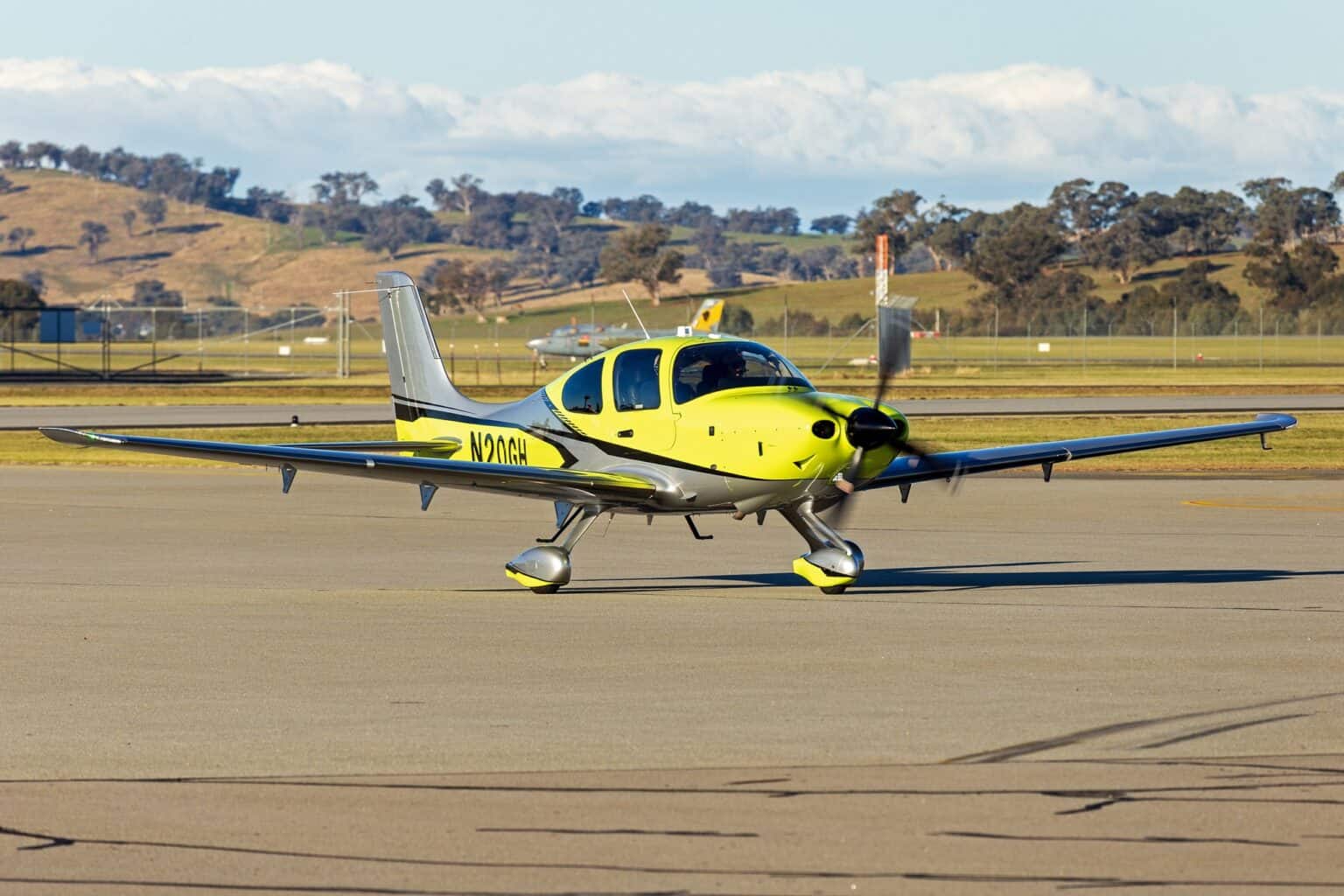
Two people were killed when a small plane, which flight-tracking data identifies as Cirrus SR22T N462DL, crashed and caught fire at Hawkins Field in Jackson, Mississippi, at about 12:20 p.m. on Saturday, November 21, 2026. Hinds County Coroner Jeramiah Howard confirmed both deaths.
The Jackson Municipal Airport Authority (JMAA), which runs the airport, closed Hawkins Field after the crash and said it will stay closed until Monday, November 23.
What officials have confirmed
In a statement relayed by the Clarion Ledger, JMAA said two people were aboard and that its operations and police staff, the Jackson Fire Department and American Medical Response had gone to the scene. The authority said the aircraft is believed to have come from Madison Airport, also known as Bruce Campbell Field, and that its intended destination has not been confirmed.
Howard later confirmed to WLBT that both occupants died. Neither person had been publicly identified at the time of writing.
The crash happened on the Mississippi Army National Guard’s side of the airfield, WLBT reported. Two Guard mechanics who were on site tried to put out the fire with extinguishers but could not rescue anyone.
Maj. Heather Bennett, the Guard’s public affairs director, told the station the debris has to stay on the runway until the investigation is finished. A WAPT crew saw a large burned area near the Guard base.
Madison Airport confirmed to WAPT that the plane had departed from its field, but said it does not own or operate the aircraft and that no student pilots from its flight school were involved.
What the tracking data and FAA records show
Officials have not named the aircraft. Darkhorse Press first reported that FlightAware showed a Cirrus registered to Danmar Leasing of Little Rock leaving Madison at about 12:10 p.m. and reaching Hawkins Field minutes later, the last arrival before the airport closed.
The FAA aircraft registry lists one aircraft under Danmar Leasing LLC: N462DL, a 2025 Cirrus SR22T. Flightradar24’s history for N462DL shows the same Madison to Jackson leg on November 21, departing at 12:10 p.m.
The same history shows two short flights from Madison back to Madison earlier that morning, each about six minutes long, departing at 11:40 and 11:55 a.m. Darkhorse Press reported that Bruce Campbell Field records also show the plane taking off and landing there twice before the trip to Jackson.
The two airports sit about 10 miles (16 km) apart. No official has said what happened in the last moments of the flight, or whether the airplane was landing at the time.
Hawkins Field’s automated weather station recorded wind from the east-northeast at 7 knots, 10 miles of visibility and an overcast layer at 3,900 feet at 12:20 p.m. local time.
What is still unconfirmed
No official has named the aircraft, its registration or the two people aboard. The tail number here comes from flight-tracking data and the FAA registry, not from JMAA, the coroner or the FAA. No cause has been given, and neither the FAA nor the NTSB had issued a statement at the time of writing.
The airplane and what comes next
The SR22T is the turbocharged version of the SR22, powered by a 315 hp Continental TSIO-550-K. Cirrus says every SR Series airplane carries its whole-airframe parachute system as standard, and the current G7+ generation adds Garmin’s Safe Return emergency autoland.
Whether either system was used has not been reported. A whole-airframe parachute needs altitude to work, so its usefulness depends on how high the airplane was when trouble began.
Hawkins Field is the smaller of JMAA’s two airports, alongside Jackson-Medgar Wiley Evers International. It also has a Mississippi Army National Guard base, which on Saturday was sending Black Hawk helicopters to a flyover at the University of Southern Mississippi football game in Hattiesburg, according to WLBT.


Fatal civil aircraft accidents in the US are investigated by the NTSB, with the FAA taking part. For comparable crashes, including the Lake of the Ozarks SR22 crash on November 3, the FAA’s statement said both agencies would investigate and that the NTSB would lead.
A preliminary report sets out the facts of the flight but no cause. The NTSB’s recent preliminaries on light-aircraft crashes have arrived two to three weeks after the event, and the agency says it generally aims to finish an investigation within 12 to 24 months.
Sources and references used for research and fact-checking.
Get the Newsletter
The latest aviation news and stories sent to your inbox.
About the Author

AeroCorner News is the aviation news desk of AeroCorner.com. It covers accidents and incidents, safety rulings, airline and airport disruption, and new aircraft. It works from primary sources such as the NTSB, FAA, EASA and the manufacturers' own announcements.